Battleborn is a space-fantasy arena shooter that blends first-person gunplay with MOBA-style objectives and hero kits. You pick from a roster of distinct characters, level up during matches via a helix upgrade path, and lean on abilities and teamwork to win in competitive modes or co-op story missions.
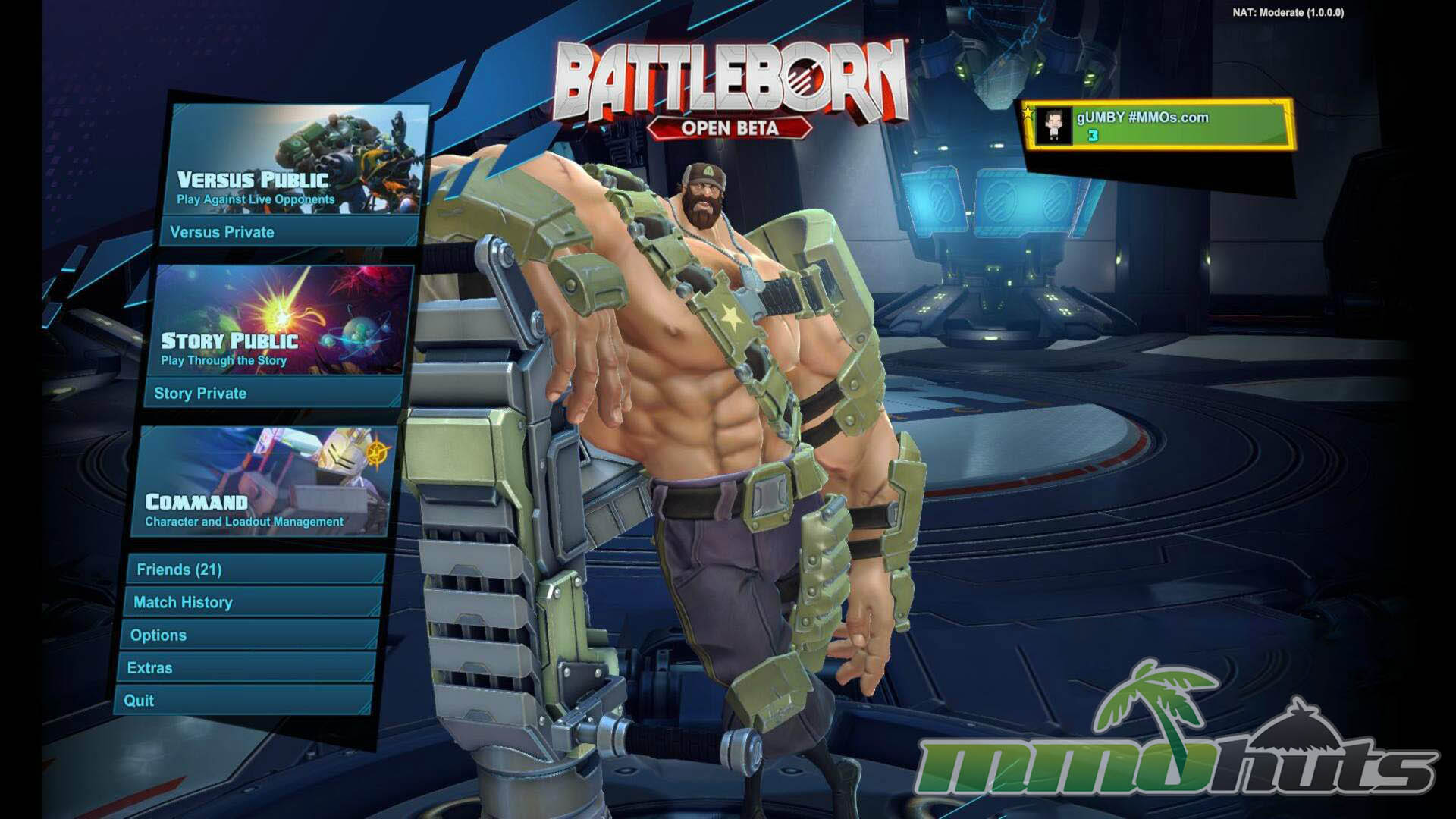 | Publisher: 2K Games Playerbase: Shut Down Type: Arena Shooter Release Date: May 03, 2016 Pros: +Co-op campaign option. +Big hero roster with varied playstyles. +Couch co-op via splitscreen. +Strong visual flair. Cons: -PvE missions can feel samey. -Limited early hero access. |
Battleborn Overview
Battleborn is a space-fantasy, arena-focused FPS built around hero selection and objective play that borrows familiar MOBA rhythms without abandoning shooter fundamentals. Before a match you choose a character from a broad lineup, ranging from melee threats like Rath to support-focused picks like Miko, and the roster is intentionally personality-driven, with callouts and banter that reinforce each hero’s theme.
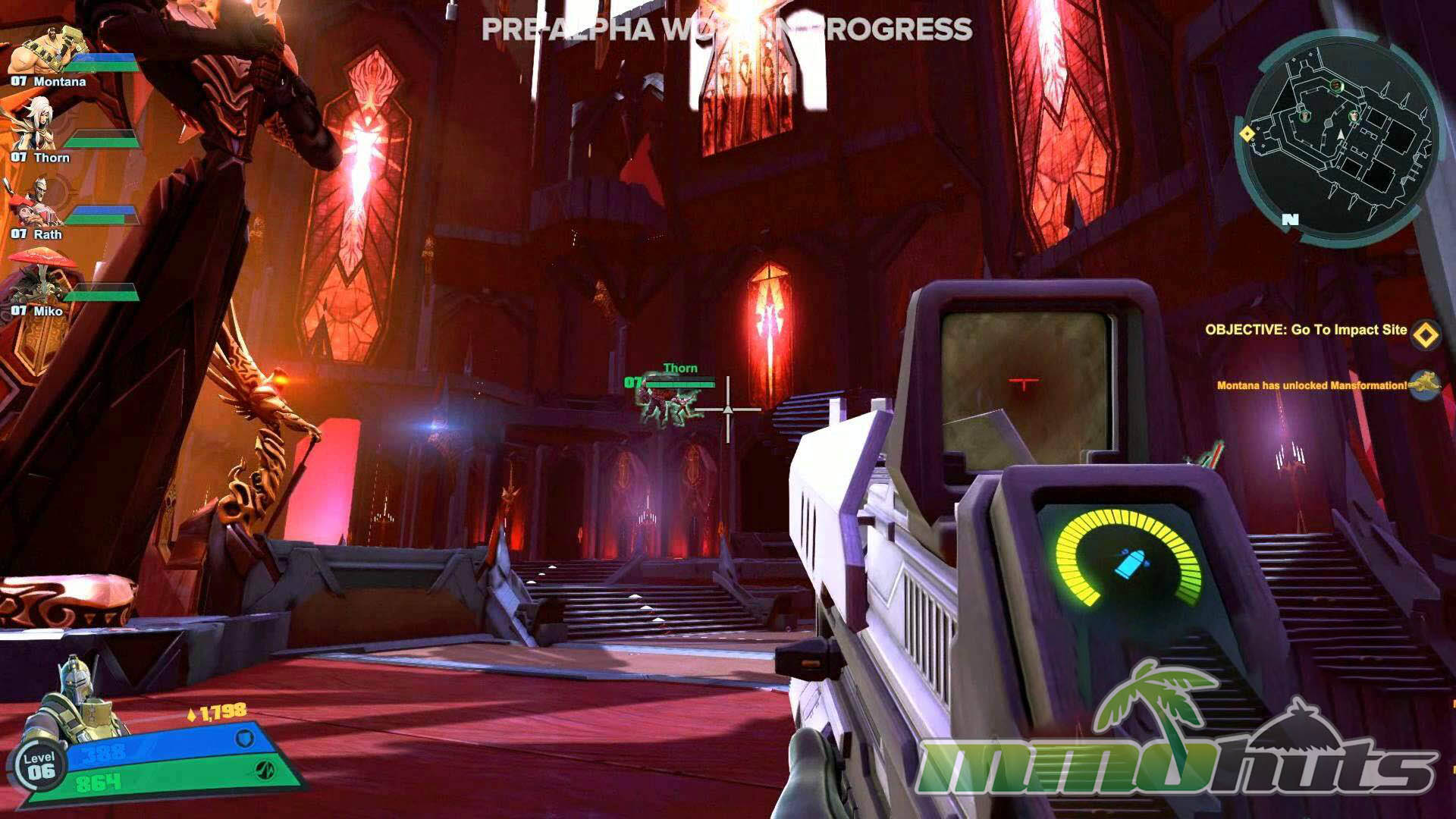
During matches you gain experience and level up, then select upgrades from the helix system, typically offering two different choices at key levels. That structure lets you steer a hero toward different strengths, for example leaning into survivability, utility, or damage, depending on the map and team composition. Progression is also tied together across modes, since experience earned in PvE or PvP contributes toward both Character Ranks and your overall Command Rank.
For PvE, Battleborn includes an episodic campaign that can be played solo or cooperatively, with missions designed around set-piece fights and team roles. If competitive play is the goal, there are three multiplayer modes: Incursion, Meltdown, and Devastation. Incursion is about pushing lanes with minions and breaking through to key base objectives, Meltdown centers on escorting and sacrificing minions for points, and Devastation is an objective-focused deathmatch variant.
Battleborn Key Features:
- 25 Heroes – pick from a large lineup of heroes with distinct abilities and roles, with additional characters planned.
- Persistent Progression – XP earned in any mode feeds into your overall progression, not a separate track per playlist.
- Campaign Mode – play story missions cooperatively with friends or tackle them alone.
- Three Multiplayer Game Modes – Incursion, Meltdown, and Devastation, mixing lane-pushing objectives with arena skirmishing.
- Flashy Effects – an eye-catching art direction and effects-heavy abilities give matches a distinctive look.
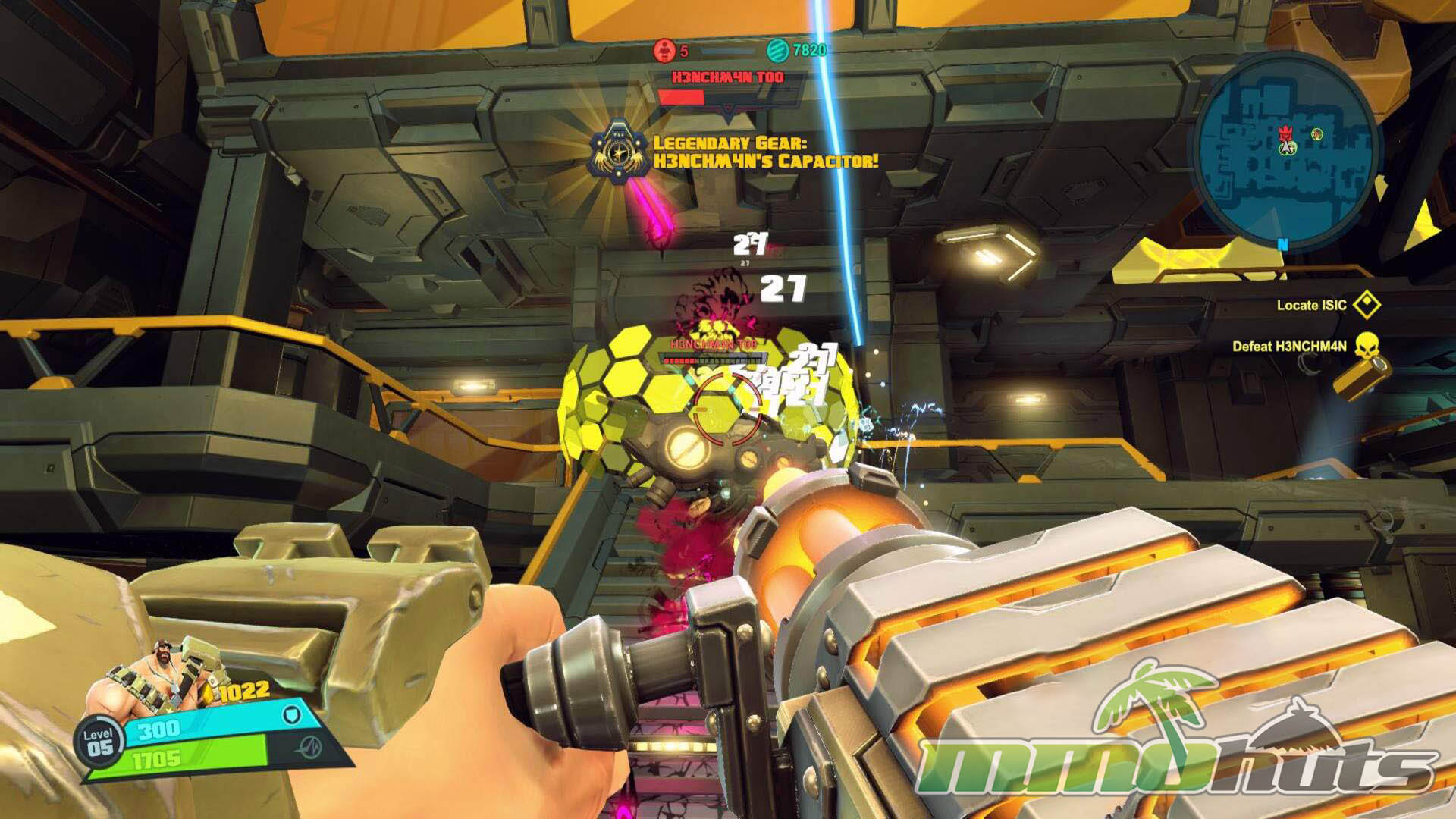
Battleborn Screenshots
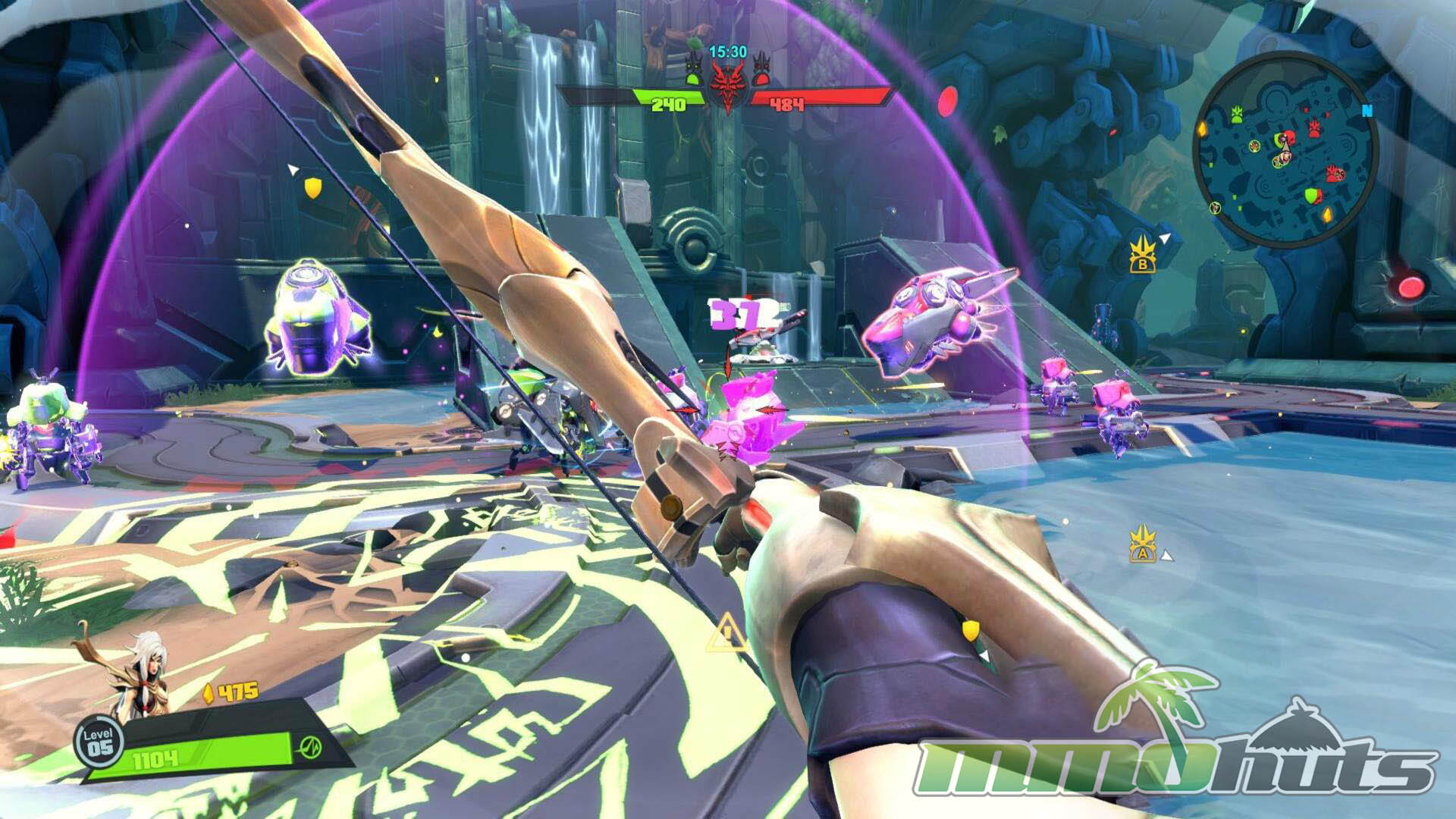
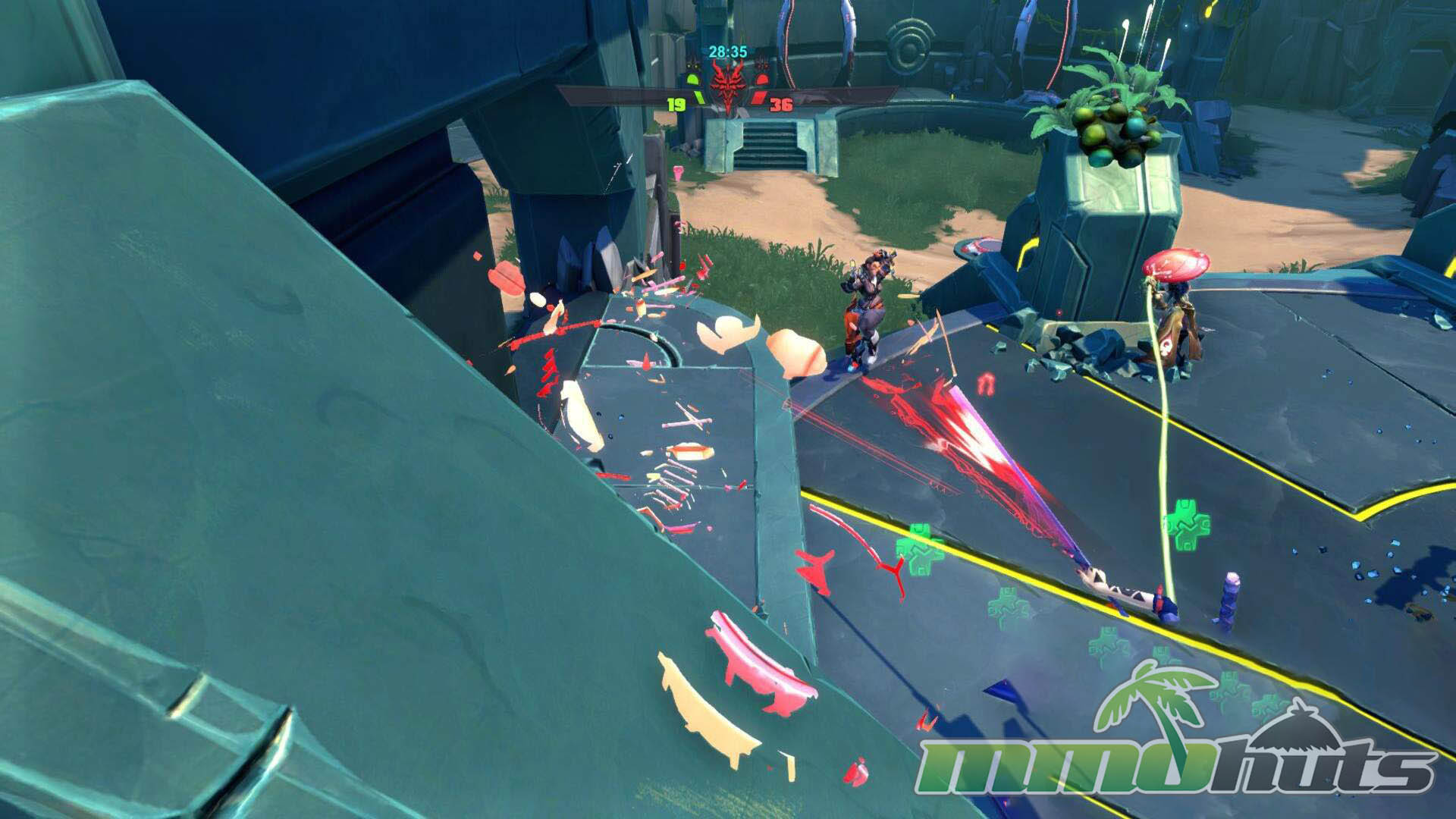
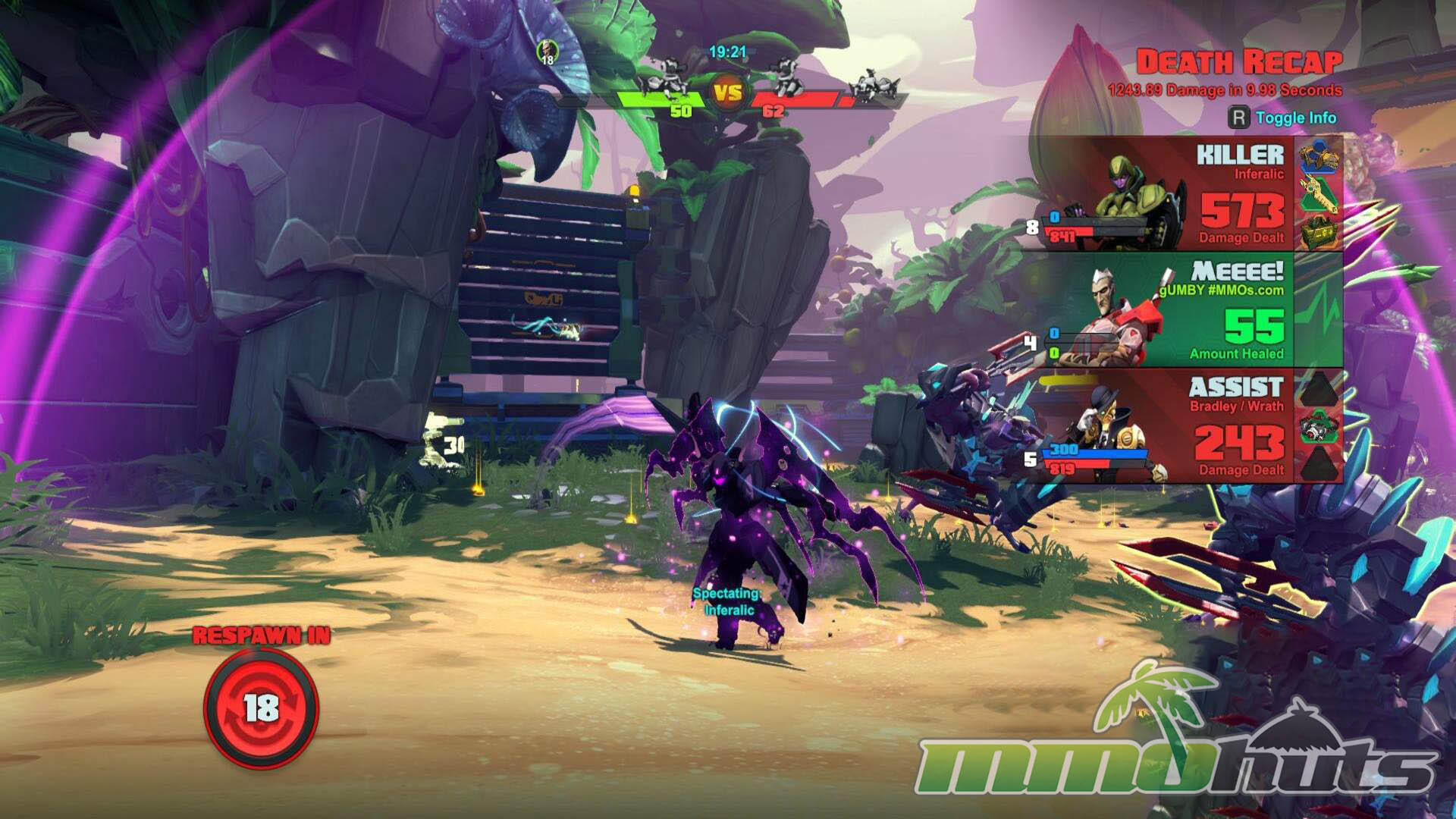
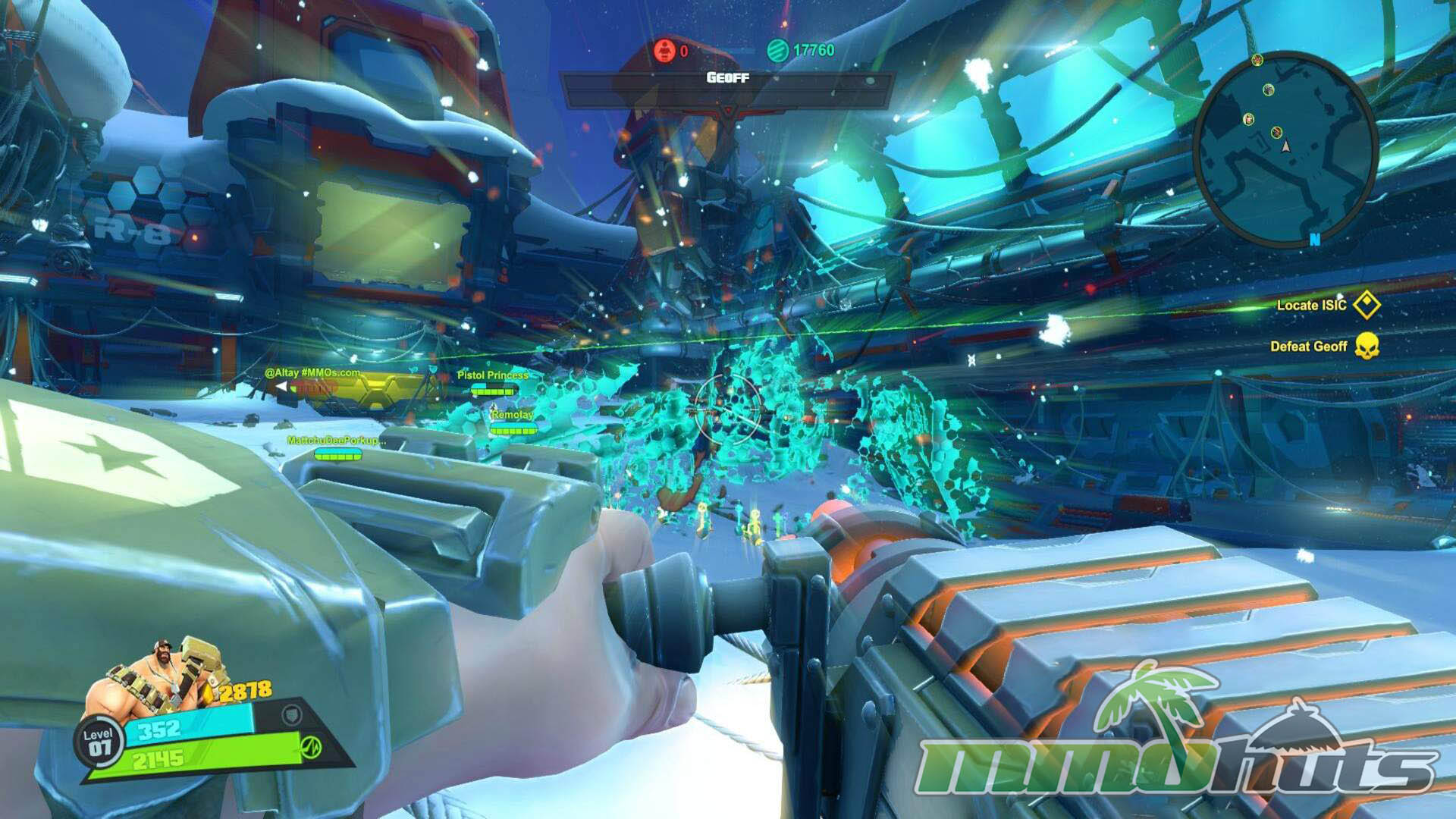
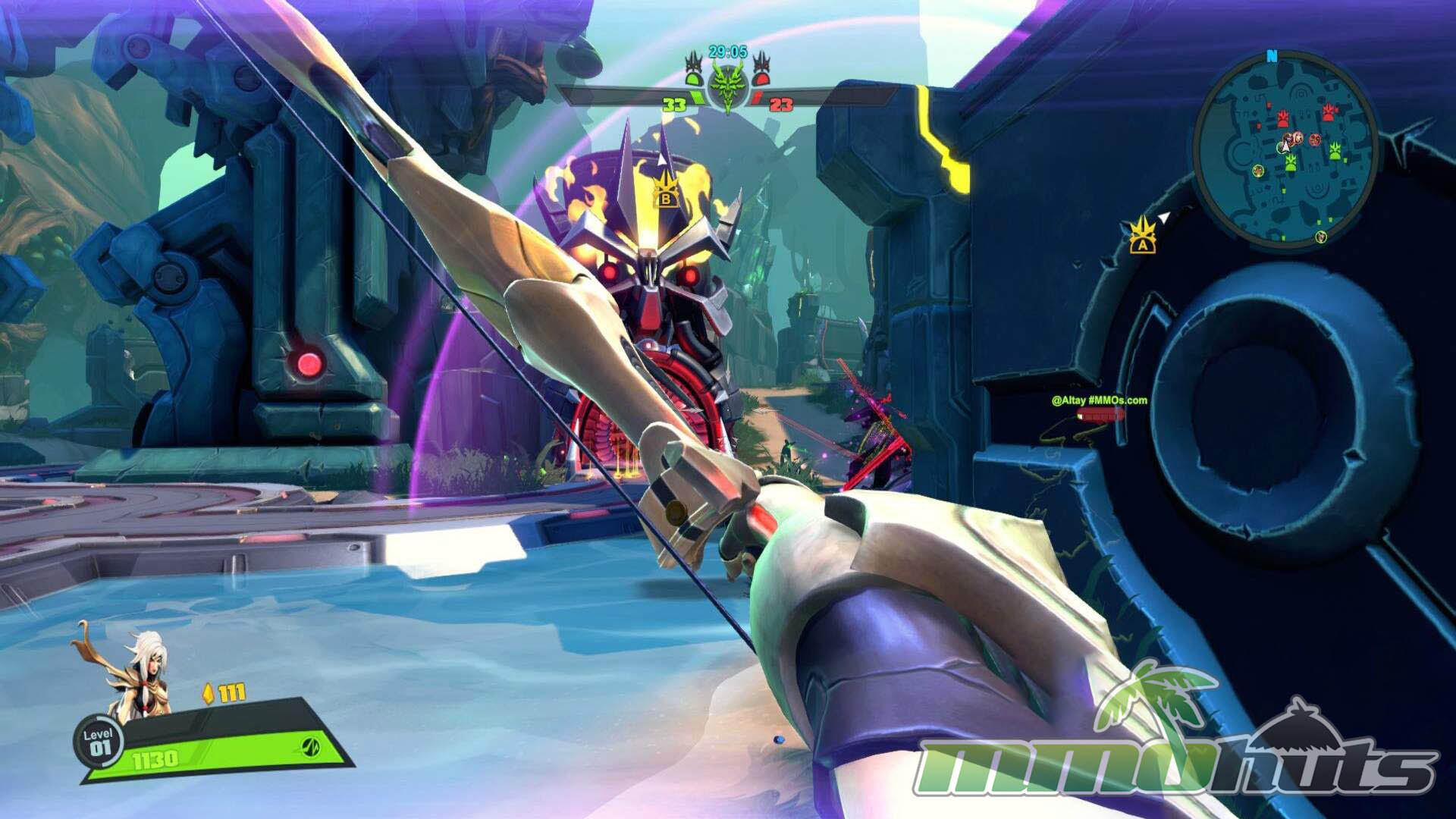

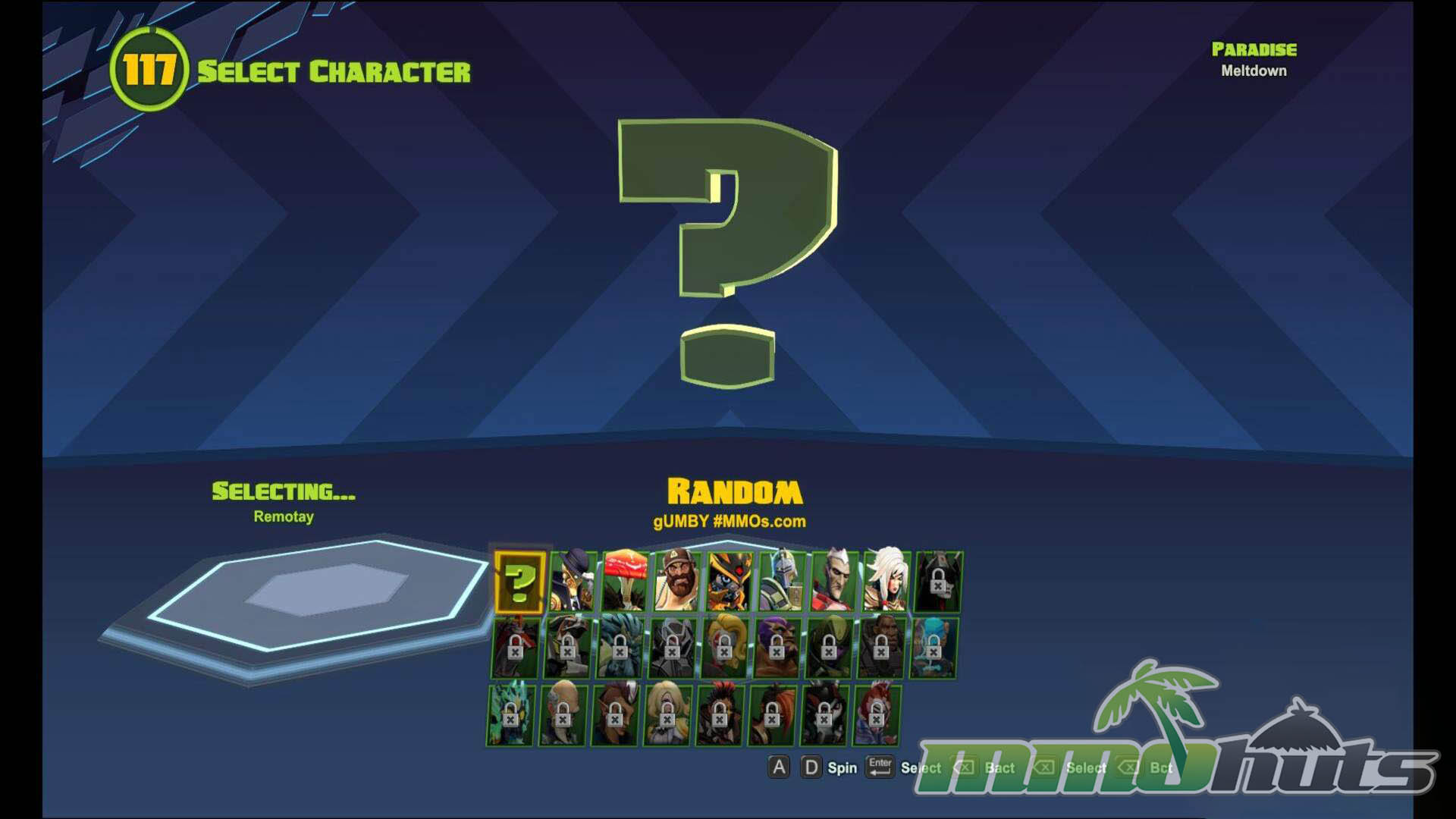
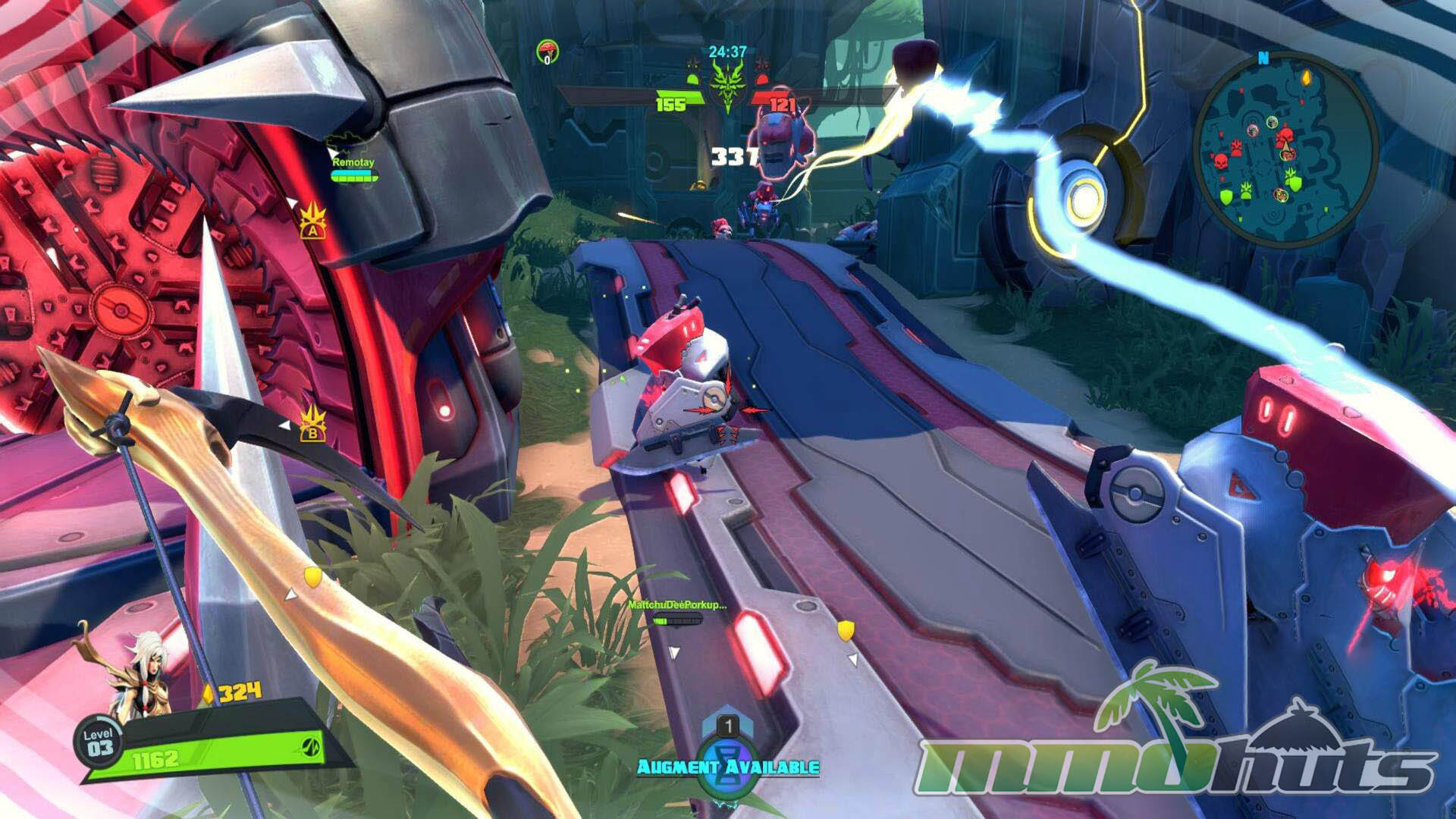
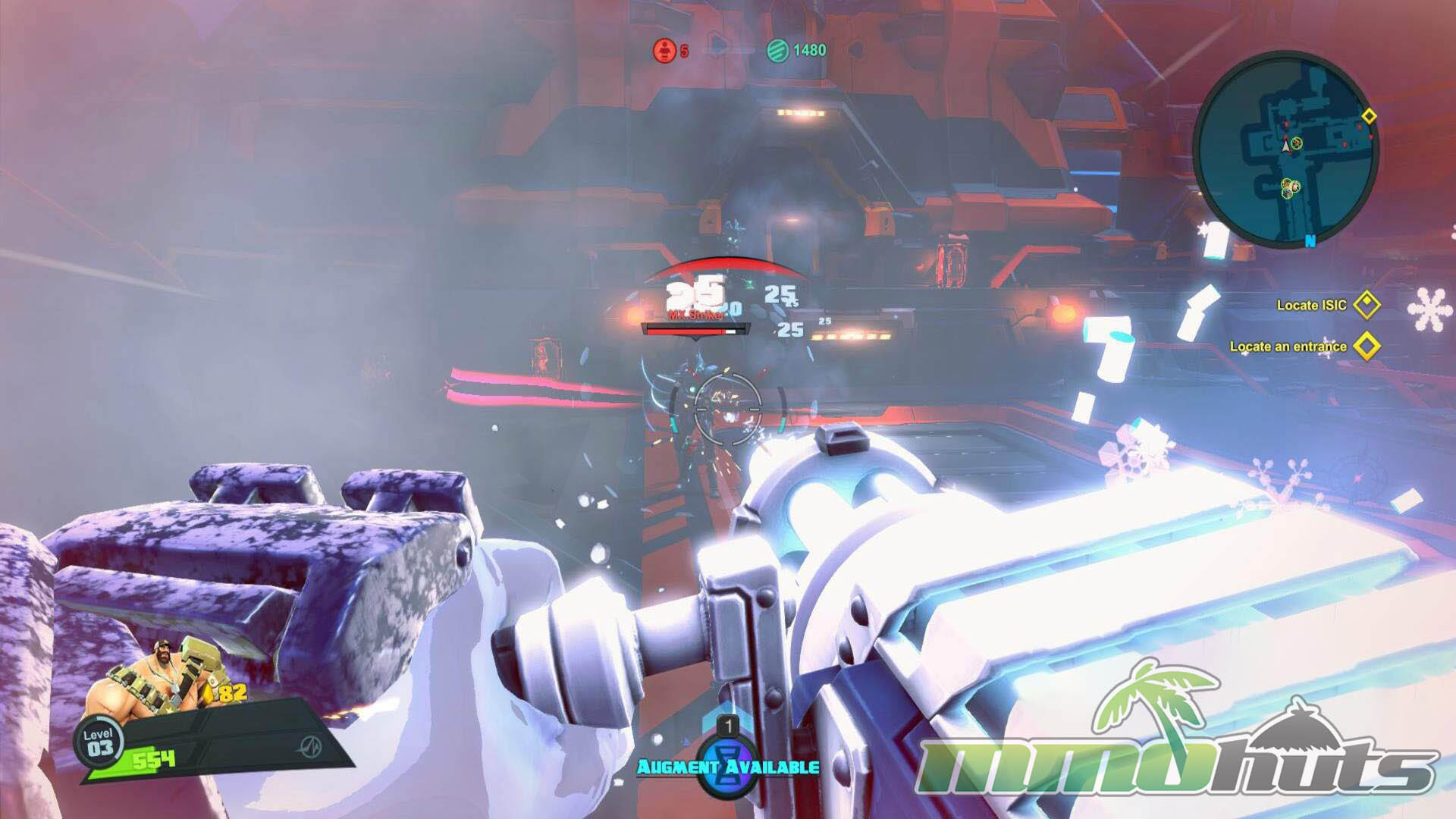

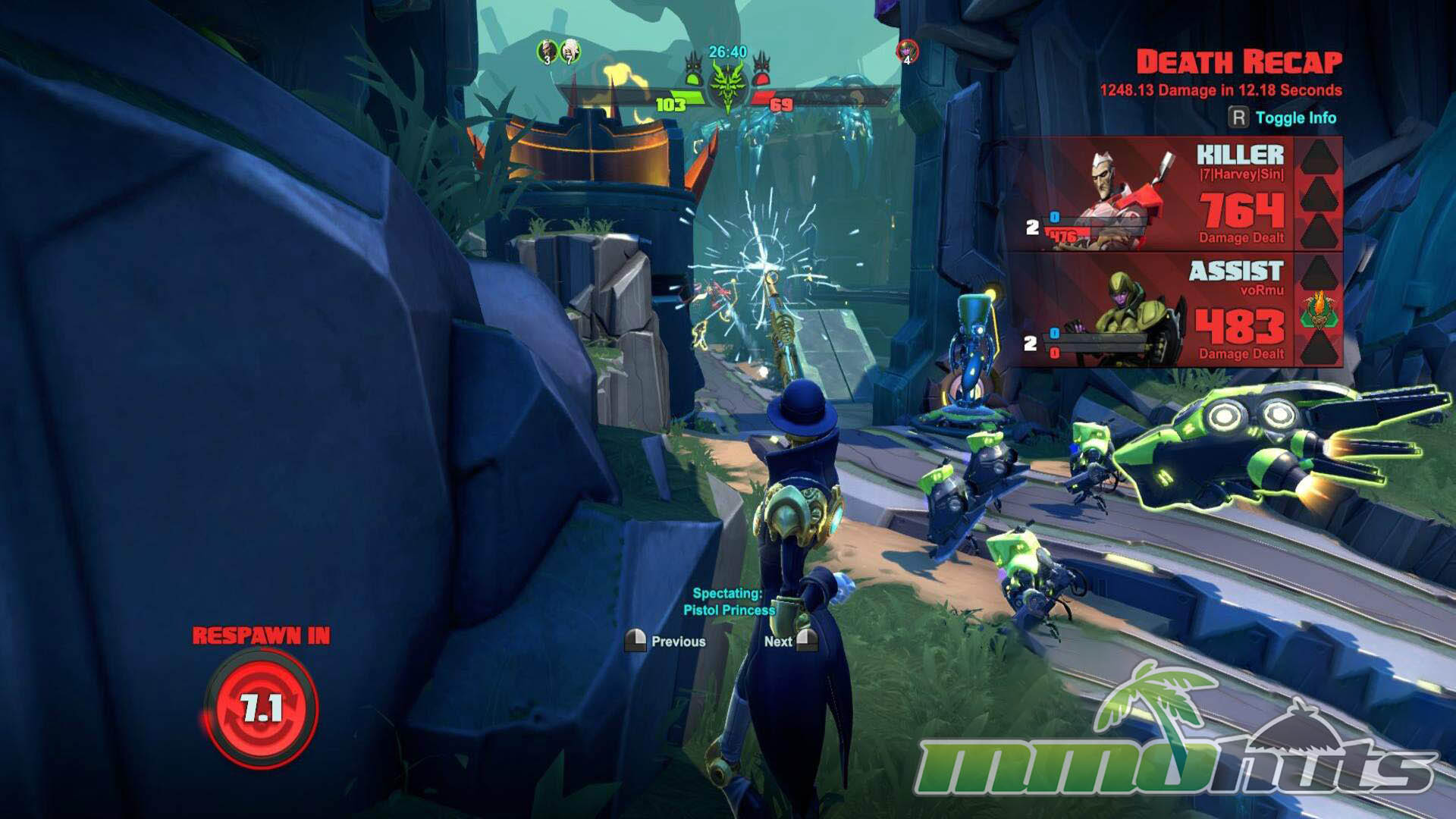
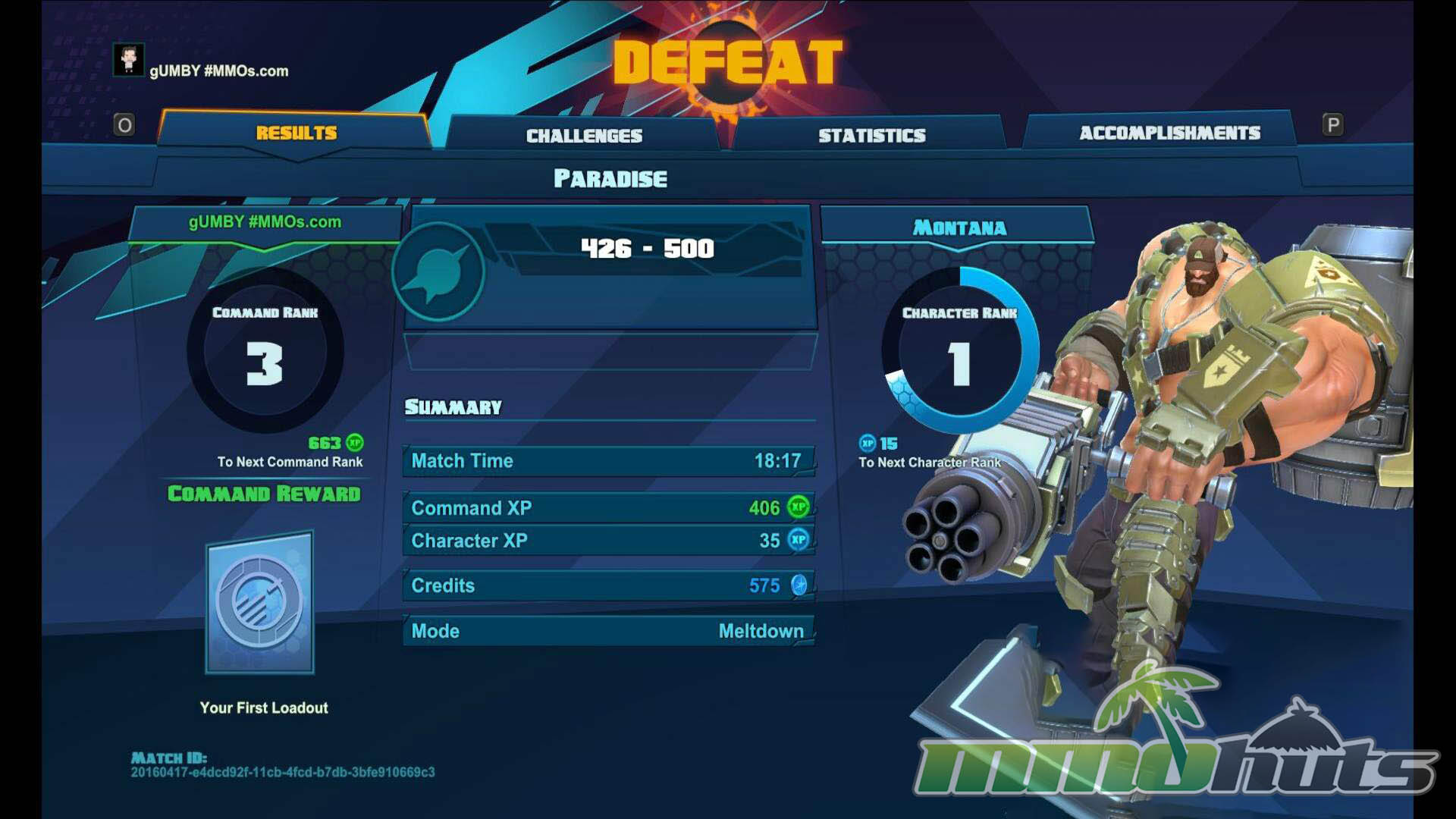
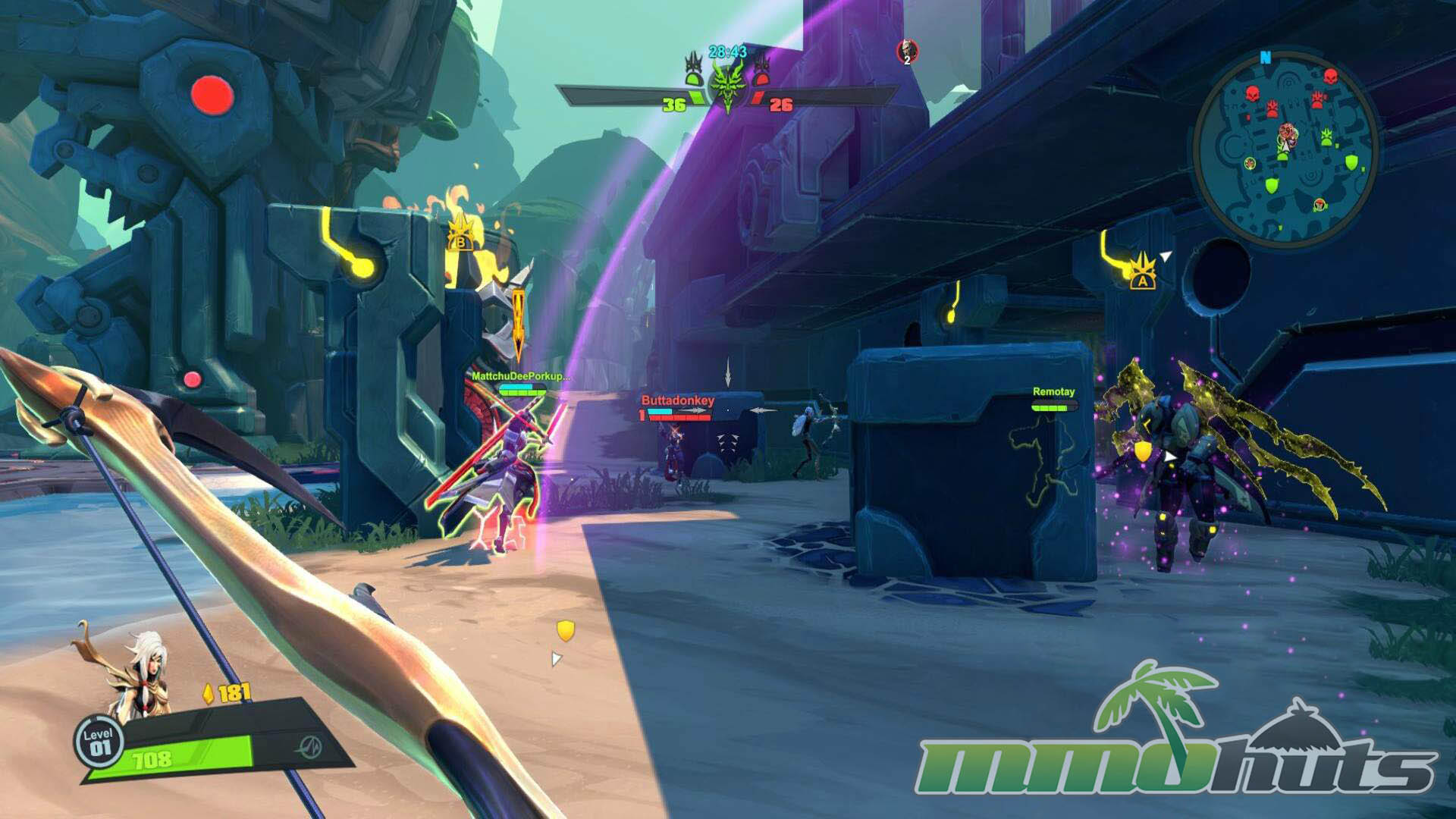
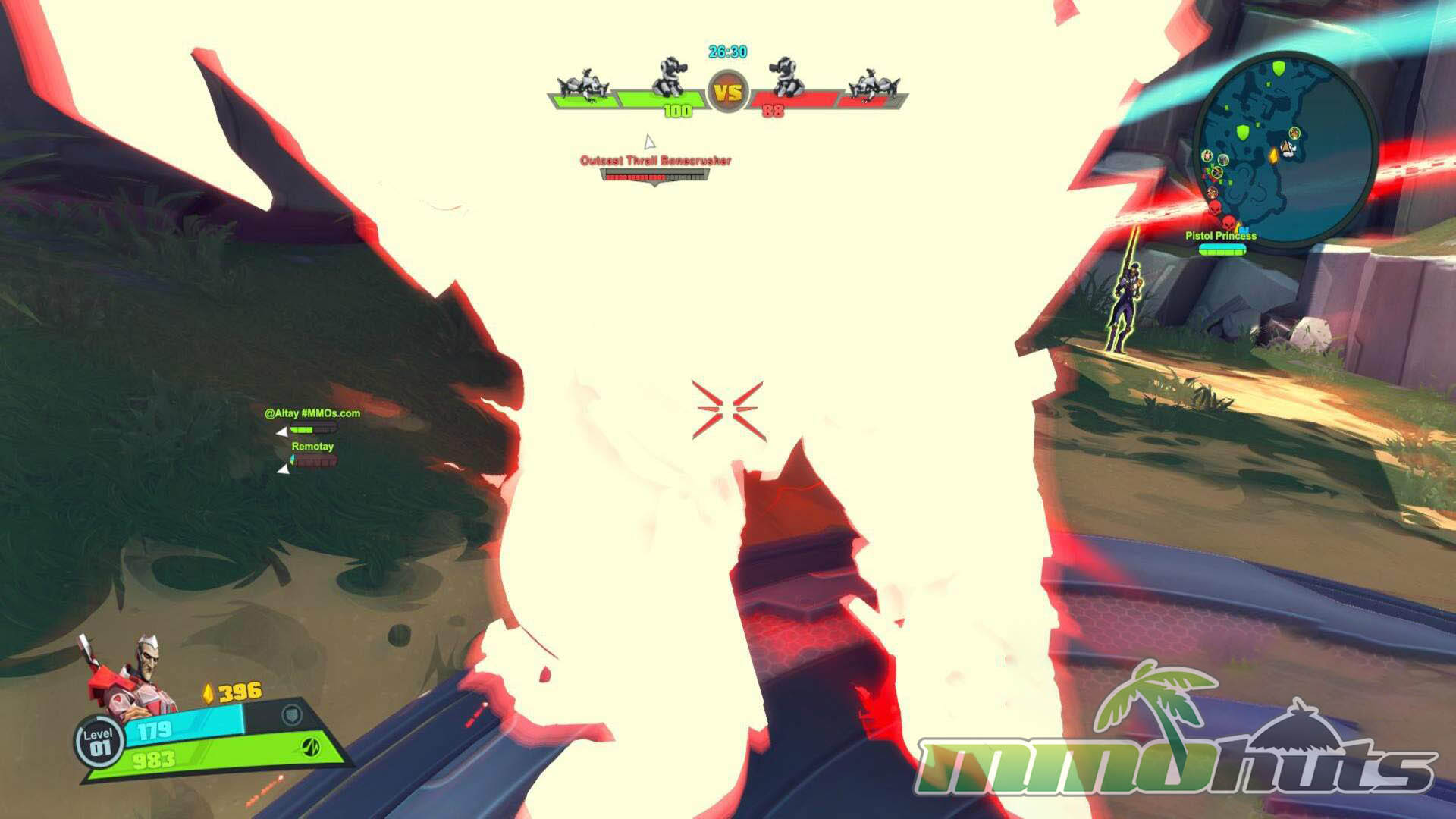
Battleborn Featured Video

Battleborn Review
Battleborn arrives as a loud, ability-driven arena FPS that leans hard into hero identity, constant upgrades, and team objectives. Between its 25-character roster, three PvP modes, and a mission-based campaign, it aims to offer a broader package than many arena shooters attempt. The real question is not whether there is content, it is whether that content stays engaging long enough to justify the grind and the learning curve.
A Stylish First Impression
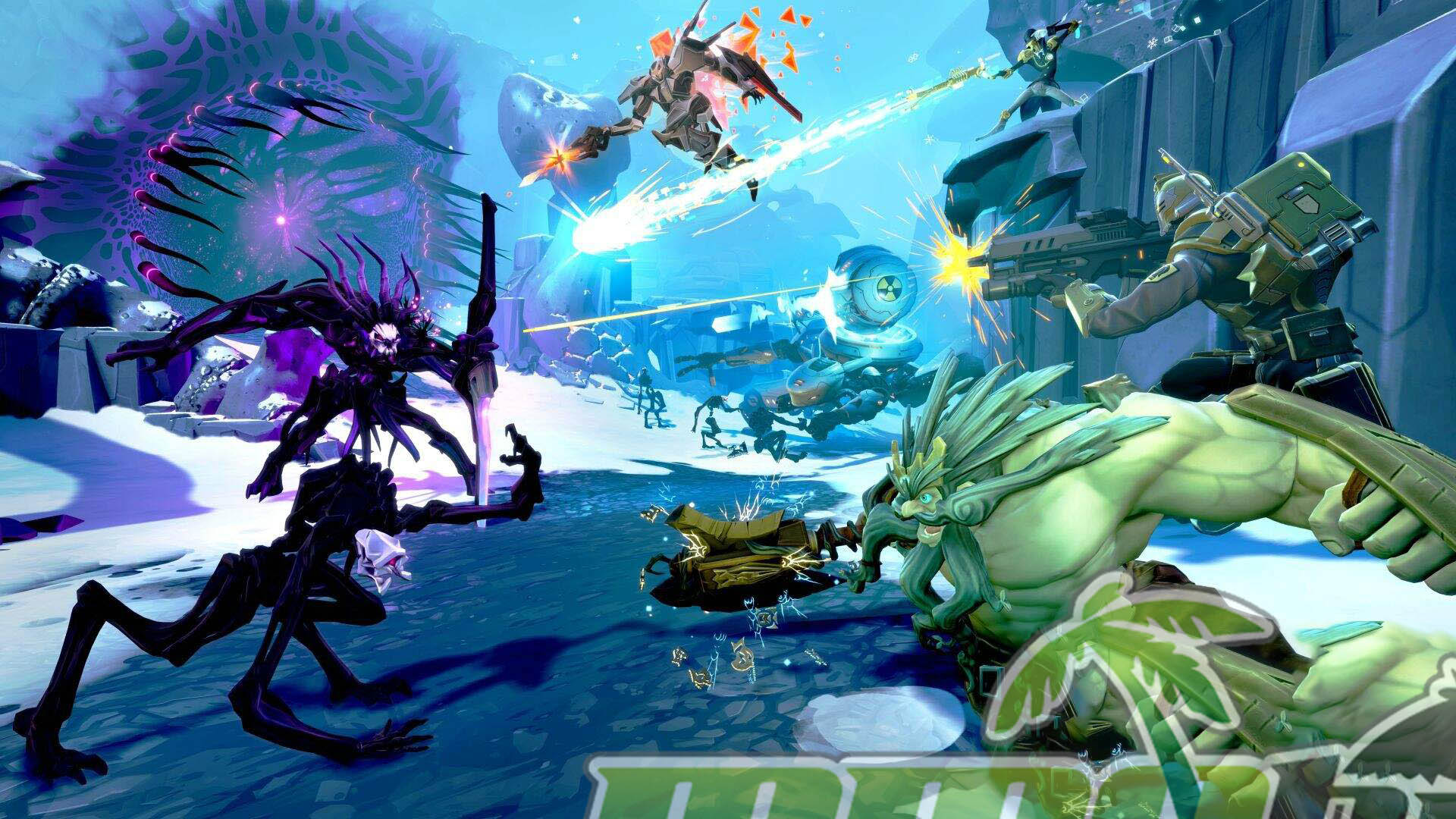
Hero shooters live or die on whether their cast feels memorable, and Battleborn puts effort into introducing its lineup. The opening sequence is exaggerated and animated, setting a tone that is more cartoon sci-fi than military shooter. It does a decent job of making the heroes feel like characters rather than loadouts, which matters in a game where you will likely main a few favorites.
The early missions double as onboarding, easing you into objectives, abilities, and the pace of combat. Visually, Battleborn commits to a bold palette and busy environmental detail, with sci-fi backdrops that keep the screen lively even when you are just rotating between lanes. It can look almost overwhelming at first, but once your eyes adjust, the clarity of silhouettes and effects helps you read chaotic fights more reliably than you might expect.
Campaign Variety Does Not Always Land
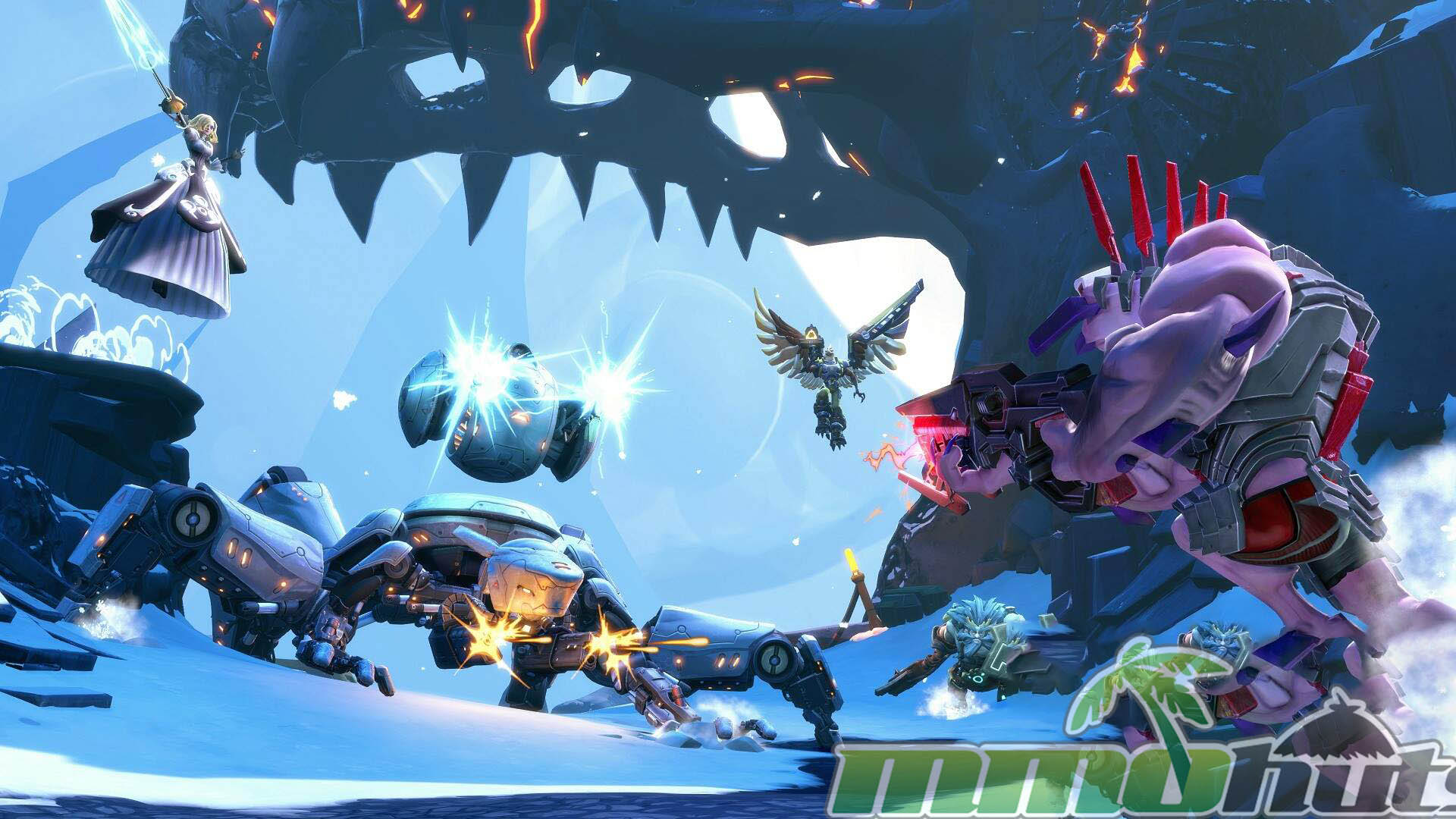
Battleborn’s PvE offering is structured as an episodic campaign that supports co-op or solo play. On paper, it is a strong addition for players who want something besides competitive queues. In practice, the missions often fall into a familiar loop: push through groups of enemies, hold an area against waves, then finish with a boss encounter that feels designed more for repetition than surprise.
Because missions can be selected in different orders, the narrative connective tissue can feel thin, and the bigger universe rarely becomes as compelling as the game’s initial setup suggests. The presentation is energetic, but the actual mission pacing tends to blur together once you have seen a few scenarios. The result is a campaign that works best as a cooperative activity, rather than a standout single-player shooter experience.
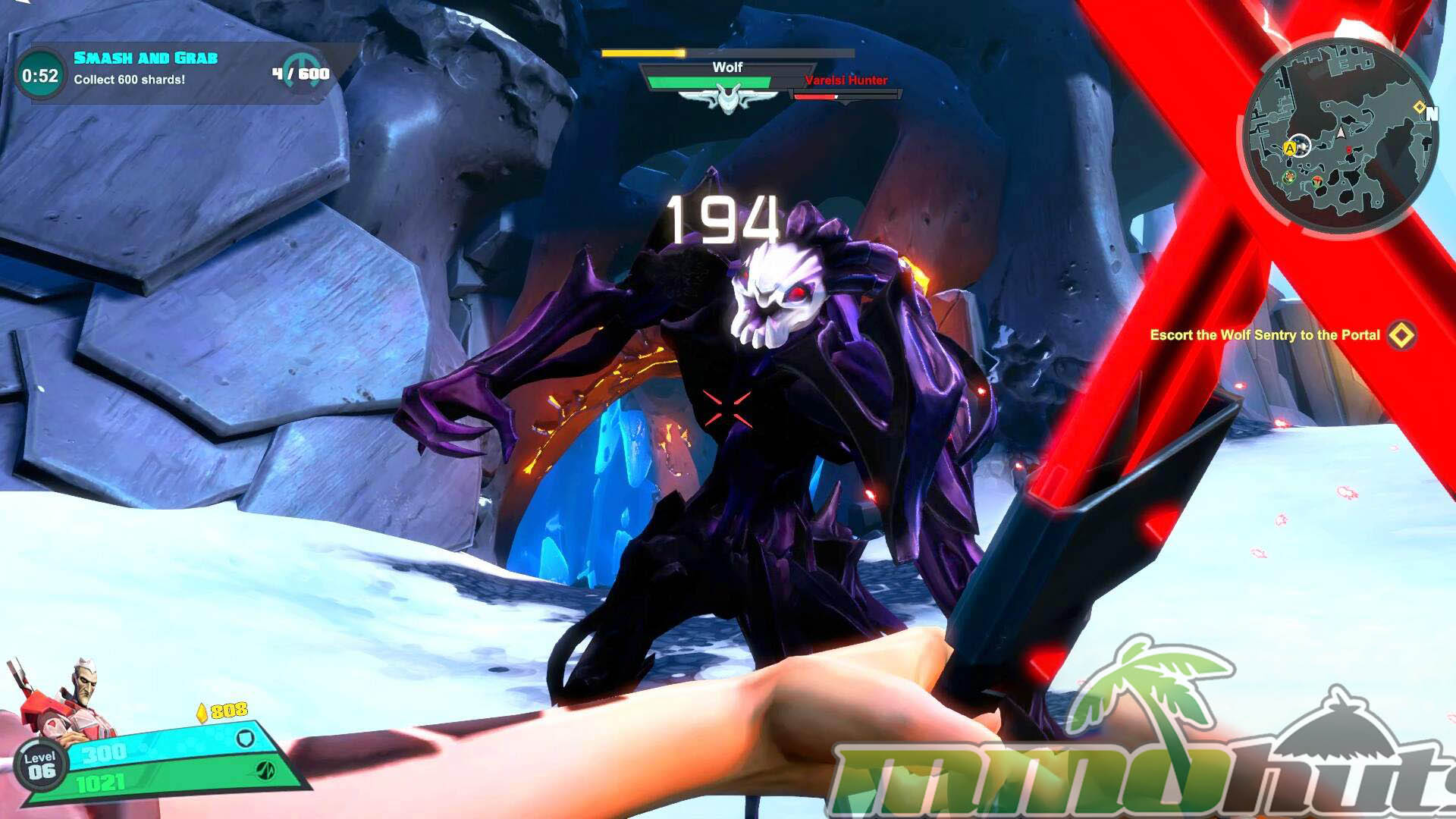
The writing leans heavily on quips and constant chatter. Some lines are charming, especially when they reinforce a hero’s personality, but the humor can also skew juvenile and repetitive across longer sessions. If you enjoy constant banter, it helps keep the mood light, but it does not do much to deepen the stakes of the story missions.
Still, the campaign has value for groups. Enemy pressure and objective defense can punish sloppy positioning, and success often depends on having complementary roles and responding quickly when threats spawn behind you. As a co-op shooter, it has moments of real teamwork, even if it does not reach the depth or variety of Gearbox’s best-known co-op work.
Where Battleborn Shines: Objective PvP
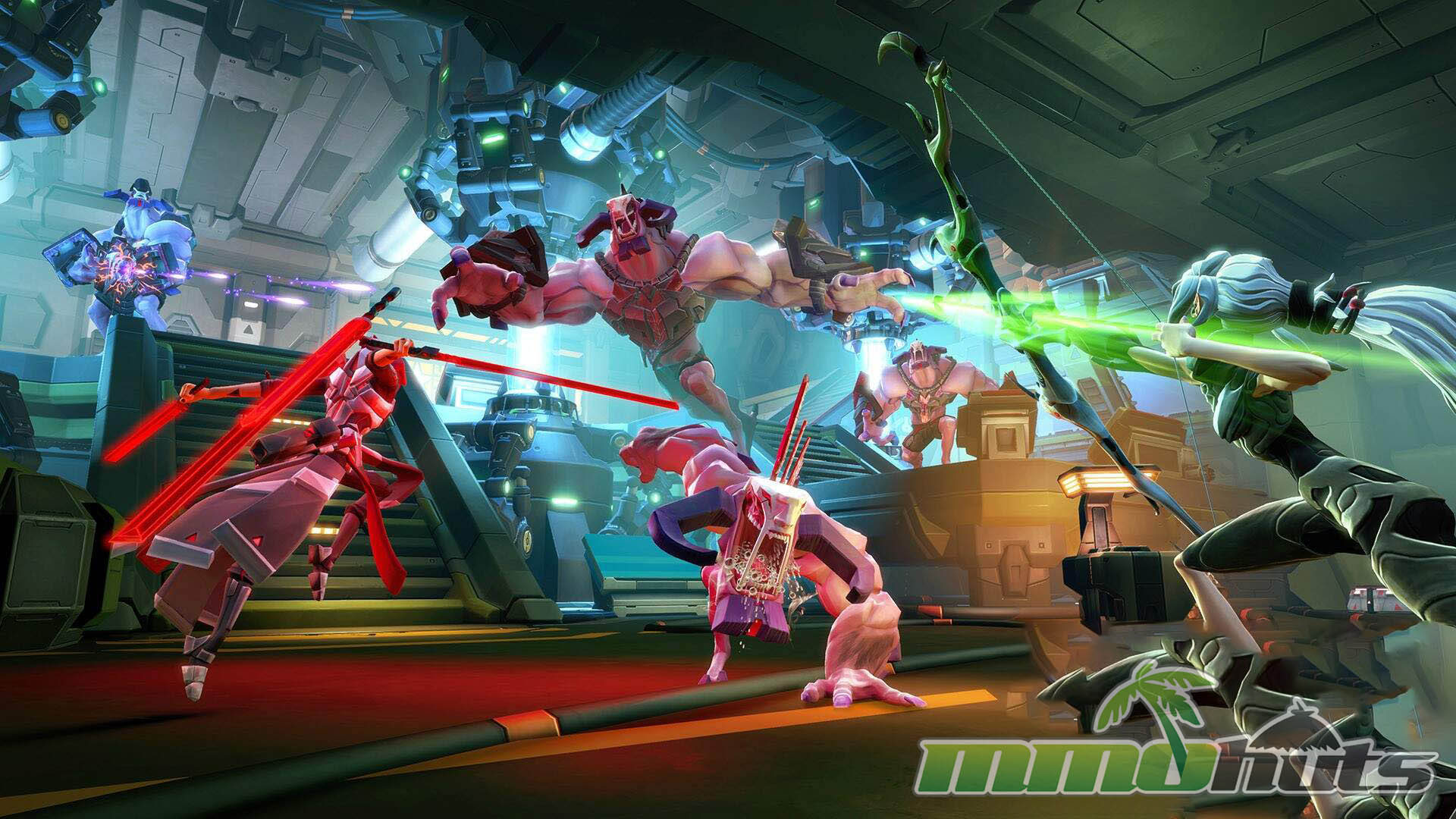
Battleborn is at its best in multiplayer, where its MOBA-inspired structure gives fights purpose beyond chasing kills. The modes encourage lane control, minion management, and smart use of map resources, and those priorities make teamwork feel meaningful.
Players can choose from three modes: Capture, Incursion, or Meltdown.
- Capture Maps: a straightforward objective mode where teams contest and hold points. Without minions, it becomes a more constant hero-versus-hero brawl built around rotations and timing.
- Incursion Maps: a lane-pushing mode focused on escorting minions, building defenses, and breaking through to destroy the enemy’s major base objective before they destroy yours. Neutral threats can be contested for advantages.
- Meltdown Maps: teams score by guiding minions into the enemy’s incinerator-style objective. Managing waves and winning key skirmishes determines how many units make it to the scoring zone.
Capture tends to reward awareness and dueling, while Incursion and Meltdown emphasize coordinated pushes and disciplined defense. Players who tunnel on their personal kill count often lose sight of what actually wins matches, namely controlling lanes, clearing minions, and securing objectives at the right moment.
Building the Map Matters
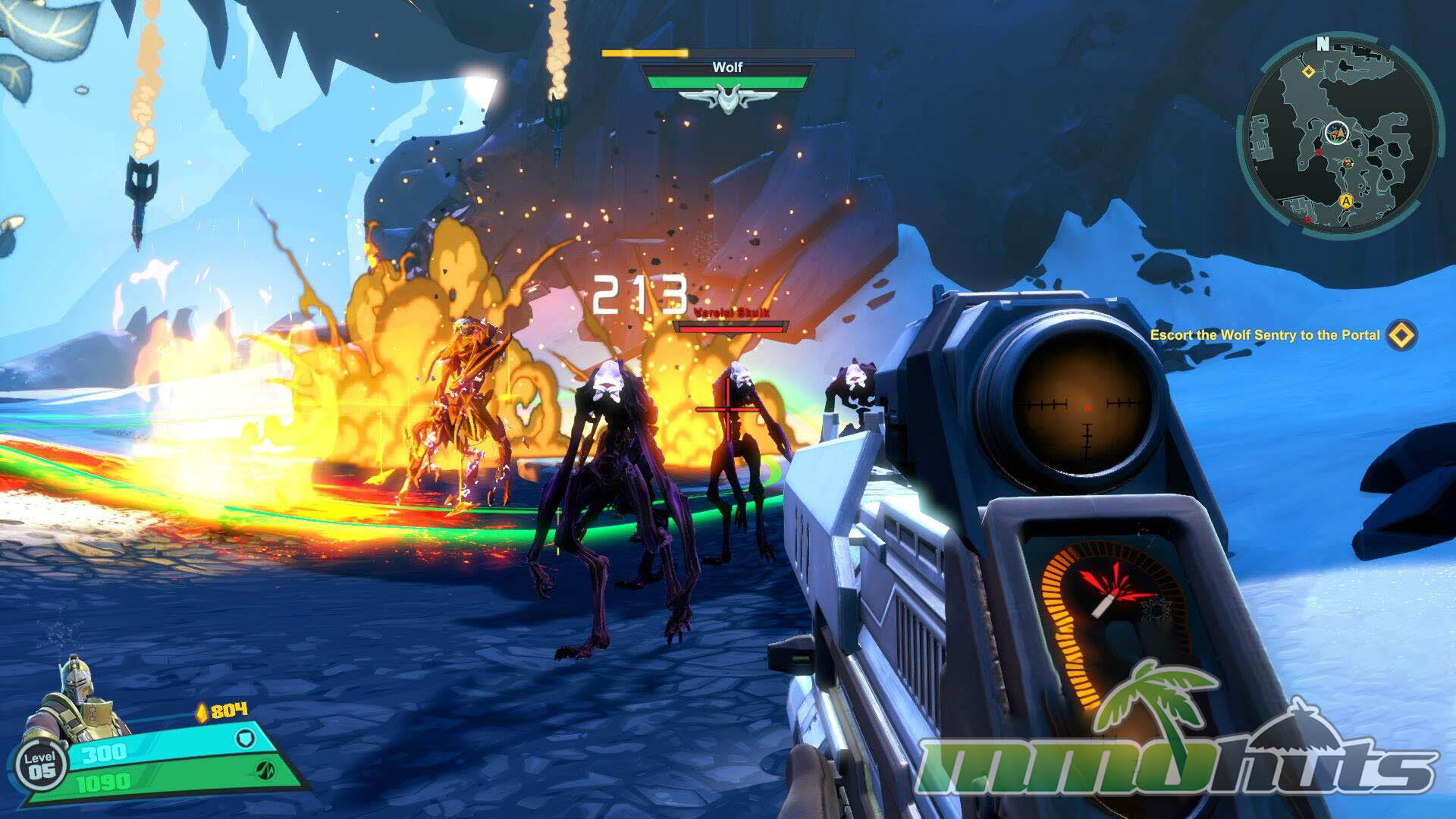
One of Battleborn’s more interesting twists is how it handles defenses. Instead of relying on permanent, pre-built towers, matches include build points that teams can activate by spending shards, a resource collected during play. This creates a layer of strategy that is closer to a MOBA’s macro decisions, but expressed through shooter movement and map control.
Since structures can swing a push or stabilize a lane, teams that invest intelligently often gain momentum. If the enemy takes control of an area, you can tear down their advantage and rebuild to reclaim it, which leads to a back-and-forth flow rather than a single irreversible collapse. When communication clicks, even matches that look lost can flip after a coordinated defense, a successful structure rebuild, or a well-timed objective push.
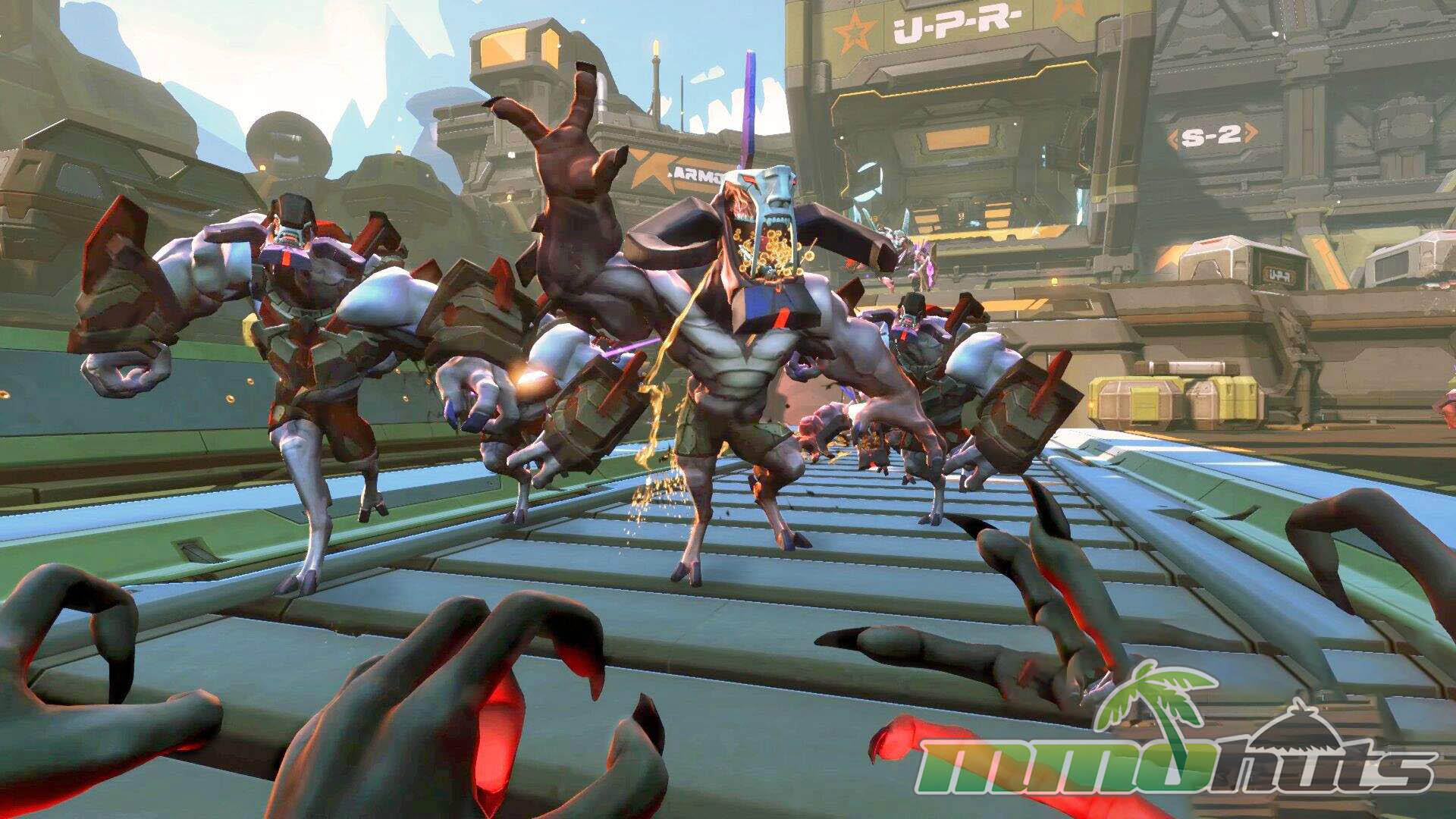
Battleborn also benefits from the fact that strong aim is helpful but not the only path to impact. Good decisions, role discipline, and awareness can make a support or builder-focused player feel just as valuable as a top fragger. In a genre that can sometimes overvalue mechanical skill alone, this balance makes the game more approachable, especially for teams willing to use voice or text communication.
A Big Roster, but a Slow Unlock Curve
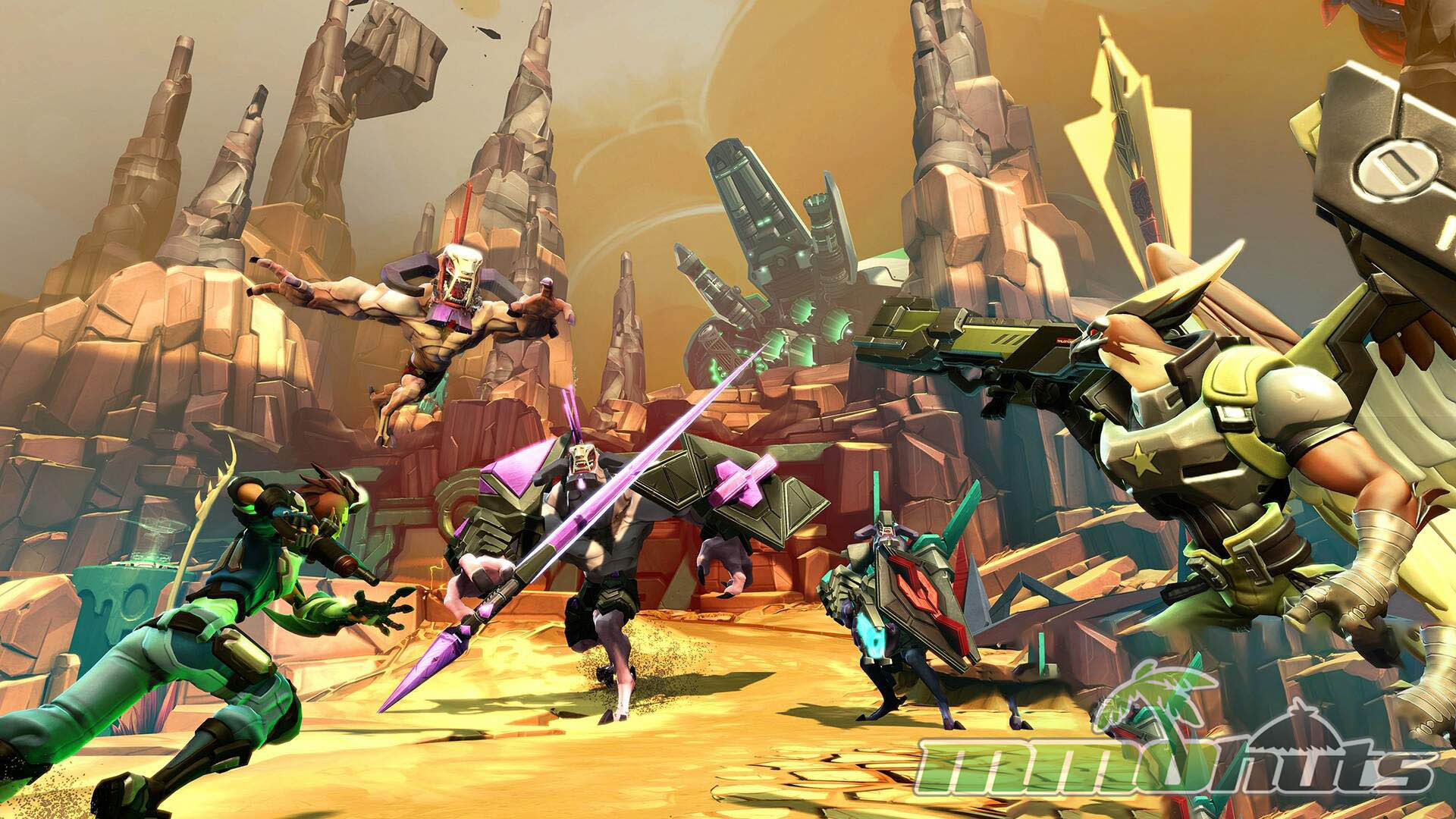
After the prologue, you start with only a small slice of the hero roster. The rest are unlocked through progression, which can be frustrating for players who want to experiment widely before committing to a main. If the initial selection does not click, it is easy to see how someone could bounce off before discovering a hero that fits their preferred role.
Unlocking is tied primarily to Command Rank, earned by playing any mode. Some heroes also have additional requirements, such as completing a specific kill milestone for a particular character. While none of this is especially complicated, it does ask for time, and the pace can feel like a barrier for newcomers who want immediate variety.
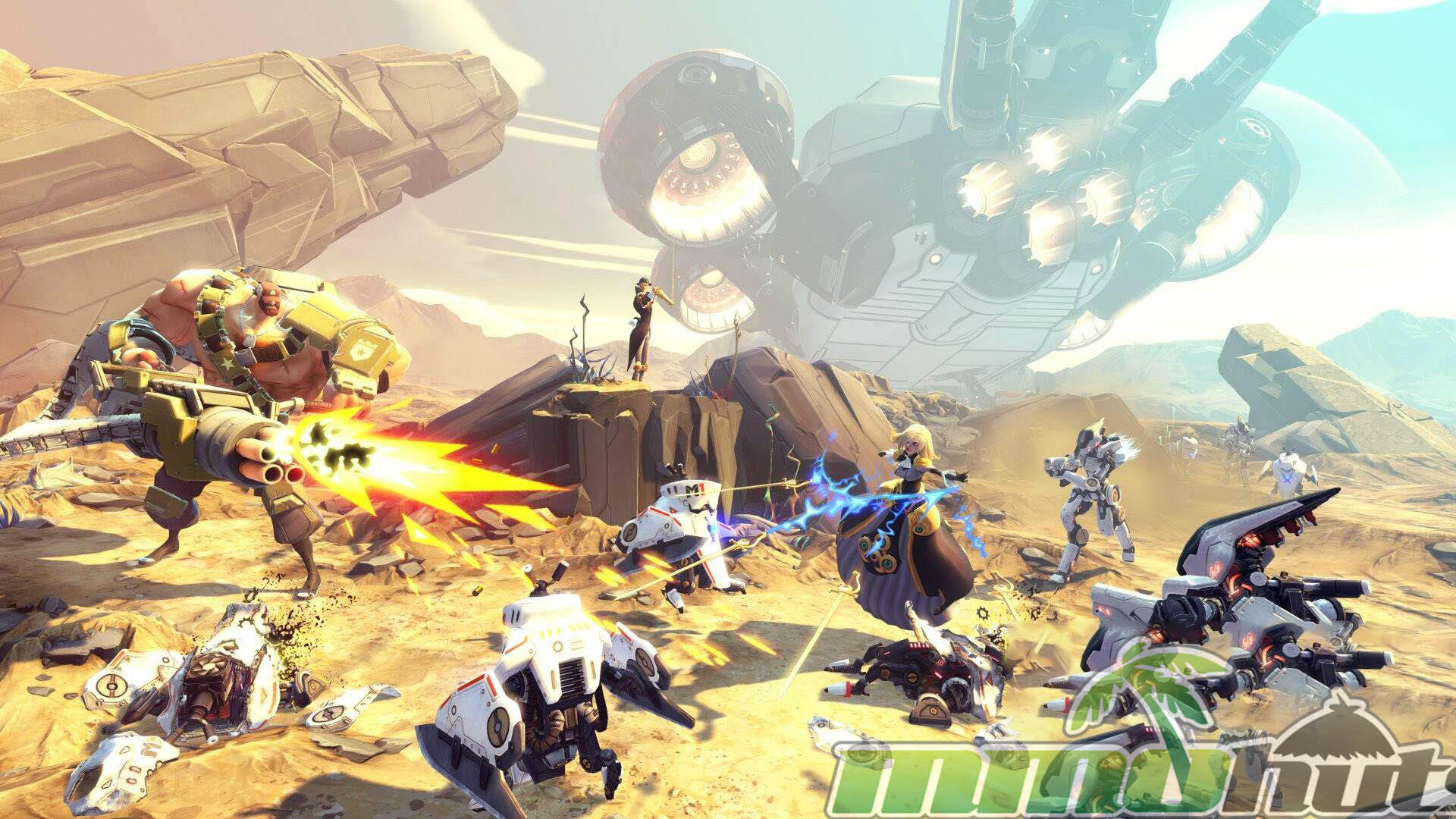
Beyond unlocking heroes, each character has their own leveling track, with 25 heroes and 15 character ranks each. That is a lot of progression, and it becomes the game’s main long-term hook. The rewards include cosmetics like taunts and skins, but progression also ties into gameplay through additional options and unlocks. That can create a mild imbalance between new players and veterans, though Battleborn’s objective focus softens the impact compared to pure deathmatch shooters. More options do not always mean strictly better power, but they do add flexibility and comfort for experienced players.
Overall, Battleborn is less of a quick, casual drop-in shooter and more of a time investment. It rewards players who enjoy improving with a small pool of heroes, learning maps, and gradually building account-wide progression.
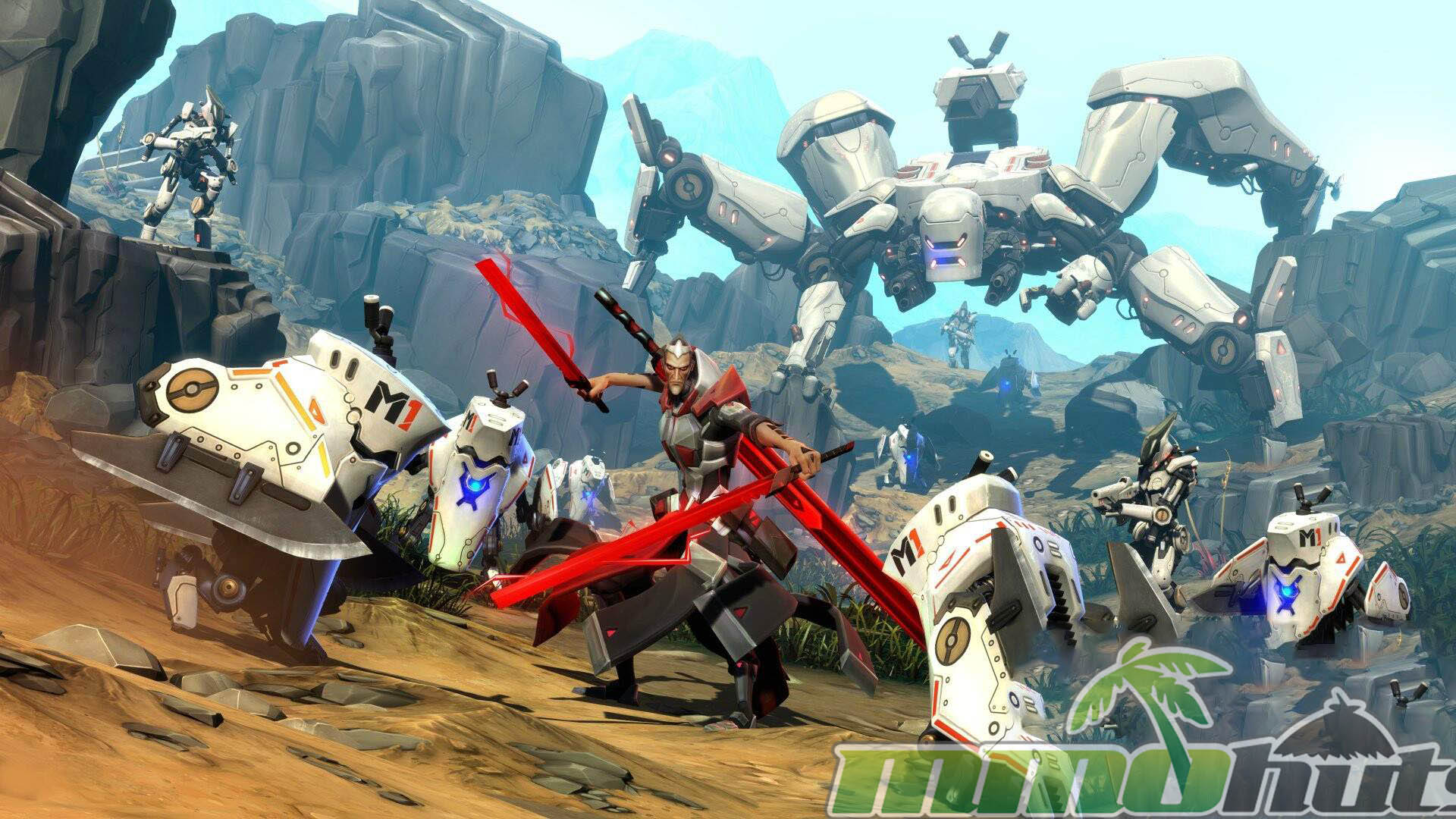
Gear and Stat Tweaks
Like many games in this space, Battleborn includes gear that modifies stats. By playing you earn items that provide bonuses, and you can also acquire gear through packs purchased with in-game currency. Loadouts allow up to three pieces, but gear is not simply active from the start, you must buy it mid-match using shards.
That creates an ongoing tradeoff: spend shards on personal power spikes, or prioritize building and upgrading structures that help the whole team. In most matches, investing in the map is the safer choice, but there are moments where movement speed, cooldown help, or other stats can be the difference between winning a fight and losing a push.
Final Verdict – Good
Battleborn delivers a generous feature set, with three PvP modes, a co-op friendly campaign, and deep hero-by-hero progression that can keep dedicated players busy for a long time. Its main weakness is that the story missions often feel formula-driven, and the humor will not work for everyone. Where it succeeds is competitive play, where objectives, shard management, and buildable defenses create matches that reward coordination more than raw kill chasing.
For players who enjoy leveling systems, learning a roster, and playing around team objectives, Battleborn’s multiplayer design provides a satisfying loop. If you want a campaign-first shooter or immediate access to the full cast, its structure can be harder to recommend.
Battleborn Links
Battleborn Official Site
Battleborn Developer Website
Battleborn Wikipedia Page
Battleborn Wikia (Database / Guides)
Battleborn System Requirements
Minimum Requirements:
Operating System: Windows 7 64 bit
CPU: Core i5-680 3.6GHz or Phenom 9950 Quad-Core Black Edition
Video Card: GeForce GTX 260 or Radeon HD 4890
RAM: 6 GB
Hard Disk Space: TBD
Recommended Requirements:
Operating System: Windows 7 64 bit
CPU: Core i5-2500S 2.7GHz or Phenom II X6 1045T
Video Card: GeForce GTX 580 or Radeon HD 6970 Lightning Edition
RAM: 8 GB
Hard Disk Space: TBD
Battleborn Music & Soundtrack
Coming Soon!
Battleborn Additional Information
Developer(s): Gearbox Software
Engine: Unreal Engine 3
Other Platforms: Playstation 4, Xbox One
Announcement Date: July 08, 2014
Closed Beta: October 29, 2015
Open Beta: April 13, 2016 – April 18, 2016
Release Date: May 03, 2016
Shut Down: January 2021
Development History / Background:
Battleborn is developed by independent video game development studio Gearbox Software, also responsible for the 2009 release Borderlands. It was announced through Game Informer on July 08, 2014, and it is scheduled to release across all platforms on May 03, 2016. A Closed Beta test was held on October 29, 2015 and was under an NDA. Open Beta began on April 13, 2016 and lasted until April 18, 2016. Battleborn was fully released on May 03, 2016. On October 03, 2016 2K announced a new game mode would be added to Battleborn, called Face-Off, and would released on October 13, 2016. Face-Off launched alongside the first DLC Story operation titled “Attikus and the Thrall Rebellion.” On Novemeber 25, 2019 Gearbox announced plans to close Battleborn servers in January 2021. Players who already own the game will be able to continue playing until that time.