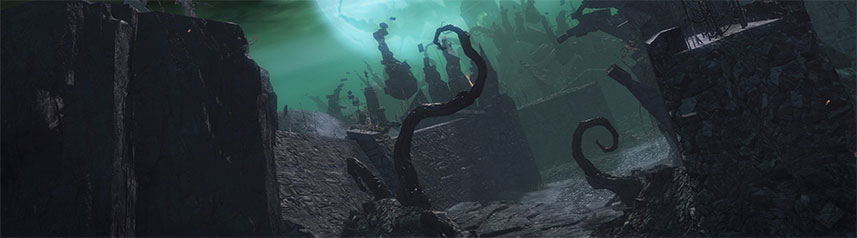
Angel Stone is a free-to-play mobile dungeon-crawling action RPG built around quick, stage-based runs, flashy 3D visuals, and a grim, end-of-the-world fantasy backdrop. It mixes tap-to-move combat with simple gesture inputs for skills, then layers in an unusual pre-stage “route planning” mechanic that affects what fights and rewards you encounter. Between solo progression, real-time co-op, and competitive modes, it aims to deliver a Diablo-like loop in short sessions that fit mobile play.
 | Publisher: Fincon Playerbase: High Type: Mobile RPG Release Date: July 30, 2015 Pros: +Sharp, high-end 3D visuals for a mobile ARPG. +Bleak dark-fantasy atmosphere and creature design. +Route-drawing stage system adds a light tactical layer. +Tap and swipe controls feel approachable on touchscreens. Cons: -Automation options can reduce engagement early on. -Energy limits how long you can run stages in a single stretch. |


Angel Stone Overview
Angel Stone is a 3D, stage-driven action RPG from Fincon, the studio behind the social RPG Hello Hero. The premise drops you into a crumbling world under siege by undead and demonic forces, with the Resistance acting as your anchor as you push through instanced areas and boss encounters. Instead of open-world roaming, the game is structured as short missions that reward quick play sessions and frequent upgrades.
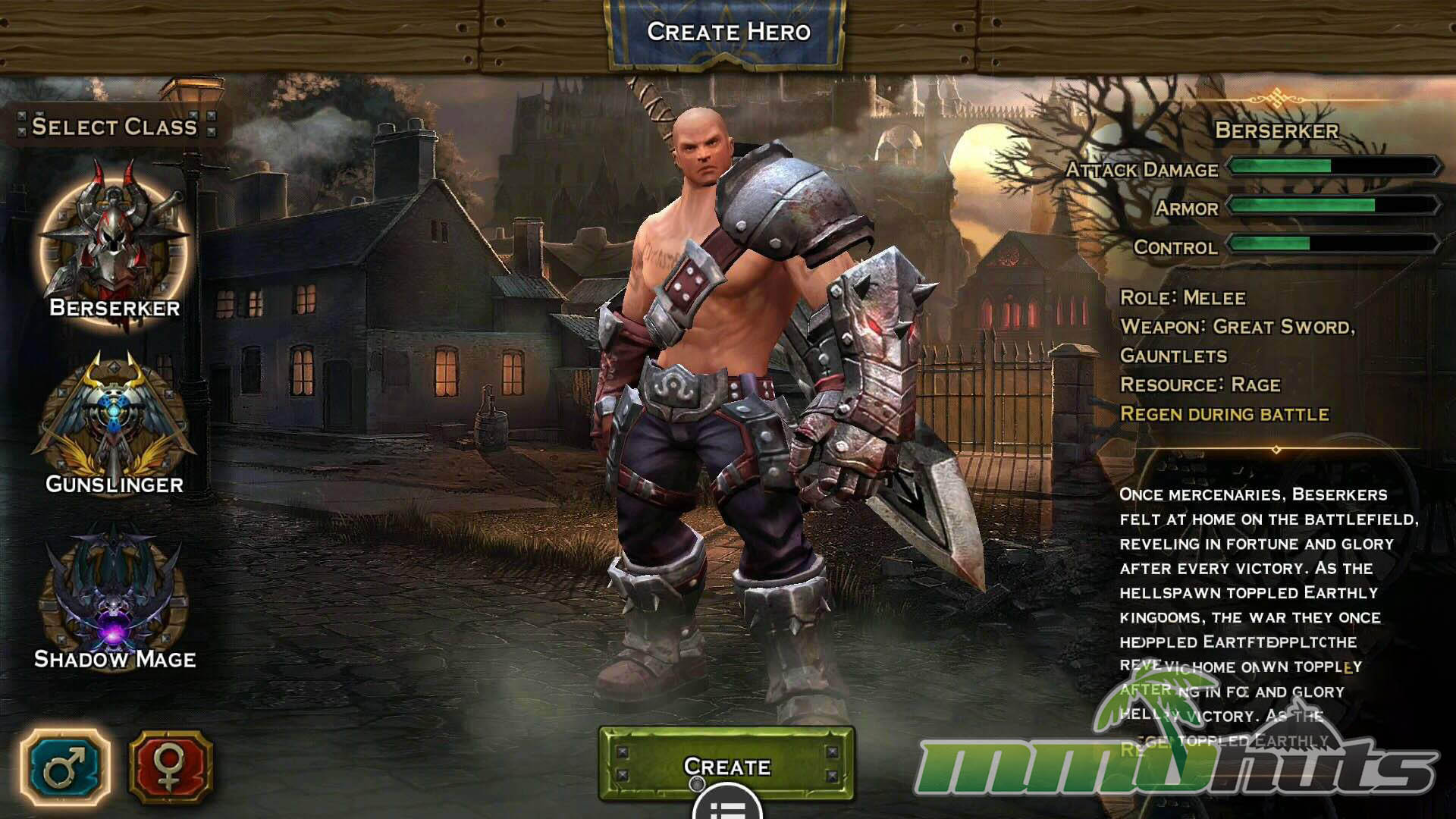
At the start you pick from three distinct classes, Berserker, Gunslinger, or Shadow Mage, each with its own resource system and combat rhythm. Progression revolves around clearing dozens of stages, collecting gear, and assembling a skill loadout from a large pool of unlockable abilities. Along the way, Angel Stone supports real-time co-op content and PVP, giving it a more social endgame than many purely offline mobile dungeon crawlers.
Angel Stone Features:
- Dark Fantasy World – Battle through a ruined, demon-haunted setting, delivered as instanced areas broken into bite-sized stages.
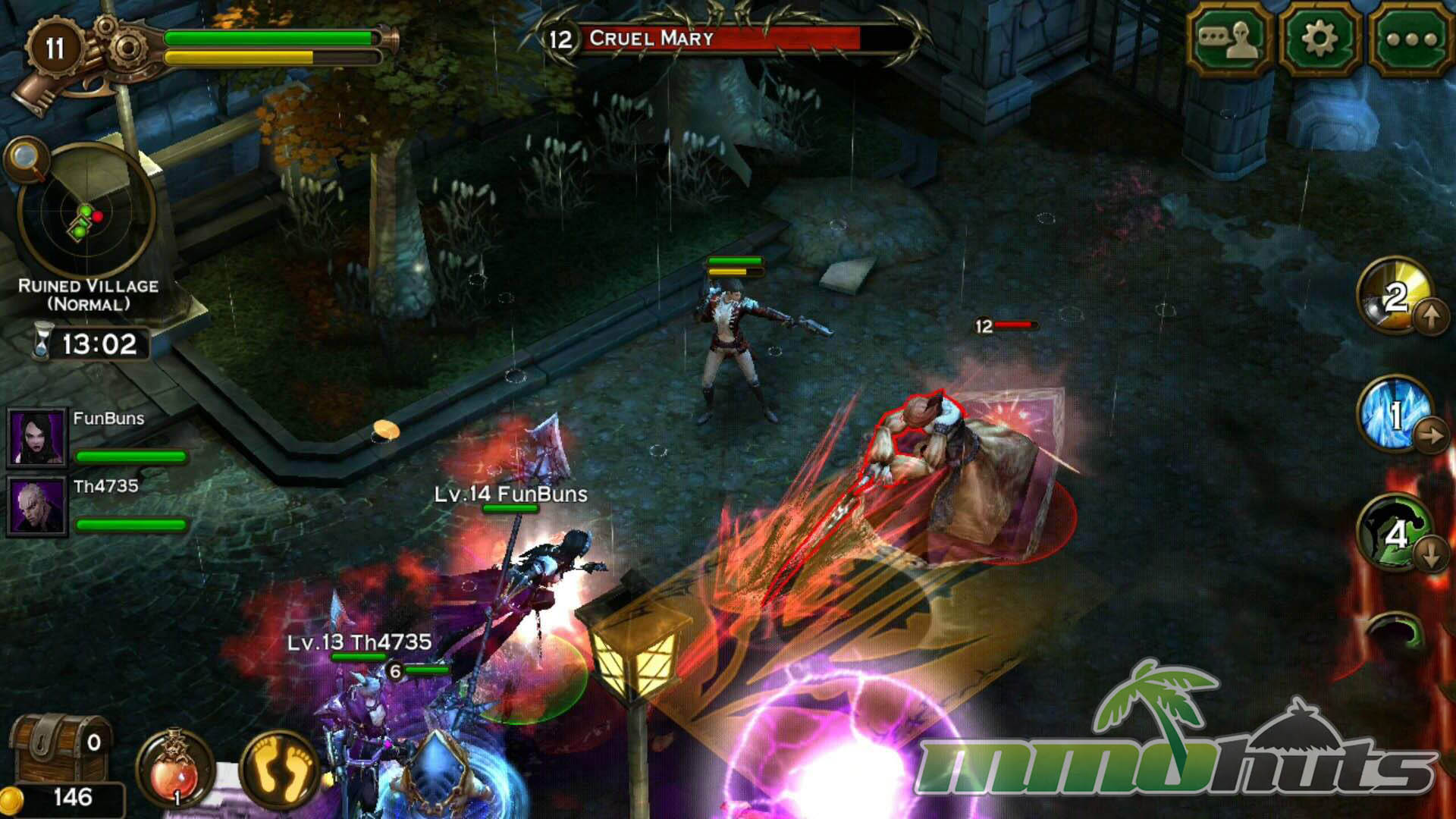
- High Quality 3D Graphics – Detailed environments, strong character models, and flashy effects powered by the Unity Engine.
- Action Combat with Gesture Controls – Tap-to-move and swipe-based skill inputs make it easy to play on a touchscreen while staying action-focused.
- Over 100 Skills – Unlock and upgrade a large library of abilities to shape your build and experiment with combinations.
- Co-op Party System – Queue into real-time co-op to tackle tougher encounters and earn stronger rewards.
Angel Stone Screenshots







Angel Stone Featured Video

Angel Stone Review
Angel Stone is Fincon’s attempt to bring a console-styled action RPG feel to mobile, packaged in a free-to-play structure that emphasizes short, repeatable missions. The marketing leaned heavily into stylish, high-impact action, but in practice the game’s core loop feels closer to a streamlined Diablo-like: clear compact dungeons, collect loot, refine your skills, then repeat at higher difficulty. It launched globally on July 30, 2015 and is designed to be accessible, with systems that help you keep moving even in quick play windows.
What stands out most is how confidently it presents itself. From lighting and environment detail to enemy silhouettes and spell effects, Angel Stone aims for a premium look that is not always common in mobile ARPGs. Under that presentation is a fairly traditional progression structure, but with a couple of clever twists, particularly the stage route system and the way skills are unlocked and improved.
Character Options and the Three Classes
Angel Stone begins with a simple choice: pick a class and a male or female character. The three classes are meaningfully different, not just in weapon visuals, but also in how they manage resources and approach fights.
Berserker is the heavy melee archetype, built around durability and close-range pressure while spending Rage to trigger abilities. Gunslinger plays from range with muskets and revolvers, leaning on Focus that refreshes in intervals, which encourages bursts of skill use between basic attacks. Shadow Mage sits in the middle, mixing melee-range positioning with dark magic, supported by Mana that regenerates steadily. In practical play, Shadow Mage tends to feel like the most flexible option, while Gunslinger rewards spacing and Berserker rewards commitment and timing.
Customization is mostly gear-driven. Weapons and armor do a lot of the visual work, but there is no deep appearance editing during initial creation, so personalization comes later through equipment choices rather than sliders.
Route Planning: The Stage Path Mechanic
The game world is organized into Acts, each containing stages that you clear in a linear campaign flow. The twist is what happens right before you enter a stage: you are shown a 3×3 grid layout and asked to draw your route from start to finish. Each tile can hide rewards, enemies, or special pickups (including items tied to skill progression), and some tiles are blocked, forcing you to make tradeoffs.
This small planning step gives stages a bit of replay value, because you cannot scoop up everything in a single run. If you want a specific reward type, you may need to come back and take a different line through the grid. Once inside the stage, the route dictates where you go as you fight through enemy waves and end with a boss encounter. Runs are intentionally short, often only a few minutes, which fits the mobile format well.
The main limiter is the energy system. Stages consume energy and it refills over time, so long sessions eventually turn into a stop-and-wait cycle unless you use items or premium options.
Visual Presentation and Atmosphere
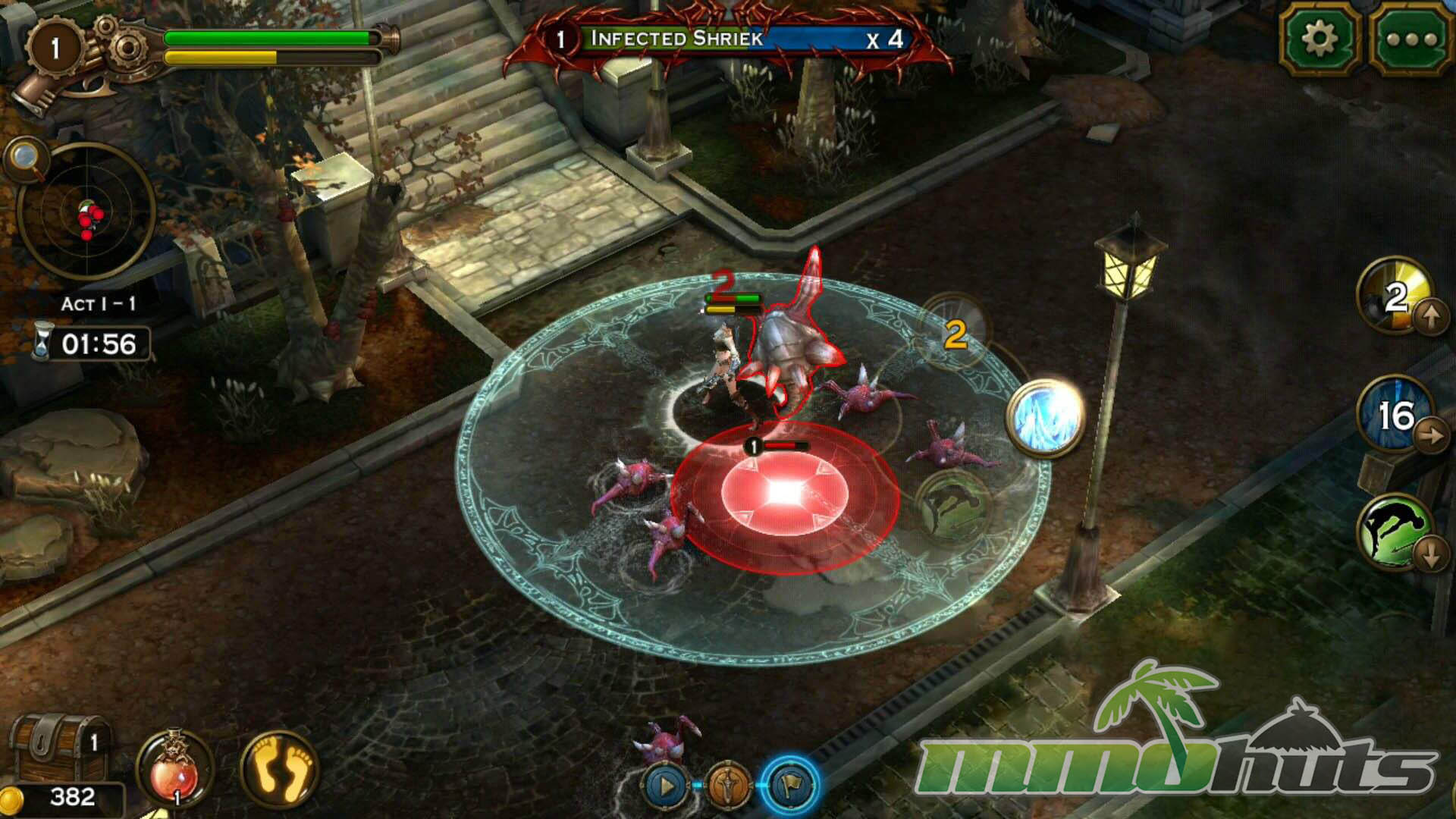
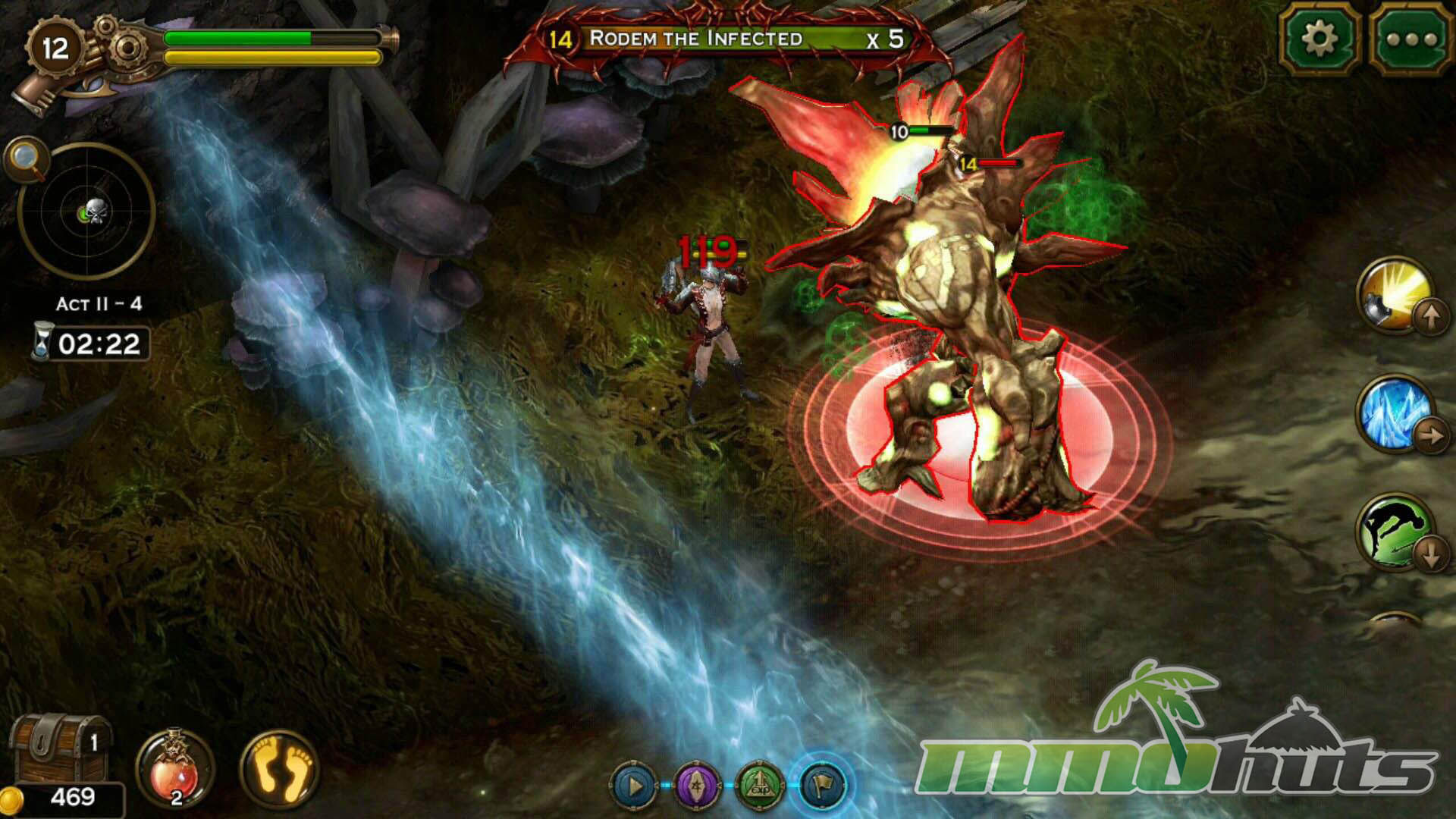
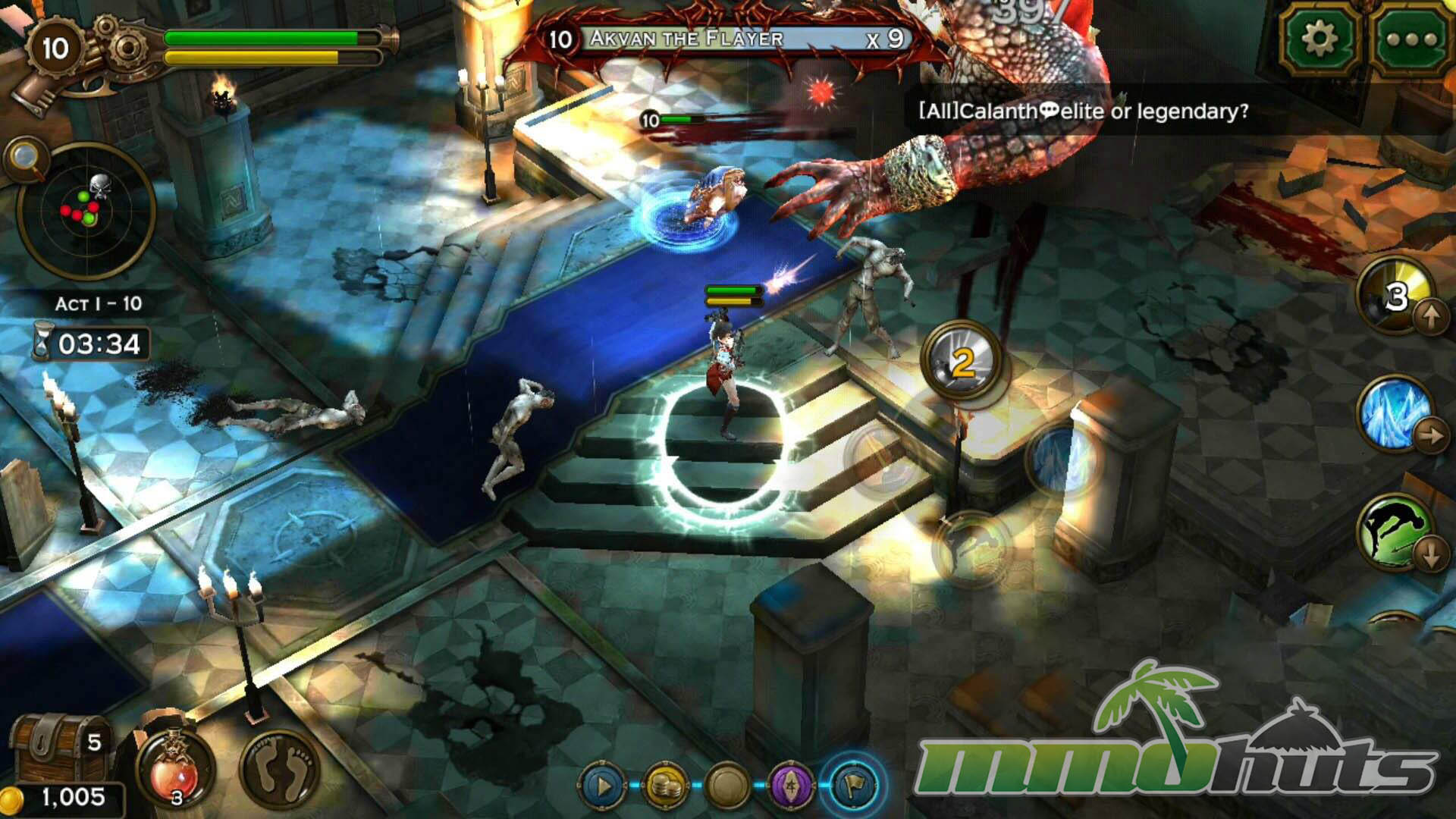
Angel Stone’s graphics are one of its biggest selling points. Built on the Unity Engine, it delivers strong environment detail, readable combat effects, and fluid character animation for the platform. The art direction leans into bleak fantasy: ruined structures, gloomy weather, and monster designs that stick to undead and demonic themes.
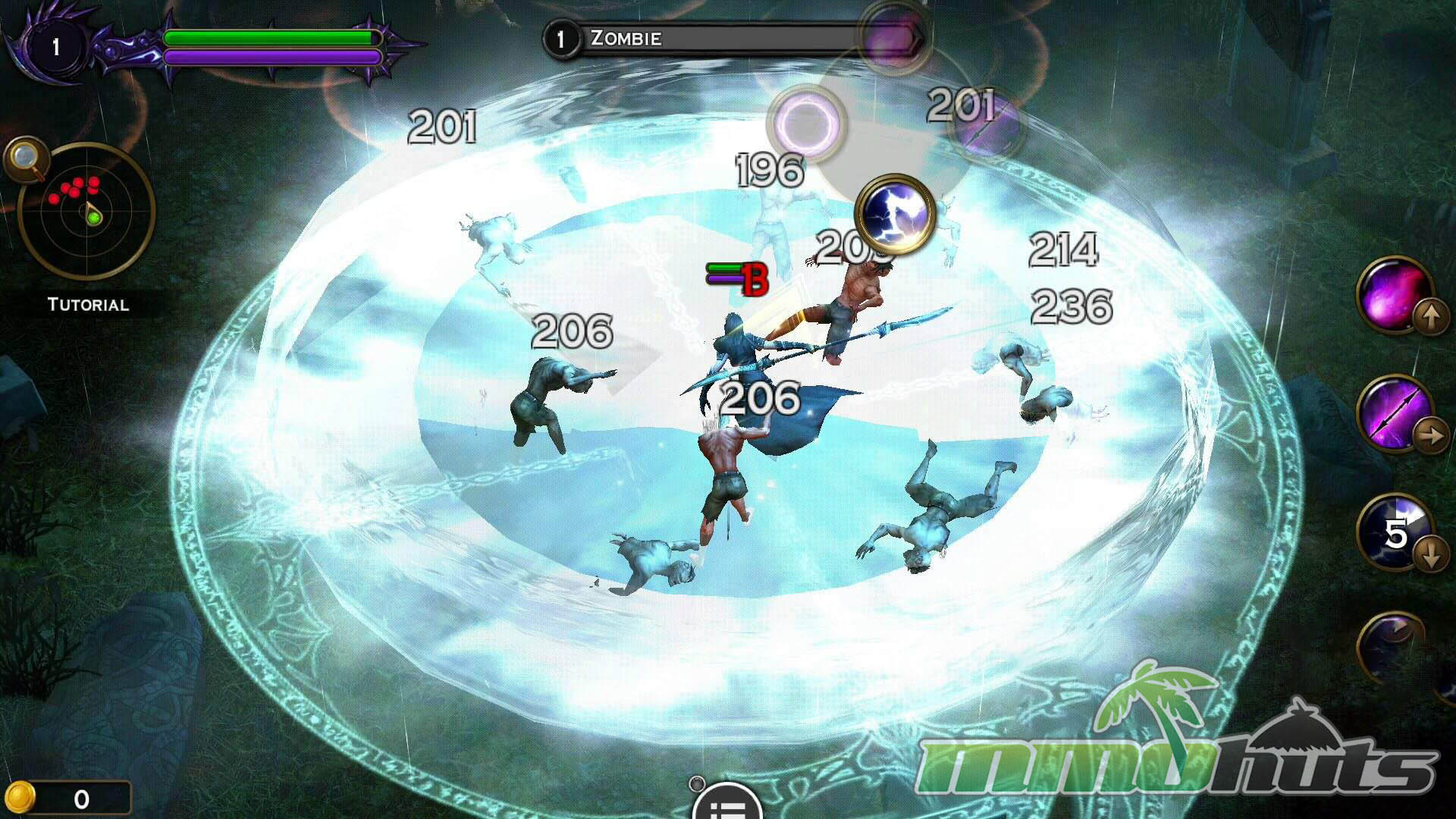
Enemy variety includes the expected mix of shambling undead, smaller demonic pests, and larger elite threats, with bosses designed to feel imposing. Effects-heavy skills, especially area attacks, look satisfying without completely obscuring the battlefield. Animations generally communicate impact well, which helps combat feel weighty even when you are playing in short bursts.
Combat Controls: Tap, Swipe, and Optional Automation
Instead of the common mobile twin-stick approach, Angel Stone relies on tapping to move and targeting enemies by tapping them to attack. Skills can be triggered via icons, but a major part of the identity is gesture casting, swiping in specific directions to activate assigned abilities. Once you acclimate, it is a fast system that suits one-handed or quick play better than a virtual stick in some situations.
There are also automation aids. An auto-move and auto-attack option can carry you through easier content, while a separate “move toward the nearest enemy” style button helps you keep pace without fully taking over. Early on, these features can make the experience feel hands-off, but as difficulty ramps up, manual control becomes more valuable. Dodging, positioning, and timing your skill chain matters more against tougher enemies and bosses, so the game is not purely an idle experience even if it allows some convenience.
Skills, Shards, and Build Experimentation
Character building centers on skills, and Angel Stone offers a large pool to collect. Skills are tied to Angel Stone Shards, which you often encounter through the stage route system, plus occasional story-related unlocks. Collect enough shards for a given ability and you can unlock it, then continue collecting shards to push it further.
Upgrading is split between gold-based leveling and shard-based enhancement, so your progression is a combination of playtime, smart farming, and choosing which abilities deserve investment. The skill list covers a typical ARPG spread: single-target damage, area effects, debuffs, self buffs, healing options, and even summons that fight alongside you. Because gestures are simple directional swipes, the system remains readable and practical, even when your loadout gets more complex.
Co-op, Social Features, and PVP
Beyond solo stages, Angel Stone includes global chat and real-time co-op. Matchmaking groups you with up to two other players for special co-op maps tied to each Act. Co-op is not available everywhere, instead it is focused into specific stages, and you must clear the Act’s solo content to unlock its co-op version. This gating helps ensure players understand the basics before stepping into longer, harder runs.
Co-op missions tend to be more demanding and more rewarding, handing out more experience, gold, and gear than typical solo stages. The downside is that co-op has its own energy-like limitation, so it becomes a daily activity rather than something you can grind endlessly. Also, because many players lean on automation, teamwork can feel more like parallel play than coordinated strategy.
Real-time PVP is included as well, though it can feel unconventional compared to dedicated arena fighters, with a flow that can resemble PVE encounters where other players happen to be present and hostile.
Cash Shop and Monetization
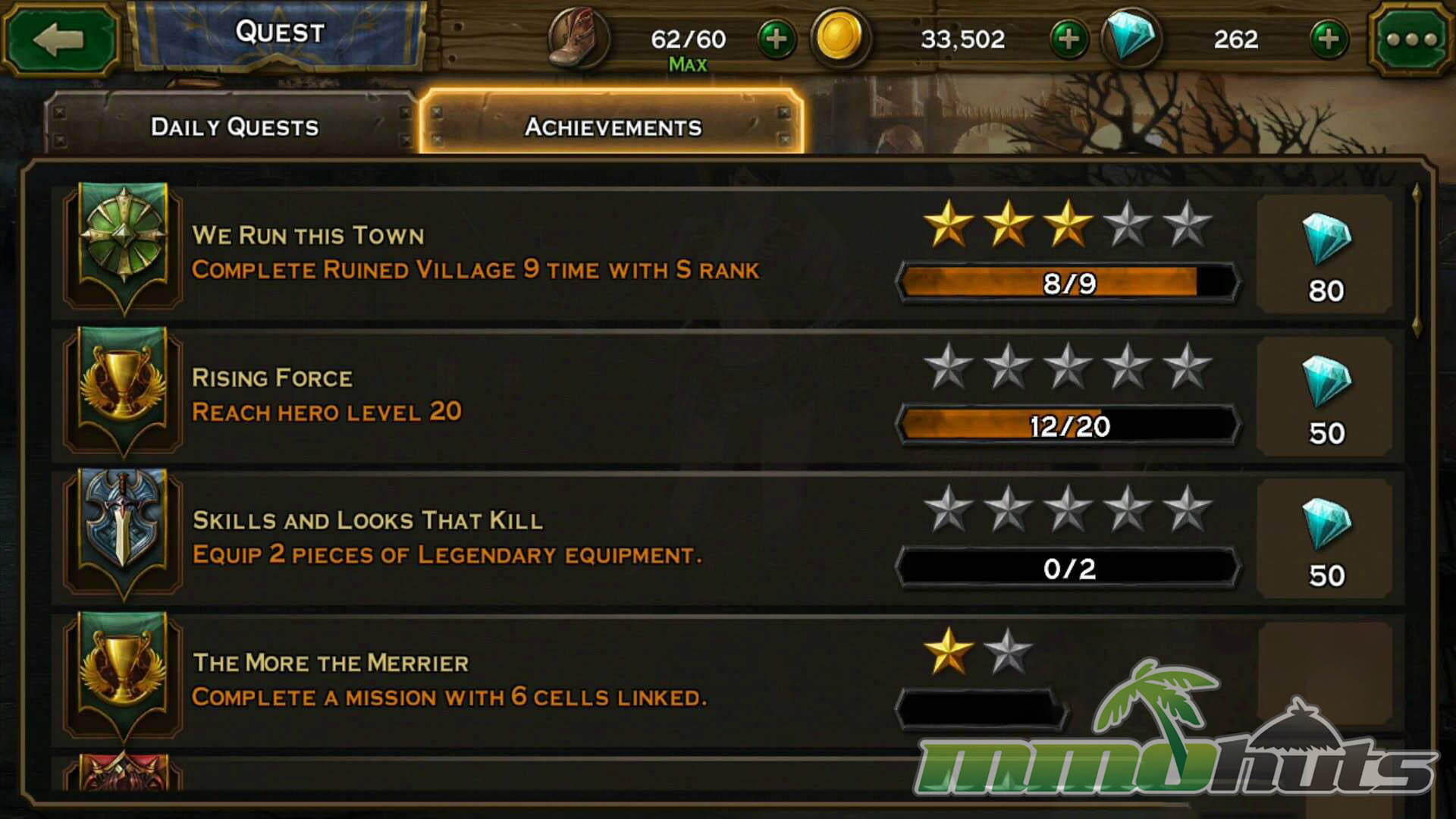
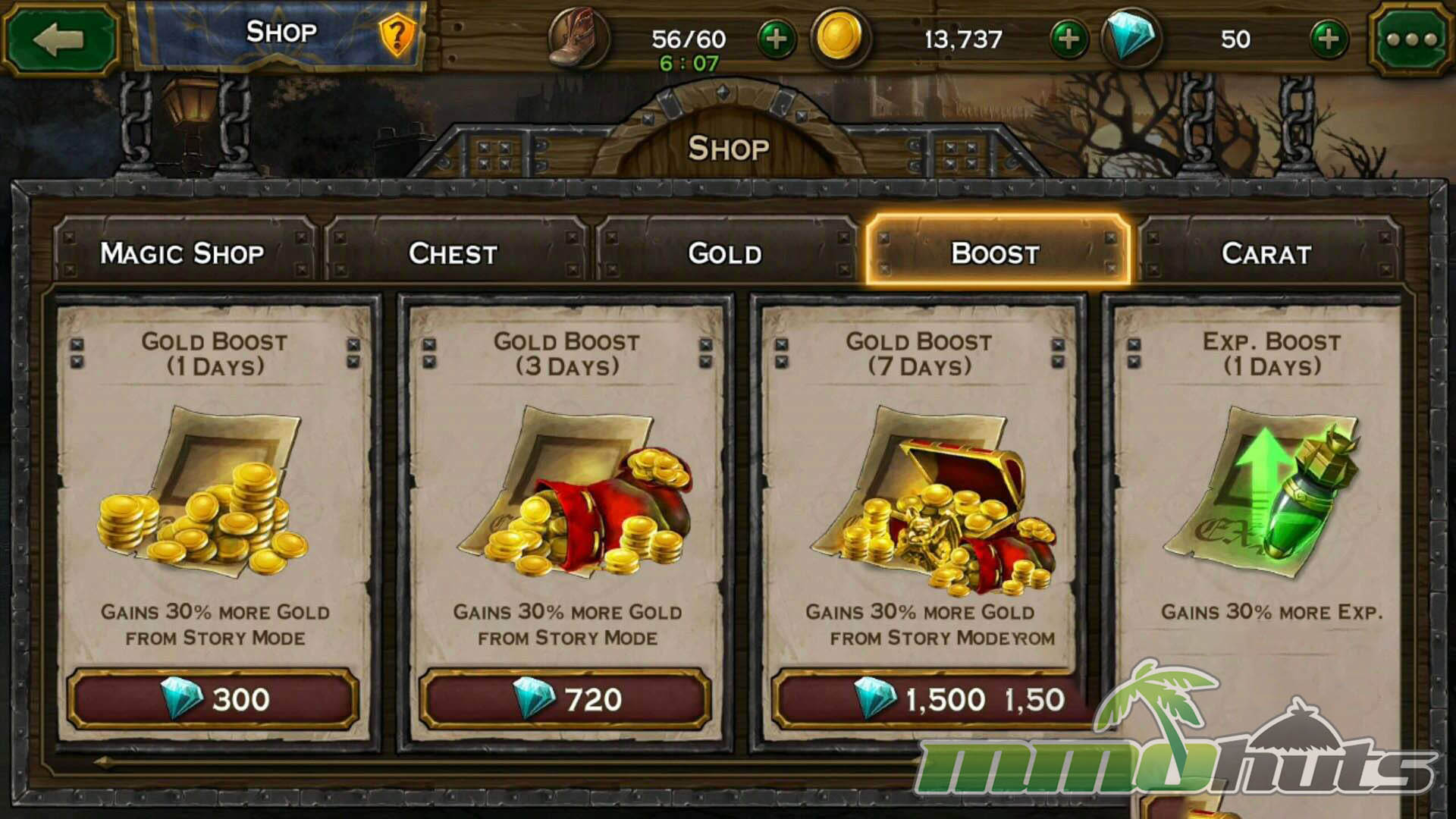
Angel Stone’s shop is structured around a premium currency called Carats, but it is relatively generous with free sources through logins, achievements, and quests. The Magic Shop rotates its offerings every couple of hours, letting you buy gear and Angel Stone Shards using either gold or Carats. The number of visible item slots starts small, and additional slots can be purchased.
Carats are also used for chests that can contain skills, gold, boosts (such as increased gold and experience), and energy refills. There is a free chest available on a timer as well, which can occasionally include premium currency. Spending can accelerate progress and reduce downtime, particularly around energy, but the overall structure does not feel like it forces an immediate paywall if you are comfortable replaying stages for upgrades.
Final Verdict (Overall): Great
Angel Stone delivers a polished mobile ARPG with standout graphics, a consistent dark-fantasy tone, and a couple of genuinely interesting systems, especially stage route planning and shard-based skill progression. The automation options and energy constraints can undercut longer play sessions, but the core combat and build experimentation are strong enough to recommend for players who want a Diablo-like loop in mobile-friendly missions.
Angel Stone Links
Angel Stone Official Site
Angel Stone Google Play
Angel Stone iOS
Angel Stone Facebook Page
Angel Stone System Requirements
Minimum Requirements:
Android 4.0 and up / iOS 7.0 or later
Angel Stone Music & Soundtrack
Coming Soon…
Angel Stone Additional Information
Developer: Fincon
Publisher: Fincon
Platforms: Android, iOS
Release Date: July 30, 2015
Angel Stone was developed and published by Fincon, a Korea-based mobile developer led by founder Chung-gil Yu. The company built its reputation with Hello Hero, a hero-collecting RPG that reached over 14 million downloads worldwide, and Angel Stone followed as a second project with similarly high production values and a more action-focused direction. The game ran a short closed beta test from June 11, 2015 to June 15, 2015, then launched globally on July 30, 2015. It also surpassed over 100,000 downloads within its first week on Google Play, signaling strong early interest from players looking for a visually impressive, combat-driven RPG on mobile.