9Dragons is a Ming Dynasty era martial arts MMORPG that leans heavily into classic grind-focused progression, faction conflict, and Kung-Fu themed class paths. You pick from nine clans and train through 240 levels, mixing PvE mob farming with territorial PvP for players who want to represent the White or Black factions.
 | Publisher: Red Fox Games Playerbase: Medium Type: Martial Arts MMORPG Release Date: May 09, 2007 Pros: +Lots of class paths and clan options. +Supportive, veteran-heavy community. +Memorable training mini-games. Cons: -Cluttered, awkward UI. -Onboarding does a poor job teaching systems. -Aging visuals will be a deal-breaker for some. |

9Dragons Overview
9Dragons drops you into a fictionalized Ming Dynasty China shaped by wuxia traditions, where rival martial sects compete for influence, territory, and prestige. The hook is simple and effective: pick a clan, commit to a style, and build a fighter through a long, old-school leveling journey where discipline and repetition are part of the identity. Each clan brings its own flavor to familiar RPG roles, so even when two characters share a general archetype, their techniques and progression trees push them down different routes.
At the start you choose from the early-available clans, with the broader lineup totaling nine. Six of those clans sit on opposing sides of the setting’s major conflict, split into White and Black factions based on loyalty to the Emperor or rebellion against him. That divide matters most for players interested in territorial PvP, where zones become contested spaces and the game tracks your performance over time, including wins, losses, and karma earned through combat. If you prefer PvE, the bulk of your time will still be spent fighting monsters and completing tasks, but the world always feels like it has a competitive layer humming underneath.
Progression is intentionally lengthy, stretching from level 1 all the way to 240. Every dozen levels you will hit a training checkpoint that uses a mini-game to represent internal cultivation and advancement. It is a distinctive system that breaks up the routine and reinforces the theme that your character is not just gaining numbers, they are refining technique. Alongside that, 9Dragons includes a master-student program where experienced players can take on pupils and provide perks that make the early grind more manageable, which is one of the better social features in a game of this era.
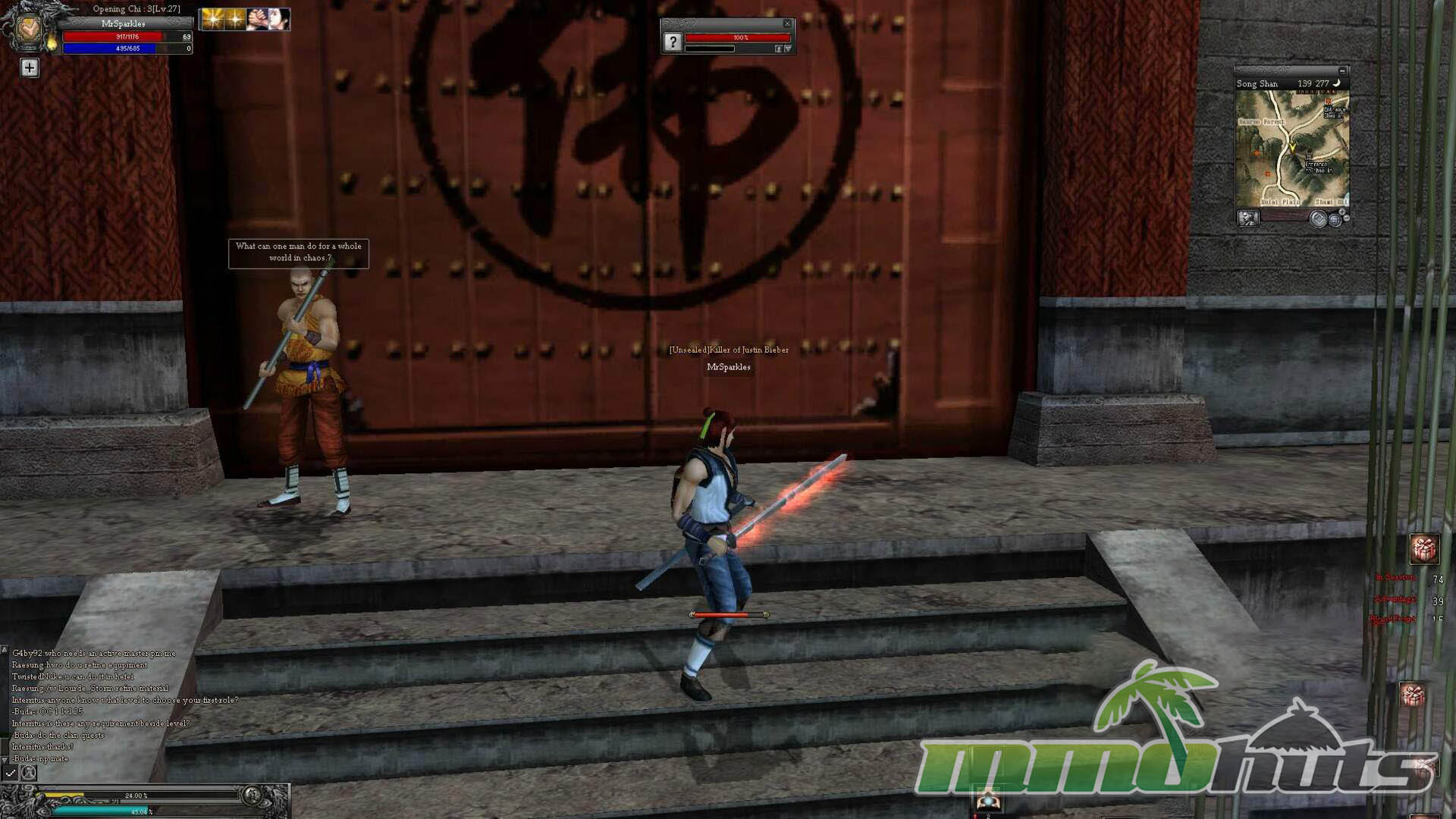
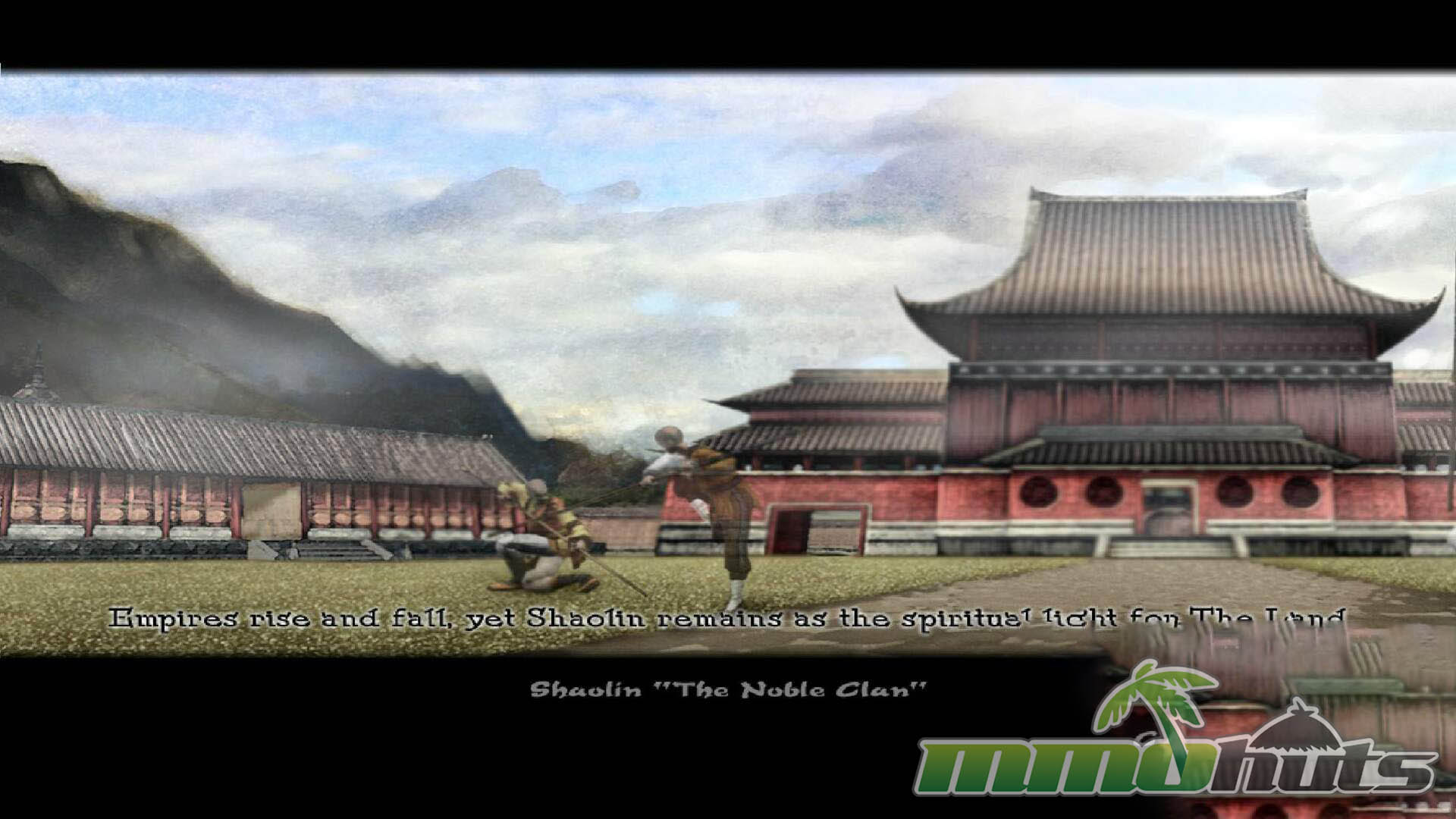
The world itself is rooted in recognizable Chinese inspiration, including locations that echo real landmarks such as the Great Wall of China and the Shaolin Monastery. Even with dated presentation, the setting does a lot of heavy lifting, especially for players who want an MMO framed around martial arts schools rather than the usual fantasy kingdoms.
9Dragons Key Features:
- 9 Clans – join one of nine martial arts clans, with six available early on, and follow a distinct warrior path.
- Unique Mini Games – learning new moves and advancing to the next phase of your training requires playing distinct minigames that harness your focus.
- Chinese Geography – explore an immense world featuring geographical locations like the Great Wall of China and the Shaolin Monastery.
- Territorial PvP – choose from White Clans or Black Clans, and engage in zone PvP for domination, with a robust tracking system recording your stats.
- Master Student Program – veteran players can recruit pupils and help them level with unique items and bonuses.
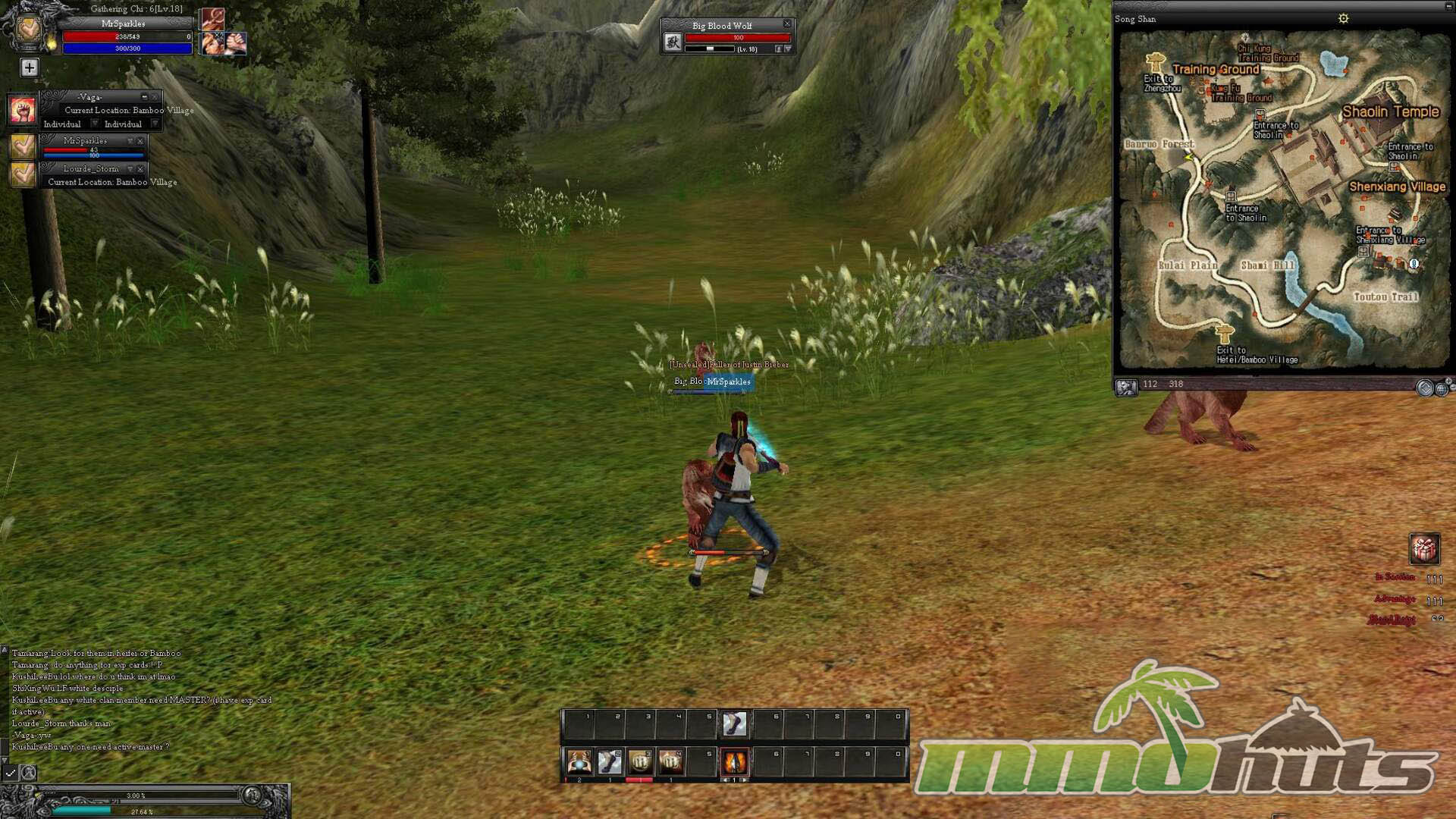
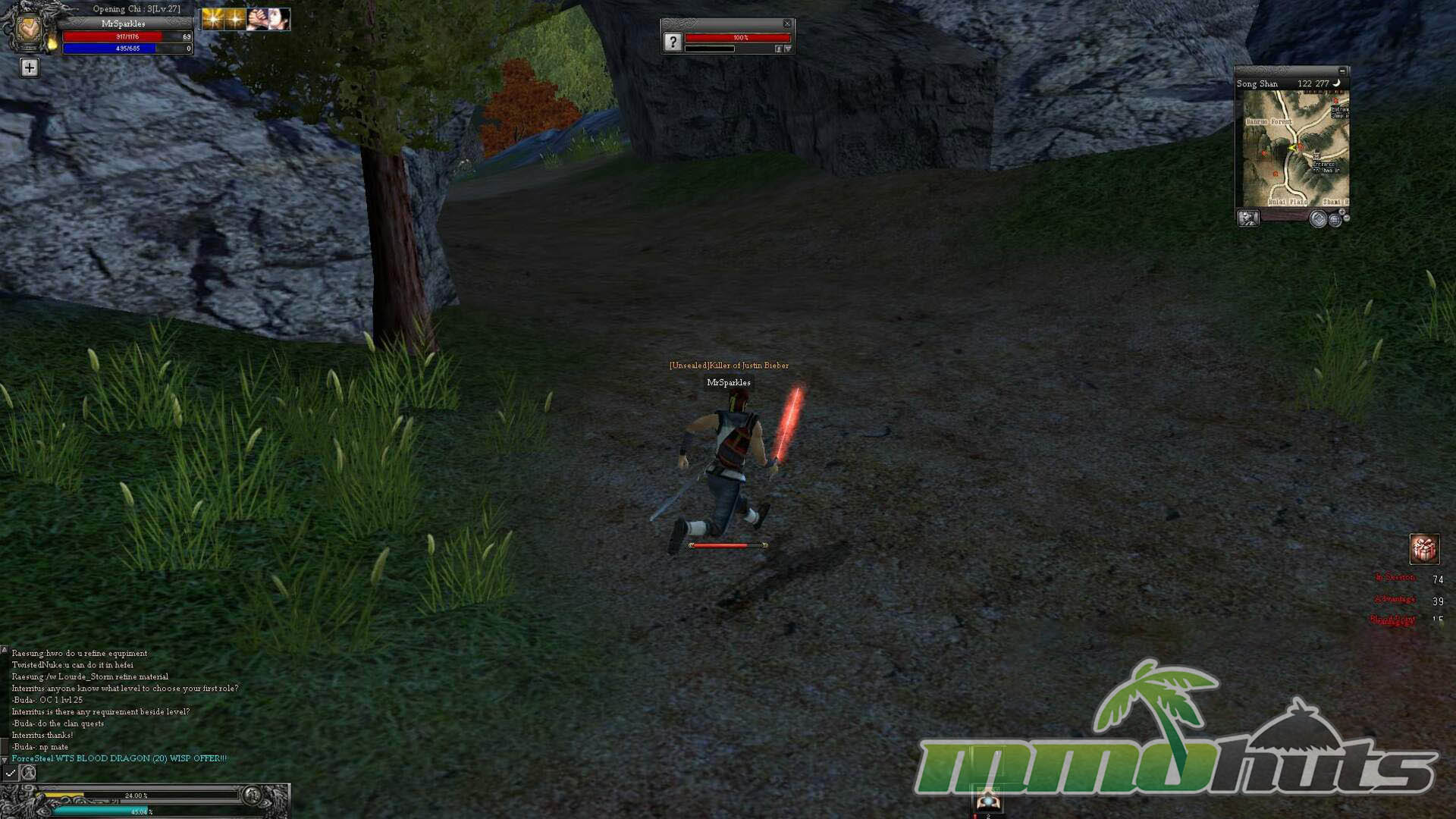
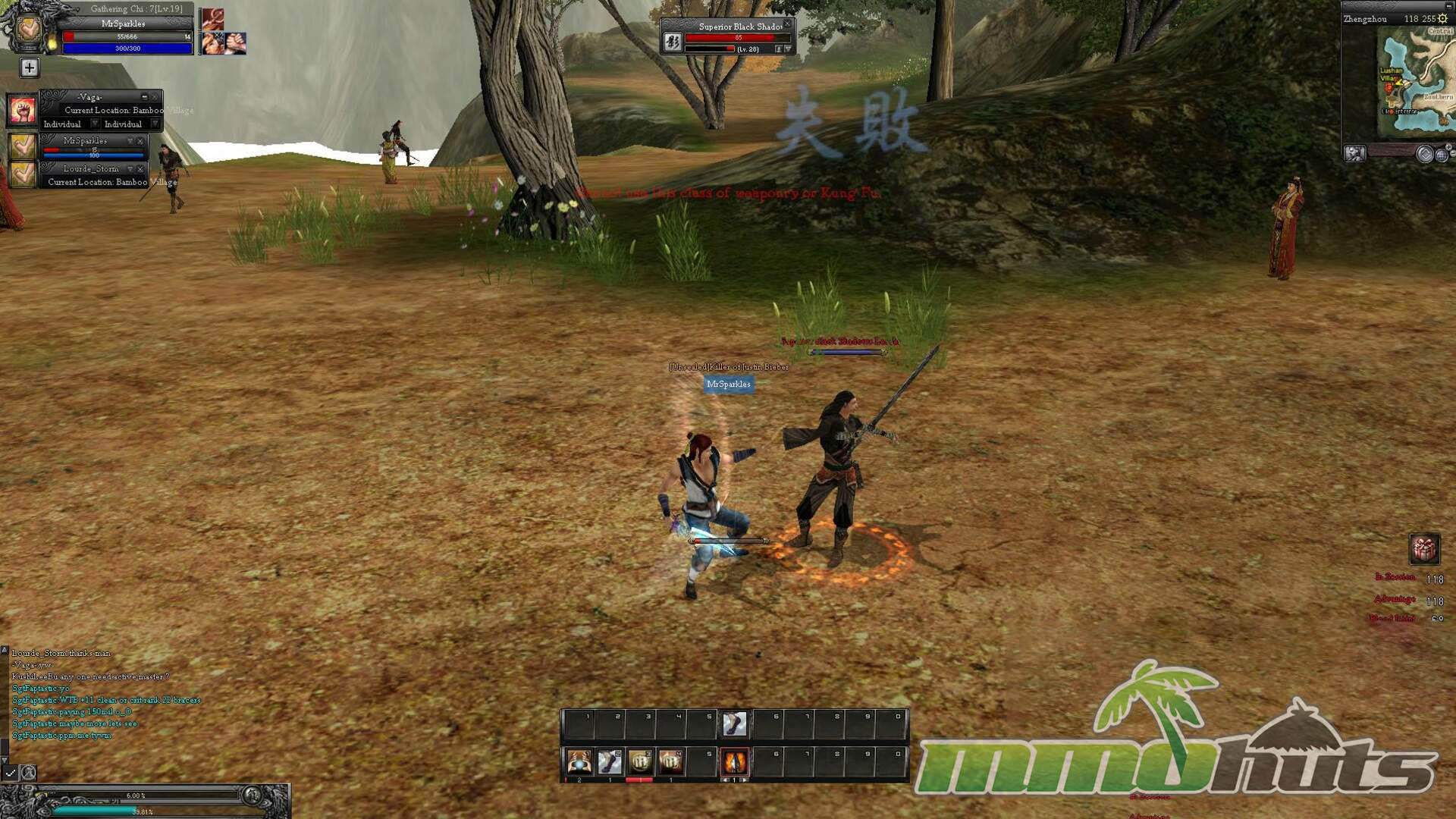
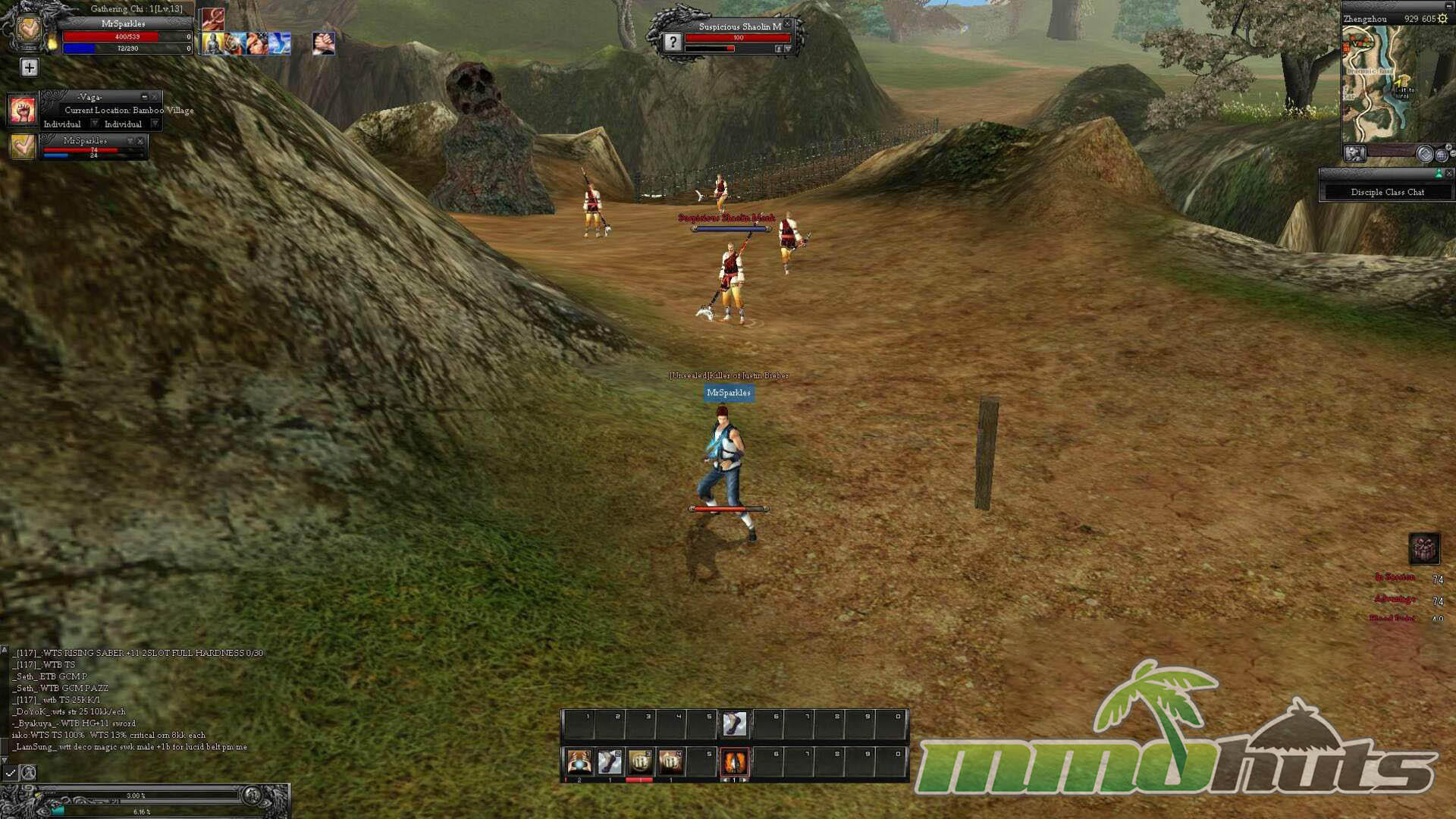
9Dragons Screenshots




9Dragons Featured Video

9Dragons Review
9Dragons is the kind of MMORPG that immediately signals its age, but it also carries the confidence of a game built around a clear routine: pick a sect, grind, refine your build, and gradually unlock more martial techniques. Going in, it is easy to assume it is only a relic held together by nostalgia, yet after spending time with it, the appeal becomes easier to understand. The combat loop is uncomplicated, the progression is extremely long, and the game leans into that identity rather than apologizing for it.
Character Creation: More Uniform Than Expressive
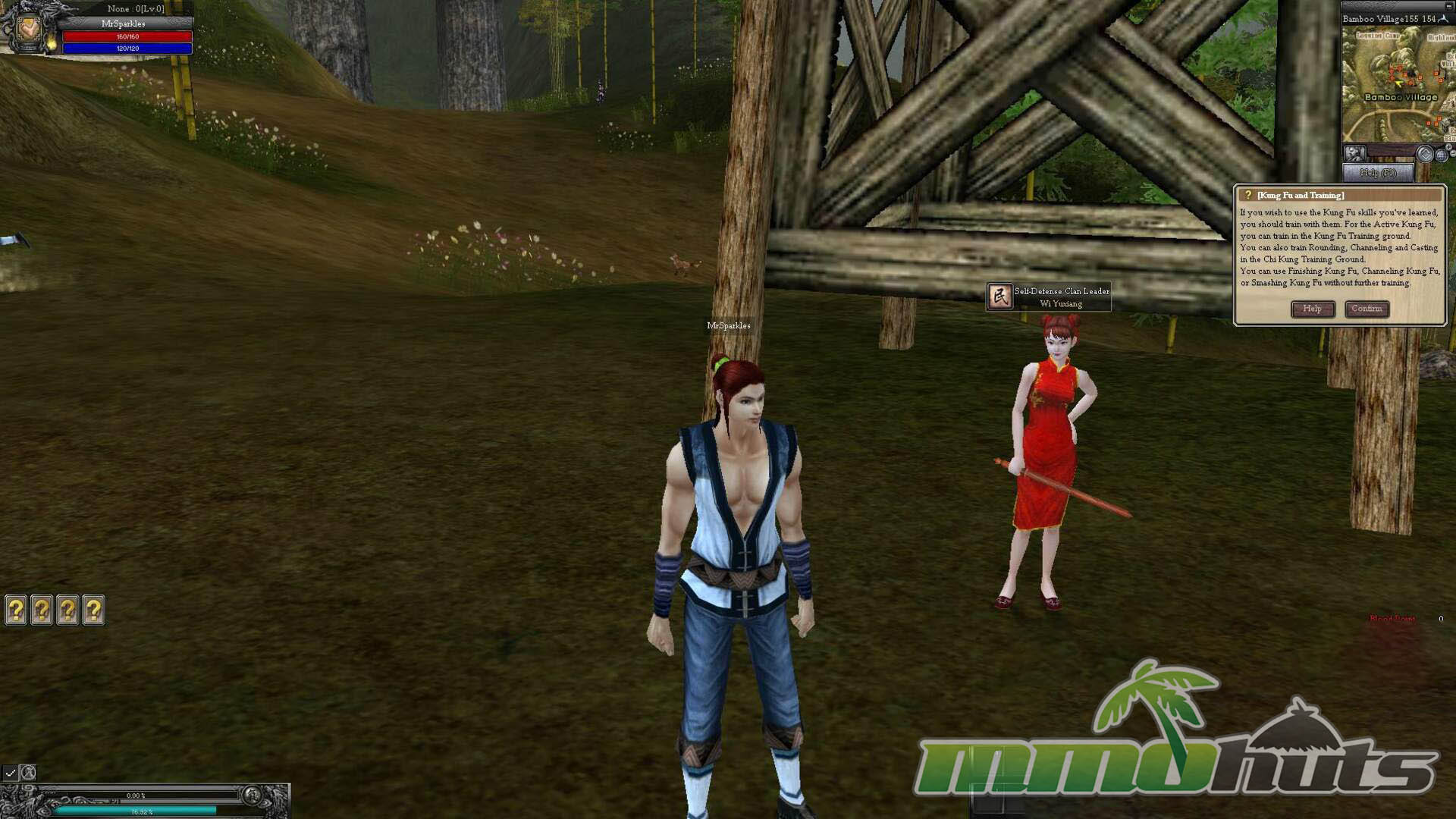
The first thing you notice is that character customization is limited. You can adjust a handful of facial features and hairstyles, but the end result tends to look similar no matter what you do. In a modern MMO, that would be a major knock, but in a 2007 release it is at least understandable, even if it still feels restrictive. If you are the type of player who wants a distinct-looking avatar, 9Dragons will not meet that need, it is much more focused on what you become through training rather than how you look at level 1.
Where the game does succeed early is atmosphere. The music and the theme do a good job establishing the martial arts vibe, and the clan framing gives you a sense that you are joining a tradition rather than simply selecting a class icon on a menu.

World Feel, Camera, and Presentation
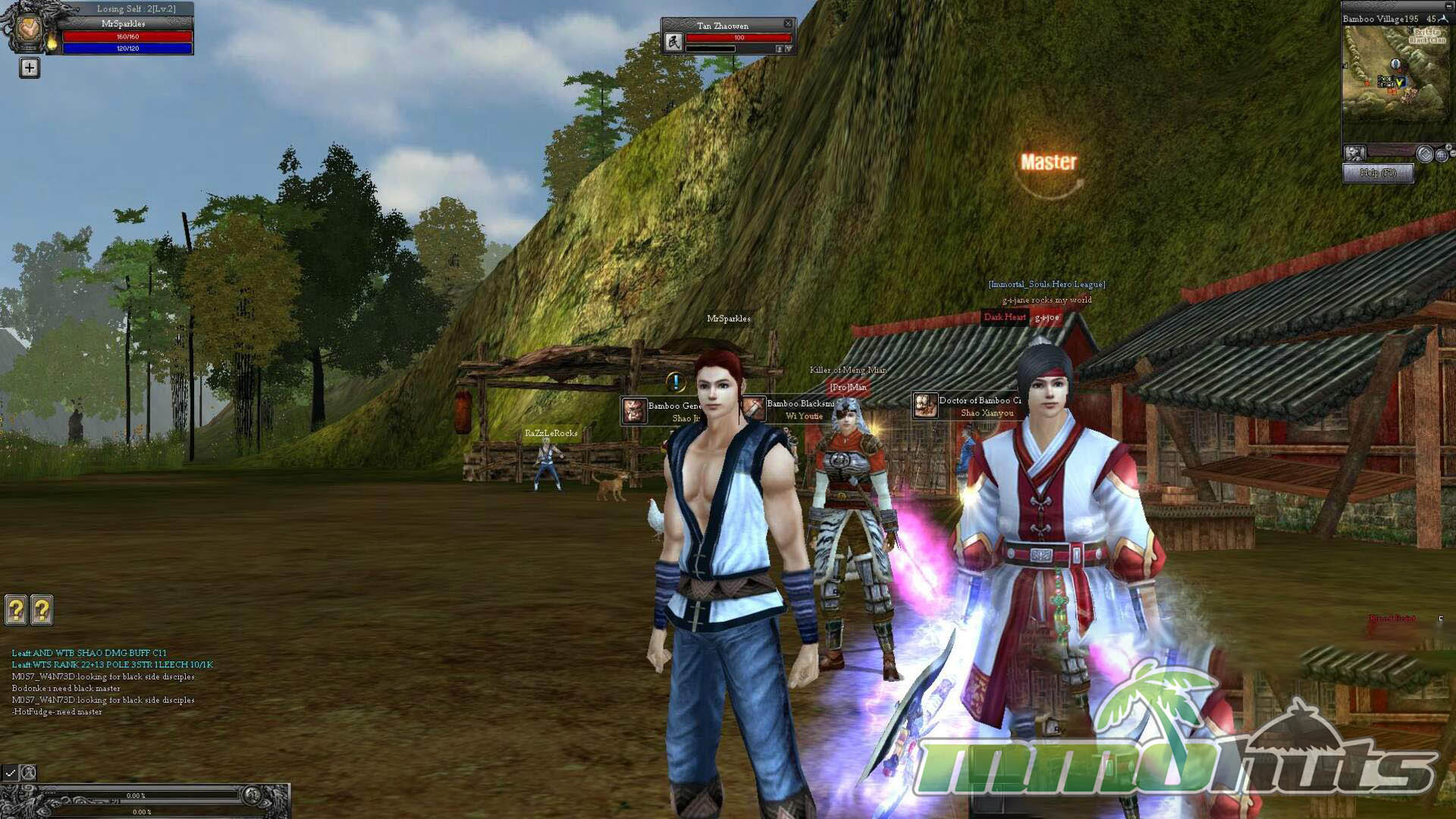
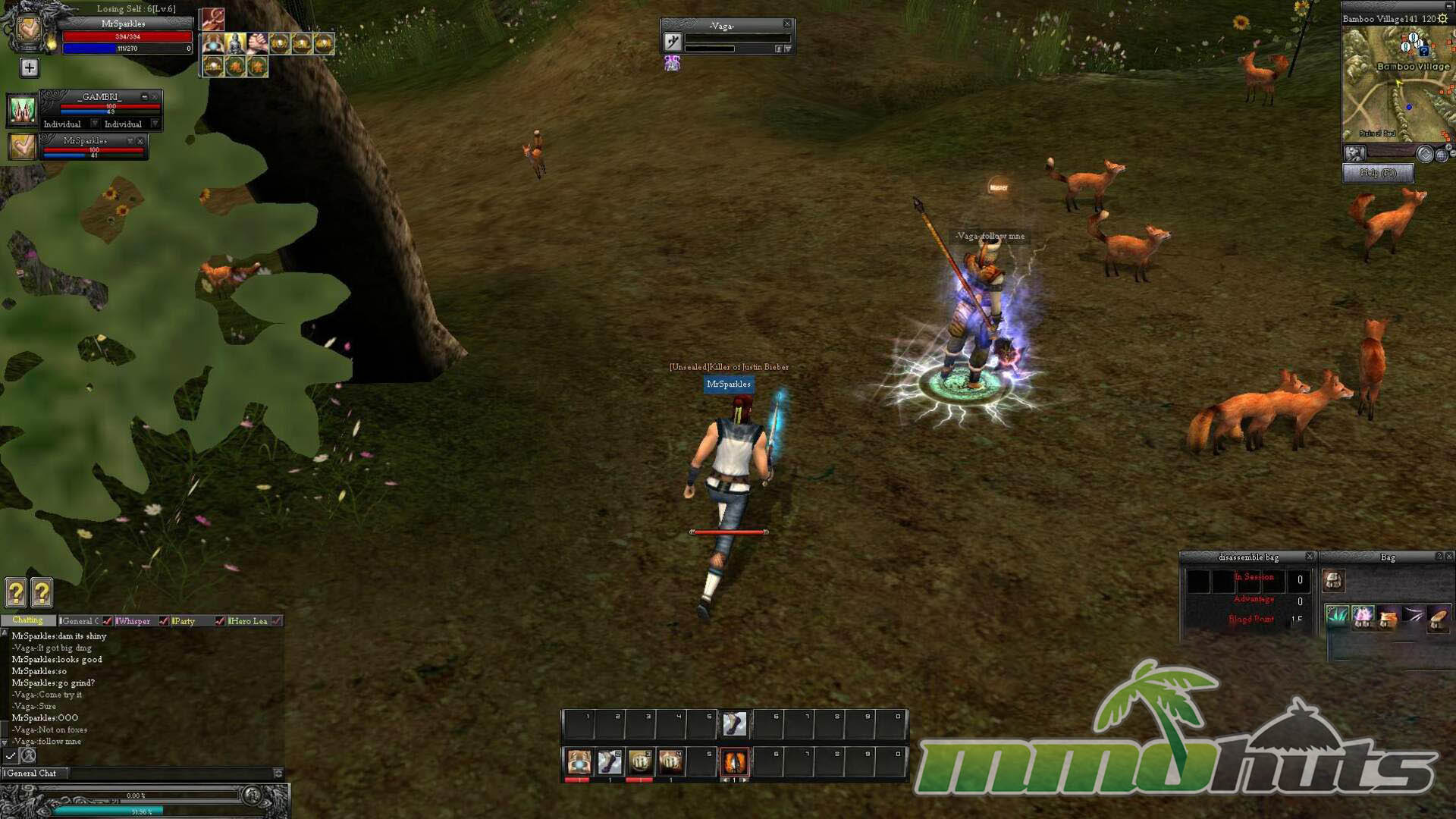
Movement and interaction use a point-and-click approach, with the camera handled separately by mouse control. It works fine once you adjust, but because the environment is fully 3D, there are moments where clicking to move can accidentally hit an object or NPC instead. This is one of those design choices that makes perfect sense for older MMORPGs, yet can feel awkward if you are used to modern action movement.
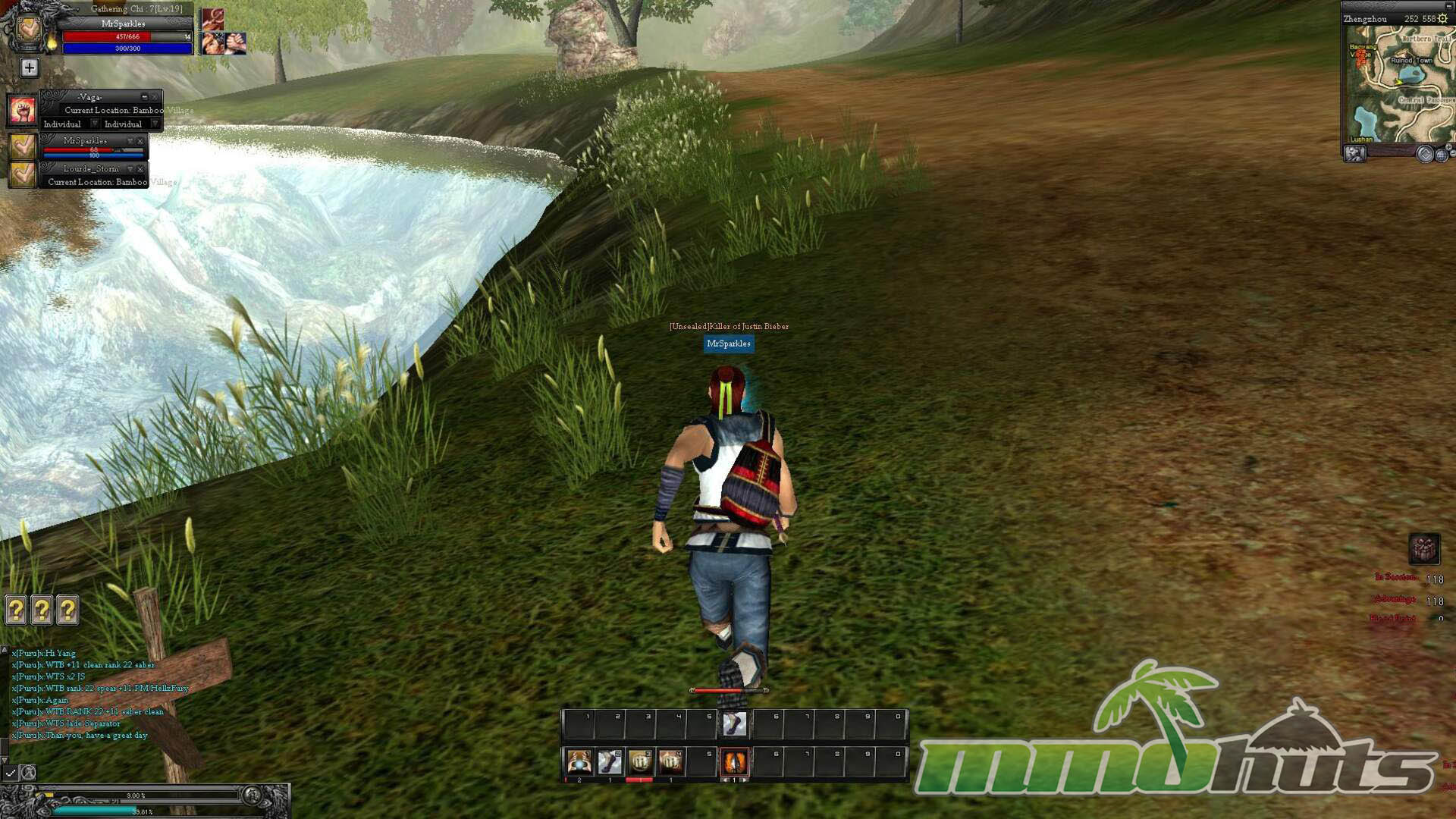
Visually, the game shows its age. Texture detail is rough, object pop-in can be distracting, and enemies can appear at odd distances depending on the zone. The soundscape is a mix. Combat effects have weight, but many incidental sounds and interface cues feel dated and can become grating over long sessions. The soundtrack, when it is playing, helps the setting, but transitions and gaps can interrupt the mood.
The user interface is also one of the game’s biggest hurdles. Information is packed into small text and busy panels, which makes it harder than it should be to parse quests, stats, and menus. If you are sensitive to UI clutter, expect some friction before things feel readable.
Combat: Simple, Click-Driven, and Built for Grinding
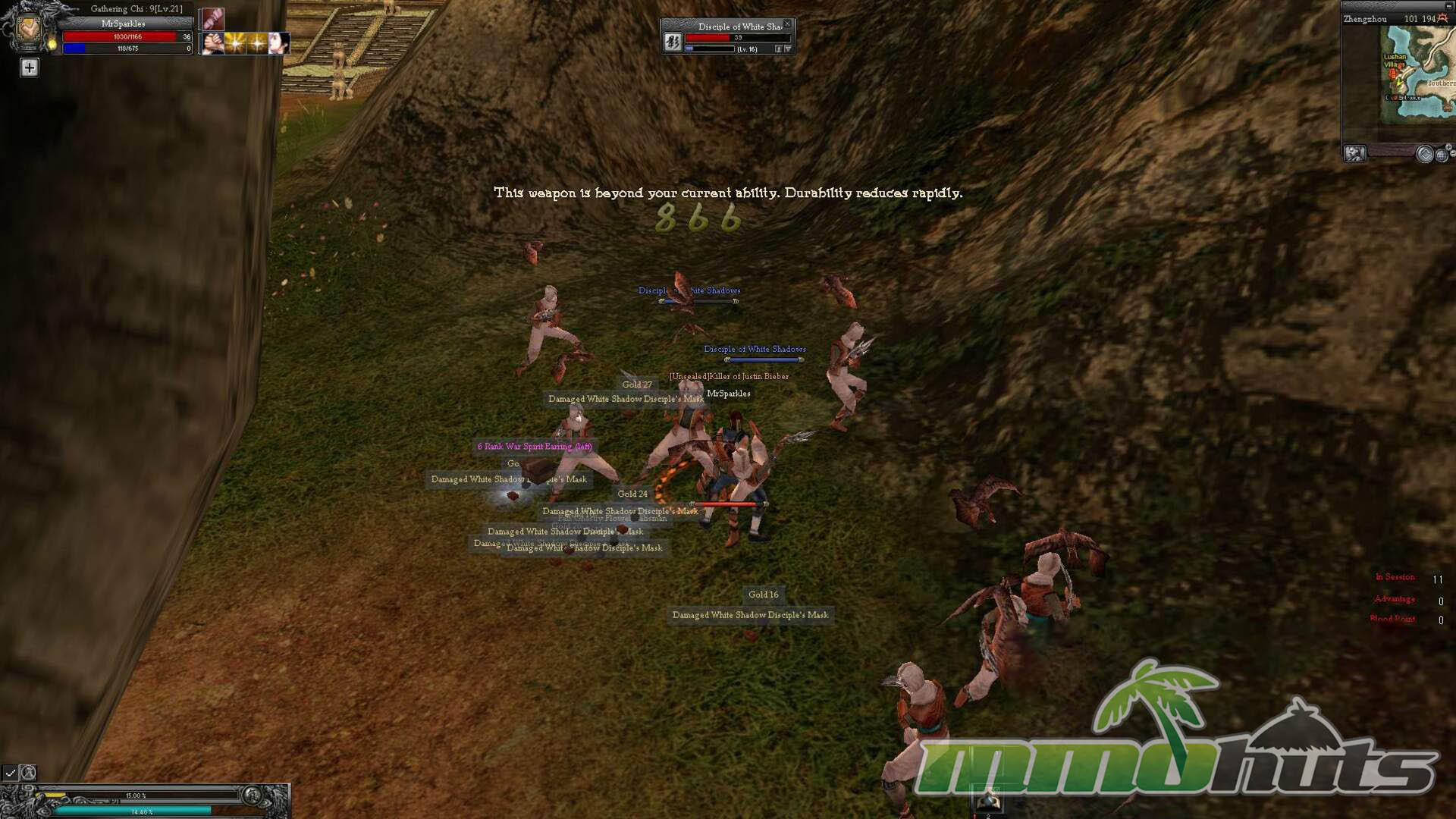
9Dragons is not trying to be an action MMO. Combat revolves around selecting targets and letting your character execute attacks once you are in range, with skills mapped to hotkeys for bursts of damage or utility. There is a distinct “mode” feel to fighting, where you swap into combat readiness and then focus on target selection and positioning.
Targeting can occasionally feel finicky, especially when you are trying to switch quickly between enemies. When it behaves, the loop is straightforward and functional: approach, engage, trigger skills as they come up, then move to the next target. You can absolutely play it in a relaxed way, and the design supports that, it is the kind of MMO you can settle into for long sessions where the grind becomes background rhythm.
If you are looking for tactical, reactive combat, it will not deliver. If you enjoy the older style of steady mob farming, it delivers exactly what it promises.

Progression, Stats, and the Cheng Breakpoints
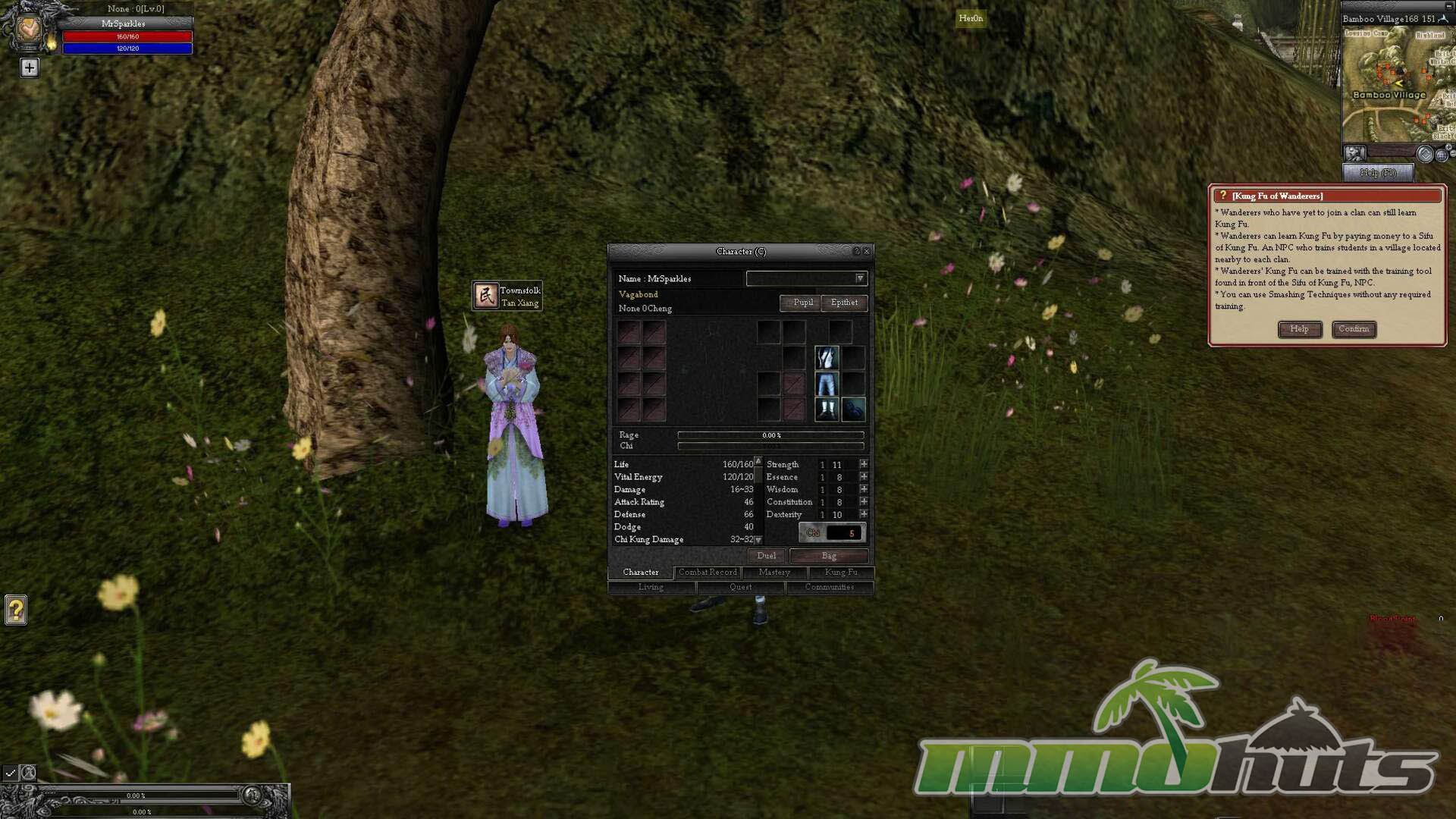
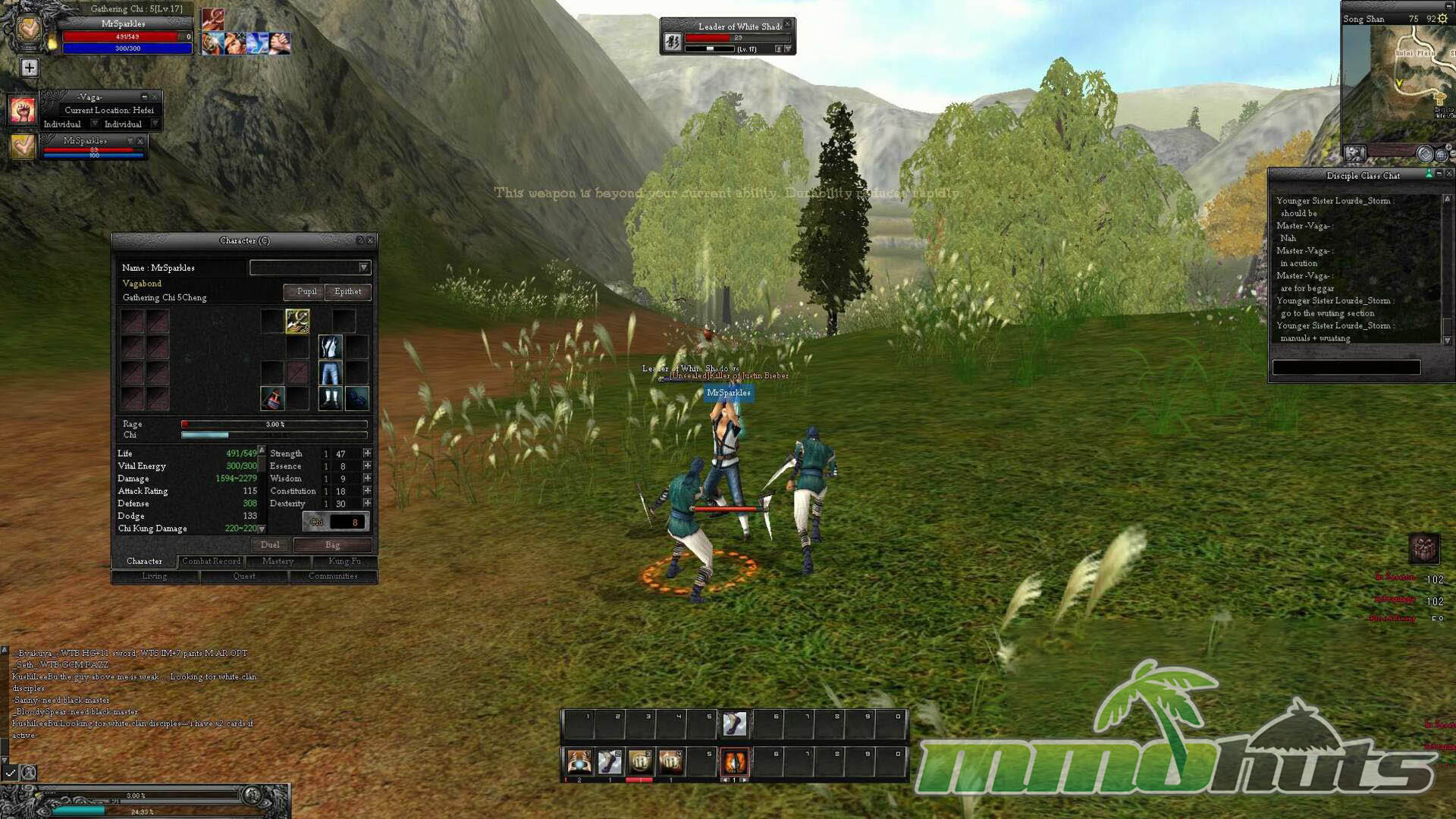
Character growth starts with stat allocation across Strength, Essence, Wisdom, Constitution, and Dexterity. The system is easy to understand, and it encourages specialization, particularly early on when you want your damage output to feel consistent. You gain four stat points per level, and experimentation is less punishing than it sounds because you can reset your allocation by speaking to the old man in the starting area. That flexibility is important in a game where new players may not immediately understand how their clan path will develop.
The more unique progression layer is the Cheng structure, which groups advancement into sets of 12 levels. When you hit the threshold to move into the next Cheng, you do not simply ding and continue, you complete a mini-game that represents meditation and internal cultivation. Mechanically, it is not complex, but conceptually it fits the theme well. It forces you to pause, find safety, and acknowledge a milestone instead of endlessly chain-pulling enemies without any break in cadence.
In practice, these mini-games can feel like novelty, but they also provide a distinct identity that separates 9Dragons from many other grind-heavy MMORPGs of its era.
Clans, Factions, and Skill Training
Not long after starting, you are pushed toward choosing one of the six initial clans. Later, the full roster expands to nine. The selection matters because clans shape your available classes, skill trees, and advanced options. The game does not always explain these differences in a helpful way, so new players may need to read external guides or ask the community to avoid picking blindly.
The White and Black division is the game’s cleanest way of creating large-scale opposition. It is not a deeply nuanced political narrative, but it does provide a reason for faction identity and PvP rivalry. Once you reach level 25 and Opening Chi 1, you can formally commit to a clan, which makes the choice feel like a true step in your character’s story, even if the writing itself is minimal.
Territorial PvP is where that conflict becomes mechanical. The tracking system records your PvP results, and karma rewards reinforce participation. Balance can be uneven, and some roles tend to dominate in player combat more than others, which is a common issue in older MMOs that were not built with modern competitive standards in mind.
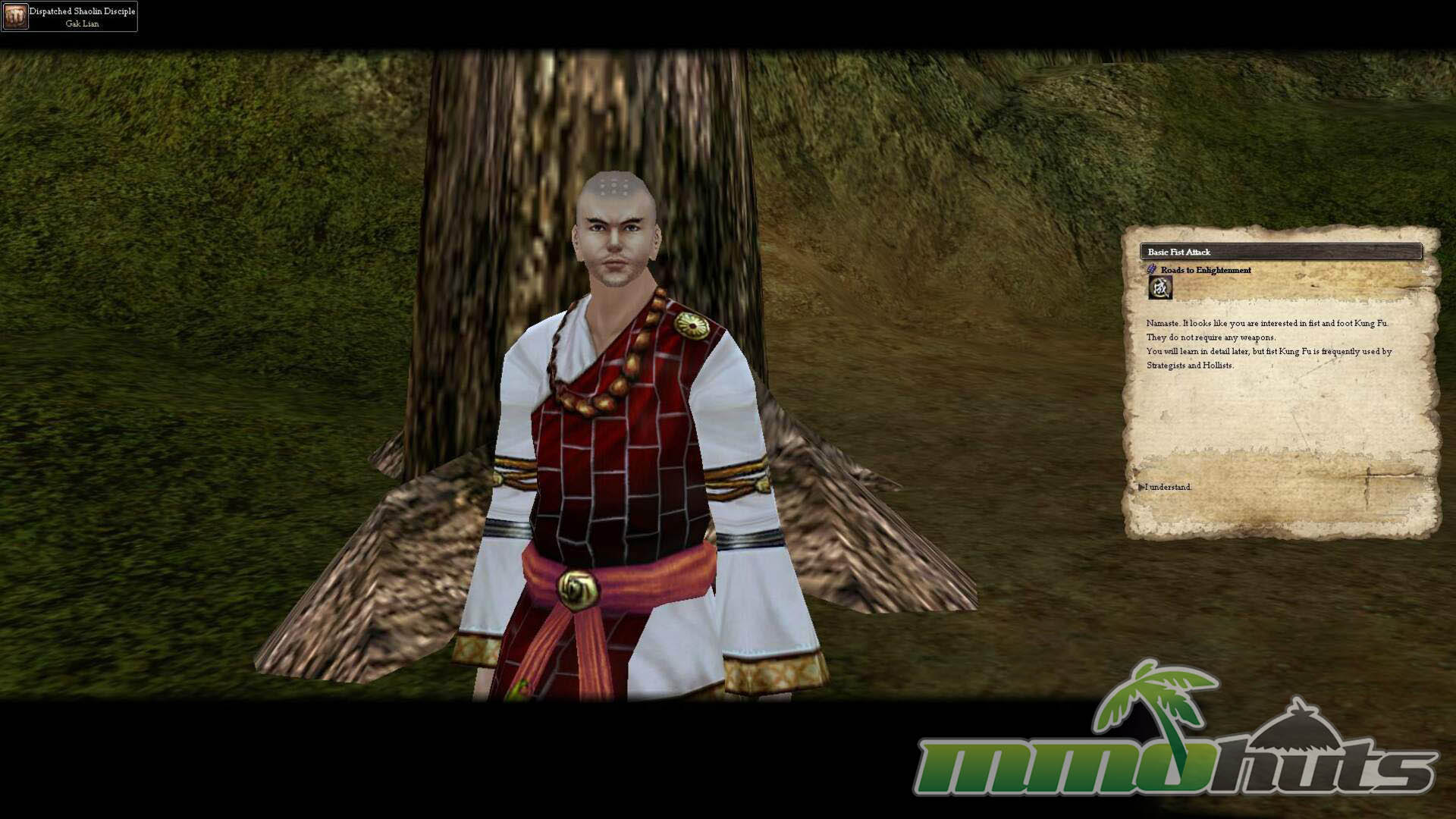
Skill acquisition also ties into the mini-game concept. Learning new moves often requires a training activity rather than a simple “learn” button. Early examples include timing-based clicks on practice targets to improve a technique through multiple ranks. It is creative and on-theme, but over time it can also feel like an extra step inserted between you and the next grind session.

Master and Disciple: A Social System That Still Works
One of 9Dragons’ strongest features is the master-student program. Veteran players can take on newer players, and the relationship is not just cosmetic. Pupils receive meaningful bonuses while their master is online, which helps smooth out the early leveling curve. Your progress also contributes toward rewards connected to the system, giving mentors a reason to invest in teaching rather than simply power-leveling and moving on.
In a game where the tutorial is not particularly effective, this social structure becomes more than a nice extra, it is often the best way to learn how to play efficiently and avoid common mistakes.
Final Verdict – Good
9Dragons is clearly a product of its time, with dated visuals, a rough interface, and onboarding that does not properly prepare new players for the game’s systems. Still, its core loop remains surprisingly durable if you enjoy classic MMORPG progression. The clan variety, the cultivation-themed mini-games, and the master-student community structure give it personality beyond “just another grind.” If you want a modern martial arts MMO, there are newer options, but if you miss the slower, repetitive comfort of older PC MMORPGs and like wuxia flavor, 9Dragons can still be an enjoyable place to spend time.
9Dragons Links
9Dragons Official Site
9Dragons Wikipedia
9Dragons Reddit
9Dragons Wikia [Database/Guides]
9Dragons System Requirements
Minimum Requirements:
Operating System: Windows XP, Windows Vista, or Windows 7
CPU: Pentium 4 2.0GHz or Sempron 2300+
Video Card: GeForce 8300 or Radeon X800 SE
RAM: 1 GB
Hard Disk Space: 800 MB
9Dragons Music & Soundtrack
9Dragons Additional Information
Developer(s): JoongWon Games (formerly known as Indy21)
Publisher: GamesCampus (NA), Red Fox Games (NA/World Wide), JoongWon Games (SK), Run Up (HK), Avrora Interactive (RU)
Game Director(s): Steven-Elliot Atman
Lead Writer(s): Jwa Baek, Steven-Elliot Atman (NA Translation)
Beta Release: January 01 2007
Release Date: May 09, 2007
Development History / Background:
9Dragons was created by the South Korean indie studio Indy21, which later rebranded as JoongWon Games. To bring the game to Western audiences, the project was marketed and distributed through agreements involving Persistent Worlds and Acclaim. The original Korean storyline work came from wuxia novelist Jwa Baek, with Steven-Elliot Atman handling the North American translation effort.
On August 24, 2010, GamersFirst took over the North American publishing rights. Over time, publishing and regional availability shifted across multiple partners, including GamesCampus and Red Fox Games. GamesCampus ultimately closed its service in January, 2016, leaving Red Fox as the only official Western publisher at present.
A mobile version of 9Dragons was reported in development with an expected release sometime in 2016, alongside another mobile project titled Tile Hero that was expected sometime in 2015.