
Arcfall
Arcfall is a fantasy sandbox MMORPG with an old-school mindset, built around gathering resources, crafting gear, and carving out a personal space in a shared world. Instead of locking you into a rigid class, the game lets your weapon choices define how you play, whether that means hunting monsters, dueling rival players, or taking to the sea in search of trouble and treasure.
|
Publisher: Neojac Entertainment Playerbase: Low Type: Sandbox MMORPG Release Date: May 17, 2017 Pros: +Flexible classless combat tied to gear. +High-stakes open world PvP. +Persistent, non-instanced housing. Cons: -Limited breadth of content and activities. |

Arcfall Overview
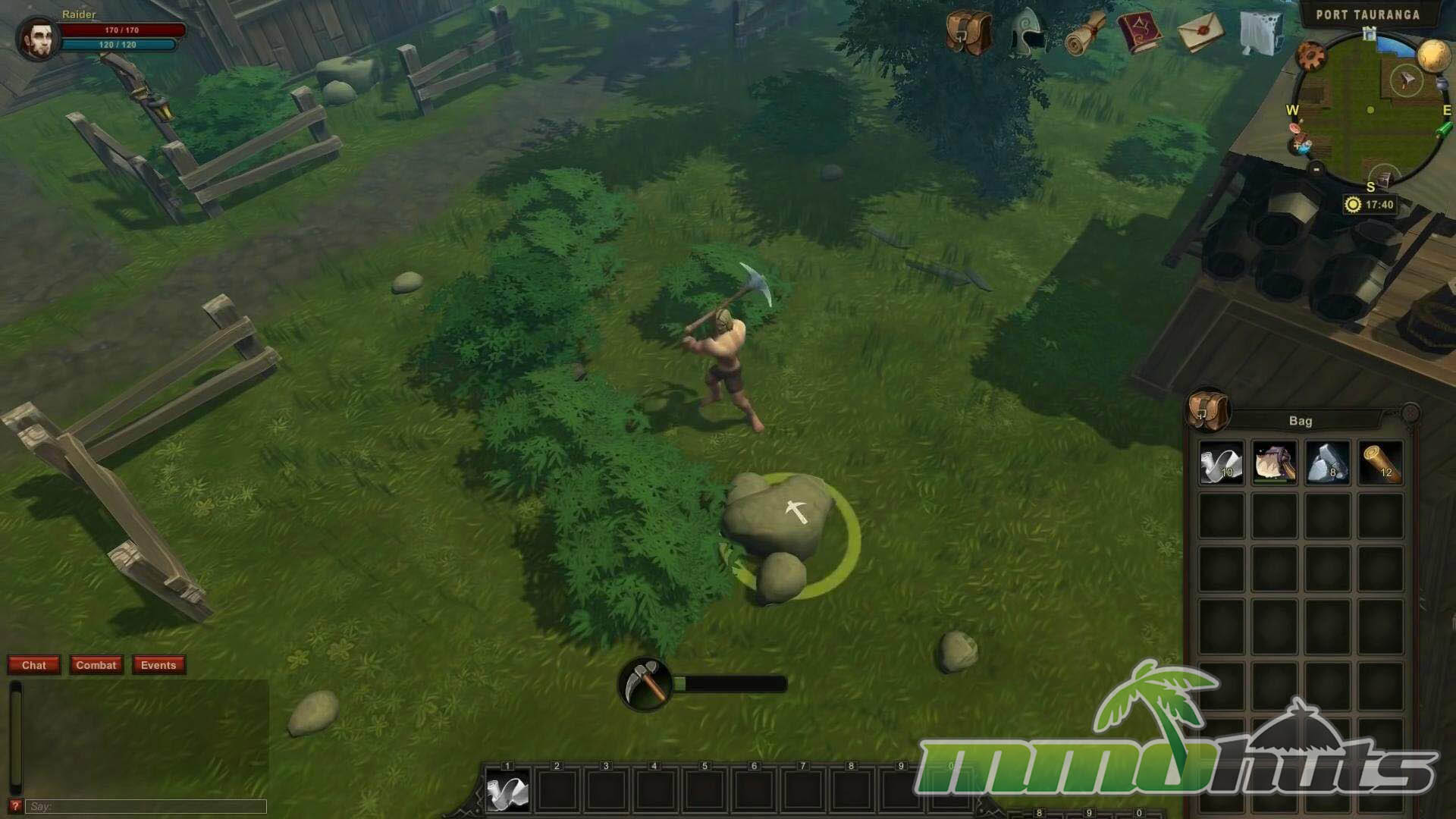
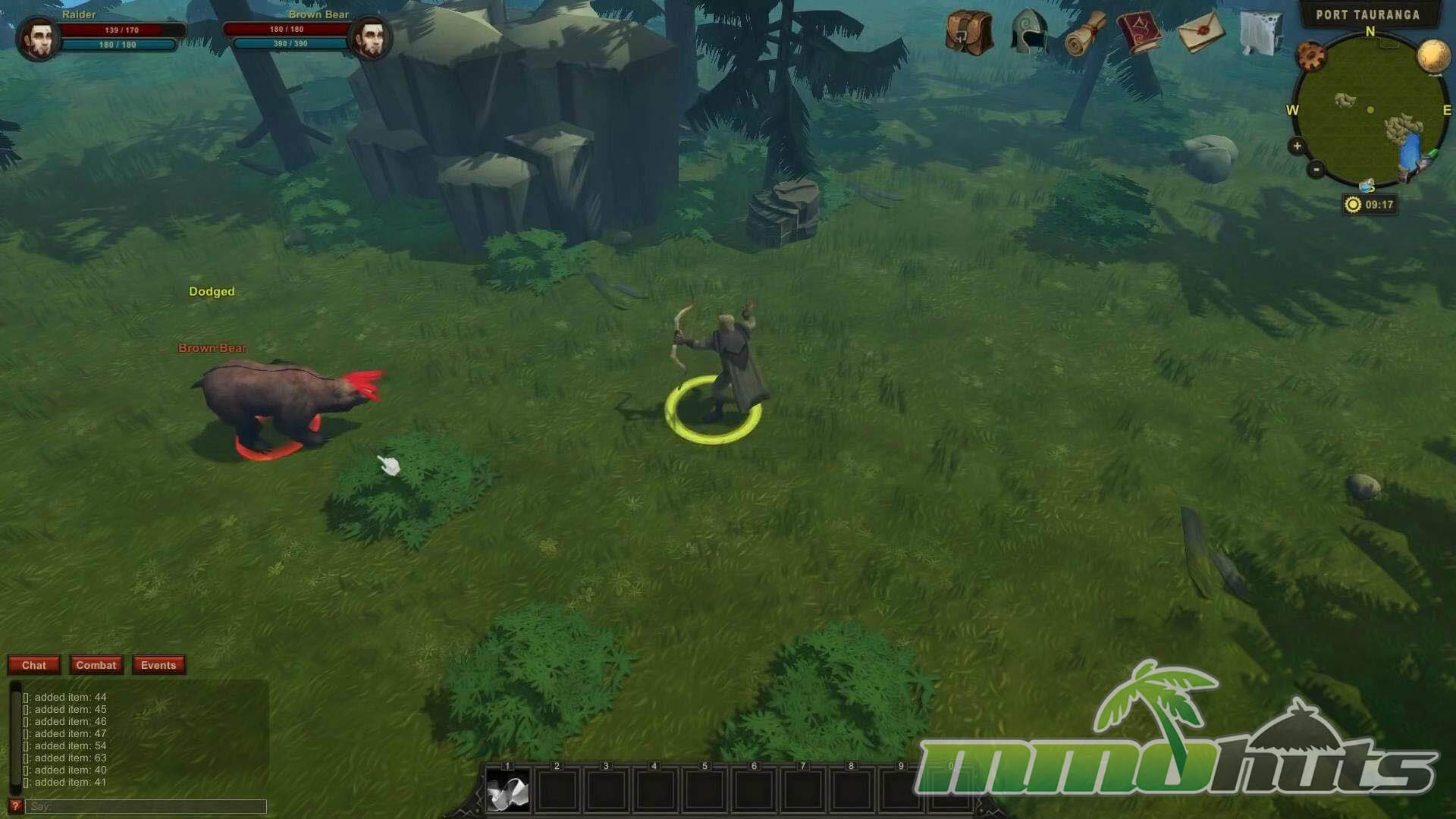
Arcfall is a top-down fantasy MMORPG that leans heavily into sandbox design, with clear inspiration from earlier-era online worlds. Your character is not defined by a traditional class selection, instead your loadout does the talking. Equip different weapons to change your approach in fights, and advance through a skill-based progression system that rewards time spent using the tools you prefer.
The world is built to feel dangerous because other players are part of that threat. PvP is open, and death can be costly since victims can lose their carried loot. There is, however, a social and mechanical pressure against indiscriminate killing. Outside of King’s Reign, where violence is not tolerated in the same way, attackers can be flagged as murderers and end up with a bounty that marks them as a target for others.
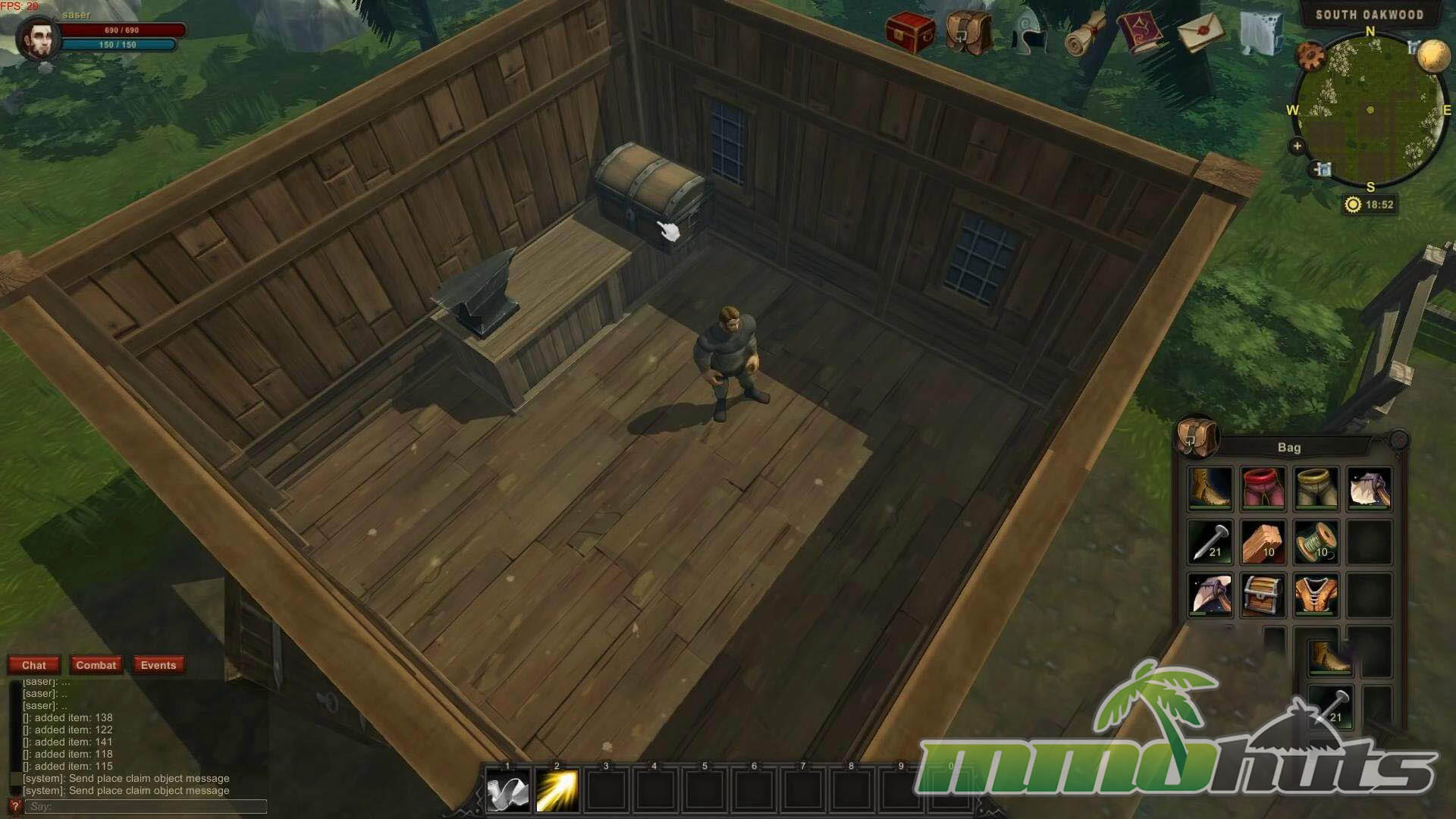
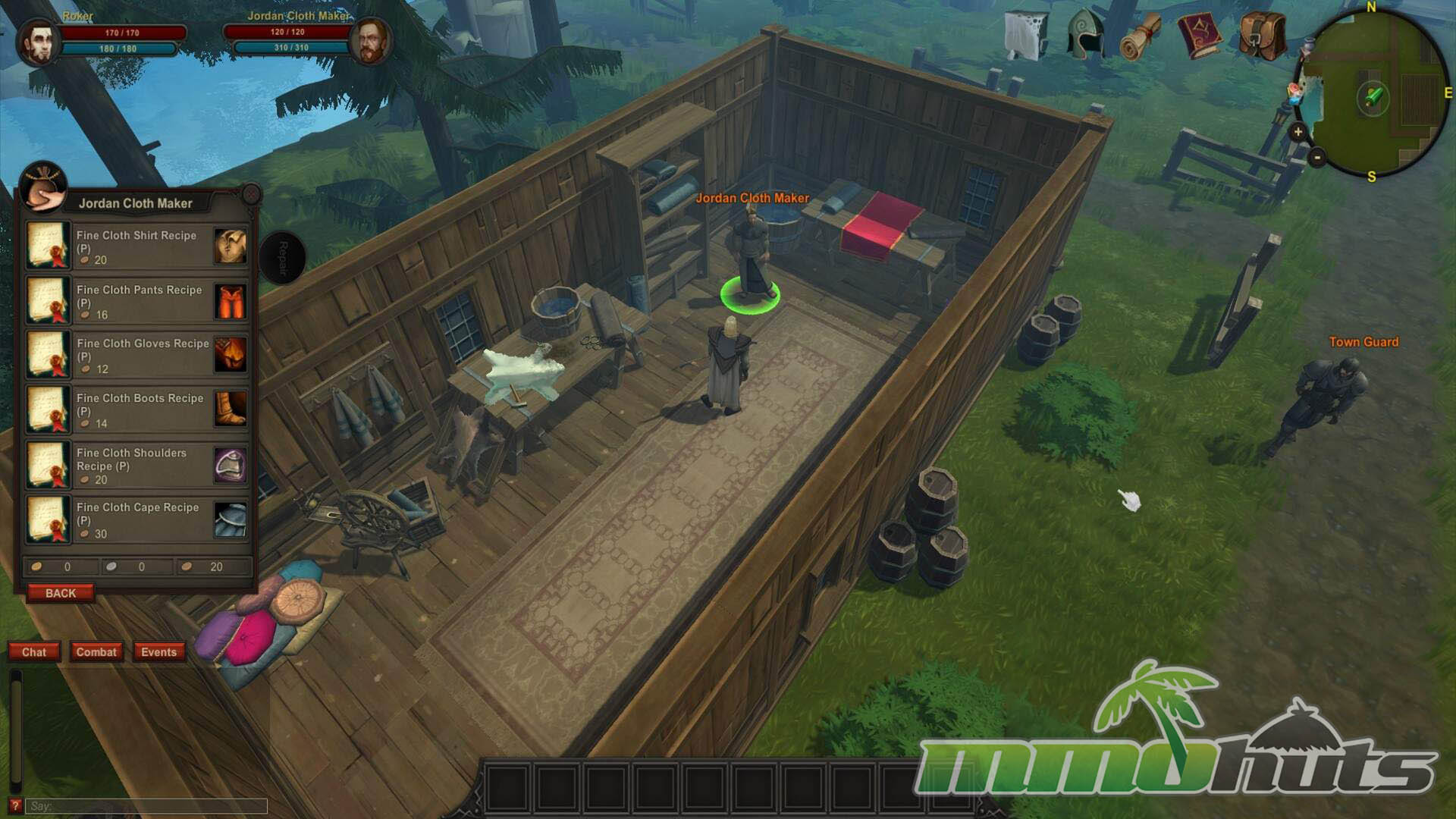
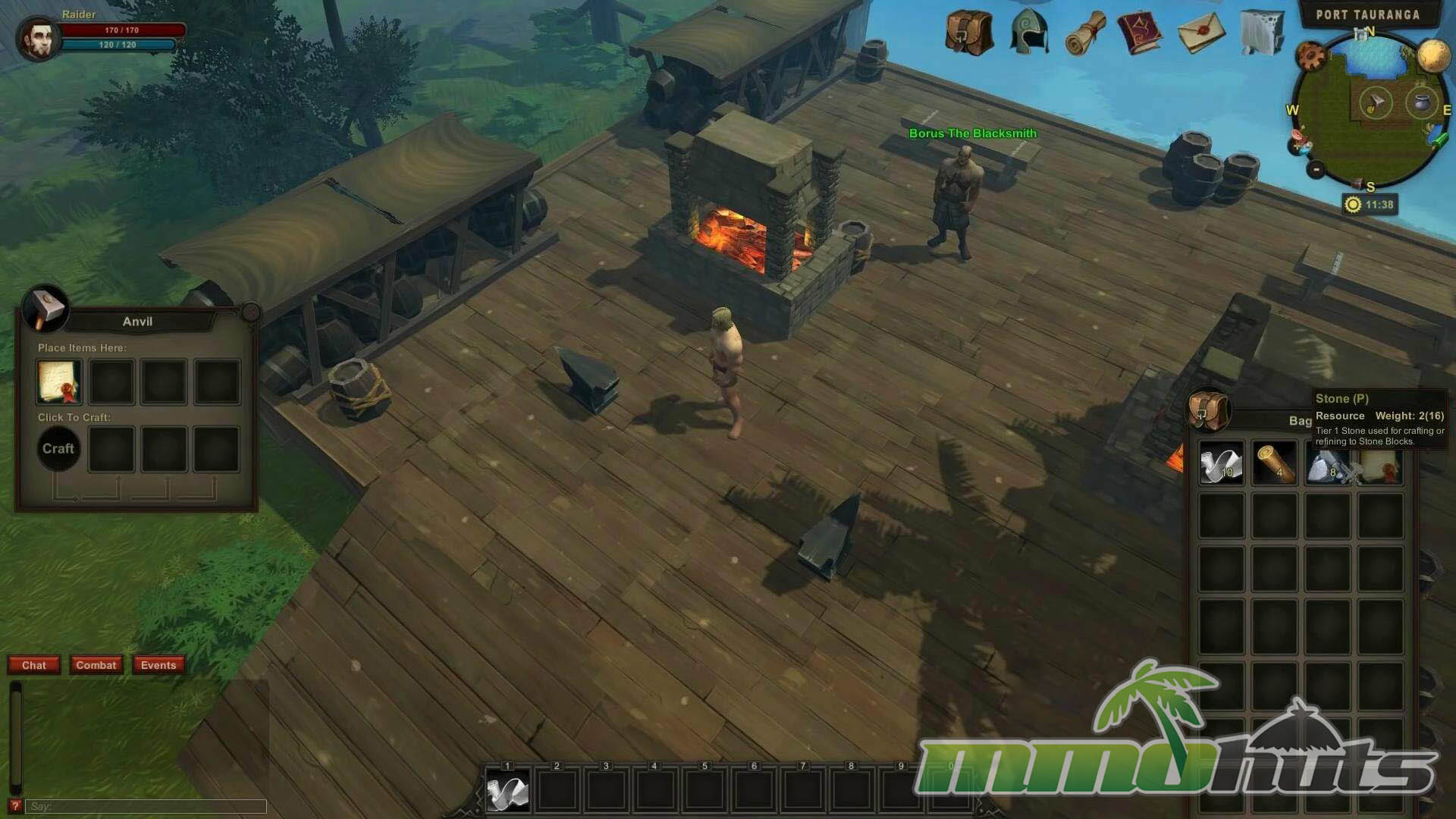
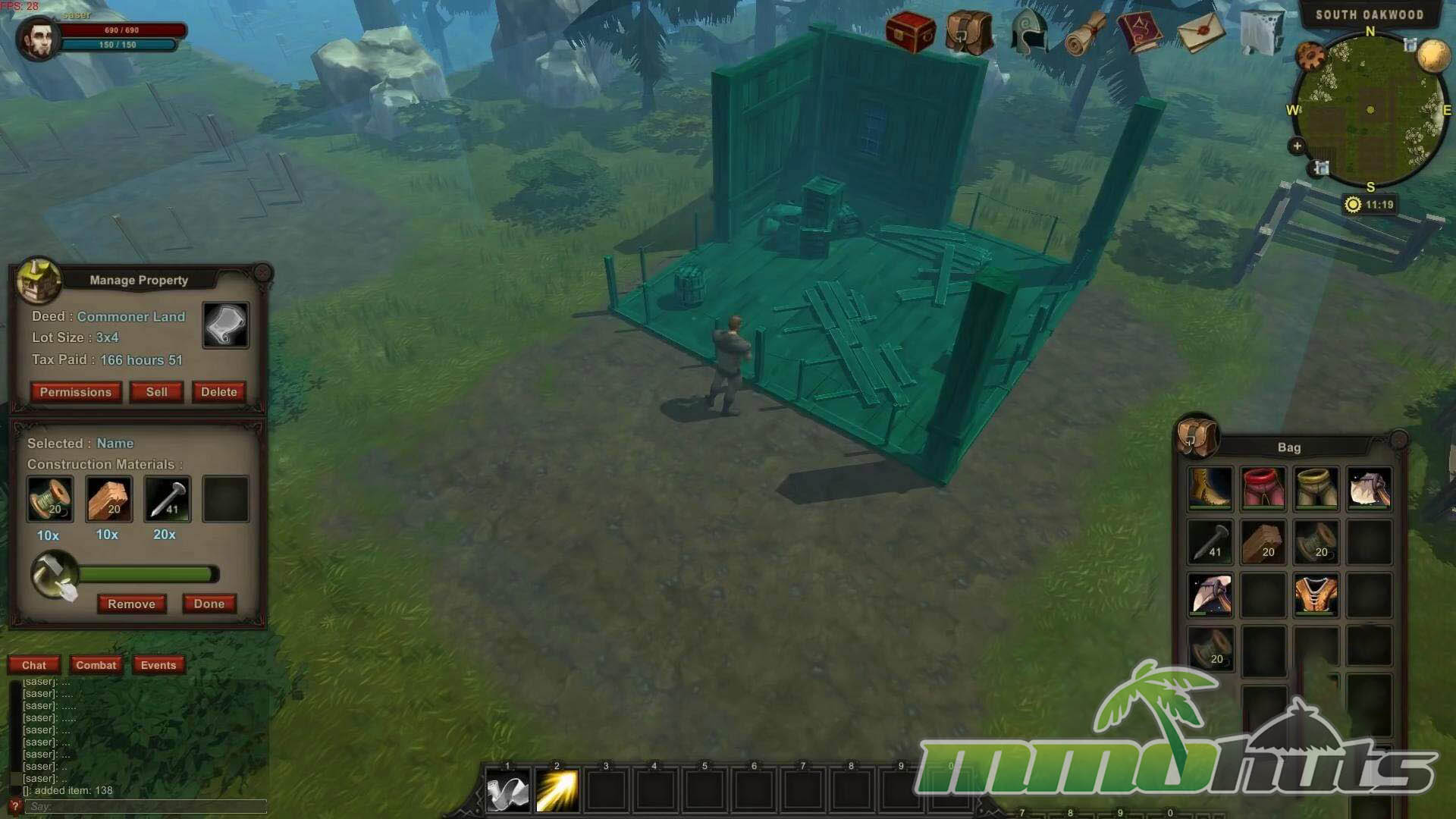
On the more constructive side of the sandbox, Arcfall includes persistent housing that exists in the world rather than behind an instance door. You can claim land, build a home, and decorate it as a functional base and a personal project. Crafting feeds into that long-term loop as well, with player-made weapons and equipment intended to circulate through a player-driven economy. When you want to travel, you can ride across the terrain on mounts or head to the coastline and sail, opening up exploration and conflict, especially when pirates enter the picture.
Arcfall Key Features:
- No Classes – choose weapons and equipment to shape your combat style against monsters and players, supported by skill-based progression.
- Non-Instanced Housing – claim a land plot and construct a permanent home in the shared world, then decorate and organize it to suit your taste.
- Open World PvP with Full Loot – defeats can cost you everything you are carrying, and unlawful killers can be branded as murderers when attacking outside sanctioned areas.
- Player Driven Economy – produce gear through crafting and exchange it with other players, creating a market where specialization can translate into power and wealth.
- Sailing – take to the water to explore and travel, with the constant risk of hostile players looking to raid and sink ships.
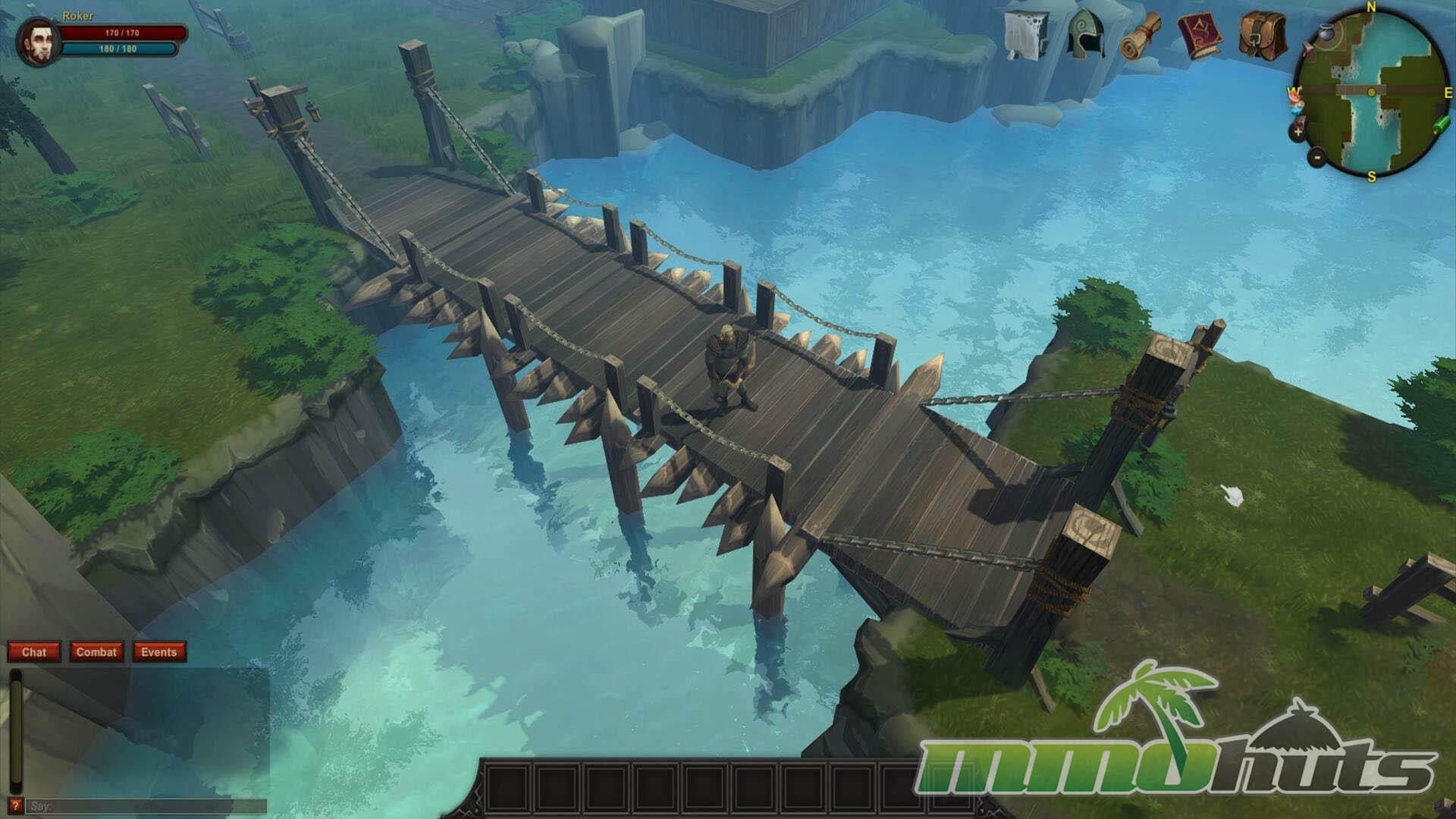
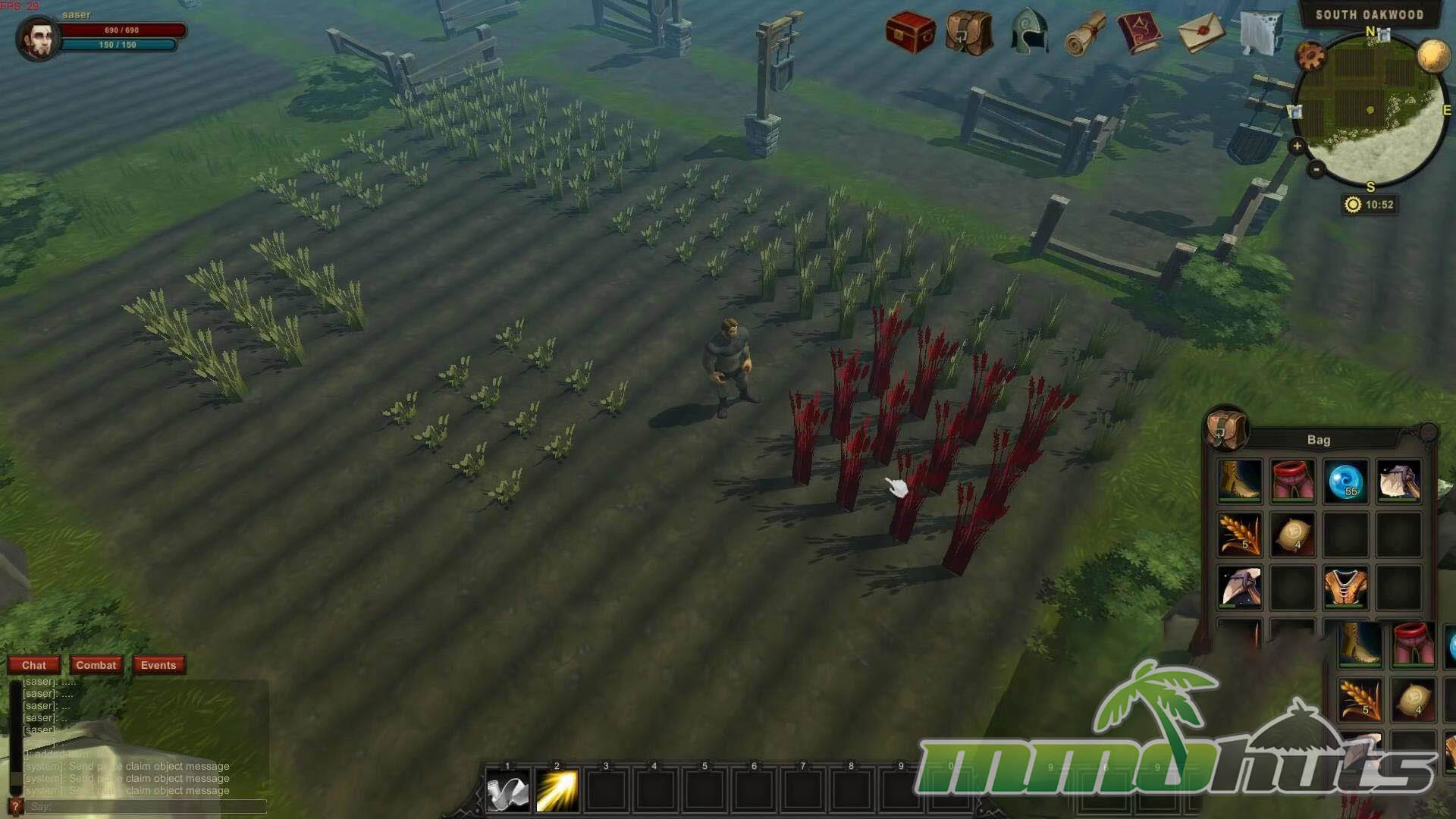
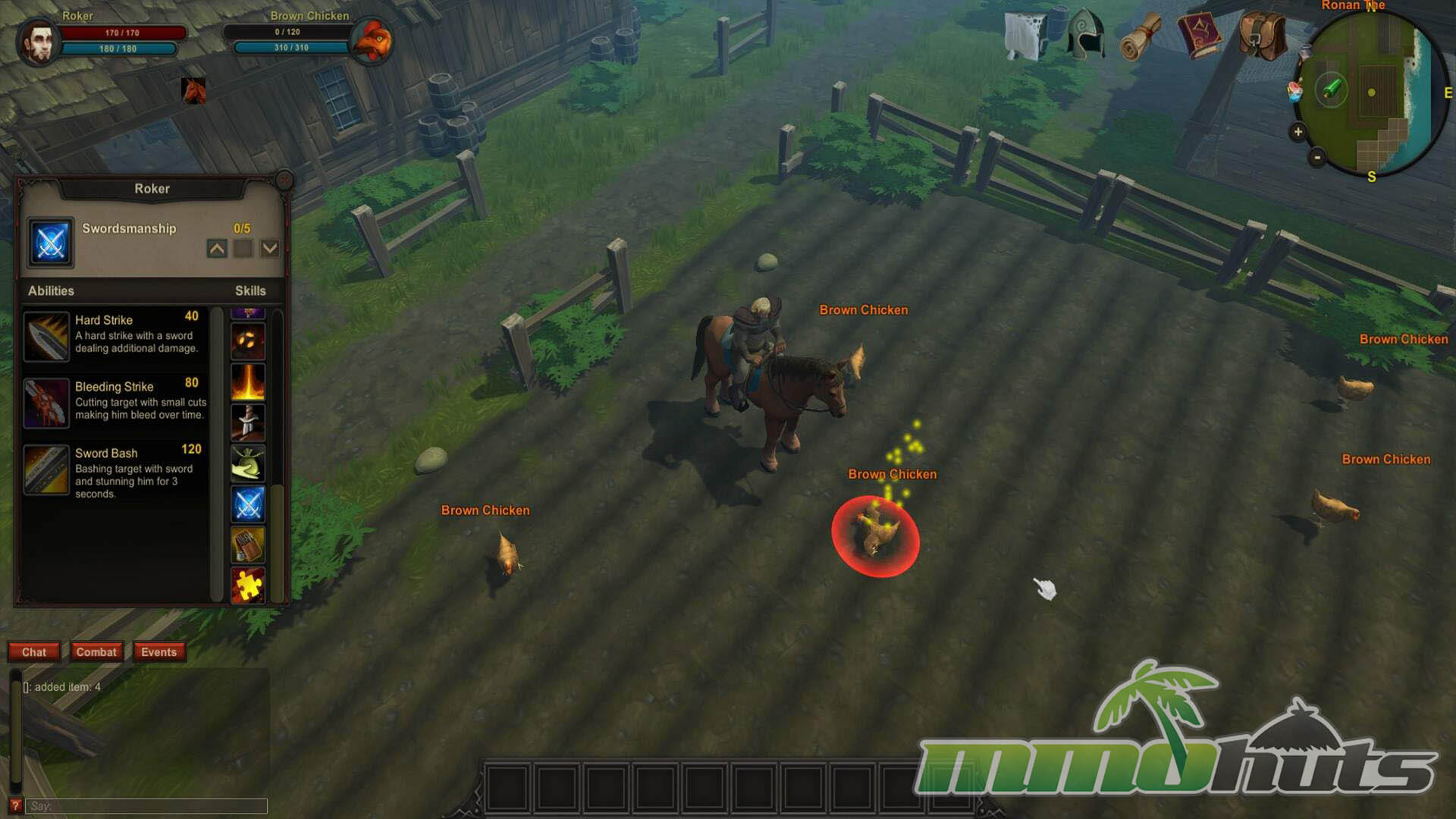
Arcfall Screenshots
Arcfall Featured Video
https://youtu.be/6T8YErYS-Es
Arcfall Review
Arcfall sets out to capture a particular kind of MMO atmosphere: a world where players matter, loss has consequences, and the best stories come from unscripted encounters. The top-down perspective and straightforward presentation make it feel closer to older online RPGs than to modern theme-park MMORPGs, and that choice influences everything from pacing to how you read fights in crowded areas.
Combat and progression built around your equipment
The classless framework is the game’s biggest identity marker. Rather than selecting a role at character creation and being tied to it, your combat approach is driven by what you equip. That makes experimentation more accessible, and it also fits the sandbox angle because players can adapt to circumstances, whether they are preparing for monster hunting, defending a trade route, or seeking PvP.
Progression being skill-based helps reinforce that identity. You improve by doing, which can be satisfying if you enjoy gradual mastery and tangible improvement over time. The tradeoff is that balance and variety live and die by how many viable paths the game supports, and Arcfall can feel narrower when you have already sampled the primary options.
A risky world with meaningful player conflict
Open world PvP with full loot is a feature that immediately shapes player behavior. It encourages caution, planning, and social play, but it can also create frustration for players who prefer predictable progression. Arcfall attempts to temper chaos with its murderer and bounty mechanics, pushing random killing into a system with consequences, especially when violence happens outside areas where it is expected.
When it works, the tension is the point: you feel the stakes when you travel with valuables, and you remember the close calls. When it does not, it can come across as a game where the most impactful content is simply being interrupted, particularly for new or under-geared players.
Housing, crafting, and the long-term sandbox loop
The persistent housing system is one of the more compelling reasons to invest time. Building a home in a shared world gives you a sense of place that instanced housing often struggles to provide. It also dovetails with crafting, which is designed to matter beyond personal use. The promise of a player-driven economy is appealing, especially in sandbox MMORPGs where crafting and trading can become the primary endgame for certain communities.
That said, the overall content footprint feels limited. Once you have engaged with the core pillars, combat, crafting, housing, and PvP, there is not the same volume of structured activities that larger MMORPGs provide. Players who thrive on self-directed goals will get more out of Arcfall than those looking for a constant stream of curated quests and dungeons.
Exploration and sailing
Sailing adds a welcome layer of scale to the world and supports the fantasy of traveling to new places while risking run-ins with hostile crews. It is also a natural extension of the PvP ruleset, since water routes can become contested spaces and pirates can create emergent objectives. As with other systems, its long-term appeal depends on how much variety you find in encounters and how active the community is.
Who is Arcfall best for? Players who miss harsher sandbox MMORPGs, enjoy crafting and property ownership, and are comfortable with full-loot PvP dynamics will understand what Arcfall is going for. If you prefer safer progression, dense PvE content, or a heavily guided experience, it may feel thin and unforgiving.
Arcfall System Requirements
Minimum Requirements:
Operating System: Windows 7 64 bit or newer
CPU: Intel Core 2 DUO 2.4 GHz / AMD Athlon X2 2.7 GHz
Video Card: DirectX10 Compatible ATI Radeon HD 3870 / NVIDIA 8800 GT / Intel HD 3000 Integrated Graphics
RAM: 8 GB RAM
Hard Disk Space: 22 GB
Recommended Requirements:
Operating System: Windows 10
CPU: Quad Core Processor 2.4GHz or faster
Video Card: DirectX11 Compatible AMD Radeon R9 / NVIDIA GeForce GTX 1080
RAM: 12 GB RAM
Hard Disk Space: 22 GB
Arcfall Music & Soundtrack
The soundtrack details for Arcfall are still not clearly documented in a way that is easy to reference, so this section will be updated when more official information is available.
Arcfall Additional Information
Developer: Neojac Entertainment inc.
Publisher: Neojac Entertainment inc.
Early Access: 2017
Release Date: TBA
Development History / Background:
Arcfall is developed and published by Neojac Entertainment inc., the studio behind the Atavism MMO Creator engine. It is also the company’s first MMORPG project. The game was initially planned for an April 23, 2017 launch, but the release was pushed back because of Steam’s approval process.