
Dreadnought
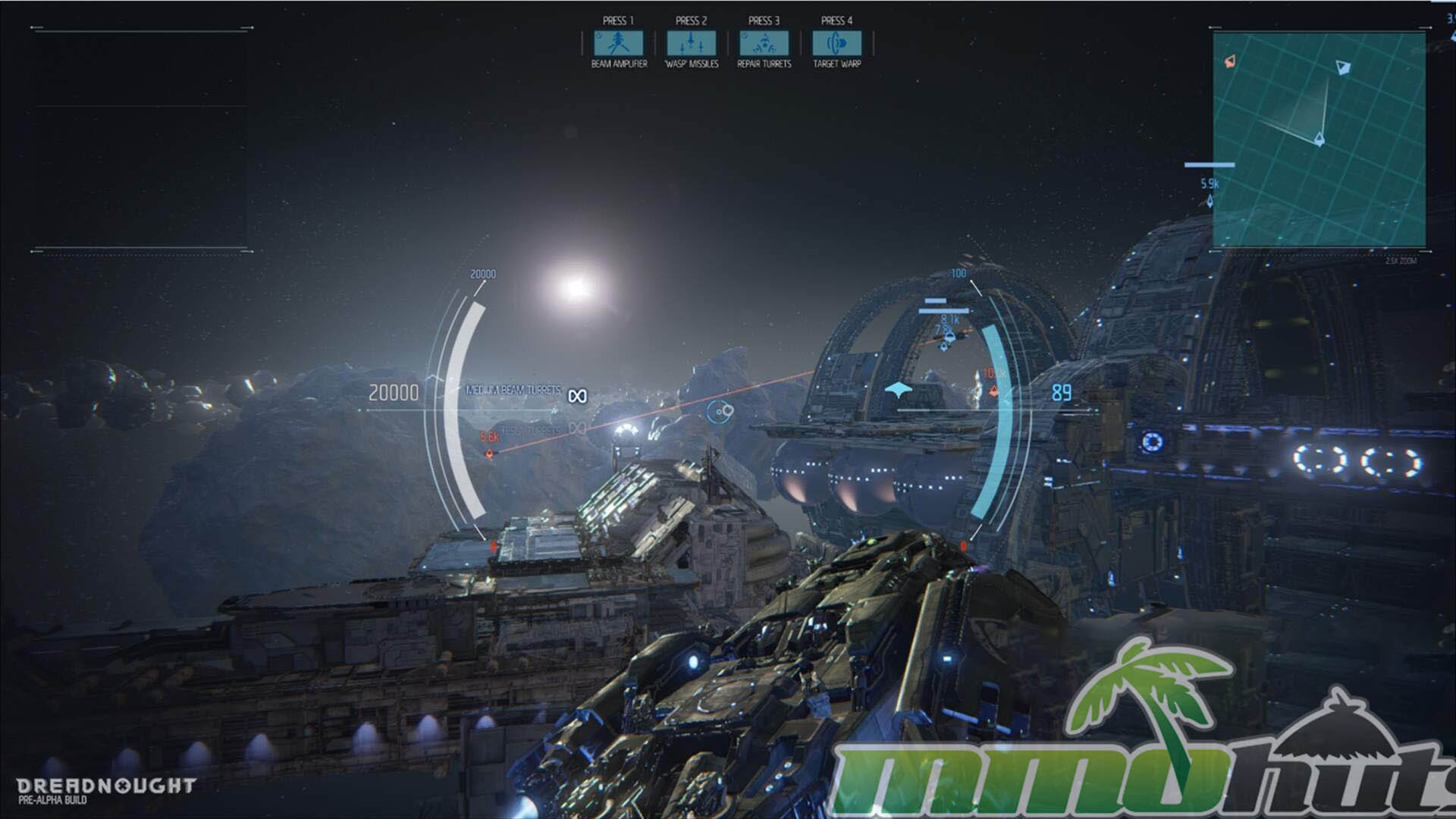
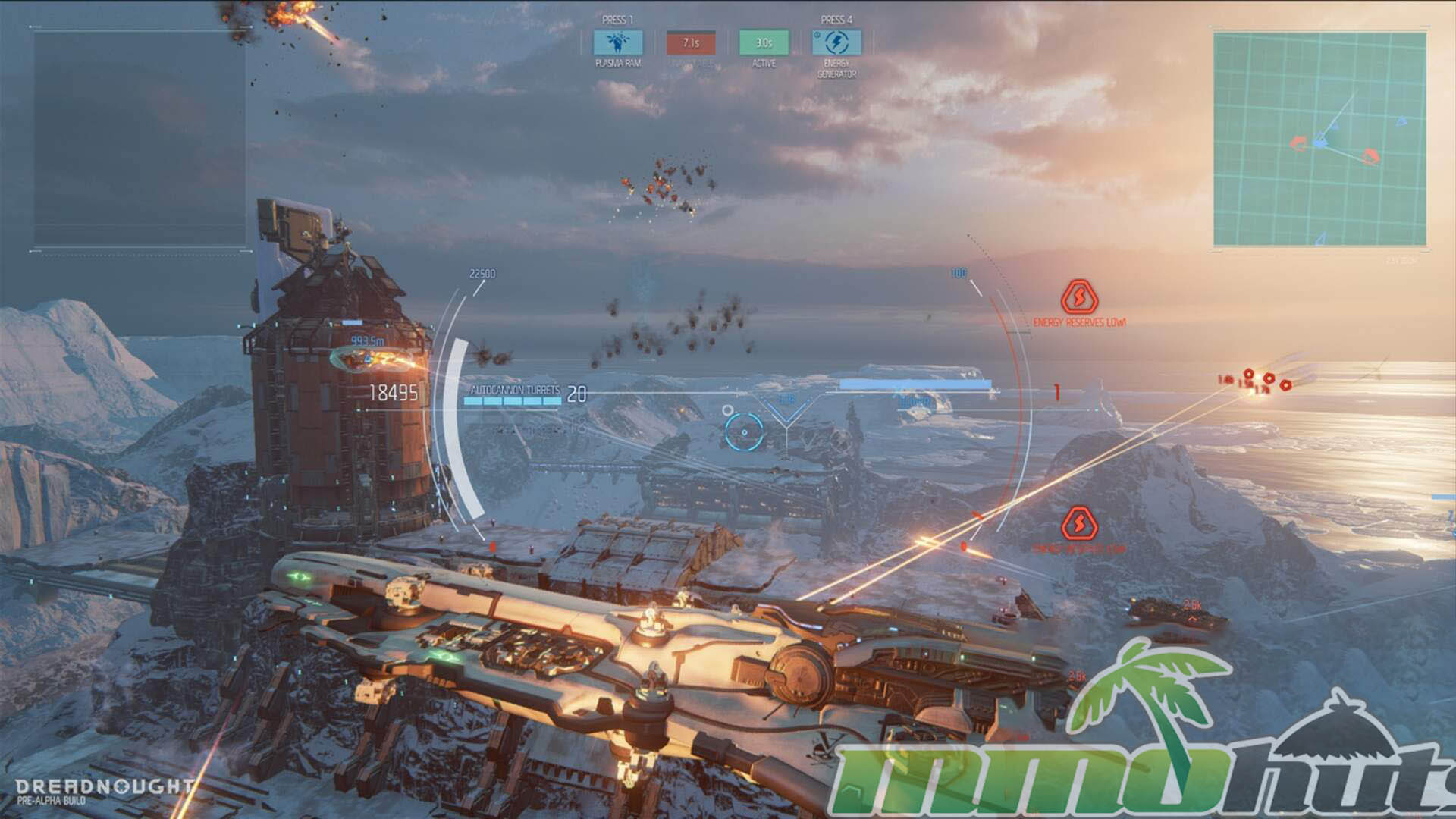
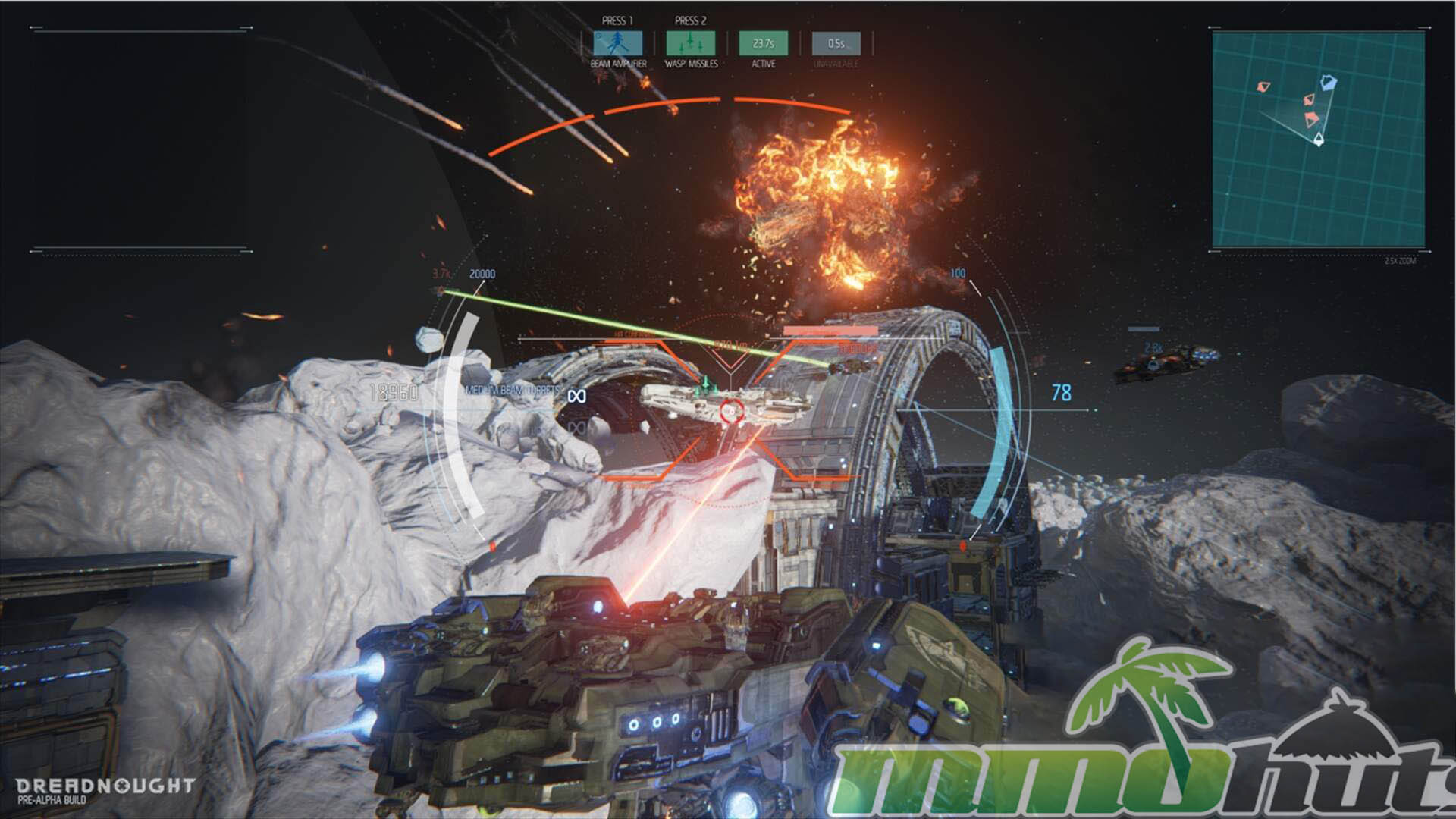
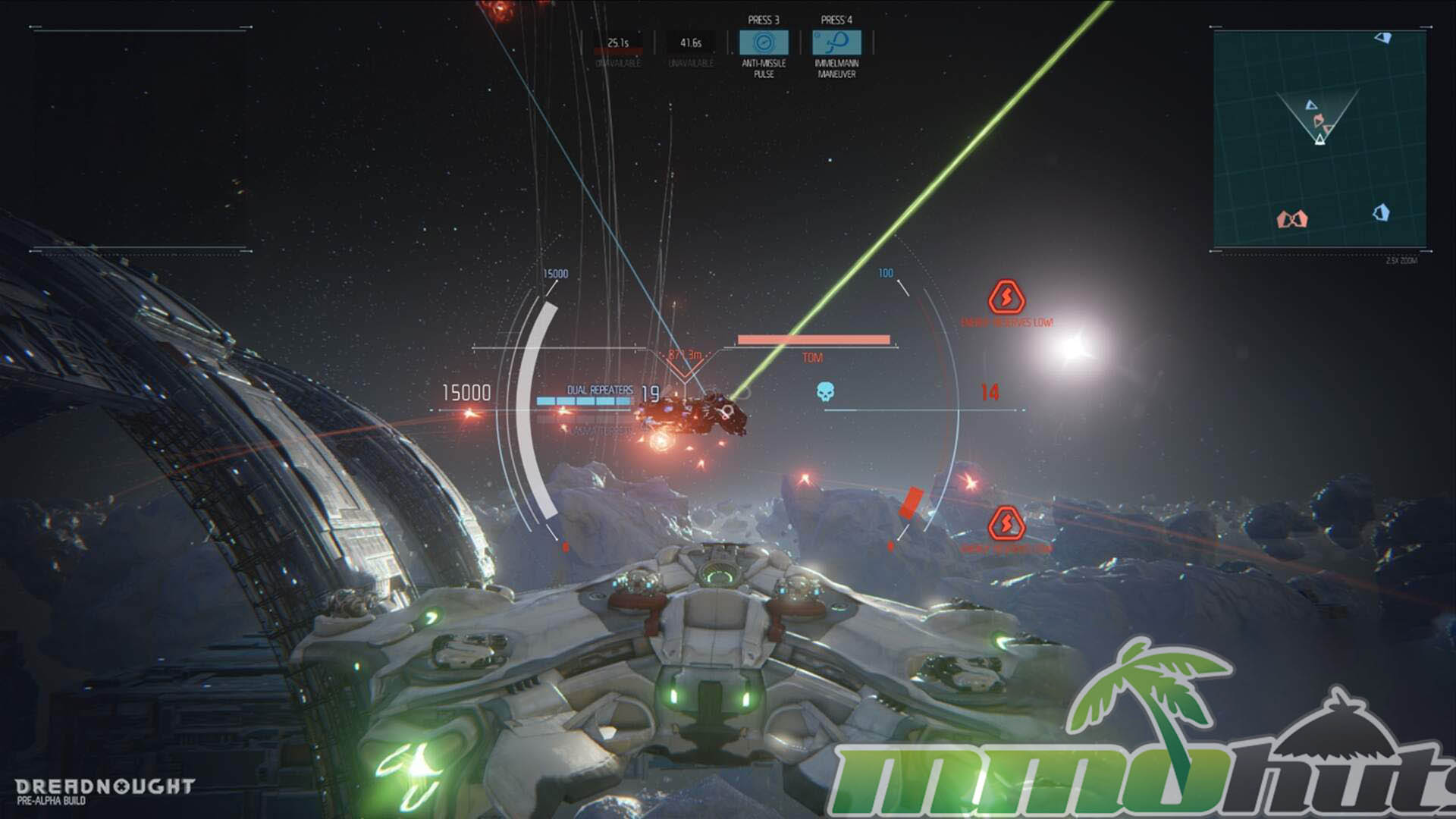
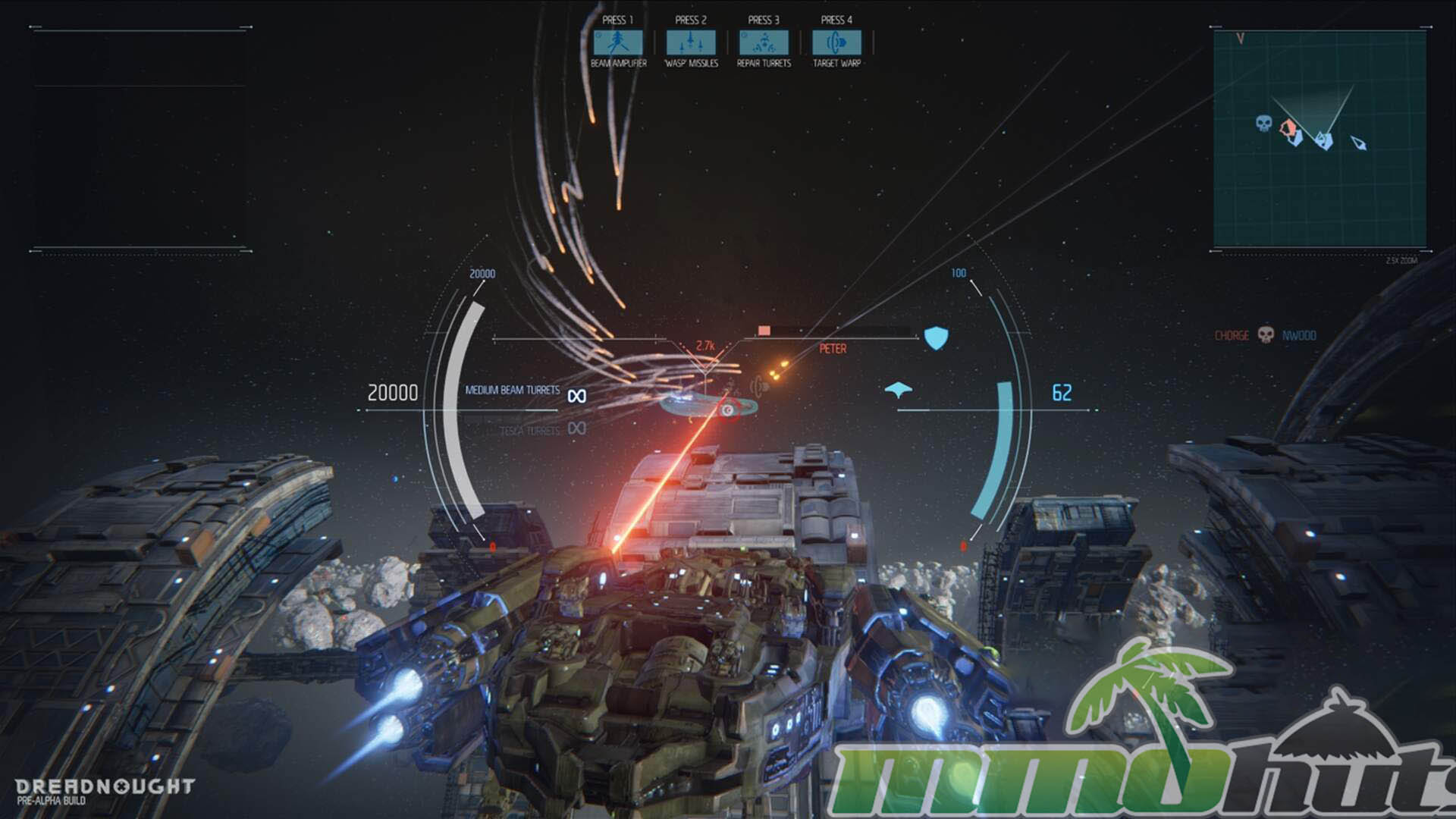
Dreadnought is a free-to-play, third-person sci-fi shooter focused on capital ship combat, not nimble starfighters. Matches revolve around trading heavy laser fire, missiles, and artillery while managing your ship’s direction, cooldowns, and team positioning across a range of maps and modes.
|
Publisher: Grey Box Playerbase: Medium Type: Sci-Fi Shooter Release Date: Oct 14, 2018 (Beta 2016) Pros: +Varied ship classes with distinct roles. +Deep ship loadout and appearance customization. +Several match types to rotate through. +Smart play and coordination are rewarded. Cons: -Interface can feel clunky. -Balance can be inconsistent. |

Dreadnought Overview
Dreadnought is built around the fantasy of piloting enormous warships that turn slowly, hit hard, and demand deliberate decision-making. Rather than focusing on twitchy dogfights, most engagements are about reading the battlefield, taking angles, protecting allies, and committing to pushes at the right time. The ships feel weighty and momentum matters, so a poor rotation or a mistimed retreat can be costly in a way that suits this scale of combat.
Visually, Dreadnought was an attention-grabber from the start and it still aims for that “towering hulls in space” spectacle. The game was first revealed in 2014, later launched in 2018, and it supports free-to-play progression centered on unlocking and tuning ships to match your preferred role.
Core Highlights:
- Team-first combat – victory typically comes from coordinated target focus, smart positioning, and covering each other’s weaknesses.
- Role-based capital ships – pilot massive vessels that lean into different jobs, including brawling durability, long-range pressure, and support utility.
- Ship customization – adjust weapons, modules, officer crew choices, and other build elements to shape how your dreadnought performs.
- Multiple match formats – jump into modes like Team Elimination and Deathmatch alongside other options depending on how long you want a session to be.
- Power management – shift output between shields, weapons, and engines to respond to changing threats and capitalize on openings.
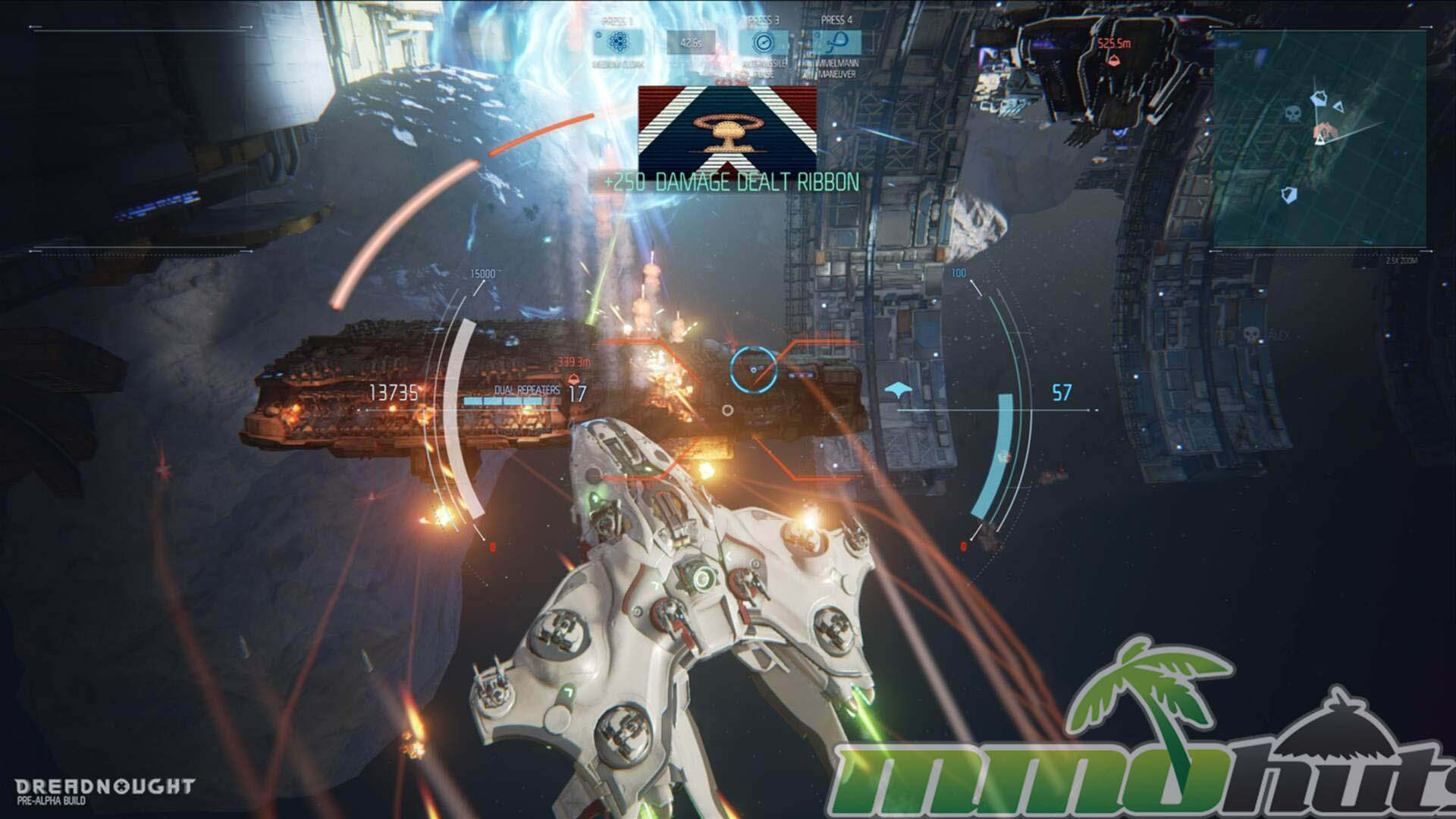
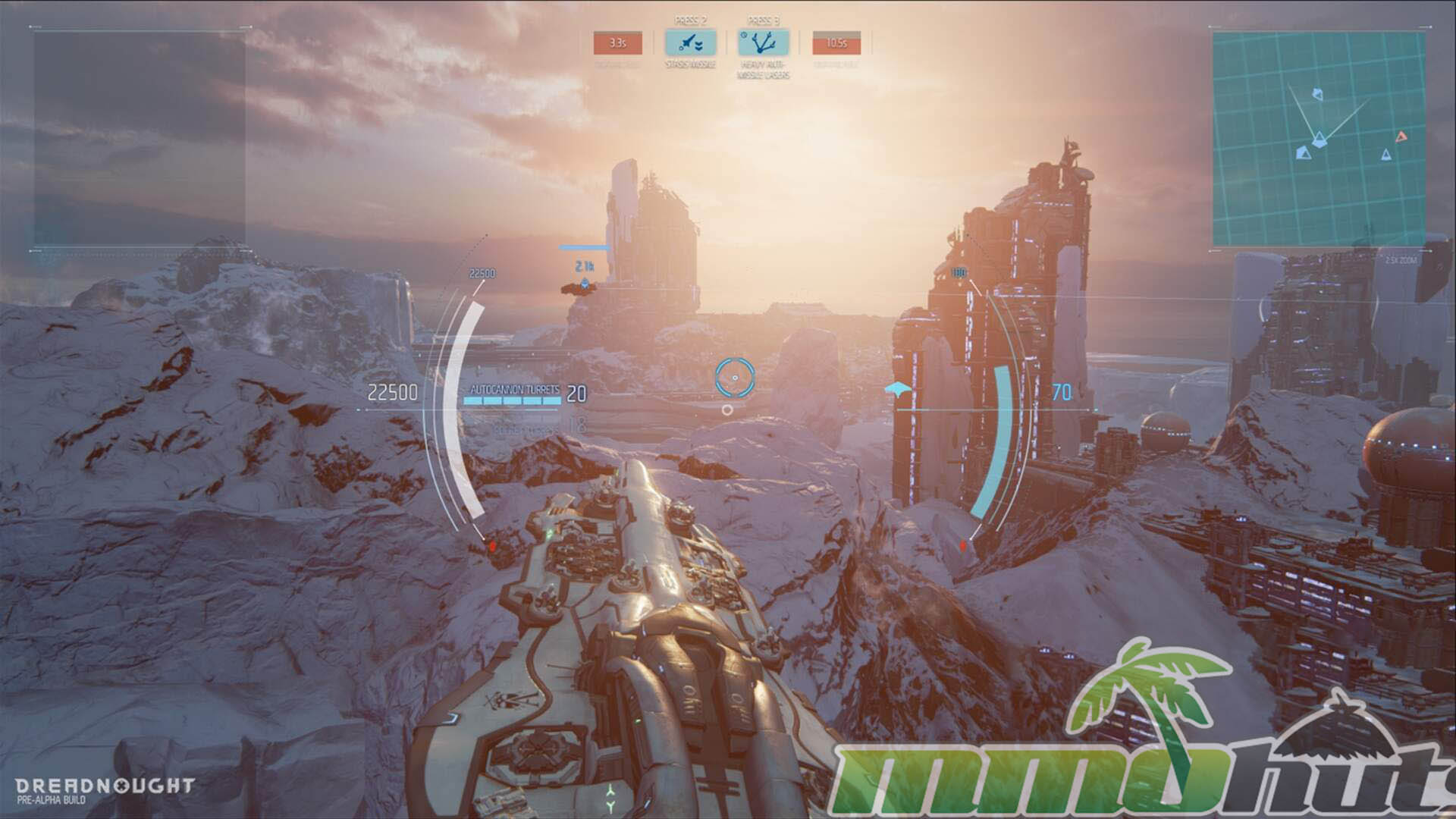
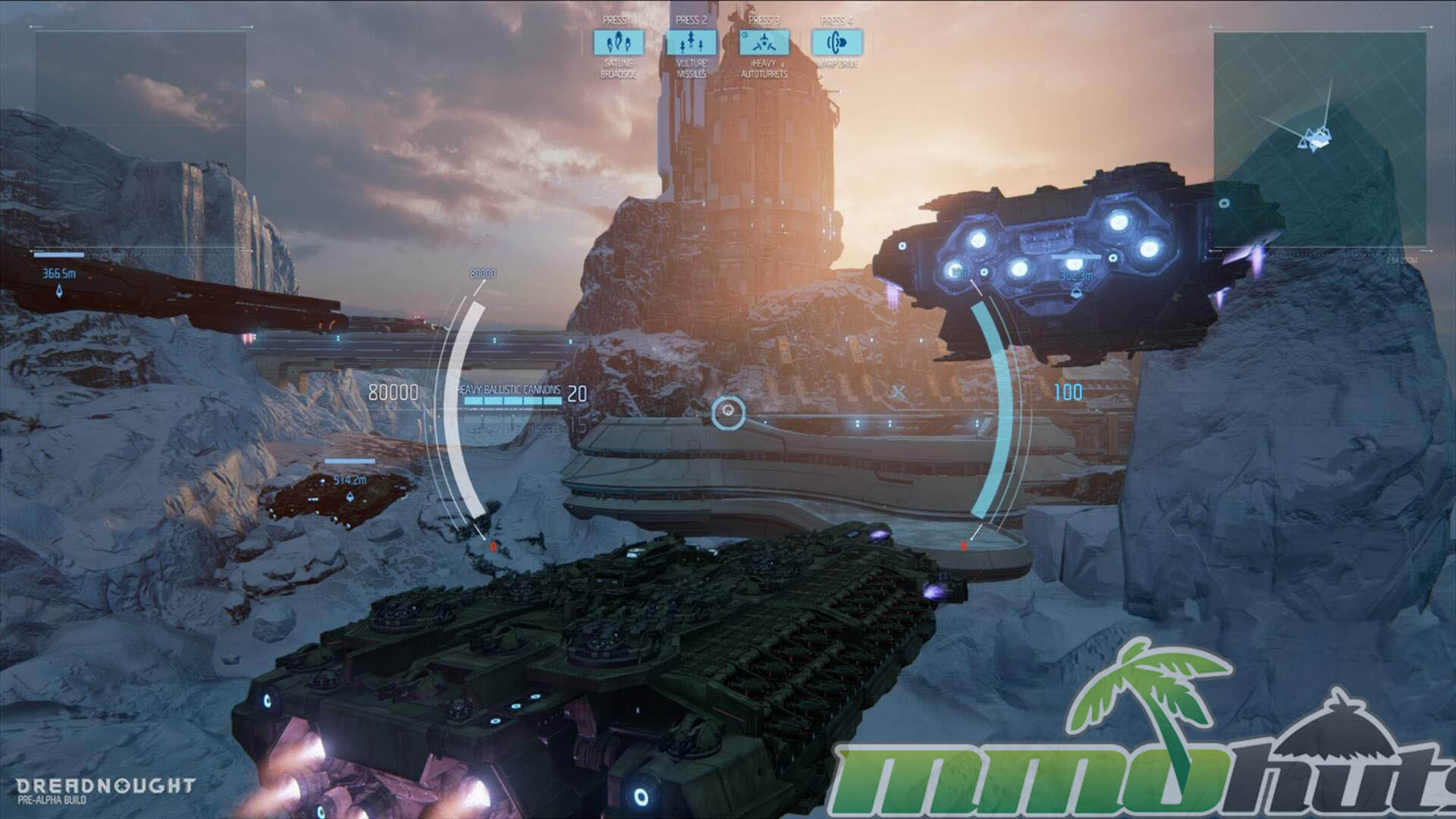
Dreadnought Screenshots
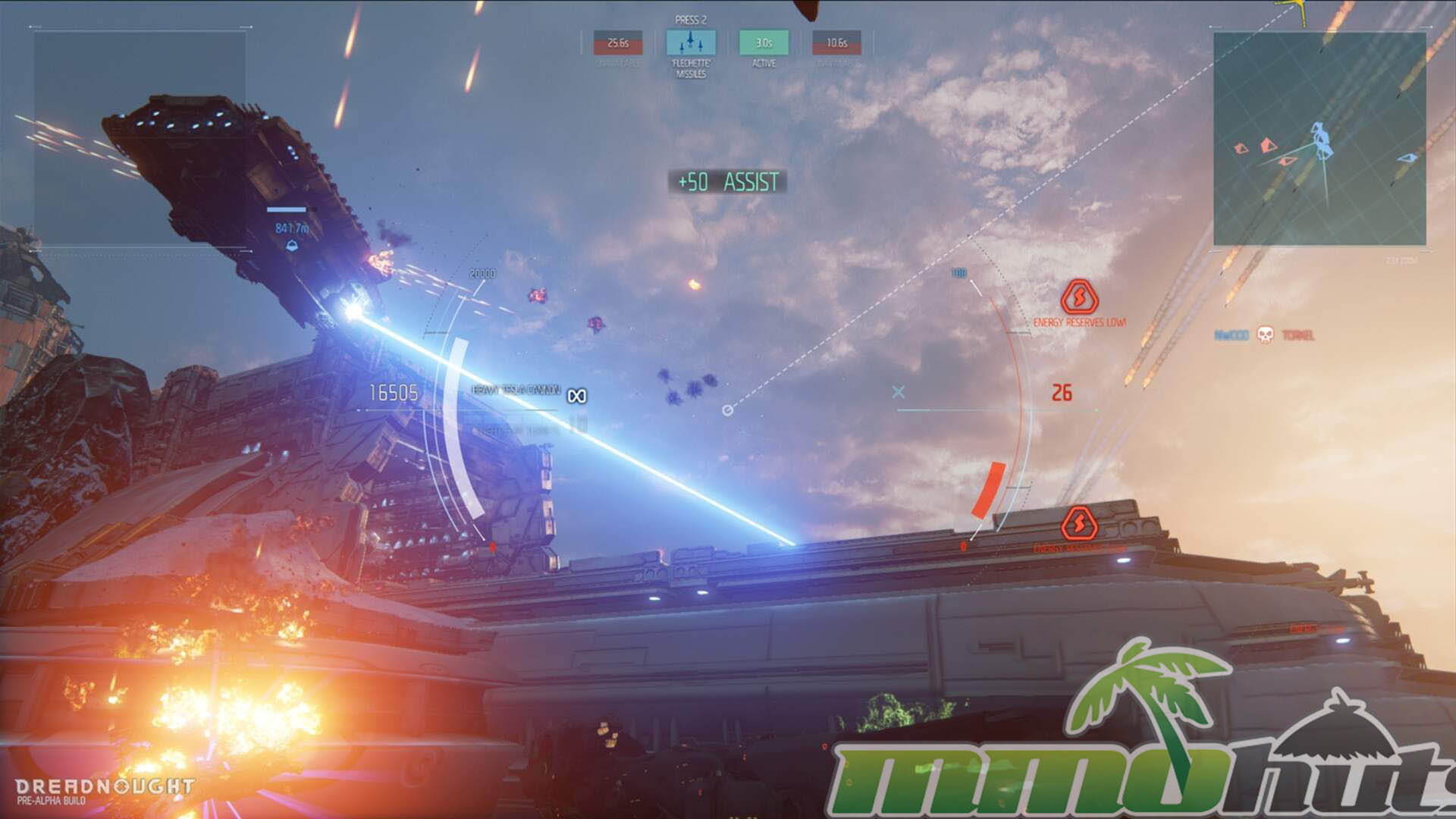
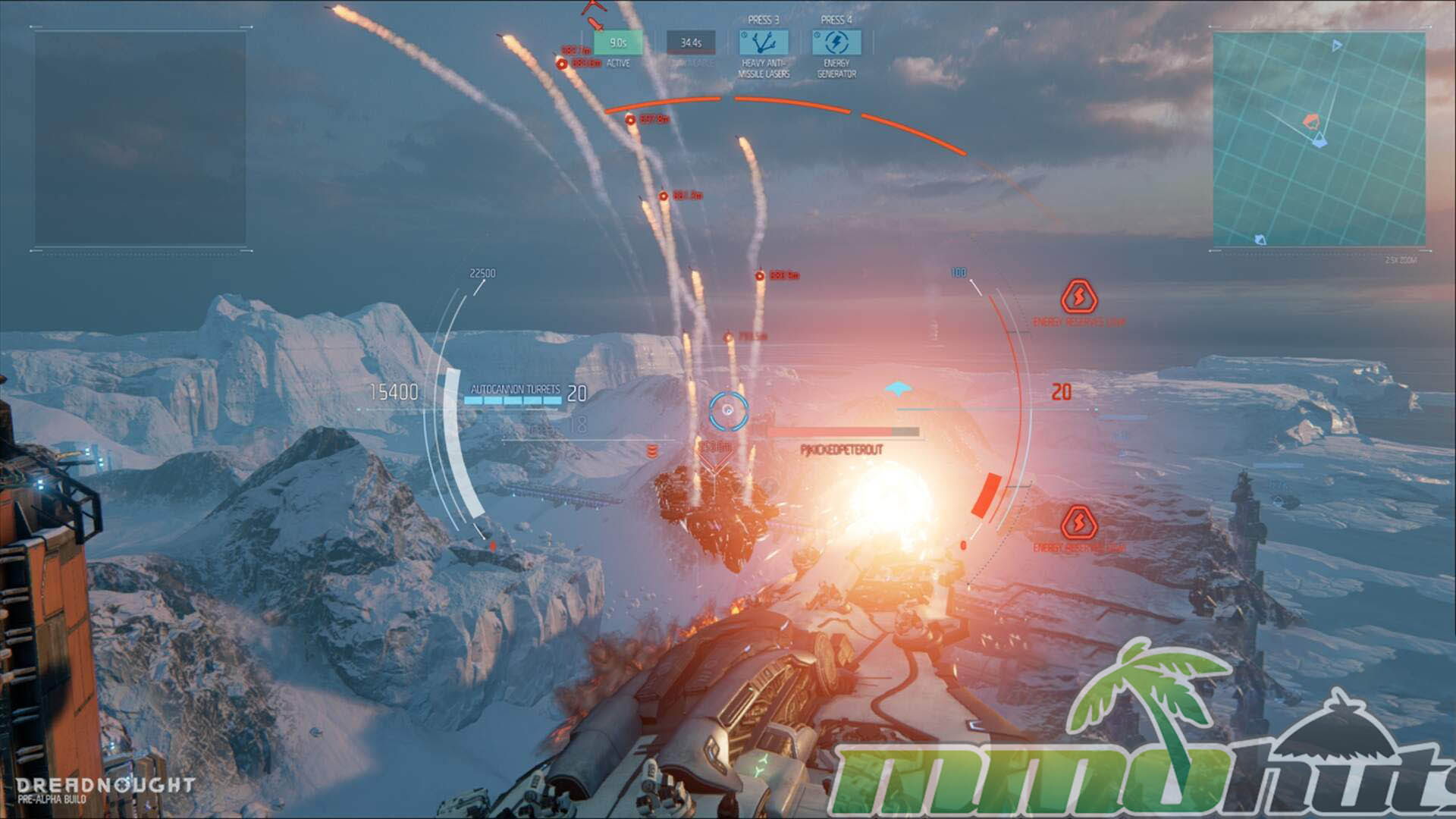
Dreadnought Featured Video

Dreadnought Review
Full review to be added soon.
Dreadnought Requirements
Operating System: Win7 64-bit, Win8/8.1 64-bit
CPU: Intel Core 2 Duo E8200 2.66GHz / AMD Phenom II X2 545
RAM: 3 GB RAM
Video Card: GeForce GTS 250 or Radeon HD 4830
Hard Disk Space: 10 GB available space
Recommended Requirements:
Operating System: Win7 64-bit, Win8/8.1 64-bit
CPU: Intel Core 2 Quad Q9550 2.83GHz / ATI Phenom II X4 955
RAM: 4 GB RAM or more
Video Card: Nvidia GeForce GTX 560 / ATI Radeon HD 6950
Hard Disk Space: 10 GB available space
Official PC specs for Dreadnought have not been published. The figures above are our best approximation drawn from the visuals and gameplay shown so far, and we’ll revise them once the developers share confirmed requirements.
Dreadnought Music & Soundtrack
Coming soon…
Dreadnought Additional Information
Developer: Yager Development
Publisher: Grey Box
Game Engine: Unreal Engine 4
Closed Beta: April 29, 2016
Release Date: 2016
Development History / Background:
Dreadnought is made by Yager, a Berlin-based German developer whose earlier work includes a combat flight simulator released in 2003. Many players recognize the studio for Spec Ops: The Line, and it has also been connected to projects like Dead Island 2. With Dreadnought, Yager moved into the free-to-play space for the first time, designing a multiplayer-focused game built around long engagements, cooldown-based abilities, and ship roles that complement each other.
The project first appeared publicly during E3 2014, and it continued to surface at later events, including PAX East 2015, as development progressed. Closed Beta began on April 29, 2016, marking the point where the game’s core loop, capital ship feel, and team-based pacing were broadly testable at scale.
Development support also came from Six Foot, a studio based in Houston, Texas that contributes across areas like animation, modeling, design, and production. Their wider portfolio includes work on titles such as Quake Live and Grey Goo.