
Candy Crush Soda Saga
Candy Crush Soda Saga is a colorful match-three puzzle title on iOS and Android that asks you to meet level goals under a limited move count. Match candies to trigger special pieces, clear blockers, and push your score high enough to earn stars and unlock the next stage.

|
Publisher: King Digital Entertainment Playerbase: High Type: Puzzle Release Date: October 20, 2014 Pros: +Fresh special-candy interactions. +Helpful boosters and power-ups. +Boards that shift in multiple directions. Cons: -A handful of stages can feel more luck-based than skill-based. |


Candy Crush Soda Saga Overview
Candy Crush Soda Saga is a mobile-first matching puzzle game for iOS and Android. The core loop is straightforward: swap candies to form matches, work toward a specific objective, and finish before your moves run out. Building matches of four or more creates special candies, and chaining those effects is the real key to clearing large sections of the board efficiently.
Level goals vary, which helps the formula stay engaging. Some stages focus on removing blockers, others ask you to rescue or free particular pieces, and many require you to manage the board so you can create the right power candies at the right time. Your performance is graded with a star rating, and earning at least one star within the move limit is what pushes you forward to the next level.
Candy Crush Soda Saga Key Features:
- New Candy Combos – introduces additional special-candy patterns and interactions that build on earlier Candy Crush ideas.
- Hundreds of Levels – delivered in frequent content drops, typically in episodes of 15 stages or more.
- Dynamic Piece Movement – stages can shift and flow in unusual directions, forcing you to rethink standard match-three positioning.
- Strong Visual and Audio Effects – bright presentation with snappy animations and satisfying sound cues that make combos feel impactful.
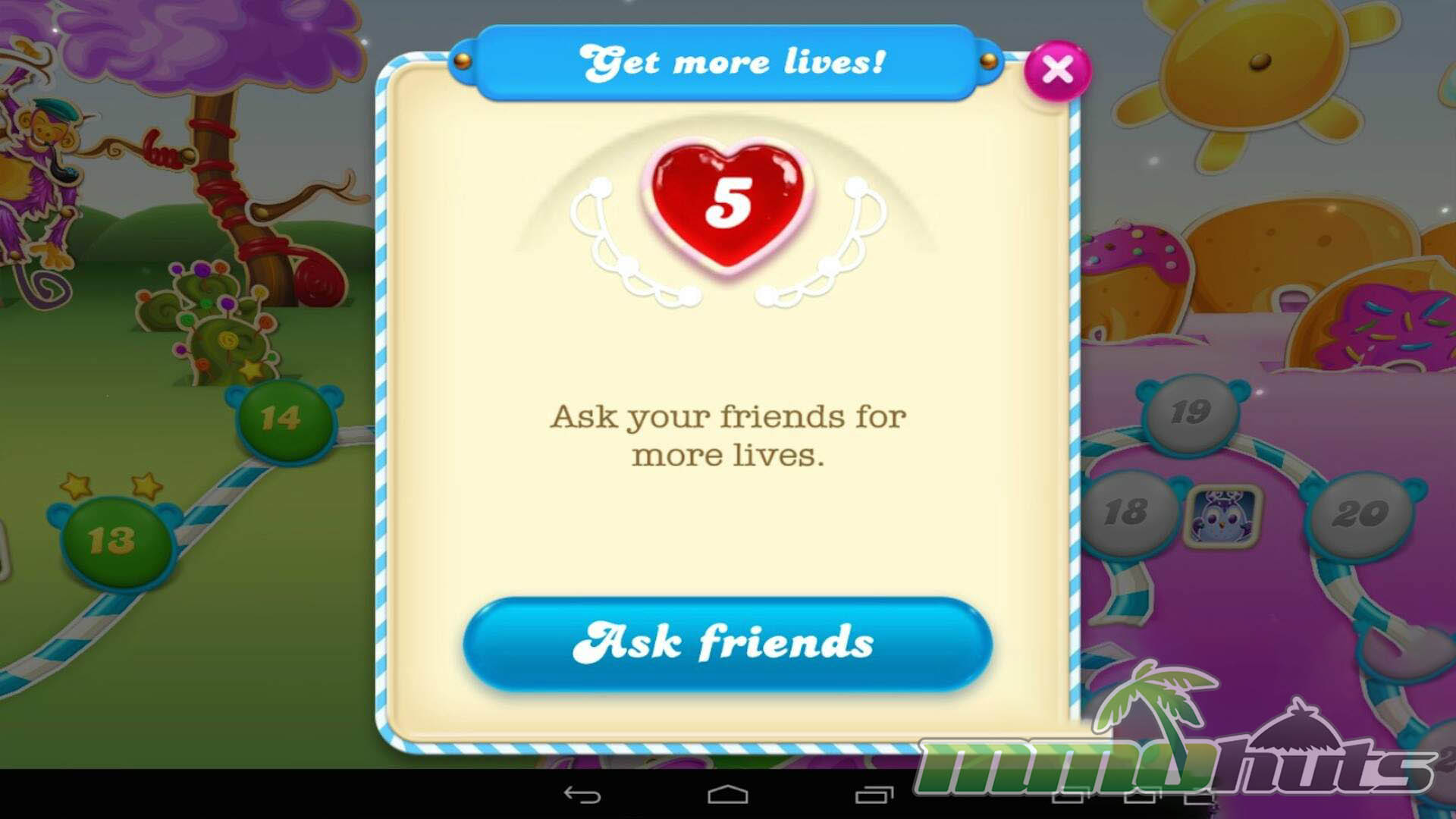
- Life Regeneration – one life regenerates every 30 minutes.
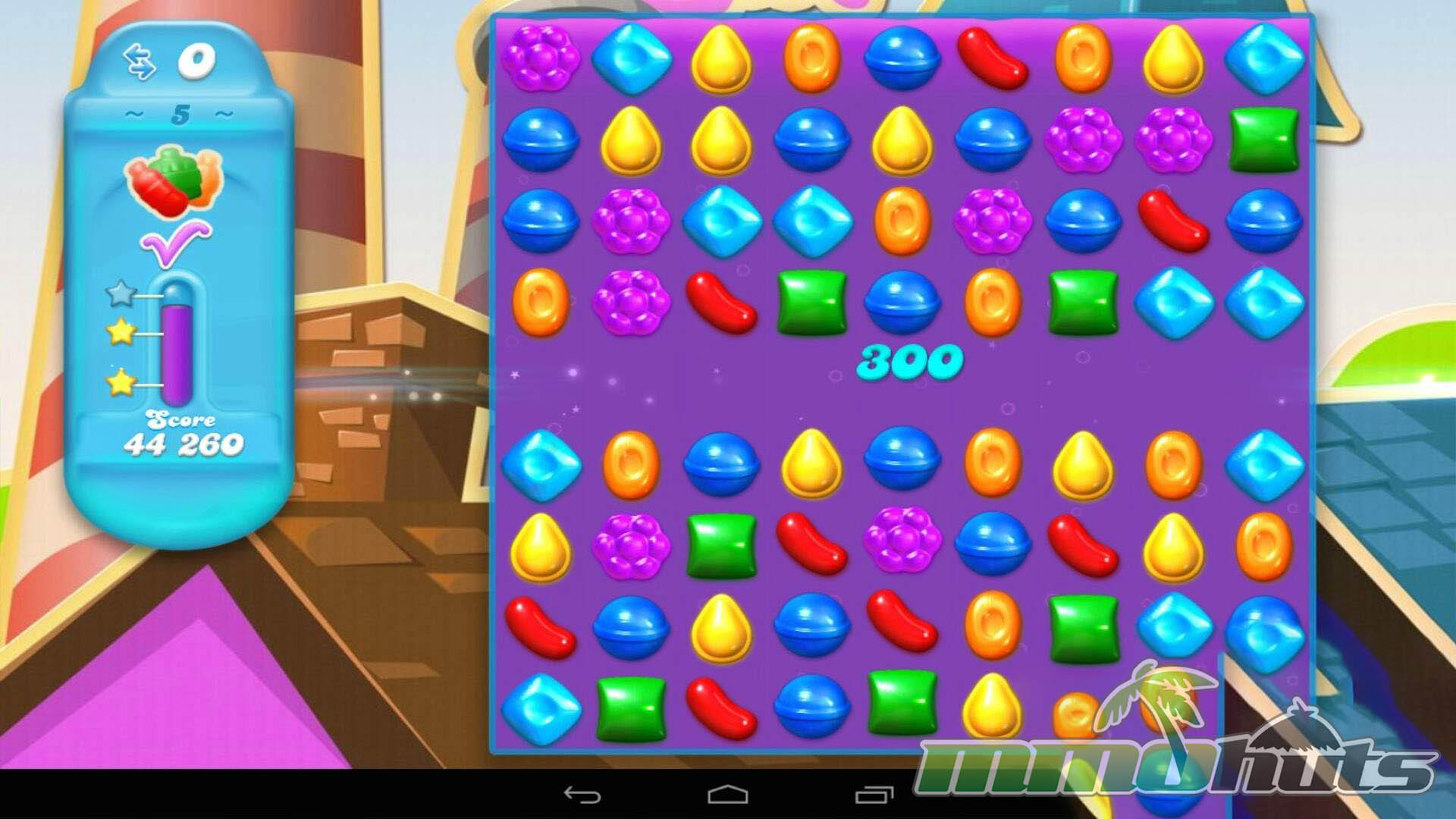
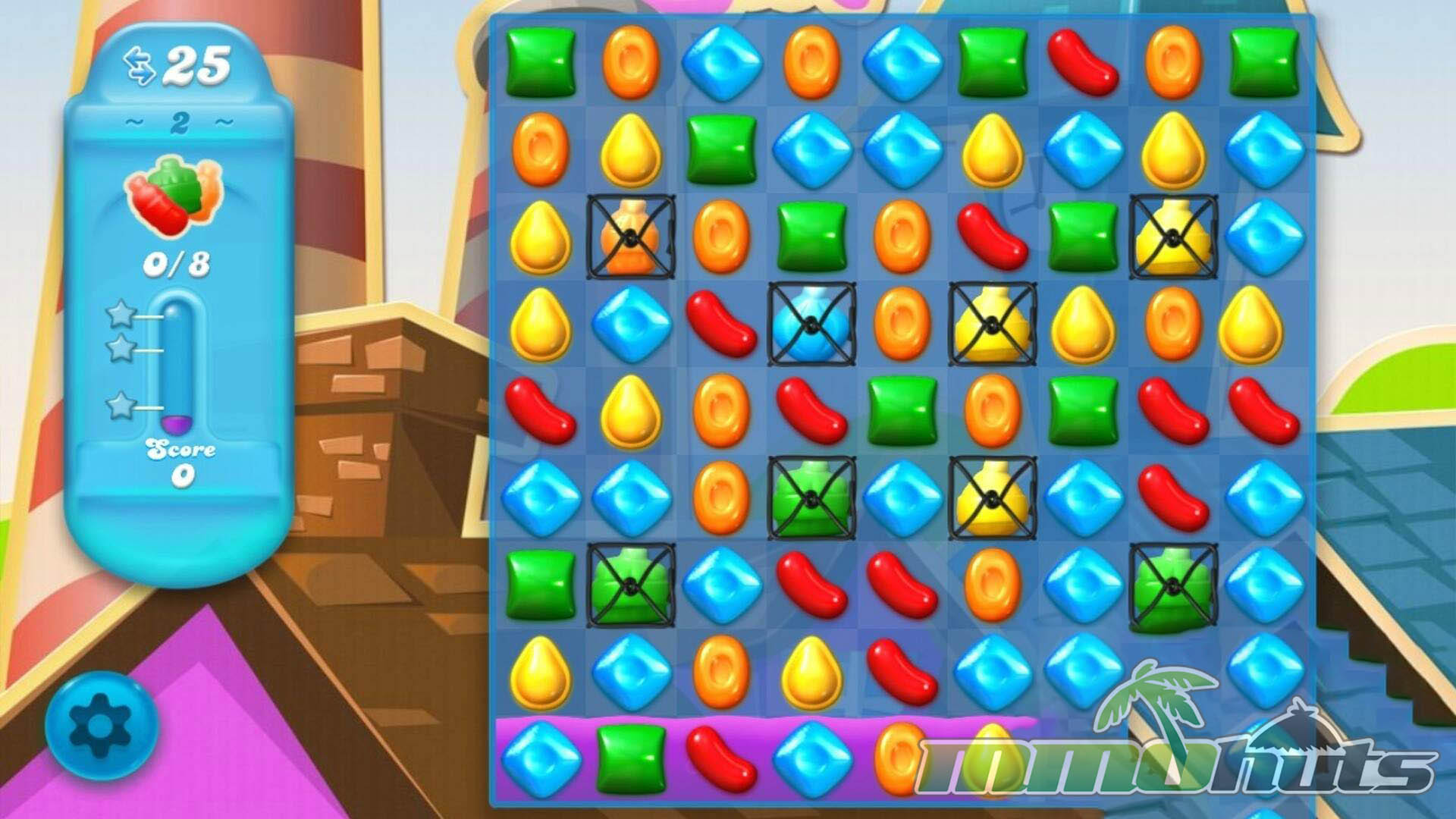
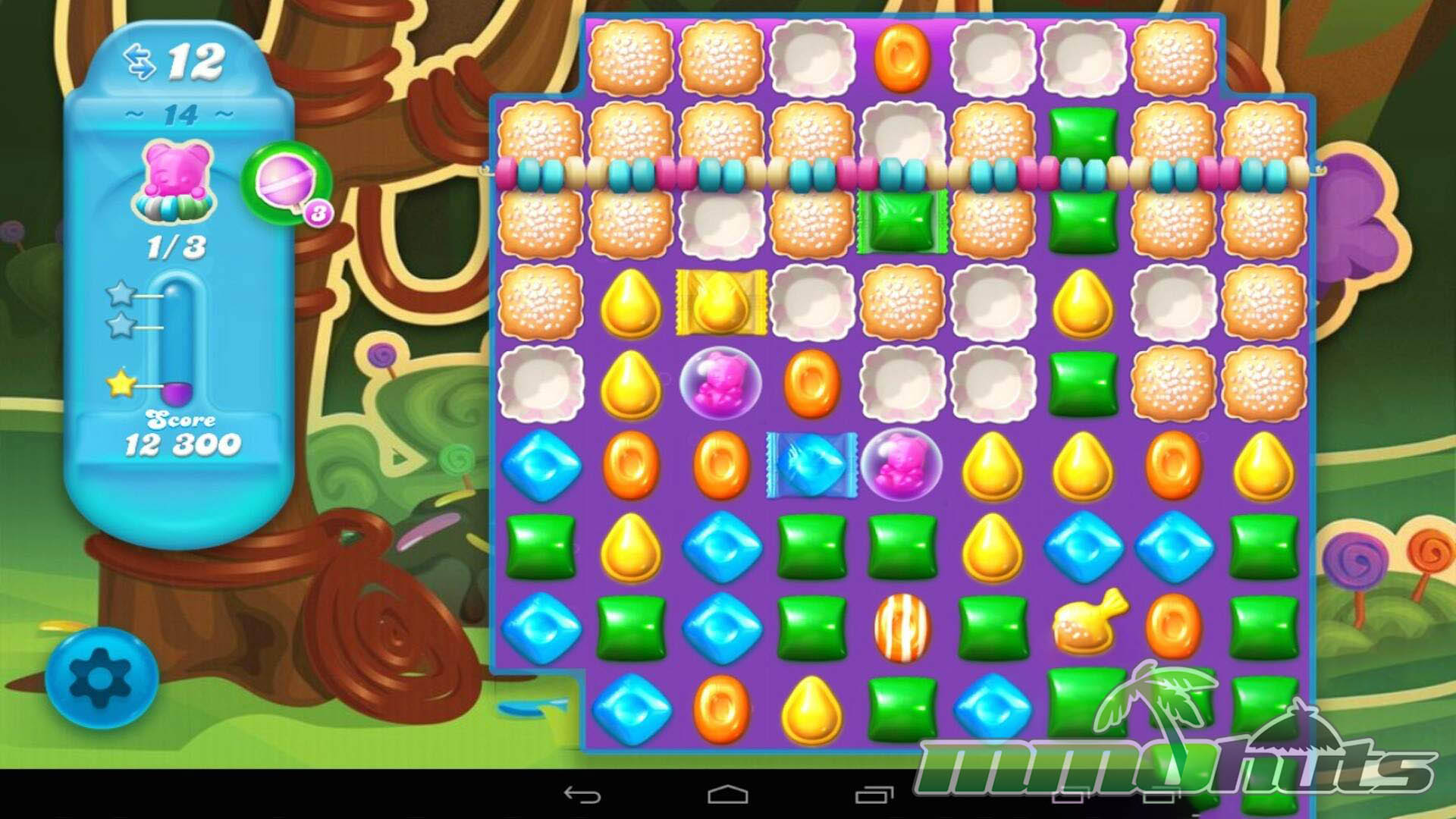
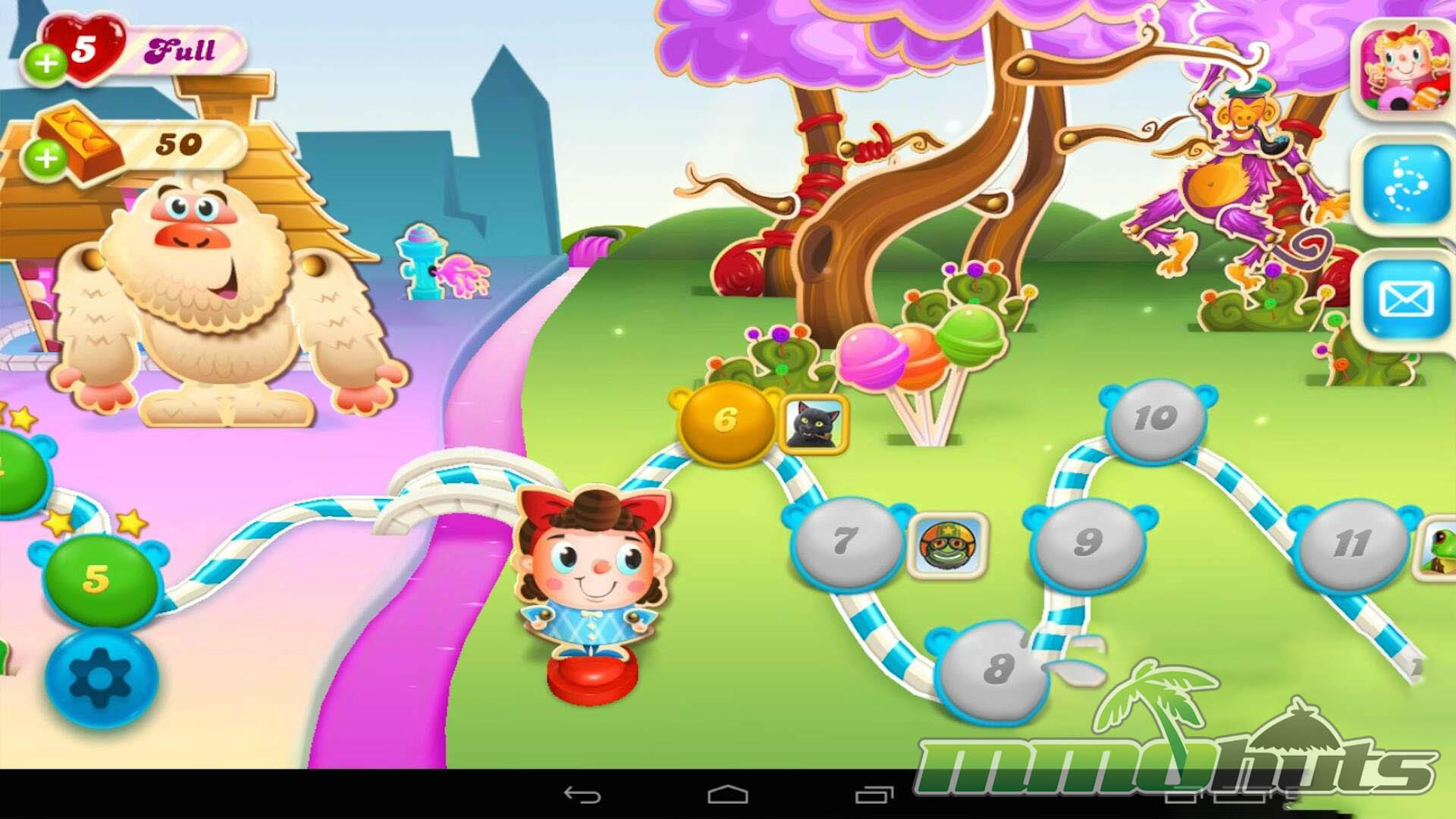
Candy Crush Soda Saga Screenshots




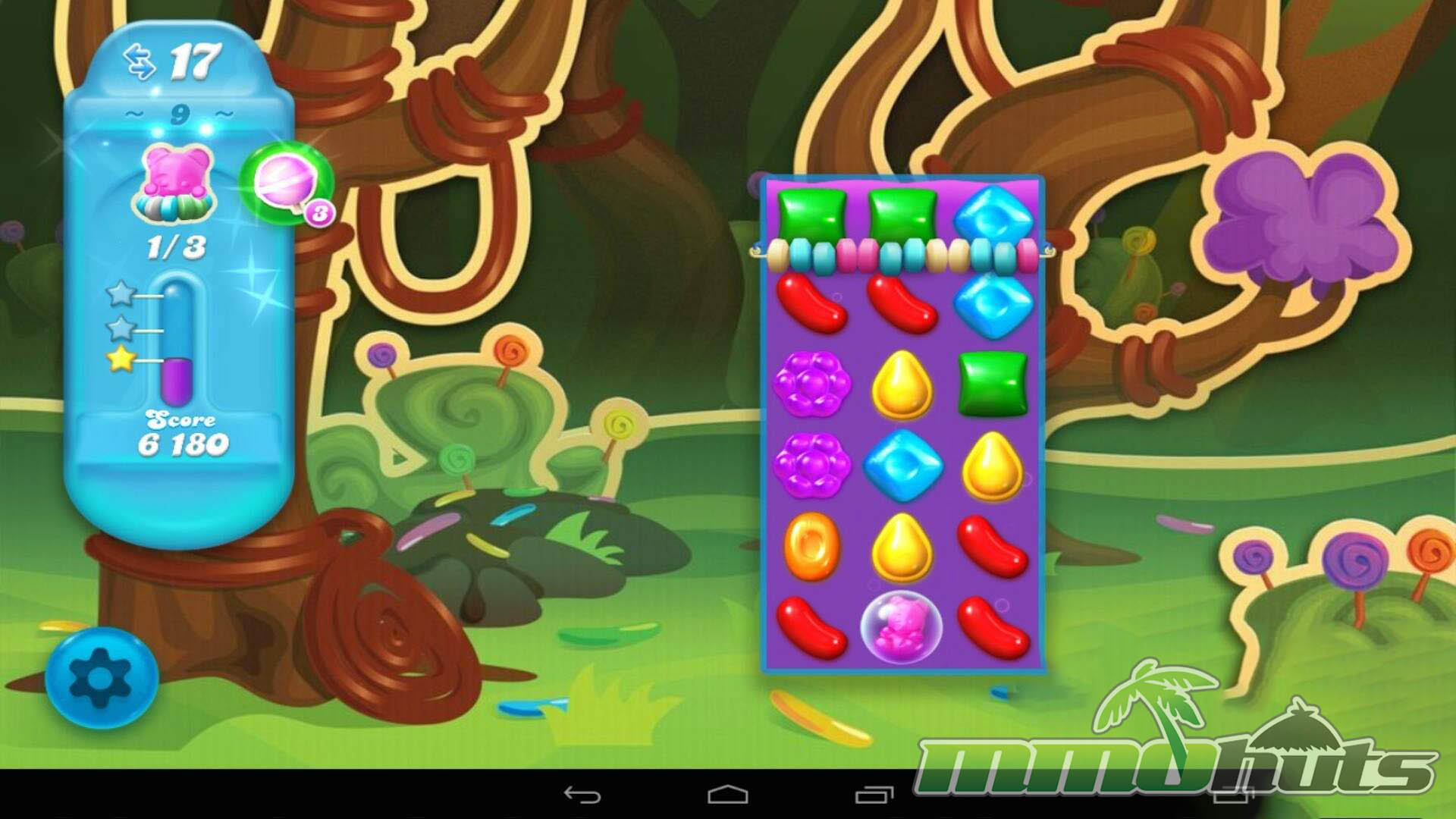

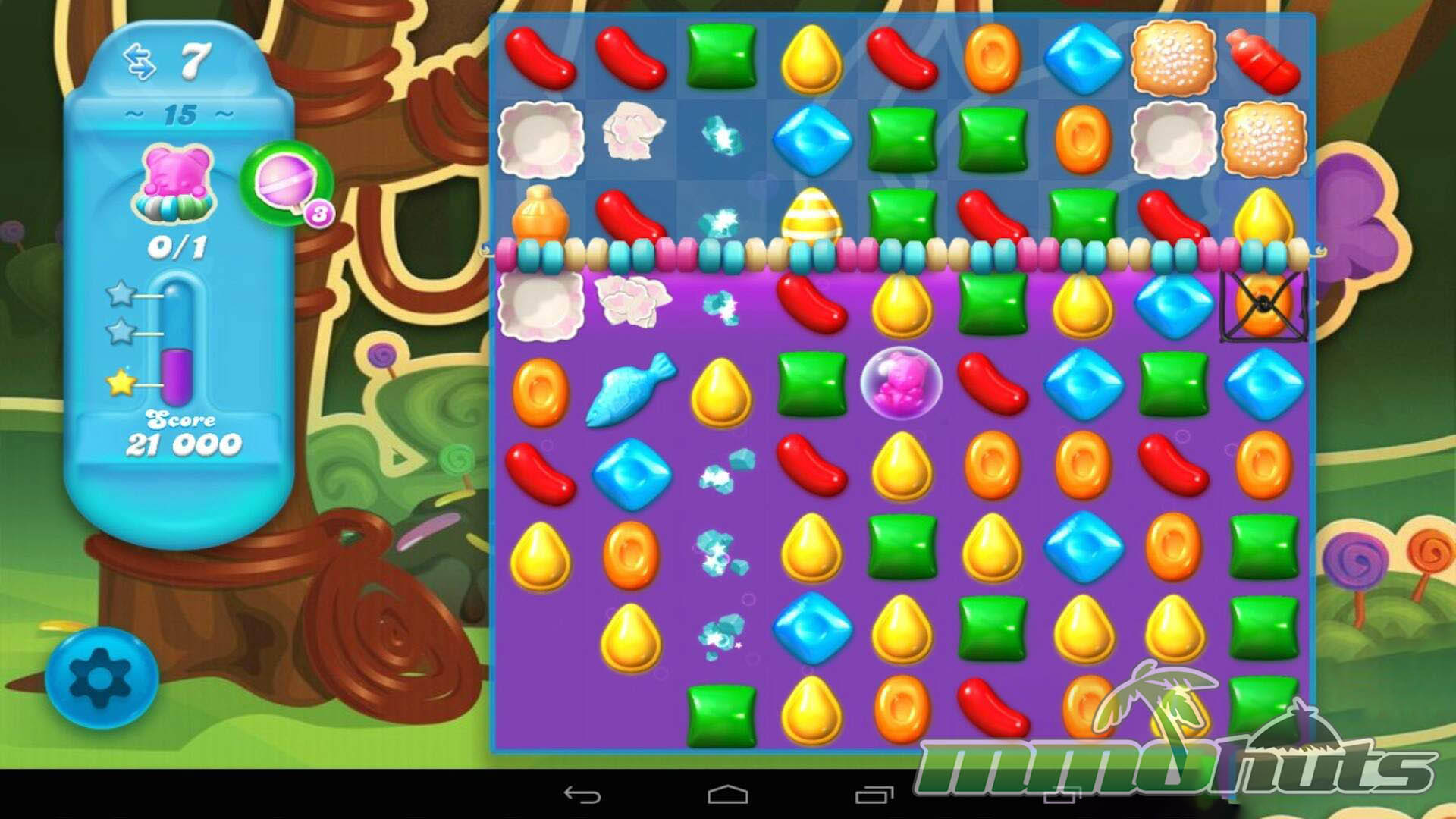
Candy Crush Soda Saga Featured Video

Candy Crush Soda Saga Review
Candy Crush Soda Saga takes the familiar match-three foundation and leans into what King does best: quick sessions, clear objectives, and constant small rewards that make it easy to say “one more level.” It is a direct follow-up to Candy Crush Saga, and while the moment-to-moment play is instantly recognizable, Soda Saga adds enough twists to make boards feel less like simple repeats and more like small puzzles that reward planning.
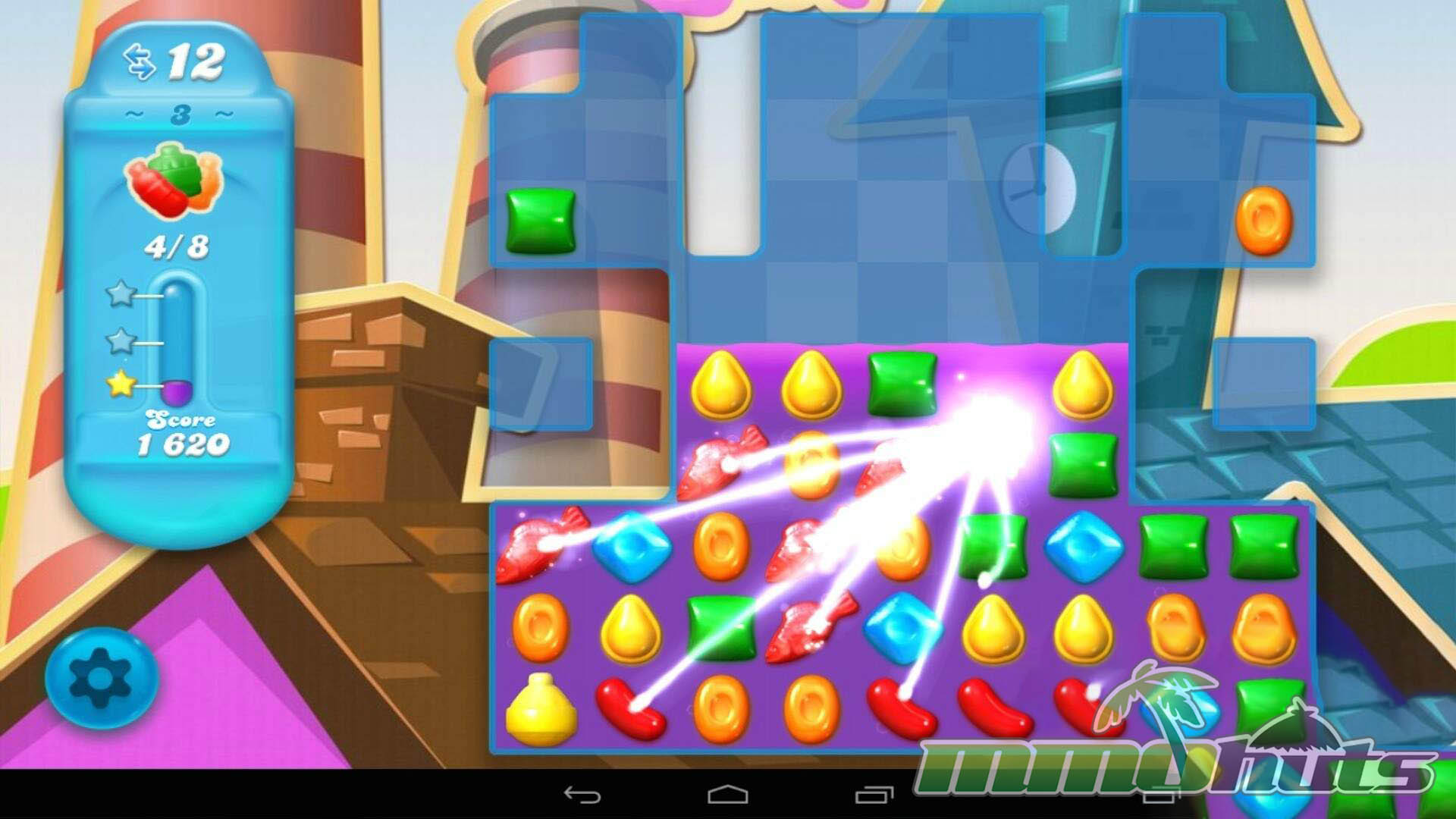
At its simplest, you swap adjacent candies to make matches of three, which clears them and drops new pieces into place. Where the game opens up is in matches of four or more, which create special candies that can clear lines, explode areas, or trigger broader chain reactions. Each level sets a goal, such as clearing specific blockers or freeing trapped items, and you need to do it within a limited number of moves. Scoring is tied to efficiency and combo creation, resulting in a 1 to 3 star rating that pushes completionists to replay stages for better outcomes.
A sugary world that keeps things readable
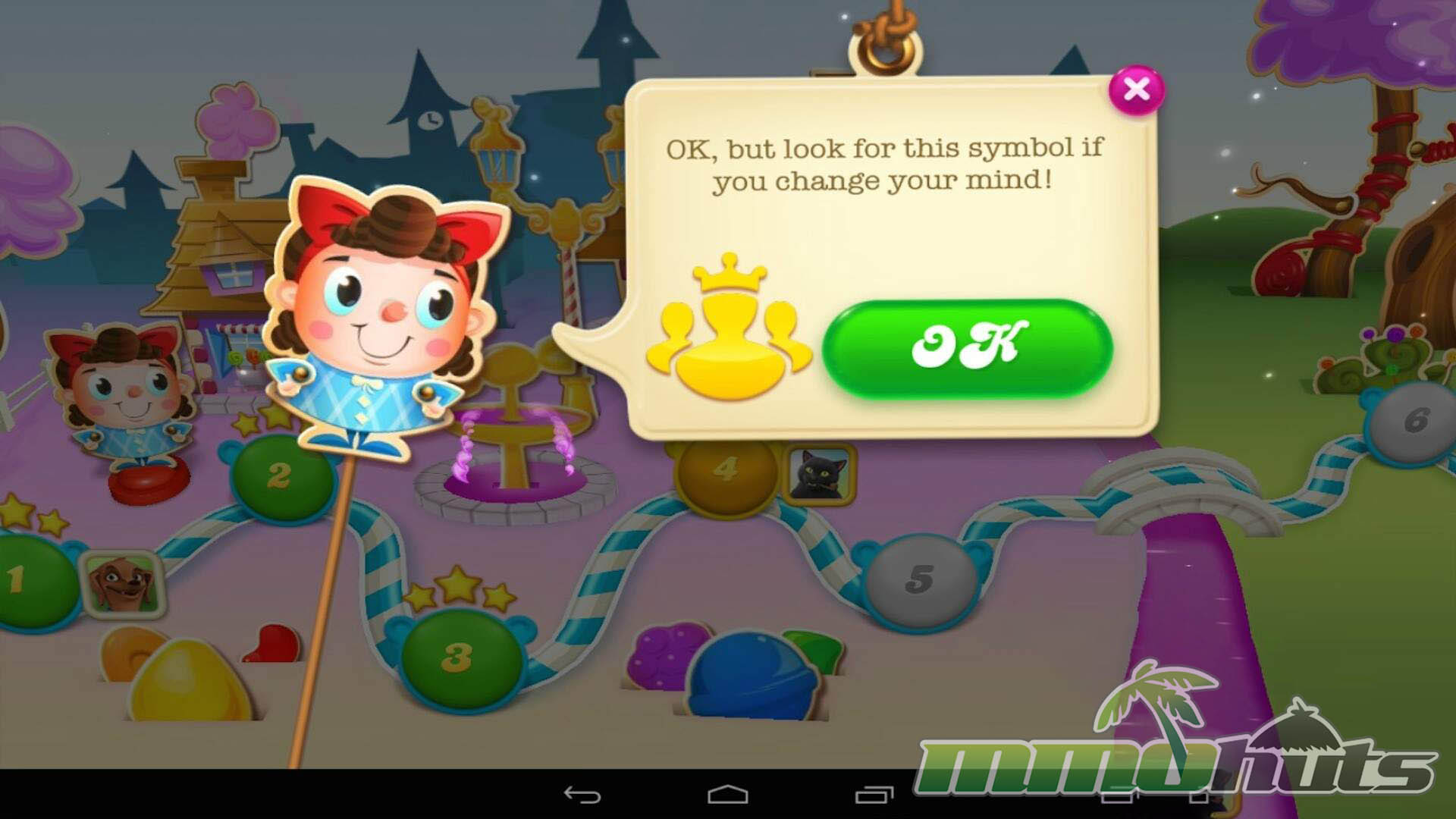
Soda Saga uses a bright, candy-themed map and playful animations to give the level-to-level progression a sense of place, even if the “story” is mostly flavor. The big win is clarity: despite the busy theme, the board elements are usually distinct enough that you can quickly identify what matters (blockers, cages, objectives) and plan a few moves ahead. The presentation does a lot of heavy lifting for a game built around repetition, because it keeps each small success feeling tangible, whether that is a clean striped-candy sweep or a lucky cascade that clears half the board.
The early stages act as onboarding, introducing board sizes, basic blockers, and the standard life system. You are also shown boosters and consumable tools up front, which signals what the game wants from you long-term: learn the mechanics, then decide whether to wait, replay, or spend resources when the puzzle gets tight.
New mechanics that change priorities
Soda Saga’s standout additions are its soda-themed pieces and the way they reshape your move planning. Rather than simply hunting the largest match available, you are often encouraged to prioritize specific targets on the board, because interacting with those targets can shift the state of the level in your favor. This is a subtle but important upgrade, it makes many stages feel less like raw pattern-matching and more like setting up a sequence.
The game also introduces new special candy types that fit naturally alongside the classic striped, wrapped, and color bomb pieces. These additions are easy to understand, but they create extra decision points: do you spend a move to trigger a helpful effect now, or do you hold it and try to combine it with another special candy for a stronger payoff?
Early levels, then the training wheels come off
The first stretch is intentionally gentle, giving you time to learn how soda-related objectives and new specials behave. Once you have seen the basics, the level design starts mixing in constraints that force more deliberate play: locked pieces, awkward board partitions, and layouts where gravity and flow do not behave like a standard top-to-bottom grid.
This is where Soda Saga becomes more interesting than a simple “match three until the bar fills.” Boards often ask you to create space before you can even attempt the real objective, and that requires recognizing patterns that will lead to chain reactions. When it clicks, it feels great, because a single well-placed combo can convert a messy board into a clean path to victory.
Difficulty curve: mostly fair, occasionally sharp
As you progress, blockers and multi-hit obstacles become more common, and the move limits start to feel strict. The best levels are the ones where you can see the solution forming after a few attempts: you learn which area to open first, which special candy to aim for, and how to avoid wasting moves on low-value matches.
The rougher moments come when a stage seems to demand very specific special-candy outcomes, or when the initial board state gives you few good setup options. In those cases, your strategy matters, but it can still feel like you are waiting for the right cascade or the right color distribution to appear. Those spikes do not define the whole experience, but they are noticeable, especially when you are trying to clear a level with no boosters.
Boosters, combos, and the “almost had it” loop
Candy Crush Soda Saga is built around the tension of finishing just short of the goal. You will often end a level thinking one extra move would have done it, and the game conveniently offers ways to bridge that gap. Boosters and special-candy combinations are genuinely fun tools, and experimenting with them is part of the appeal. Combining powerful candies can wipe out huge areas, remove stubborn blockers, and swing a run from failure to a comfortable win.
The tradeoff is that some stages feel tuned with those tools in mind, which can nudge the experience toward retries, waiting for lives, or using resources. The game generally rewards skillful setup, but it is also designed to keep you in that narrow band where progress is possible and tempting, yet not always immediate.
A casual puzzle game with a very intentional economy
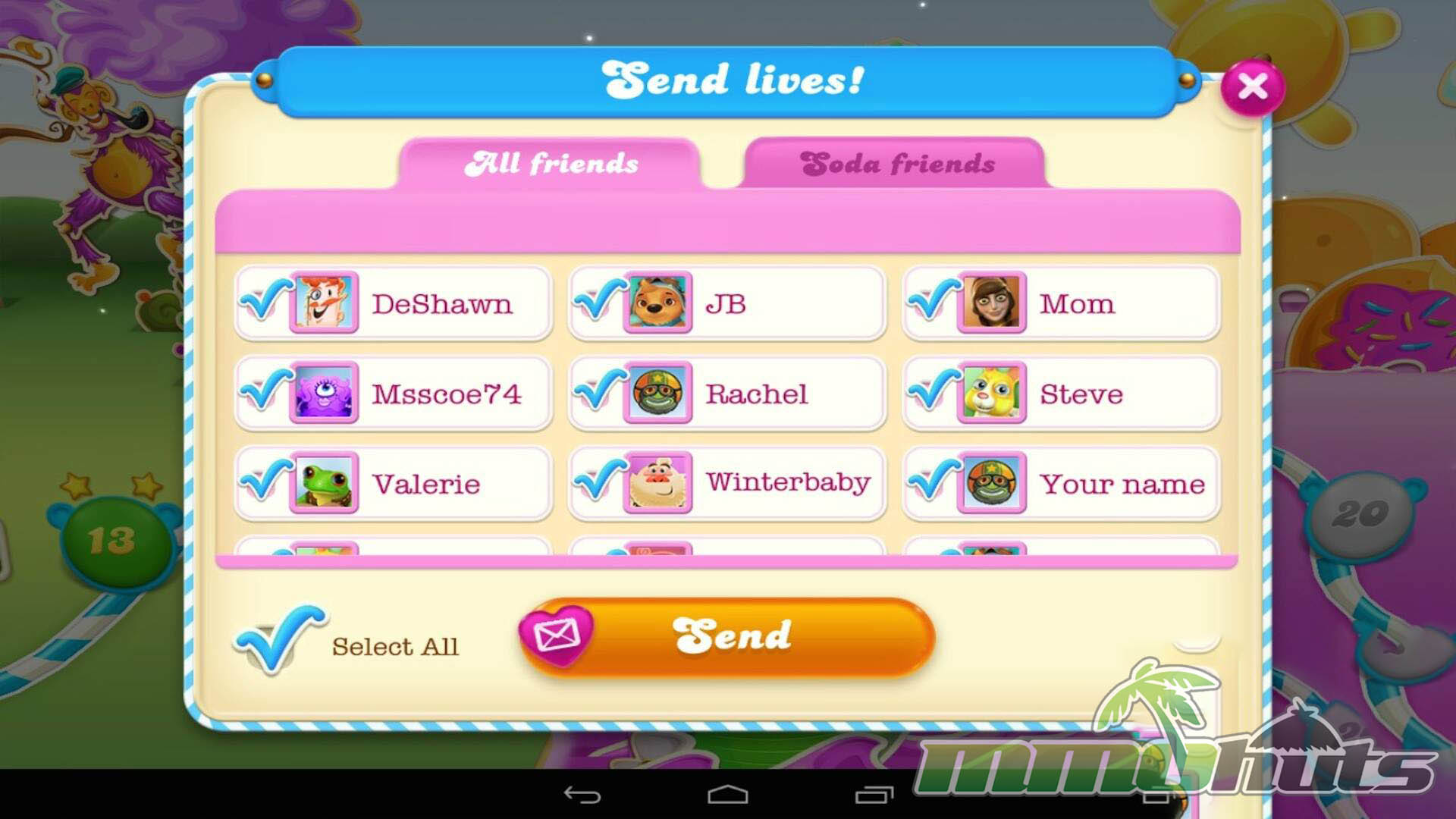
Soda Saga’s pacing makes it ideal for short play sessions. The life timer encourages breaks, and the map structure makes it easy to stop after a level or two. At the same time, the combination of limited lives, occasional difficulty spikes, and highly effective boosters creates a gentle pressure to engage with social features or in-app purchases.
None of this is unusual for the genre, but it is worth understanding what you are downloading. If you enjoy the core puzzle solving, you can make steady progress for free with patience and smart play. If you dislike being held at a gate by move limits or “one more try” design, the later stages may wear on you.
Final Verdict – Great
Candy Crush Soda Saga succeeds because it respects the familiar Candy Crush rhythm while adding mechanics that make many boards feel more dynamic than the original. The soda elements and expanded special-candy interactions create satisfying “big moment” plays, and the presentation remains polished and easy to read on mobile screens.
It is not perfect, and some levels can lean too heavily on favorable outcomes, but as a free-to-play match-three puzzle game it delivers a strong mix of accessibility and depth. If you liked Candy Crush Saga and want a similar experience with a few meaningful twists, Soda Saga is an easy recommendation.
Candy Crush Soda Saga Links
Candy Crush Soda Saga Official Site
Candy Crush Soda Saga Wikipedia
Candy Crush Soda Saga Wikia [Database/Guides]
Candy Crush Soda Saga System Requirements
Minimum Requirements:
Operating System: Android 2.3, iOS 5 or later
Hard Disk Space: 47MB
Candy Crush Soda Saga Music & Soundtrack
Candy Crush Soda Saga Additional Information
Developer: King Digital Entertainment
Publisher: King Digital Entertainment
Distributor: Activision Blizzard
Game Director(s): Sebastian Knutsson
Composer(s): Johan Holmström
Facebook Release Date: October 20, 2014
Android and iOS Release Date: November 11, 2014
Development History / Background:
Candy Crush Soda Saga was developed under King’s creative leadership, with creative director Sebastian Knutsson associated with the project. Development took place at King’s Stockholm, Sweden studio, and the game initially appeared via a soft launch in May 2014 before wider availability.
Positioned as the sequel to Candy Crush Saga (which was the most popular game on Facebook as of 2013), Soda Saga first launched on Facebook in October and then arrived on Android and iOS the following month. With regular monthly updates, it has remained a frequent presence among the top downloads on both the Apple App Store and Google Play.