
Star Wars: The Old Republic
Star Wars: The Old Republic (SWTOR) is a 3D sci-fi MMORPG that places you in the middle of an era-defining conflict within the Star Wars universe. You pick a side, either the Galactic Republic or the Sith Empire, then travel across a wide lineup of planets while following a storyline tailored to your chosen class. It is a feature-rich MMO with long-term systems beyond questing and combat, including companions, player housing, crafting, and starship-focused content.

|
Publisher: Electronic Arts Playerbase: High Type: MMORPG Release Date: December 20, 2011 PvP: Open World / Arenas / Spaceship Pros: +Top-tier presentation and polish. +Eight class stories that feel distinct. +Companions add strategy and personality. +Packed with side activities (space missions, crafting, achievements, and more). Cons: -Free accounts face a lot of limiting rules. -Early zones can feel underpopulated. -Loading and performance can still be rough at times. |

Star Wars: The Old Republic Overview
Star Wars: The Old Republic is built around the fantasy of becoming your own kind of Star Wars hero (or villain) in a time when the Republic and the Sith Empire are locked in a brutal, galaxy-spanning struggle. You select a classic archetype such as Jedi Knight or Sith Warrior, make choices during fully voiced conversations, and gradually shape your identity through the Light and Dark alignment system. Between story chapters you will travel planet to planet, run group content, collect gear, and build out your crew of companions. There is also a dedicated starship component that leans into the setting with cockpit-based missions and space-themed activities that help break up the usual MMO routine.
Star Wars: The Old Republic Key Features:
- Explore a Galaxy of Worlds – adventure across Star Wars locations, with 21 different planets available to visit.
- A Strong Star Wars Presentation – music, art direction, and voice work do a lot to sell the setting for both newcomers and long-time fans.
- Light vs. Dark Choices – your dialogue and decisions influence your alignment, letting you roleplay beyond just your class and faction.
- Solid Character Creation – you get plenty of visual options, including body types, faces, complexions, and hairstyles.
- Plenty to Do Beyond Questing – space missions, crafting, achievements, and other side systems provide long-term goals.
See “Classes” tab for a detailed description of all the classes in SWTOR.
Star Wars: The Old Republic Screenshots


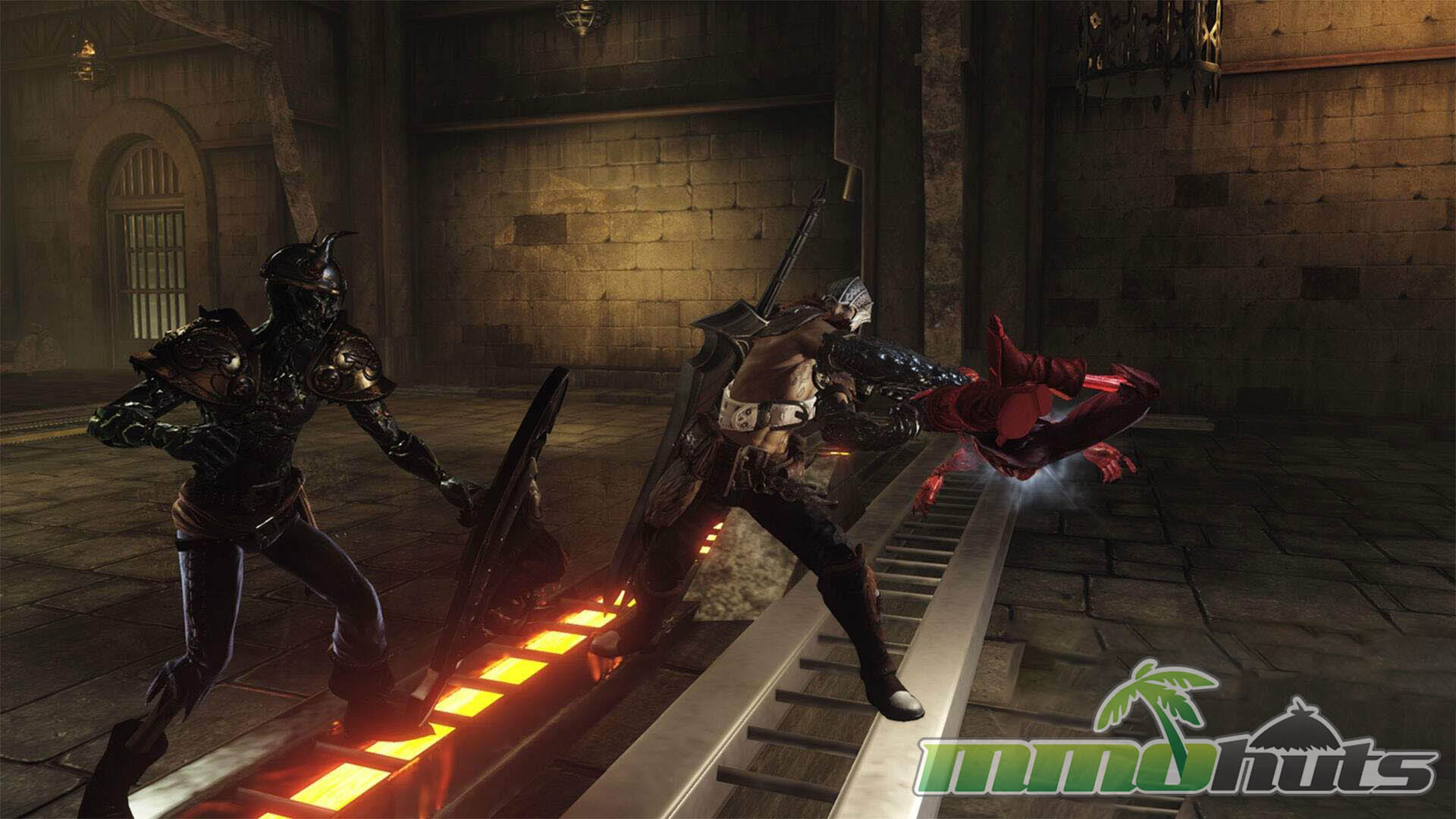


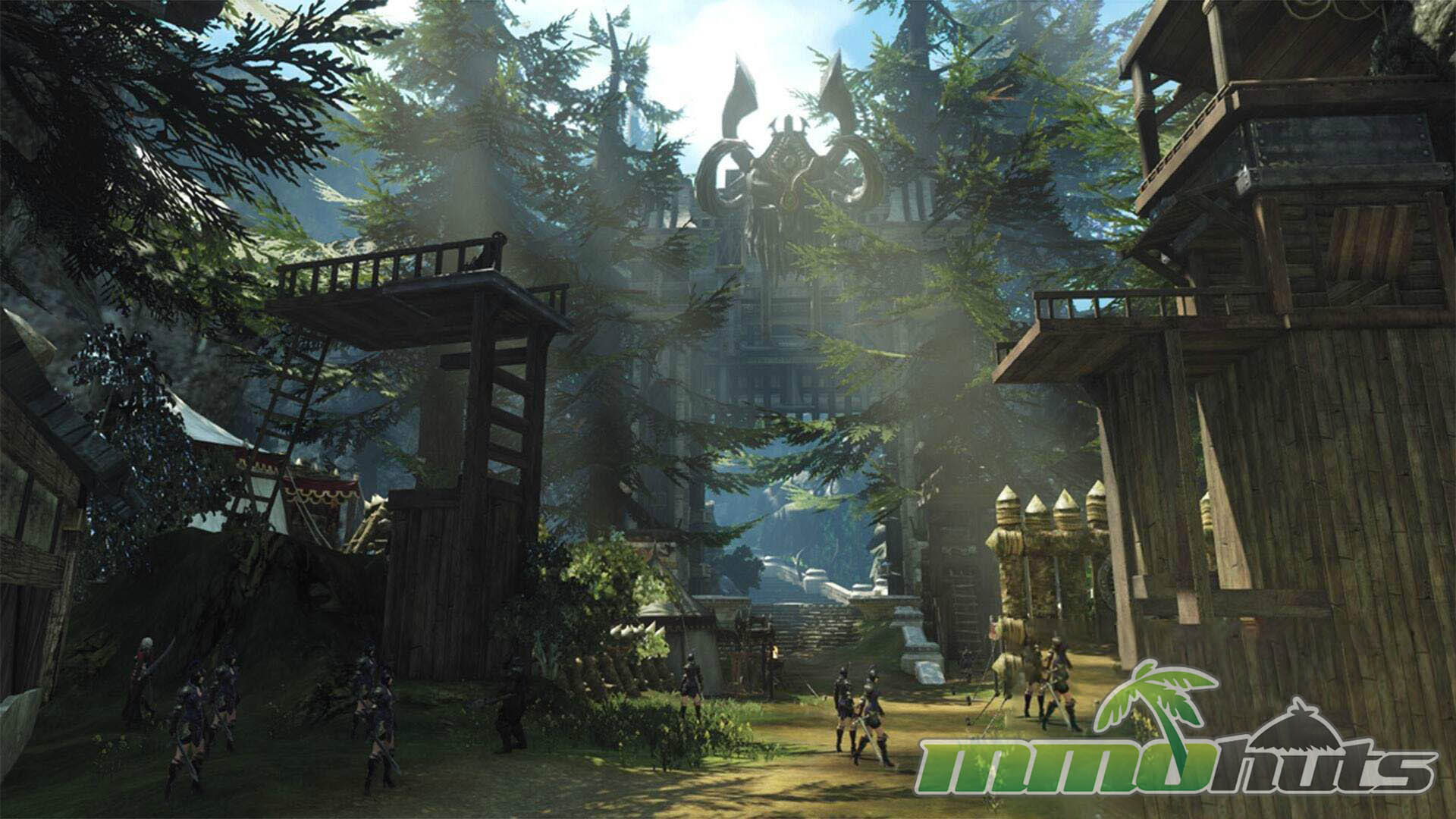
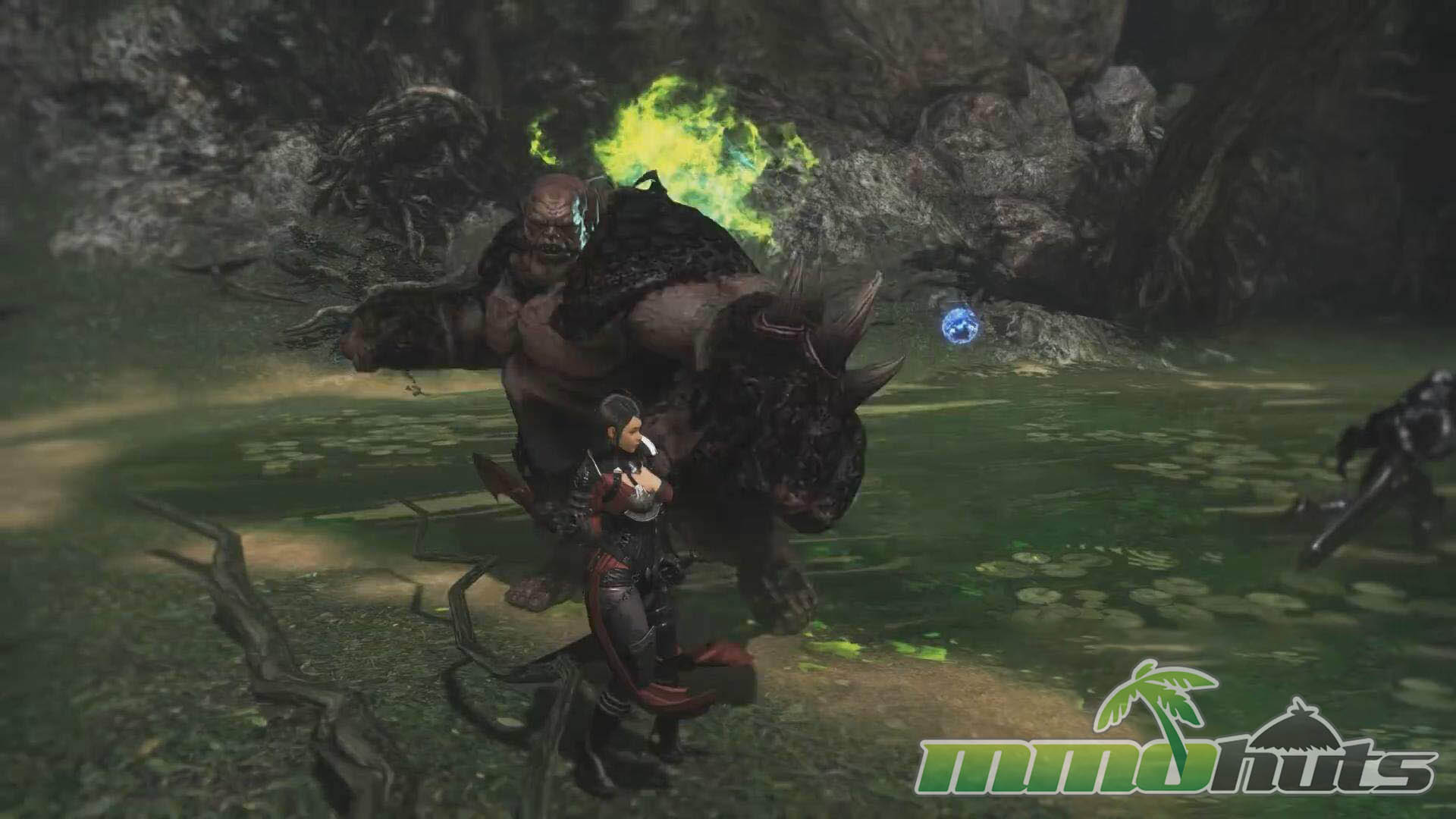
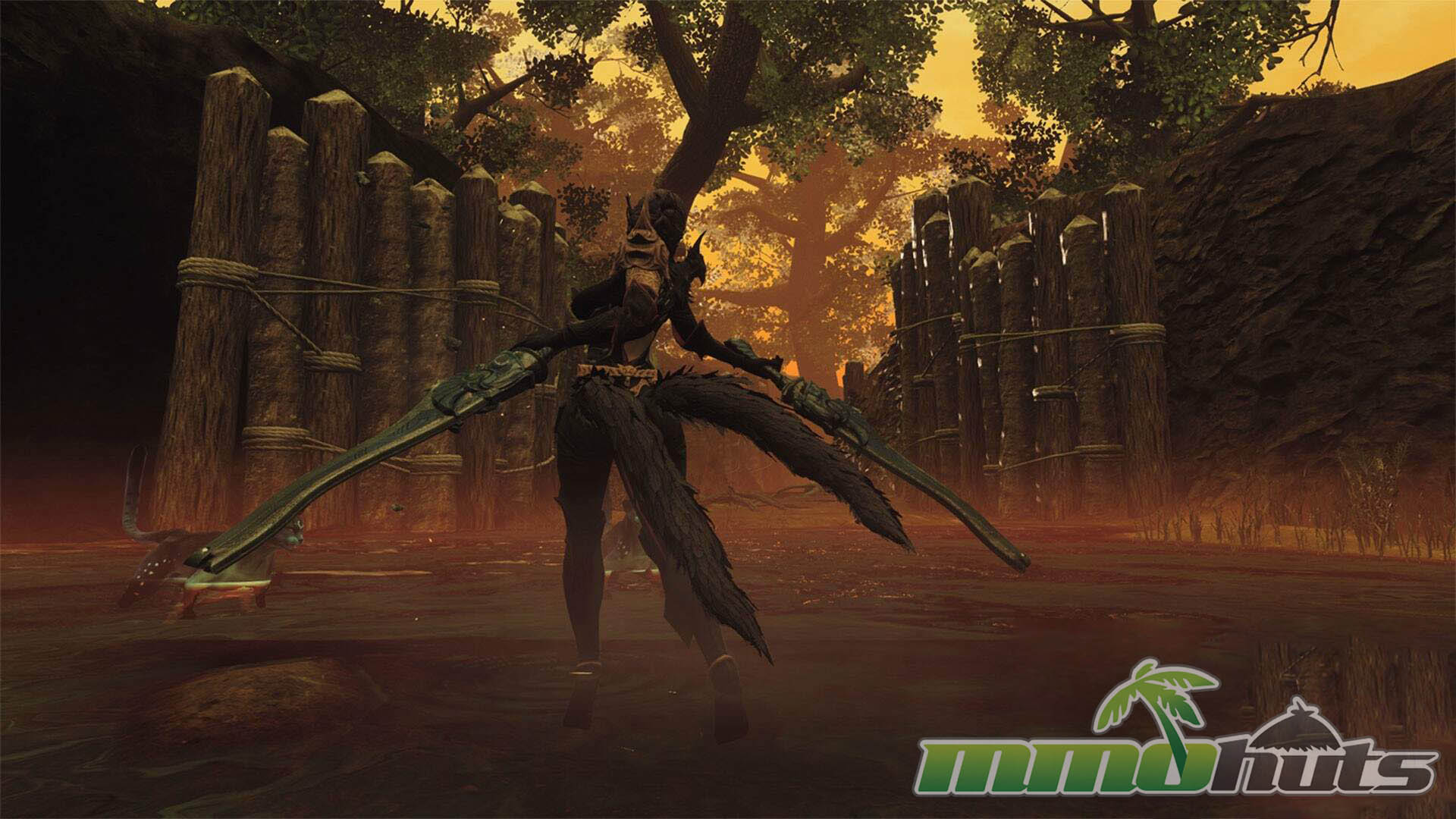
Star Wars: The Old Republic Featured Video

Star Wars: The Old Republic Classes and Races
SWTOR splits its playable options into two factions with four core classes each. In terms of role and overall toolkit, every Republic class has an Empire counterpart that functions as its mirror, although the narrative framing, early planets, and class missions differ. At Level 10 you select an advanced class, which defines your combat role and gives you access to deeper specializations.
Jedi Knight/Sith Warrior – the classic lightsaber-focused frontliner. These characters thrive in melee and lean on the Force more as a supplement than as their primary method of fighting.
- Advanced Classes:
- Jedi Sentinel/Sith Marauder – dual-wielding damage dealers designed for aggressive close-quarters play. Depending on build, they can emphasize sustained pressure or quick, mobile strikes. Party role is Melee DPS.
- Jedi Guardian/Sith Juggernaut – heavily armored brawlers who can soak hits and control engagements. Their defensive options make them well-suited to protecting teammates and holding enemy attention. Party role is Tank.
Jedi Consular/Sith Inquisitor – Force specialists that trade heavier armor for mobility and supernatural power. They are also known for the iconic dual-bladed lightsaber style made famous by Darth Maul.
- Advanced Classes:
- Jedi Sage/Sith Sorcerer – focuses on Force abilities for damage or support. With the right specialization they can either act as a ranged damage dealer or keep allies alive through healing. Party role is Ranged DPS or Healer.
- Jedi Shadow/Sith Assasin – a stealth-capable fighter that uses the double-bladed saber for ambush play and high-impact bursts, or shifts toward survivability to help absorb pressure. Party role is Burst Melee DPS or Evasive Tank.
Trooper/Bounty Hunter – armored combatants who bring heavy weapons and tech to the battlefield. They feel like the setting’s pragmatic answer to Force users, winning fights with firepower, gadgets, and durability.
- Advanced Classes:
- Commando/Mercenary – long-range attackers with explosive tools and big guns, plus the option to provide medical support depending on specialization. Party role is Ranged DPS or Healer.
- Vanguard/Powertech – thrives at short range, using pulls, tech attacks, and in-your-face pressure. They can also build for sturdiness and mitigation to function as a frontline defender. Party role is Close Range DPS or Tank.
Smuggler/Imperial Agent – a class built around tactics, positioning, and staying out of sight until it is time to strike. They rely on blasters, cover, and clever tools rather than brute force.
- Advanced Classes:
- Scoundrel/Operative – a trick-heavy close-range specialist that can burst targets down quickly, with the option to pivot into a healing-focused support style. Party role is Burst Ranged DPS or Healer.
- Gunslinger/Sniper – a precision shooter that controls fights from distance, typically fighting from cover while dealing high ranged damage and applying debuffs. Party role is Ranged DPS.
Star Wars: The Old Republic Review
Star Wars: The Old Republic is a third-person, sci-fi MMORPG rooted in the Star Wars license. It was developed by Bioware and published by Electronic Arts, with LucasArts involved due to the franchise rights. The game launched on December 20, 2011, and early buyers who pre-ordered were granted a head start. While it began as a subscription MMO, it later adopted a hybrid model with a free-to-play option on November 15, 2012. At the time, estimates put its development budget in the $150 to $200 million range, which positioned it as one of the most expensive games ever made until Grand Theft Auto V arrived in 2013.
The setting takes place in the Old Republic era, roughly 300 years after the events of Star Wars: Knights of the Old Republic and more than 3000 years before Episode I: The Phantom Menace. The Republic and the Jedi are attempting to hold the line after major conflict, while the Sith are rebuilding power and pushing to reshape the galaxy under a new Empire.
Character Setup and First Impressions
Before you even touch gameplay, SWTOR makes it clear that presentation is a priority. The opening cinematics are dramatic and highly produced, and they do a strong job of establishing tone and stakes. Once you are in, the first major decision is faction, Republic or Empire, which sets the overall flavor of your journey. That account-wide faction commitment also ties into the game’s access rules: free accounts are limited to two characters, while subscribers can create three.
Character creation follows, and while it is not the deepest editor in the genre, it is more flexible than many older MMORPGs. You can adjust body type, face, hair, complexion, and other basics, which helps your character feel less like a template. You also choose from four base classes per faction (with mirrored counterparts across sides), then select a race. It is worth noting that only a small portion of the available races are accessible to free players, Humans, Cyborgs, and Zabraks, while the rest are locked behind subscription. Since races are cosmetic, the restriction is more about personalization than power, but it can still be frustrating if you have a specific fantasy in mind.
Planets, Audio, and the “Star Wars” Factor
Your starting location is determined by faction and class, and SWTOR’s planet-based structure is one of its biggest strengths. There are 4 starter planets and 17 additional worlds you can travel to, which makes the journey feel appropriately galactic. For example, Jedi characters begin on Tython, a location that fits the training arc and early story beats.
Visually, the game leans heavily into recognizable Star Wars design, from architecture to enemy silhouettes and special effects. The art direction and lighting do a lot of work, especially in cinematic moments and dialogue scenes. Even more important, the soundscape is excellent: blaster fire, lightsaber effects, ambient planetary noise, and strong voice acting combine with familiar musical themes to sell the fantasy. For many players, that audiovisual package is what separates SWTOR from more generic theme-park MMOs.
Questing, Movement, and Story Delivery
Moment to moment, the quest loop is familiar: defeat enemies, collect items, move to the next objective. SWTOR’s advantage is how it frames that loop through class narratives, voiced conversations, and frequent instanced sequences that feel closer to an RPG than a pure grind. Many missions can be accepted and completed through the holocommunicator without returning to an NPC every time, which reduces some downtime, although you will still see occasional traditional turn-ins.
The early game can feel slow due to travel time. Free players have Sprint locked until Level 10, and mounts are not immediately available, so there is a noticeable amount of running between objectives. Bonus quests help smooth leveling, and they are especially useful for free accounts dealing with EXP penalties, but the pacing still improves significantly once your movement options open up.
Dialogue choices are a major part of the experience. Some decisions primarily exist to support roleplay, but others feed into alignment, which gives your responses a mechanical edge beyond flavor text.
Alignment and Consequences
SWTOR’s Light and Dark system is one of its signature RPG elements. Through conversations and certain decisions, you gradually push your character toward one side of the moral spectrum. The system is flexible enough that you can play against type, for example a Jedi who makes cruel, selfish choices, or an Imperial character who acts with restraint and compassion. Alignment can also matter for equipment, since some items require a particular Light or Dark rank. Going further down the Dark path also affects your character’s look, giving a more corrupted appearance that reinforces your choices visually.
Abilities, Trainers, and Advanced Classes
Progression follows traditional MMO design. You gain abilities as you level, then visit trainers in populated areas to learn and upgrade skills. At Level 10, you commit to an advanced class, which is where your long-term role becomes clearer. Each advanced class has three skill trees, allowing you to tune your playstyle for damage, survivability, or support depending on the class.
Experimentation is supported through respecs. You can reset talent points for free once per week, and additional resets are available for a fee, which is a reasonable middle ground for players who like to test builds without constantly paying.
Companions and Your Ship Crew
Companions are central to SWTOR’s structure. Over time you recruit multiple NPC allies who can assist in combat and accompany you through story content. Mechanically, they fill a role similar to pets or helper characters in other MMOs, but they also carry personality and dialogue that ties back into the narrative focus.
You can hold up to six companions at a time, although only one can join you outside the starship. The ship acts as a hub for your crew and reinforces the feeling that you are traveling with a team, even if the “one companion at a time” rule is clearly there for balance and readability during fights.
PvP Options
SWTOR supports several PvP formats. If you want quick competition, duels are available from Level 1. On many planets, opposing factions can engage each other openly, which adds tension when you are questing in contested areas. For structured play, Warzones provide objective-based matches, essentially SWTOR’s take on the battleground format that many MMORPGs use. PvP is approachable, but as with most gear-driven games, long-term competitiveness tends to favor players who invest time into progression.
Free-to-Play Limits and the Cartel Market
SWTOR is playable without paying, but the free tier comes with a notable list of restrictions. Some limitations feel reasonable for a hybrid model, while others can come across as overly tight, particularly when basic quality-of-life features are involved. The EXP penalty for free players makes progression slower, which some may accept as a trade-off, but other gated conveniences can make the experience feel unnecessarily constrained.
The Cartel Market is positioned as the monetization hub, and while it includes cosmetics, it also pushes practical purchases such as access passes and boosts. For players who plan to spend significant time in SWTOR, subscribing tends to smooth out the rough edges more cleanly than buying piecemeal unlocks.
Final Verdict: Great
Star Wars: The Old Republic remains one of the most polished, story-driven MMORPGs available, largely because it commits to high production values and class-specific narratives in a way few competitors match. The audio work, voice acting, and overall presentation do a remarkable job of making the galaxy feel authentic, and the core class storylines are compelling enough to carry dozens of hours on their own.
Its biggest downside is not the content, it is the friction created by the free-to-play restrictions and the performance quirks like long loading times. If you are a Star Wars fan or you are willing to subscribe, SWTOR is an easy recommendation. Even as a free player, it is still worth experiencing for the class stories and the sheer amount of MMO content on offer, as long as you go in expecting some limitations.
Star Wars: The Old Republic Links
Star Wars The Old Republic Official Website
Star Wars The Old Republic Wikia (Database / Guides)
Star Wars The Old Republic Steam Page
Star Wars The Old Republic Wikipedia Page
Star Wars The Old Republic Steam Page
Star Wars The Old Republic Subreddit
Star Wars: The Old Republic System Requirements
Minimum Requirements:
Operating System: Windows XP / Vista / 7
CPU: Intel Core 2 Duo E6420 2.13 GHz / AMD Athlon x2 Dual Core 5000+
Video Card: Nvidia GeForce 7900 GTX / ATI Radeon HD 2900 XT
RAM: 2 GB
Hard Disk Space: 15 GB
Recommended Requirements:
Operating System: Windows 7 / 8
CPU: Intel Pentium Dual Core G6960 2.93 GHz / AMD Phenom II X3 B75 or better
Video Card: Nvidia GeForce 465 GTX / ATI Radeon HD 5850 or better
RAM: 4 GB or better
Hard Disk Space: 15 GB
Star Wars: The Old Republic Music & Soundtrack
Star Wars: The Old Republic Additional Information
Developer: Bioware
Lead Designer: Daniel Erickson
Composers: Mark Griskey, Jesse Harlin, Lennie Moore
Game Engine: Hero Engine
Free to Play Date: November 15, 2012
Closed Beta Testing: July 9, 2010
Steam Launch: July 21, 2020
Foreign Release Dates:
Europe: December 20, 2011
Australia: March 1, 2012
Middle East: April 26, 2012
Expansions:
Rise of the Hutt Cartel (April 14, 2013) – Raised level cap from 50 to 55 and added the planet Makeb.
Galactic Starfighter (February 4, 2014) – Added 12v12 spaceship based PvP arenas.
Galactic Strongholds (October 1, 2014) – Introduced player housing and guild flagships.
Shadow of Revan (December 9, 2014) – Level cap raised to 60. Added two new worlds: Rishi and Yavin 4.
Knights of the Fallen Empire (October 27, 2015) – Solo mode story content added. Level cap raised to 65.
Knights of the Eternal Throne (December 2, 2016) – Added Galactic Command and Uprisings. Level cap raised to 70.
Onslaught (October 22, 2019) – Followers the story that begun with Jedi Under Siege. Level cap raised to 75.
Development History:
SWTOR stands out as Bioware’s first MMORPG, coming from a studio primarily known for single-player RPGs on PC. It also became the second MMO to use the Star Wars license after Star Wars Galaxies, which shut down in December 2011. The project was publicly revealed on October 21, 2008, and its budget was widely reported at the time to be in the $150 to $200 million range, making it the most expensive video game ever made at release.
That investment shows in the game’s production values, particularly the massive amount of recorded dialogue, with more than 200,000 lines voiced for quests and story content. Like many MMOs, SWTOR saw a surge of interest at launch followed by a drop as players moved on, but it has continued to perform well financially for Electronic Arts.