Rumble Fighter
 (No Ratings Yet)
Rumble Fighter is a lobby-based 3D Fighting MMO built around quick arena bouts, quirky modes, and a surprisingly deep layer of character building. Between interchangeable fighting styles, transformation-like power sets, and an enormous pile of cosmetics and gear, it encourages experimentation as much as it rewards execution. You can jump into competitive matches solo or with a team, or take a break from PvP with cooperative missions and other PvE activities.
 | Publisher: Redfox Games Playerbase: Low Type: Fighting MMO Release Date: August 2, 2007 PvP: Duels, Arenas, World and Battlegrounds Pros: +Flexible character builds and cosmetics. +Plenty of PvE and PvP options. +Combo-driven combat feels satisfying. +Good selection of maps and modes. Cons: -Age shows in graphics and presentation. -Monetization can affect competitive balance. |

Rumble Fighter Overview
Rumble Fighter revolves around short, score-focused fights in compact arenas, plus a handful of PvE modes for leveling and practice. Matches are accessed through lobbies rather than a seamless world, which keeps the pace fast and makes it easy to swap builds between games. The standout hook is how much you can change your fighter from one round to the next, including gear, accessories, and the core move sets you bring into battle. For a genre that rarely mixes MMO-style progression with arcade brawling, Rumble Fighter remains a notable entry.
Rumble Fighter Key Features:
- Brawler MMO – Lobby-based gameplay with various game modes (PvE and PvP).
- Six Playable Character Classes – play as Striker, Soul Fighter, Elementalist, Alchemist, Shaman, and Android.
- Large Map Variety – 27 maps to battle on.
- Varied Game Modes – King of the Hill, Moving Screen, Caged Beast, Potion Battle, and Arena.
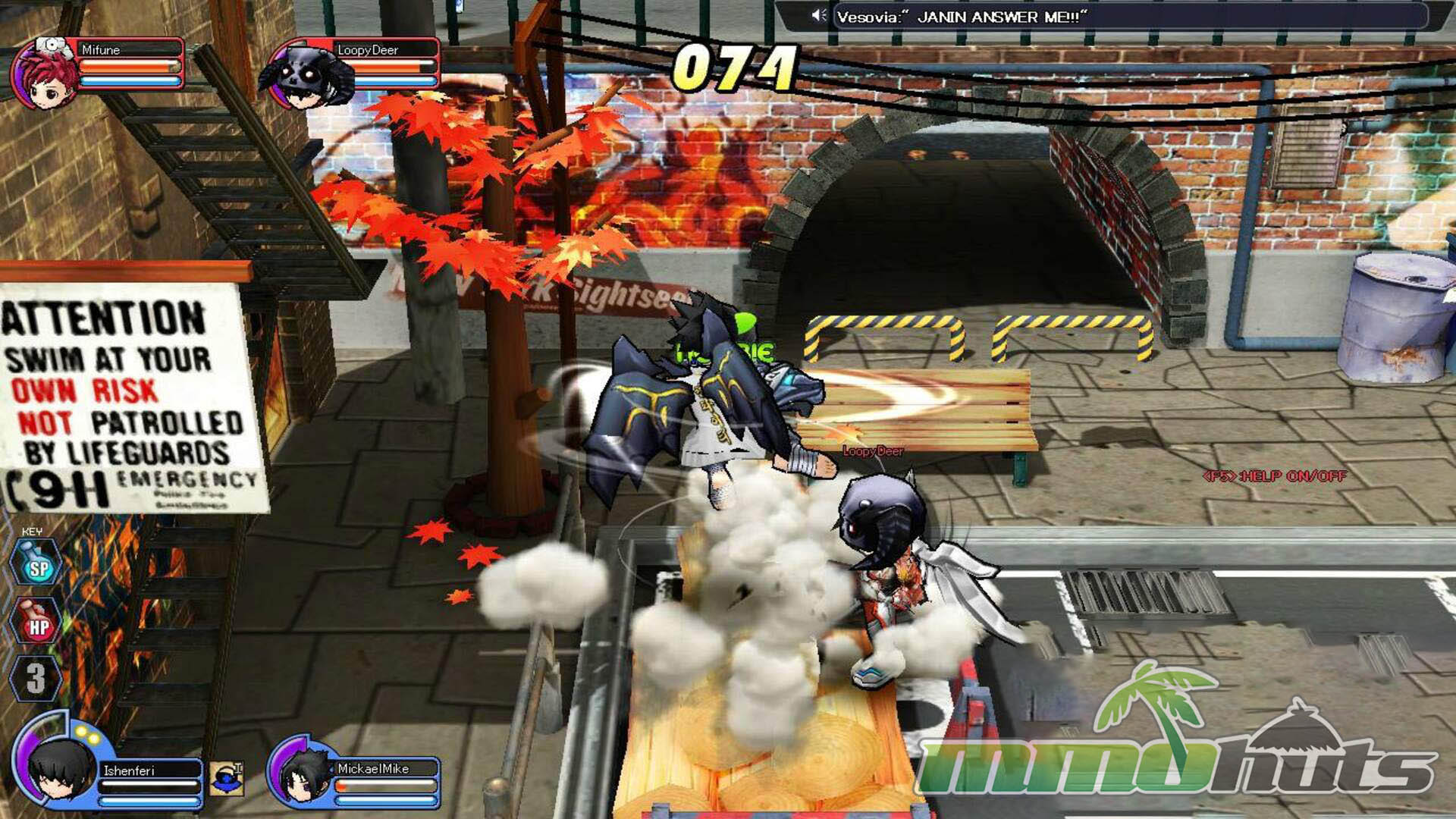
Rumble Fighter Screenshots





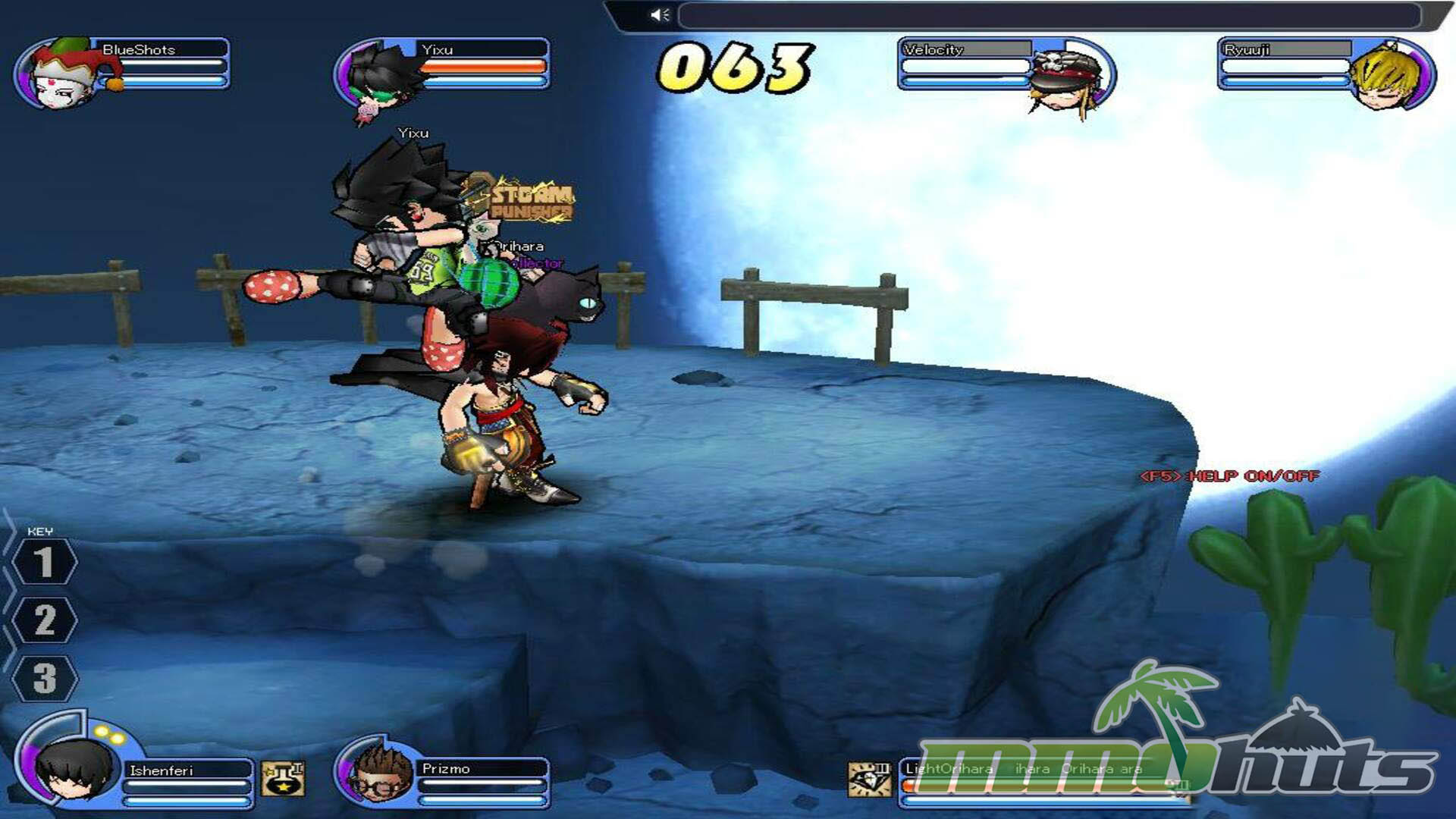

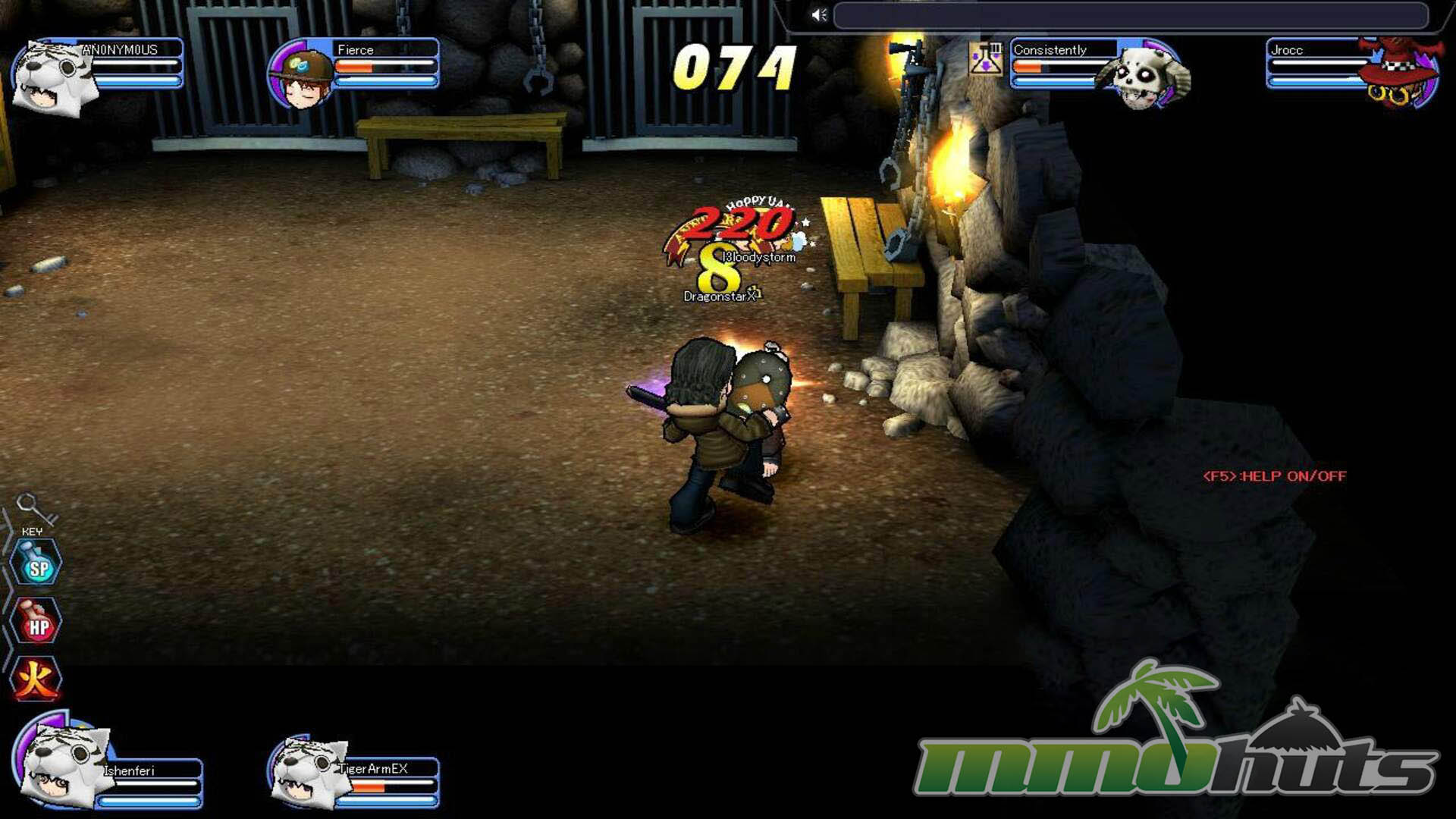
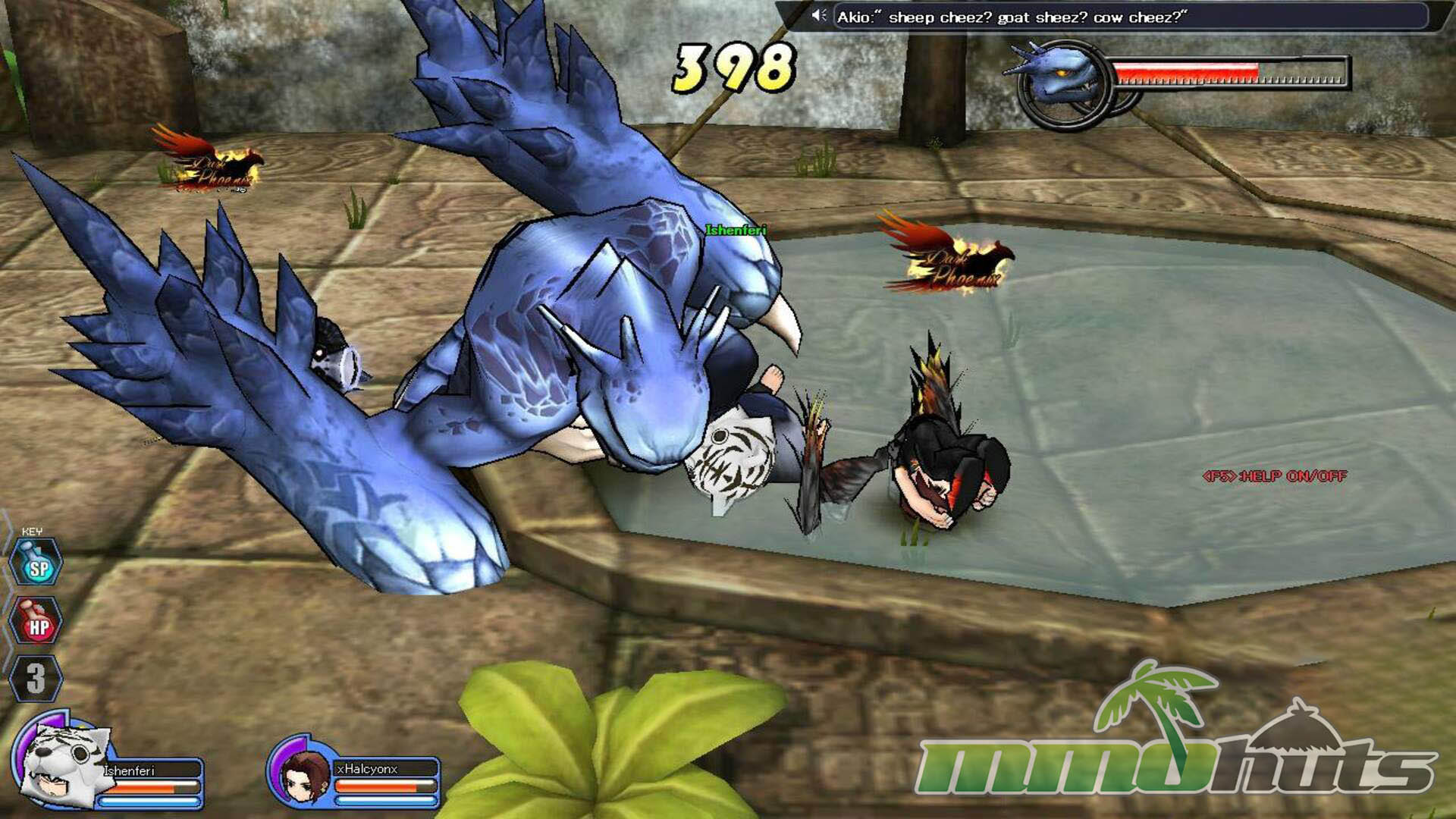
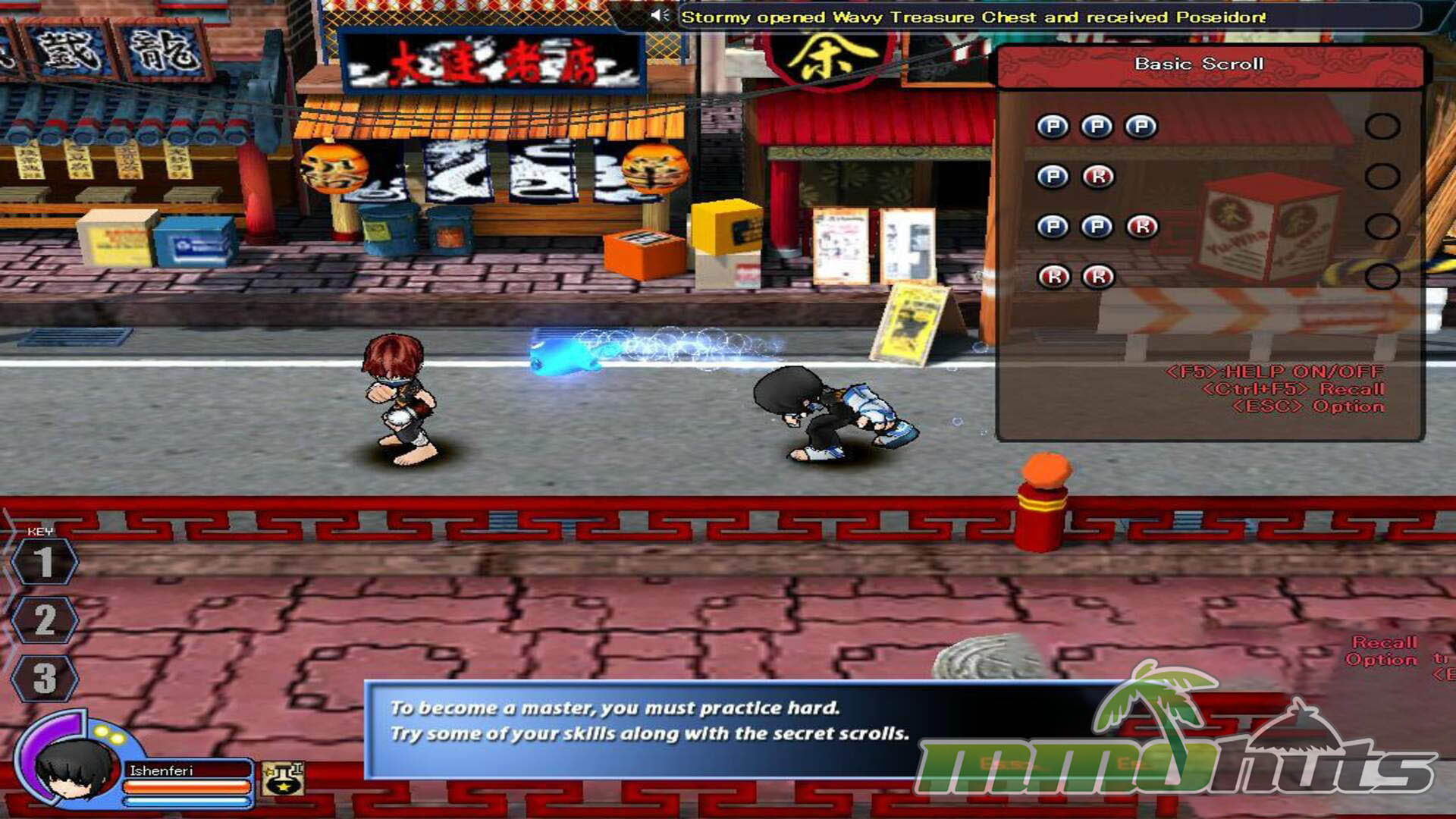
Rumble Fighter Featured Video

Rumble Fighter Review
Rumble Fighter is a 3D Fighting MMO developed by Nimonix and published by GamesCampus. The game was released in the U.S. on August 2, 2007. It has also seen publisher changes over time, starting with OGPlanet, shifting to GamesCampus in 2014 after OGPlanet’s service ended on May 23, 2014 (with new servers launching the same day), and later transferring to Red Fox Games after GamesCampus announced a shutdown and service transfer on March 4, 2016. In terms of format, it sits in the same neighborhood as arena-focused action titles like GetAmped 2 or Lost Saga, where moment-to-moment performance, match knowledge, and loadout choices matter more than long-form questing.
Getting Started
Your first meaningful decision is choosing a class. There are six total, with Striker, Soul Fighter, Elementalist, Alchemist, and Shaman available immediately. Android unlocks at level 20. The initial five classes can be created as male or female, while Android is female-only. This choice sets your early identity, but the game’s larger build system means you are not locked into one rigid play pattern forever.
After character creation, Rumble Fighter is open-ended. You can head straight into PvP, focus on cooperative missions, or spend time in training to get comfortable with movement and combo timing. Controls are straightforward and very “fighting game on a keyboard,” with arrow keys for movement, X for punches, C for kicks, and Z for guarding. Space handles jumping and double jumping, while V and B trigger special skills. A and S are used to morph with equipped ExoCores, and you can carry two ExoCores at once (activating one at a time), which effectively changes your combo routes and gives access to additional moves.
For brand-new players, the most efficient path is usually to learn the basics in training, then lean into story missions. PvE is generally less punishing than PvP, and it helps you collect experience and carats (the in-game currency) while you build muscle memory and start assembling a functional kit.
Early Progression
Progression has a deliberate pace. Rumble Fighter does not shower you with levels, but it does make each level-up feel like it comes with tangible perks. Along the way you earn various rewards such as carat vouchers, sacred scrolls, accessories, and keys used for treasure chests, which keeps the routine from feeling purely grind-based.
If your goal is leveling efficiency, Adventure mode is typically the most practical option. The story missions provide strong experience for the time invested, and completion matters more than flashy performance, which is helpful when you are still figuring out spacing and timing. Adventure mode also doubles as a safe place to try unfamiliar ExoCores and sacred scrolls on enemies that actually move and fight back, rather than testing everything on a stationary dummy.
Combat Flow and Modes
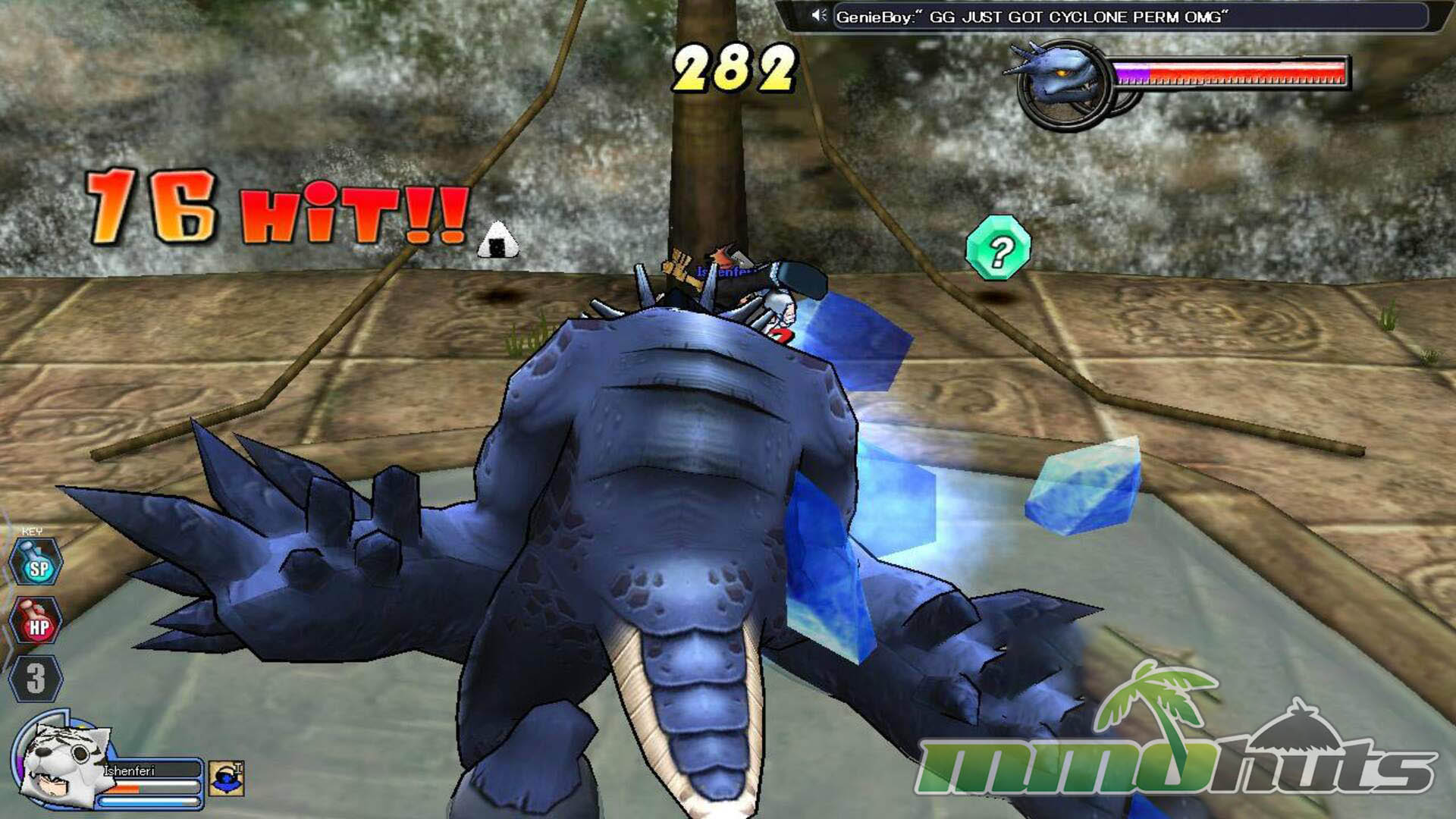
At its best, Rumble Fighter feels like controlled chaos. With up to eight players in a room and everyone bringing different transformations and fighting styles, the screen can get busy fast. That intensity is part of the appeal, but it also means situational awareness becomes a skill in itself, especially in larger rooms where stray hits and unexpected knockbacks happen constantly.
The community has also developed its own etiquette in many rooms, particularly around one-on-one play. Even inside team formats, it is common to see players informally line up into 1v1 exchanges, then rotate opponents after a knockout. It is not an enforced rule by the game, but in a smaller, dedicated playerbase it often becomes the expected way to keep matches feeling more skill-driven.
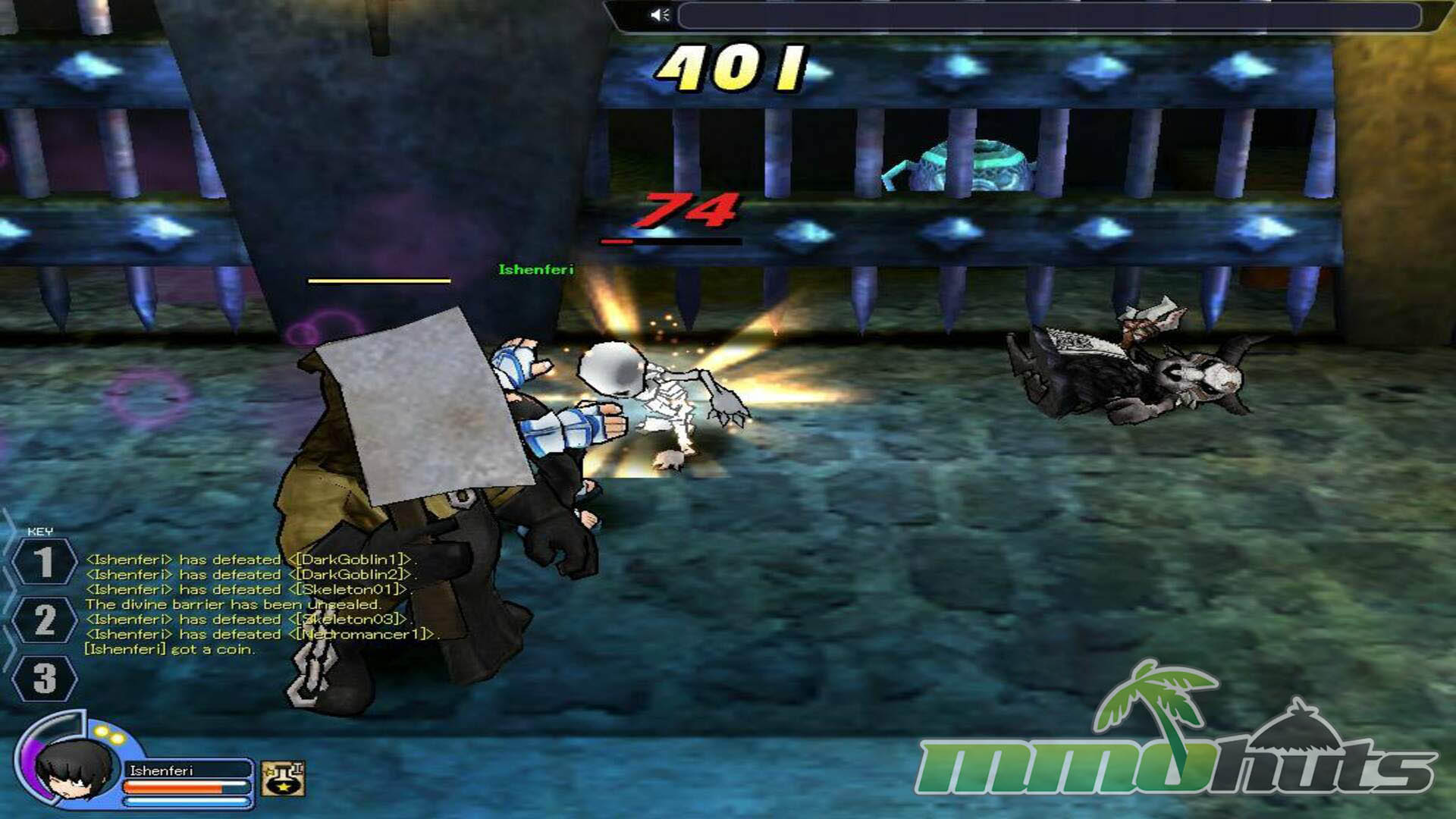
On the PvE side, Adventure mode is the main cooperative pillar. Teams push through waves of enemies, navigate hazards like traps, and ultimately deal with a boss under a time limit. Failing the timer or getting wiped ends the run, so it becomes a straightforward test of damage, survival, and coordination.
For players who want something outside the usual loop, there are additional solo-focused options. Zombie mode is built around lasting against repeated waves until you fall or time expires, while Survival mode pits you against a sequence of NPC fighters you must defeat to clear the challenge.
ExoCores and Sacred Scrolls
Most of the game’s depth comes from two systems, Sacred Scrolls and ExoCores. Sacred Scrolls act as your primary fighting style, shaping your basic strings and combo identity. Many are modeled after recognizable martial arts like karate, taekwondo, or muay thai, and the large selection makes it easy to find something that matches your preferred tempo, whether you like clean pokes, juggles, or pressure-heavy strings.
ExoCores sit on top of that foundation and tend to be the flashier power layer. They transform your character in different ways and grant stronger special attacks and alternate combo options. You can equip two ExoCores simultaneously, but only one can be active at a time, so a lot of match strategy comes from choosing which tool to bring out for a given situation.
Together, Sacred Scrolls and ExoCores enable a huge number of build combinations. For players who enjoy testing loadouts, adjusting to opponents, or simply collecting new options, this system is a major reason the game stays interesting long after the first few hours.
PvP
PvP in Rumble Fighter broadly breaks into standard match types and the more experimental Rumble Mode playlist.
The standard PvP options include 1v1, team battles, and free-for-all. These are direct and familiar, with the focus on knockouts and survival. They are also where fundamentals like spacing, guarding, and combo discipline matter most, since there are fewer gimmicks to hide behind.
Rumble Mode is where the game leans into party-like variety. It includes five variants: King of the Hill, Moving Screen, Caged Beast, Potion Battle, and Arena.
King of the Hill is a positional contest where players fight to control the top area of the map. If multiple players are present, the one who arrived first retains control, and respawns keep the pressure constant. Moving Screen riffs on that idea but adds a scrolling objective, everyone starts low and must climb while staying within the screen boundaries, and falling behind results in an automatic loss. It creates a constant push-pull between fighting and simply keeping pace.
Caged Beast uses a duel structure. Teams send fighters into 1v1 bouts inside cages; when someone is defeated, the next teammate enters. After 60 seconds, all cages open and the match turns into a chaotic brawl. Potion Battle is an objective mode where players collect and drink potions scattered around the map. Drinking leaves you exposed, and taking a hit interrupts the action and drops the potion, so the mode becomes a mix of zoning, timing, and opportunism. Arena is a team race to twelve kills, with quick respawns (five seconds), full health on return, and random respawn locations that keep momentum swinging.
Cash Shop
The cash shop is the most controversial part of the package. It offers more than cosmetics, including Sacred Scrolls, ExoCores, and stat-boosting equipment. Some purchased scrolls can also open up combo possibilities that are difficult or impossible for non-paying players to replicate. Skill still matters, but spending can translate into real advantages, which is hard to ignore in a game built around competitive fighting.
Final Verdict – Good
Rumble Fighter’s strengths are easy to appreciate: fast matches, a satisfying combo system, and a customization framework that lets you constantly tweak how your character plays. The inclusion of cooperative and solo modes also makes it approachable for players who do not want to live exclusively in PvP lobbies. Its biggest drawbacks are its age, especially visually, and the way monetization can influence power.
For players who enjoy arena brawlers and do not mind learning a game with an older presentation, Rumble Fighter still offers a distinctive mix of experimentation and competitive action, especially if you are willing to put in time early, build up your options, and find a playstyle that clicks.
Rumble Fighter Links
Rumble Fighter Official Site
Rumble Fighter Wikipedia
Rumble Fighter Wikia (Database / Guides)
Rumble Fighter Official Guide
Rumble Fighter System Requirements
Minimum Requirements:
Operating System: Windows XP / 7 / 8 / 10
CPU: Pentium 4 2 GHz
Video Card: GeForce 3 Ti or ATI Radeon 9500
RAM: 1 GB
Hard Disk Space: 1.5 GB
Recommended Requirements:
Operating System: Windows XP / 7 / 8 / 10
CPU: Pentium Dual Core 3 Ghz
Video Card: GeForce 6600 or ATI Radeon 9800 Pro
RAM: 2 GB
Hard Disk Space: 1.5 GB
Rumble Fighter Music & Soundtrack
Rumble Fighter Additional Information
Developer: Nimonix
Original Publisher: OGPlanet
Other Publishers: GamesCampus / Redfox Games
Development History / Background:
Rumble Fighter is a casual fighting MMO originally developed by the South Korean game developer Nominix. Known as Gem Fighter during earlier branding, it released internationally as Rumble Fighter. The North American launch arrived through OGPlanet in August 2007, but that service later ended when OGPlanet shut down on May 23, 2014 after the license was revoked. Following that closure, GamesCampus licensed and operated the game for North America and Europe under the name “Rumble Fighter: Unleashed.” Nominix continues to support the title with updates, and the game has also been published in South Korea through WeMade Entertainment.