
Pandora Saga
Pandora Saga was a free-to-play fantasy MMORPG set in a medieval Europe styled world, built around a three-way national conflict that frequently erupted into large faction wars. Players could pick one of three sides, choose between six distinct races, and start from four base archetypes that later branched into a wide selection of advanced paths, ultimately reaching 28 classes.
 | Publisher: Atlus Online, Marvelous USA Type: MMORPG Release Date: February 15, 2011 Closure Date: February 28, 2014 Pros: +PvP-centric endgame. +Deep class branching. +Memorable community. Cons: -Slow early progression. -Not friendly to solo play. -PvP balance could swing wildly. |
Pandora Saga Overview
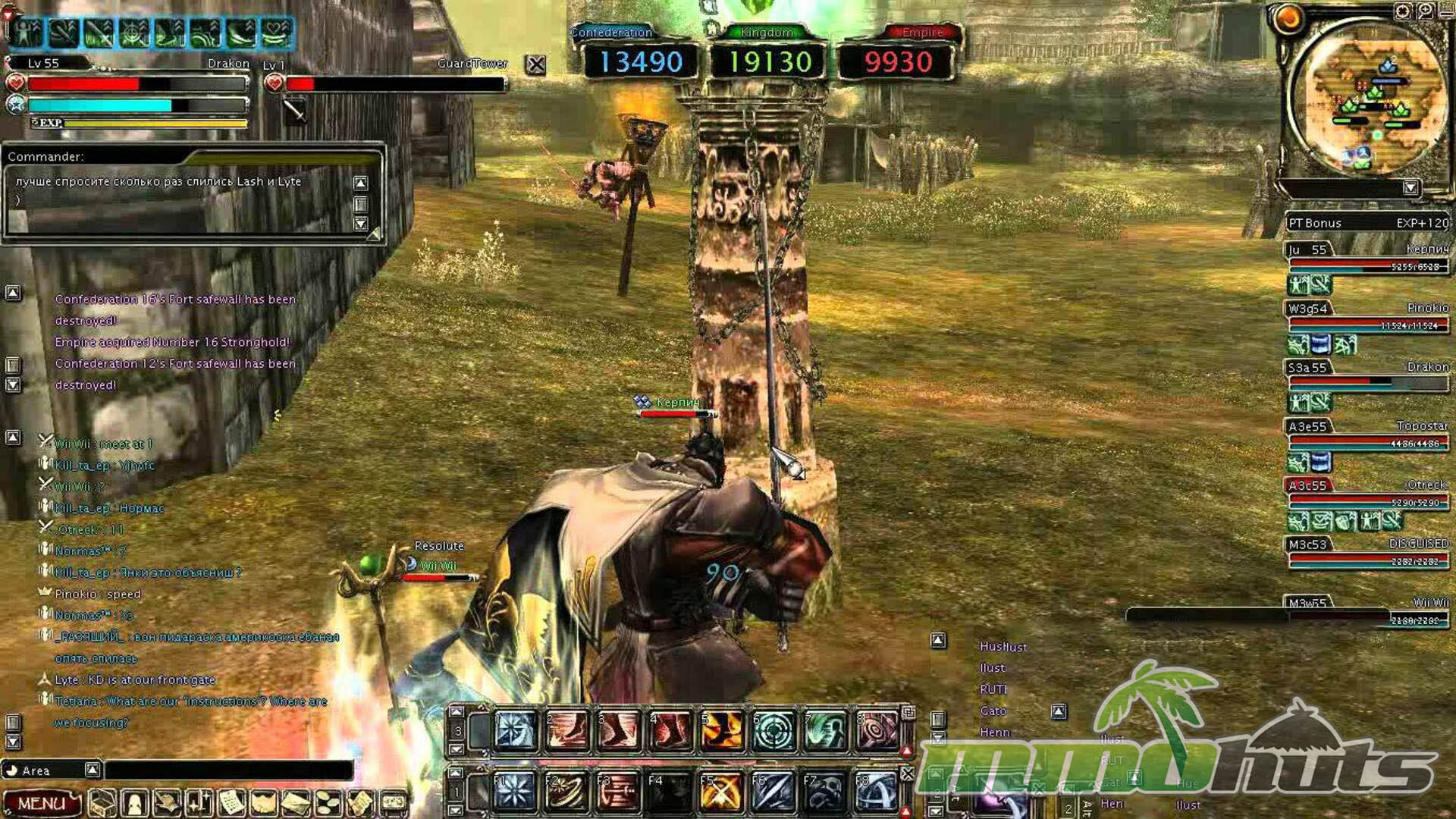
Pandora Saga was designed first and foremost as a faction PvP MMORPG, with the most meaningful content tied to the rivalry between three nations: the Kingdom of St. Pfelstein, the Empire of Latuga, and the Confederation of Varik. Your alignment was chosen at level 20, and that decision effectively framed the rest of the experience, because it opened the door to the larger battles and the more social side of the game. Alongside the headline warfare, there were also smaller PvP formats where players could steadily earn PvP points, including arena style duels that encouraged frequent one-on-one matchups.
Character building was one of the game’s defining traits. Everyone began from one of four starter classes (Warrior, Scout, Acolyte, Mage), then specialized further at levels 20 and 40, creating a large overall roster that totaled 28 classes. Race selection also mattered more than in many MMORPGs of the era, because the six playable races (Human, Elf, Myrine, Enkidu, Lapin, Dwarf) came with racial abilities and noticeably different silhouettes.
It is also worth setting expectations about pacing. The first 20 levels were commonly viewed as a hurdle, with a lot of solo starter questing and travel that felt repetitive. For many players, the game’s real identity only emerged once you reached level 20 and could participate in the nation conflict and the group-dependent features, in a way that resembled how some older MMORPGs treated early leveling as preparation rather than the main attraction.
Pandora Saga Key Features:
- Six Playable Races – Choose from Human, Elf, Myrine, Enkidu, Lapin, or Dwarf, each offering racial abilities, distinct gear themes, and different weapon strengths.
- Four Starting Classes – Begin as Warrior, Scout, Acolyte, or Mage, then specialize at level 20 and again at level 40, resulting in 28 total class options.
- Massive-scale PvP – Join large faction clashes that could exceed 300 players, earning points and rank progression primarily through combat performance.
- Highly Social Gameplay – Beyond the big battles, the game supported open PvP, arena PvP, group questing, and guild participation, with grouping becoming increasingly important after level 20.
- Crafting System – Create and enhance equipment by working with materials and gems, adding special attributes to weapons and gear through the game’s crafting tools.
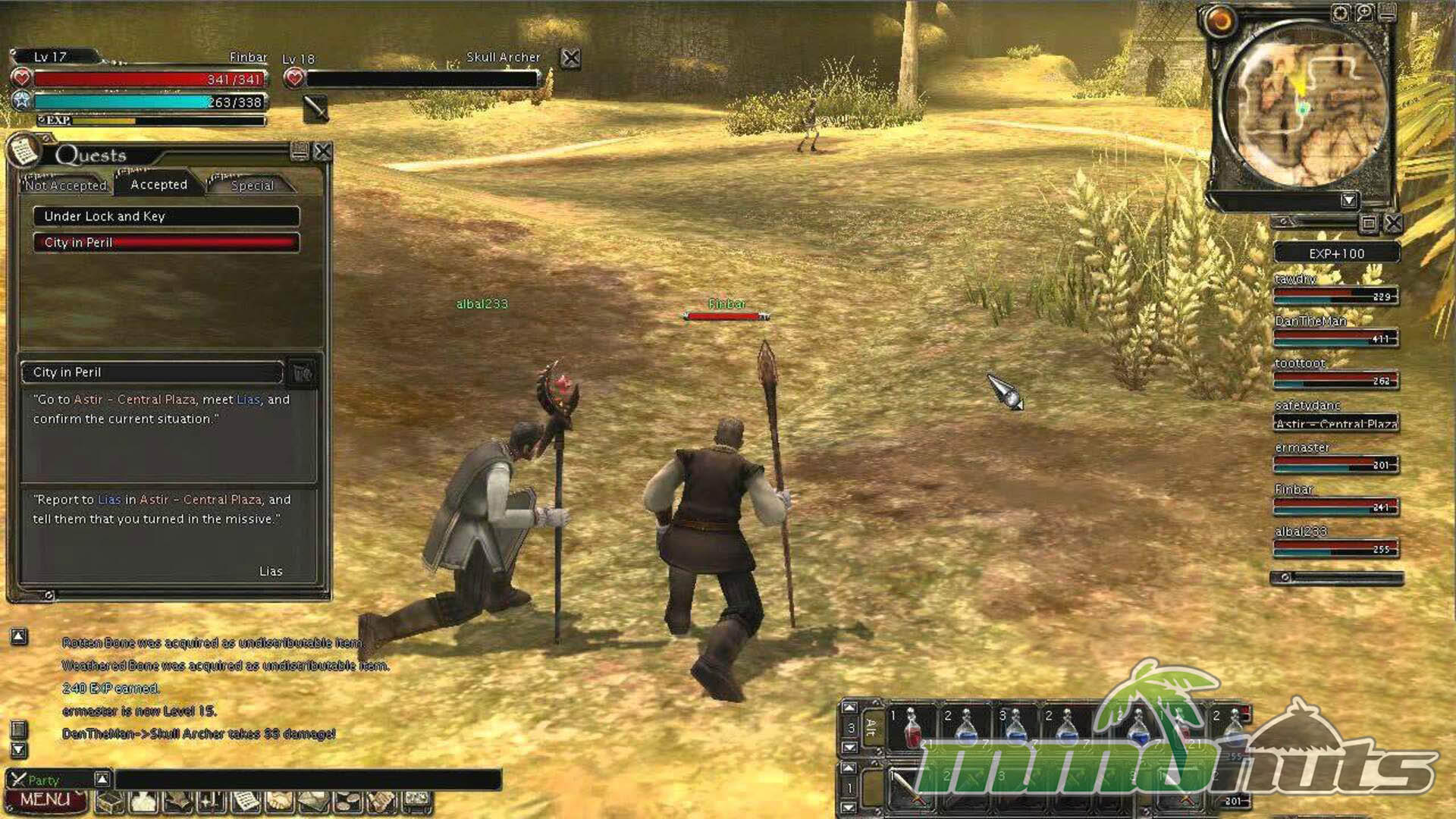
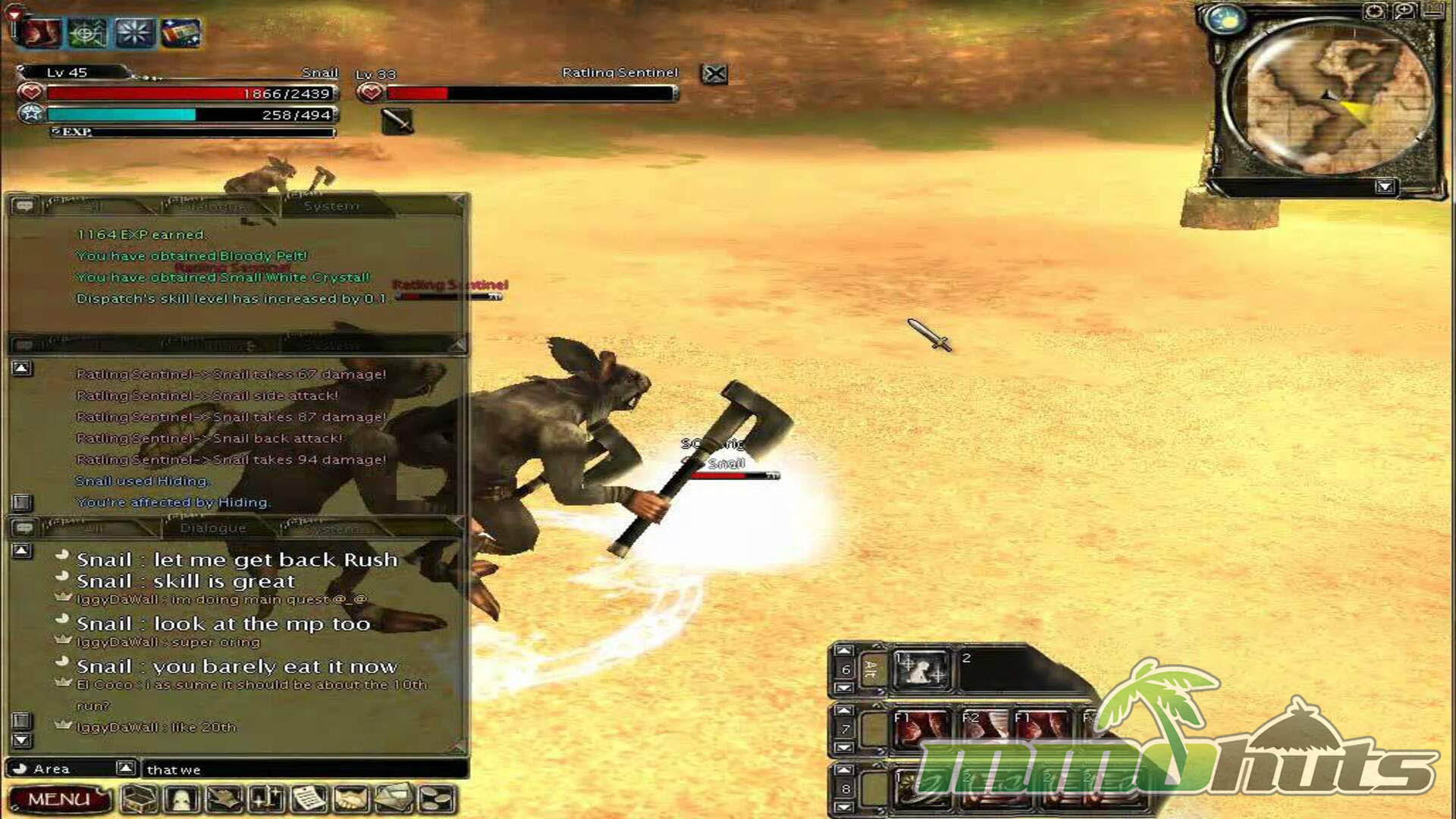
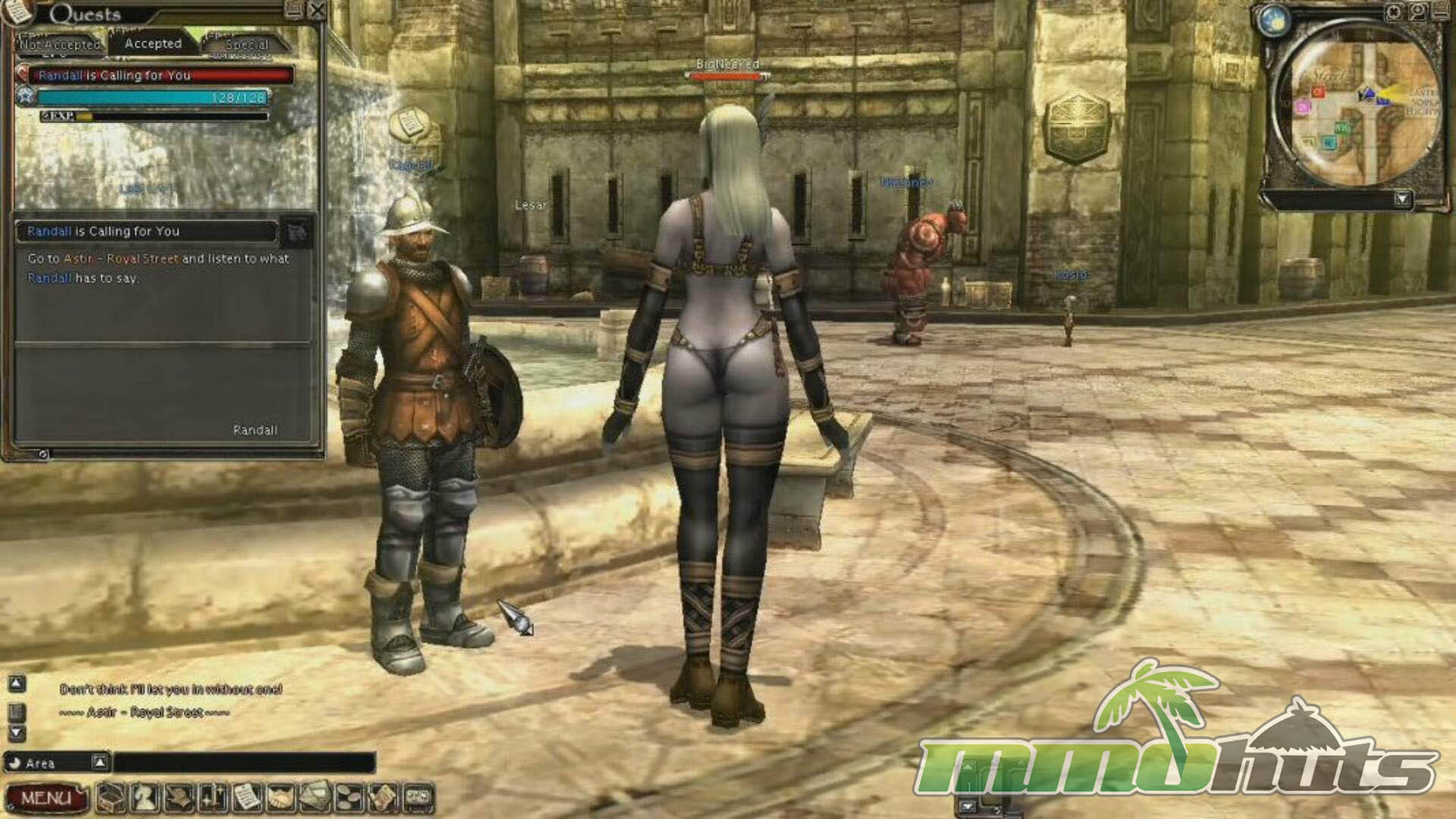
Pandora Saga Screenshots



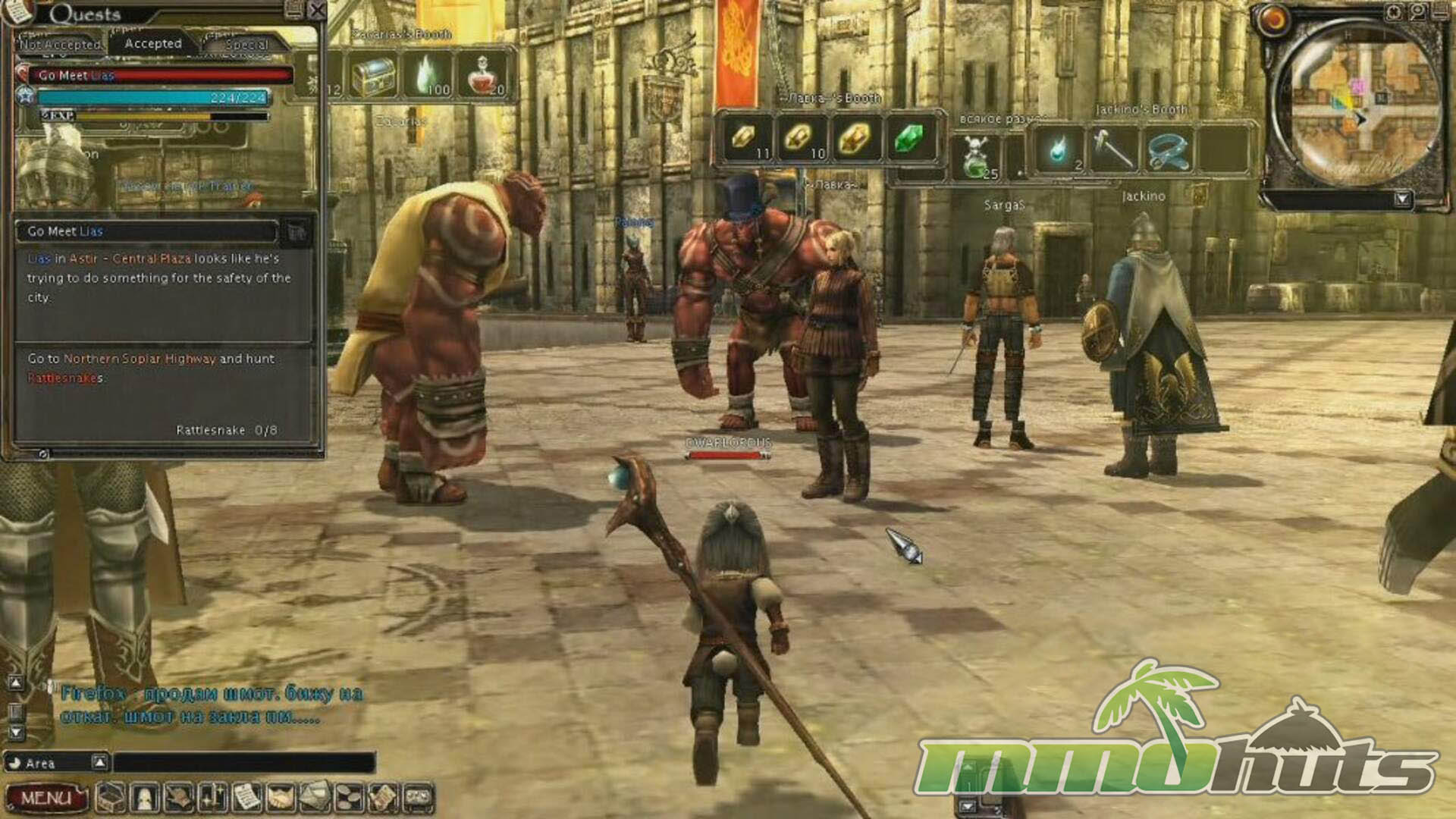
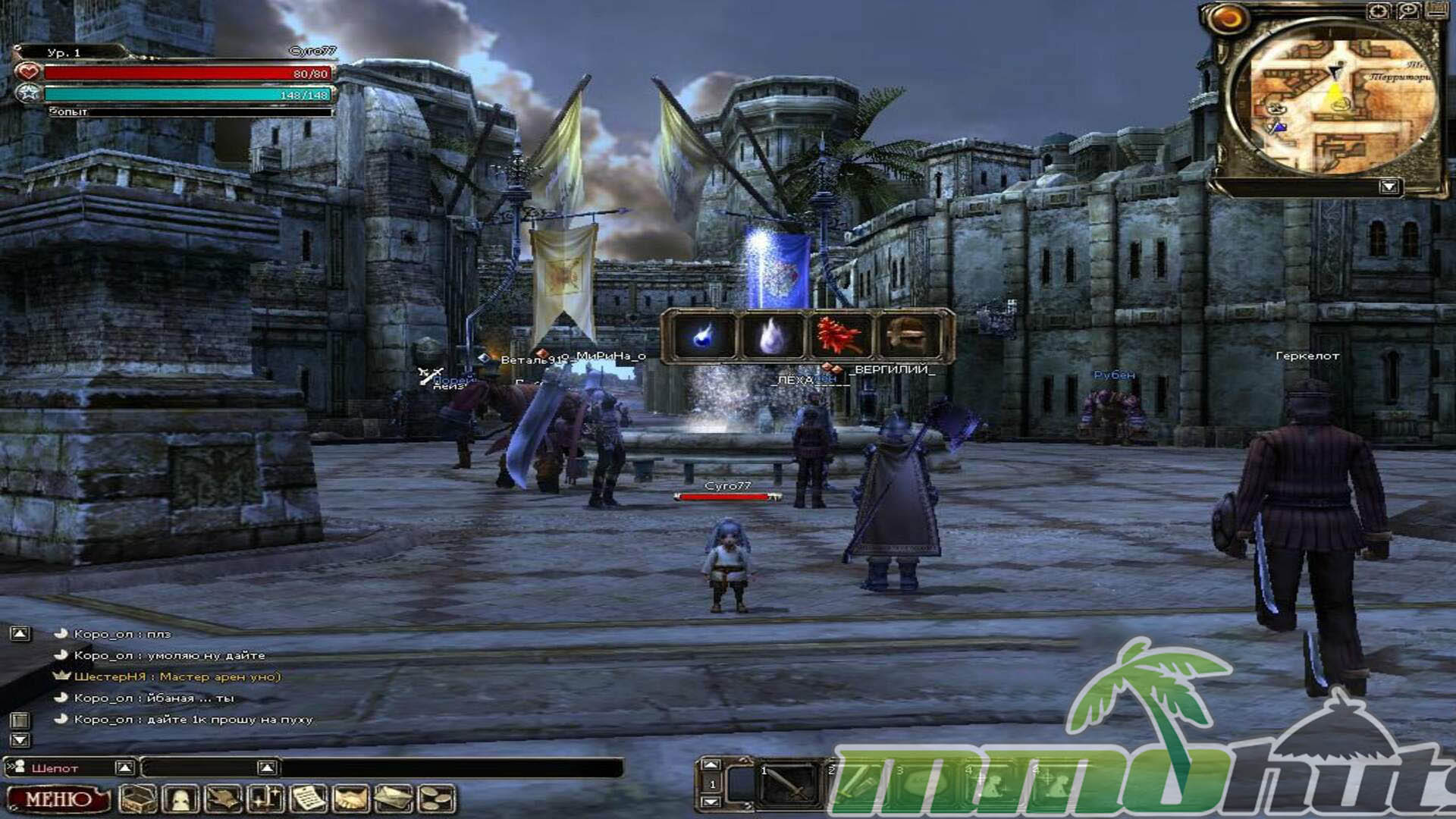
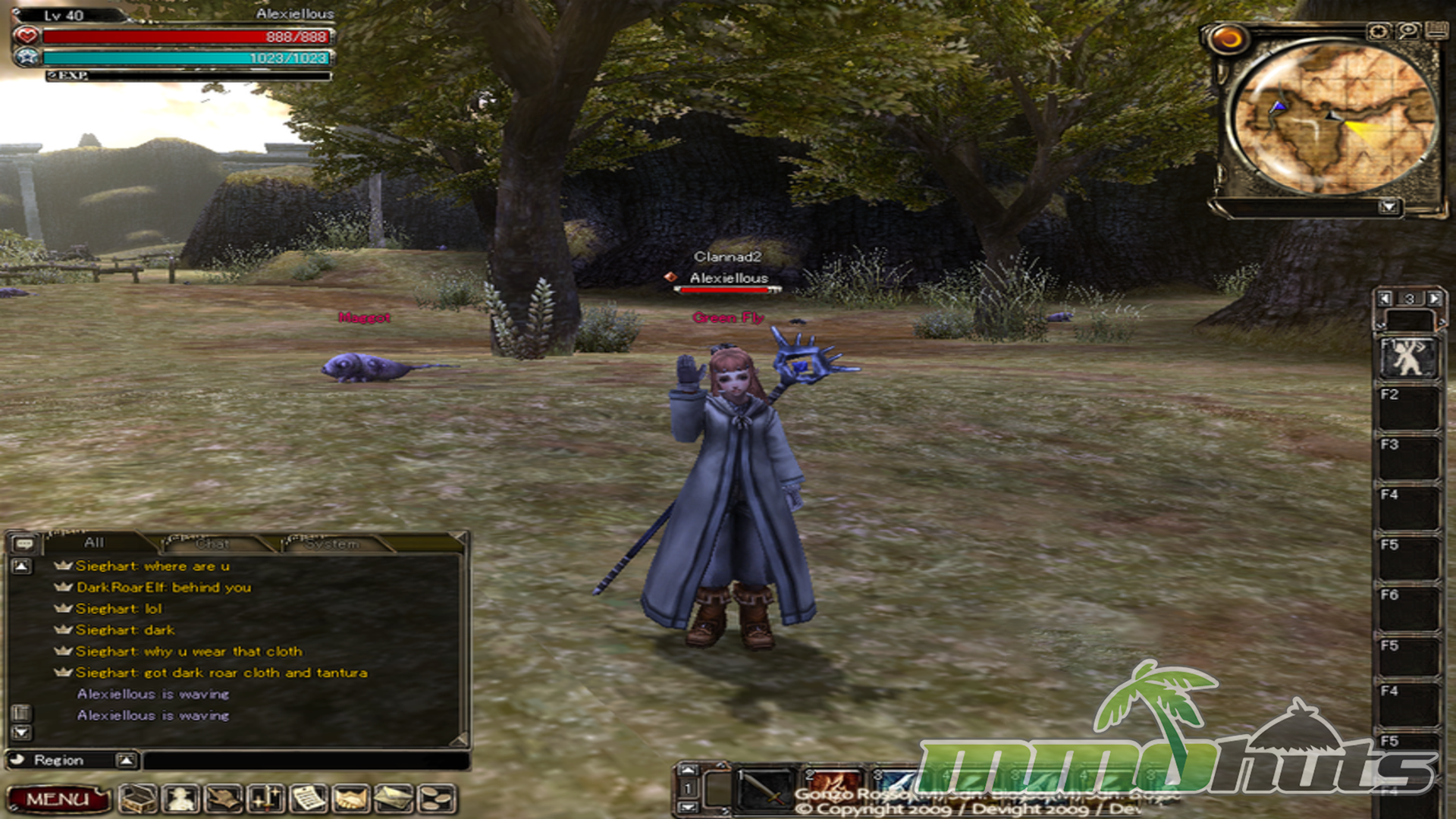
Pandora Saga Featured Video

Pandora Saga Classes
Starting Classes:
- Warrior – A close-range frontline pick that later splits toward heavier damage roles or sturdier tanking specializations.
- Scout – A stealth and positioning focused archetype that can develop into ranged physical damage dealers or sneaky melee attackers.
- Acolyte – The early healer route, later branching into a classic fragile support healer or a more independent support style with defensive and offensive options.
- Mage – A ranged elemental caster that can specialize into burst oriented magic or a style that leans more on damage over time and debuffs.
Level 20 Advancements:
- Gladiator – Advances from Warrior, emphasizing aggression and straightforward melee pressure.
- Knight — Advances from Warrior, bringing protective tools and party-oriented defense.
- Archer — Advances from Scout, specializing in ranged weapon techniques and projectile combat.
- Provocateur — Advances from Scout, a close-range stealth user that relies on traps and surprise engagements.
- Priest — Advances from Acolyte, a core healer and support choice that most groups relied on.
- Ascetic — Advances from Acolyte, mixing protection with a more combative approach to support.
- Wizard — Advances from Mage, focused on direct spell damage and strong elemental attacks.
- Sorcerer — Advances from Mage, trading raw burst for arcane effects and status based play.
Level 40 Advancements:
- Juggernaut– Advances from Gladiator, leaning into heavy weapon fighting with crushing melee strikes.
- Dragoon — Advances from Gladiator, introducing mounted combat and spear focused hit-and-run tactics.
- Warlord — Advances from Knight, offering top-tier defensive potential and a deep kit of protection skills for parties.
- Paladin — Advances from Knight, a flexible blend of offense and defense that also makes strong use of mounted combat and magic.
- Sniper — Advances from Archer, a bow specialist with varied arrow options that support adaptable DPS play.
- Hunter — Advances from Archer, built around mobility, mounted combat, and crossbow use.
- Assassin — Advances from Provocateur, centered on stealth approaches and high-impact ambush damage.
- Saboteur— Advances from Provocateur, a trap expert that disrupts enemies through surprise and utility tools.
- Cleric — Advances from Priest, expanding into a broader healing toolkit and remaining central to group setups.
- Enchanter — Advances from Priest, prioritizing buffs and supportive enhancements to allies’ combat stats.
- Monk — Advances from Ascetic, specializing in close-quarters control and resisting debuff heavy opponents.
- Exorcist — Advances from Ascetic, focused on defense, shutting down magic, and clearing negative effects.
- Warlock — Advances from Wizard, a high-damage glass cannon with limited survivability.
- Conjurer — Advances from Wizard, emphasizing teleportation for mobility and long-distance traversal.
- Corruptor — Advances from Sorcerer, a hybrid magic and melee style that is effective against mounted enemies, softening targets with a blade before finishing with spells.
- Shadowblade — Advances from Sorcerer, using disruptive magic to destabilize and confuse opponents.
Pandora Saga Online Links
Pandora Saga Japanese Website
Pandora Saga Wikia (Database / Guides)
Pandora Saga Metacritic (Reviews)
Pandora Saga Music & Soundtrack
Coming soon…
Pandora Saga Additional Information
Developer: Rosso Index
Publisher(s): Atlus Online, Marvelous USA
Open Beta Date: January 7, 2011
Release Date: February 15, 2011
Closure Date: February 28, 2014
Development History / Background:
Pandora Saga was created by Japanese developer Rosso Index and was brought to international audiences by Atlus Online, which also handled other online titles at the time such as Shin Megami Tensei: Imagine and Knights of the Sky. After a closed beta period in 2010, the game’s international open beta arrived in early 2011, leading into its English launch in February 2011. The localization was often criticized as rough, and for some players it reinforced the sense that the international version never received the same long-term stability as the Japanese service.
A Steam release followed in 2012, which helped attract more Western players and briefly increased the visibility of the game. In 2013, the publishing situation shifted when Atlus Online was acquired by XSEED and rebranded as Marvelous USA, with Pandora Saga included among the titles carried over. Not long after, Marvelous USA shut down its PC Online division to concentrate primarily on console publishing, and Pandora Saga’s international servers were closed on February 28, 2014.
Pandora Saga continued to be available in Japan, and determined English-speaking players could still access it there, provided they were comfortable navigating the game in Japanese.