
Orcs Must Die Unchained
Orcs Must Die! Unchained is a free-to-play spin on Robot Entertainment’s trap-laying, orc-shredding formula, blending third-person brawling with tower defense and a PvP mode that borrows some MOBA structure. As the third entry in the Orcs Must Die! series, it expands the scope with 5-player co-op against escalating waves and a 5v5 Siege mode where one team pushes while the other sets the kill zones.
 | Publisher: Robot Entertainment Playerbase: Shut Down Type: F2P MOBA / Third Person Brawler Release Date: March 29, 2016 Pros: +Stylish, animated look with strong art direction. +Lighthearted tone and humor that fits the series. +Quick, satisfying combat paired with trap planning. +Interesting hybrid of co-op defense and PvP pushing. +Tutorials do a solid job teaching the basics. Cons: -A lot of systems competing for attention. -Hero availability rotates, which can be frustrating. +Progression can feel grind-heavy at times. |
Orcs Must Die Unchained Overview
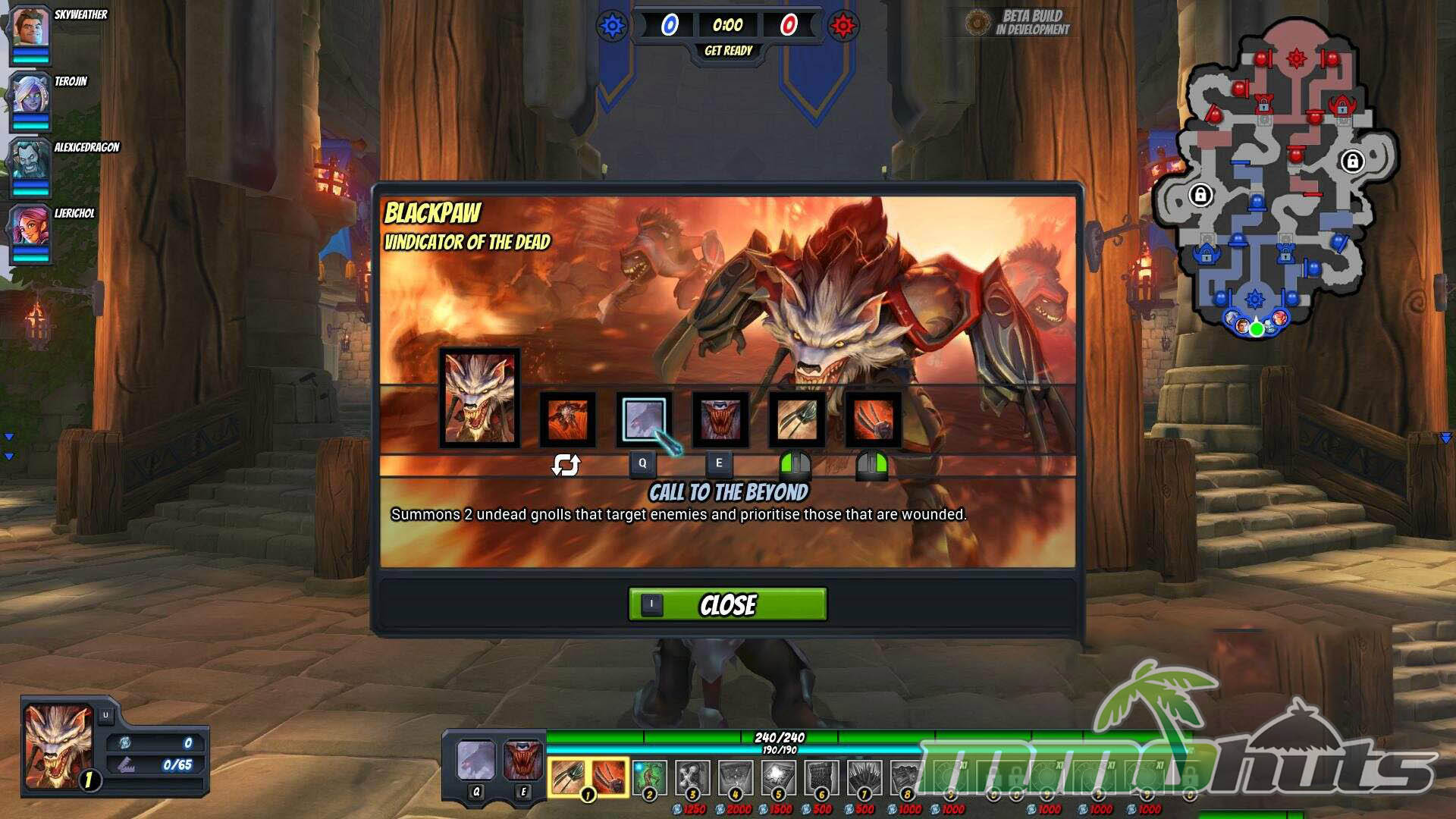
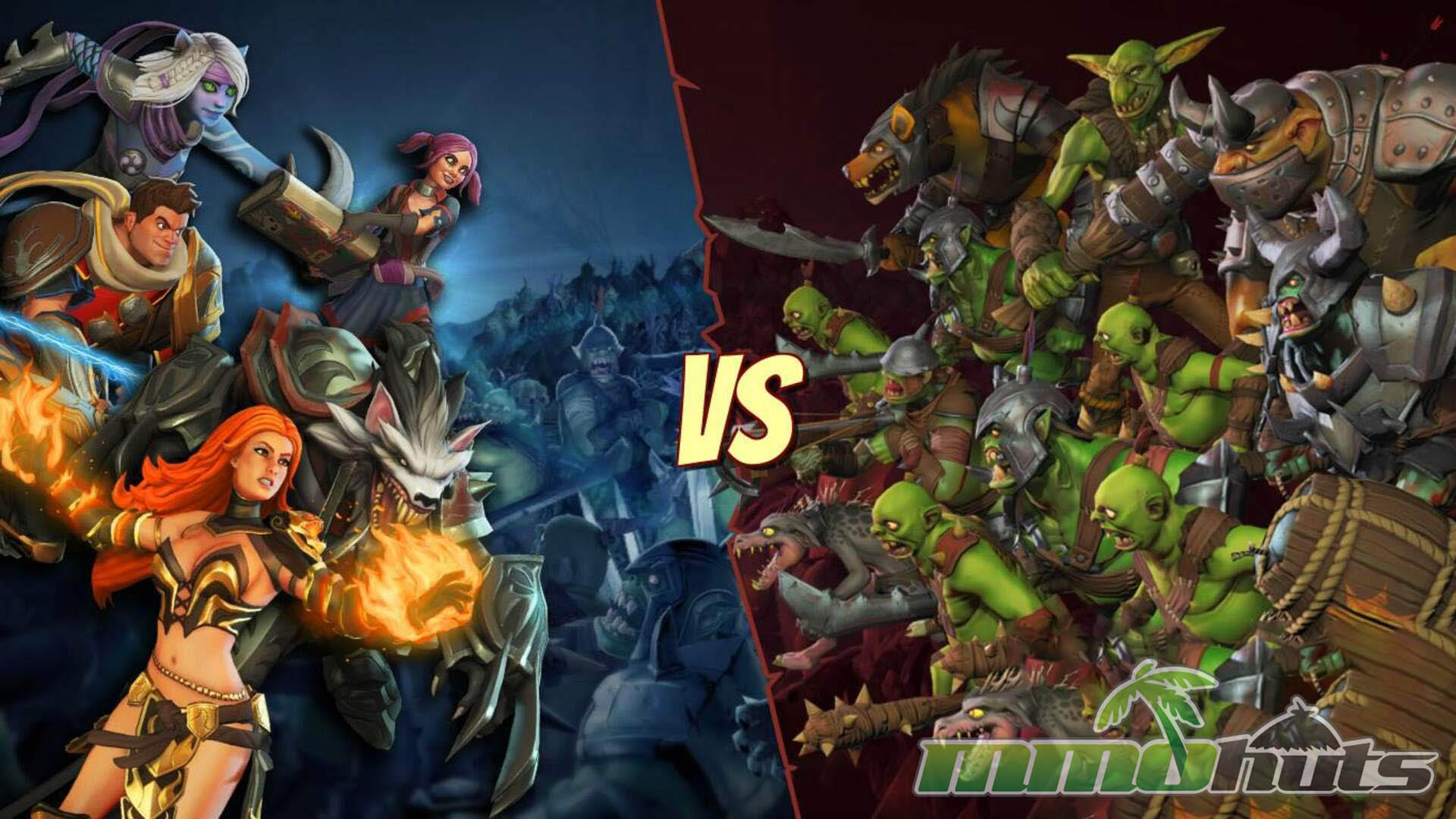
Orcs Must Die! Unchained takes the familiar series setup, heroes protecting a Rift by turning corridors into elaborate death machines, and scales it up for online play. For the first time in the franchise, the core experience is built around teams of five, letting players mix frontline fighters, ranged damage dealers, and utility-focused heroes while coordinating trap layouts. The roster is packed with distinct personalities and playstyles, ranging from the refined War Mage Maximillian to the feral Gnoll Blackpaw, and the variety helps matches feel less repetitive than pure wave defense usually does.
Between rounds, you spend time planning trap placements and refining your “maze” to funnel enemies into overlapping hazards. In the moment-to-moment action, Unchained leans into third-person brawling, so you are not only watching traps work, you are actively juggling enemies, finishing off stragglers, and saving the Rift when a lane starts to collapse. If co-op defense is not enough, Siege Mode shifts the focus to 5v5 competition, using a lane-based structure where one side attacks with minions and the other side builds trap-heavy defenses.
Orcs Must Die! Unchained Key Features:
- Action-Packed Multiplayer Game – the franchise’s trap-and-combat loop reworked for online multiplayer matches.
- Survival and Endless Mode – team up with up to 5 players and hold the line against waves of enemies in the series’ signature defense format.
- A New Breed of MOBA – Siege Mode reinterprets familiar MOBA concepts with escorting minions and defending via trap zones.
- More Heroes, More Fun – War Mage and Sorceress return alongside many additional heroes with distinct kits, roles, and personalities.
- It’s A Trap! – use a broad selection of traps, unlock new options, and craft loadouts that enable creative (and often ridiculous) kill setups.
Orcs Must Die Unchained Screenshots
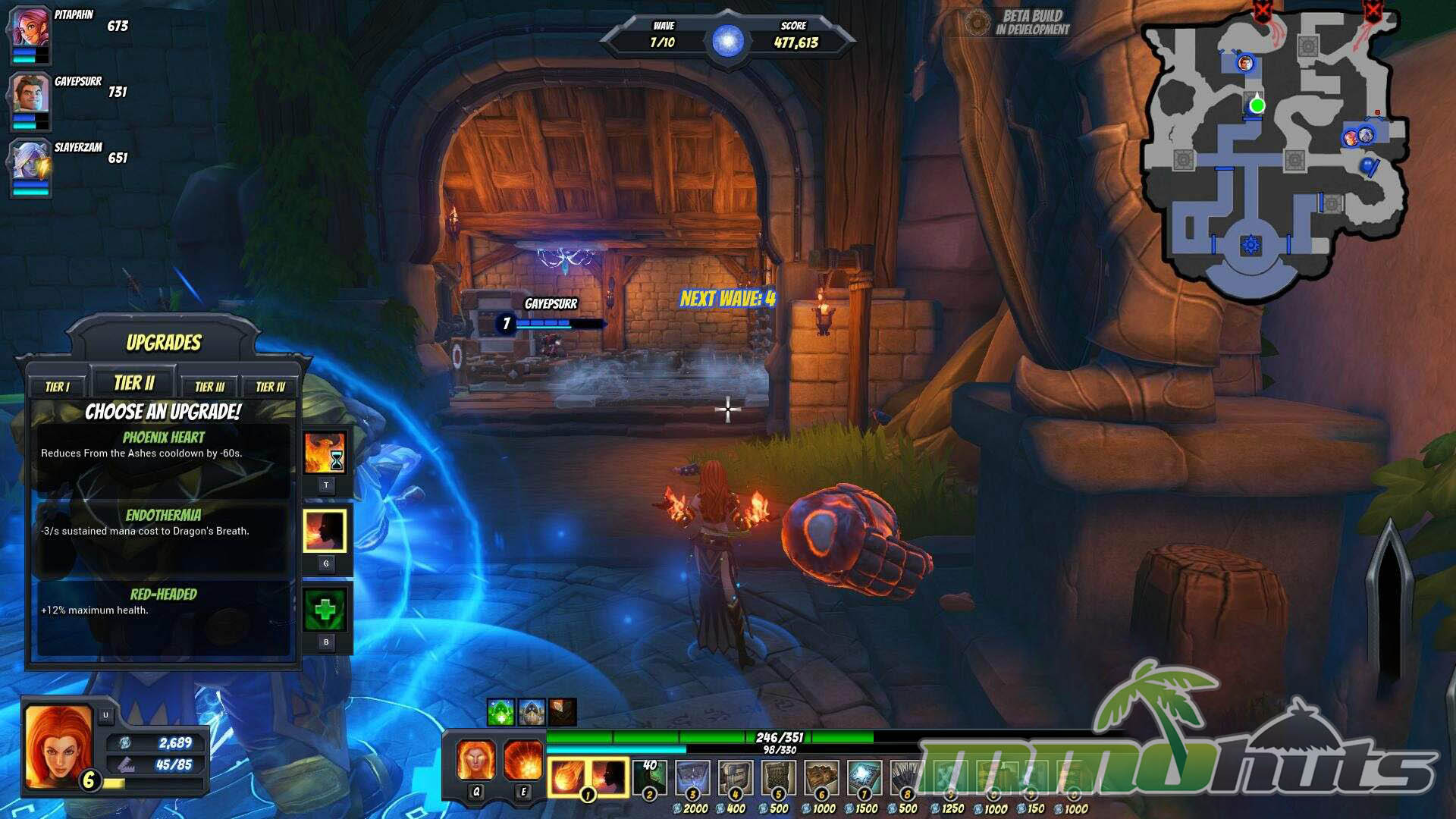
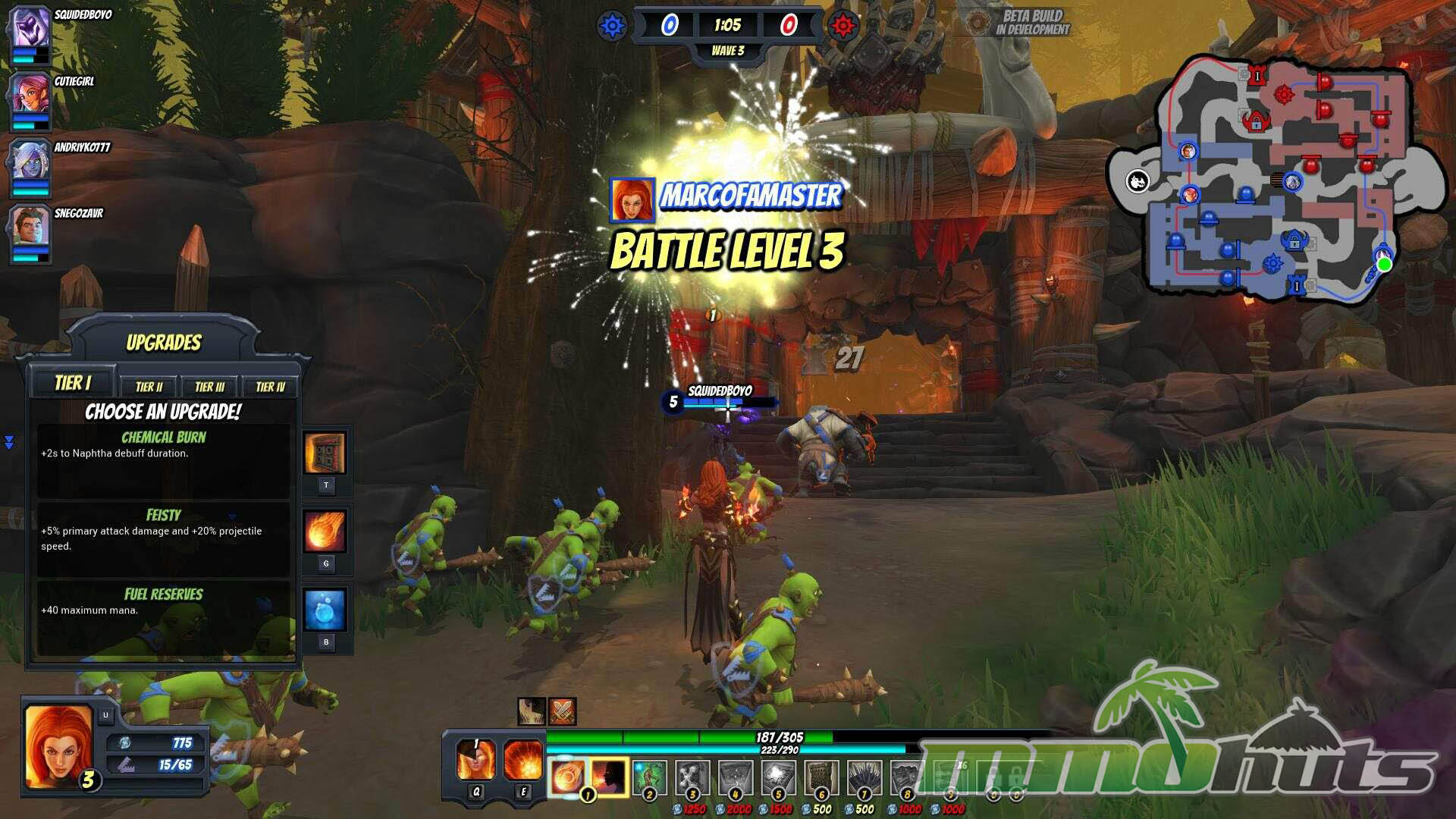
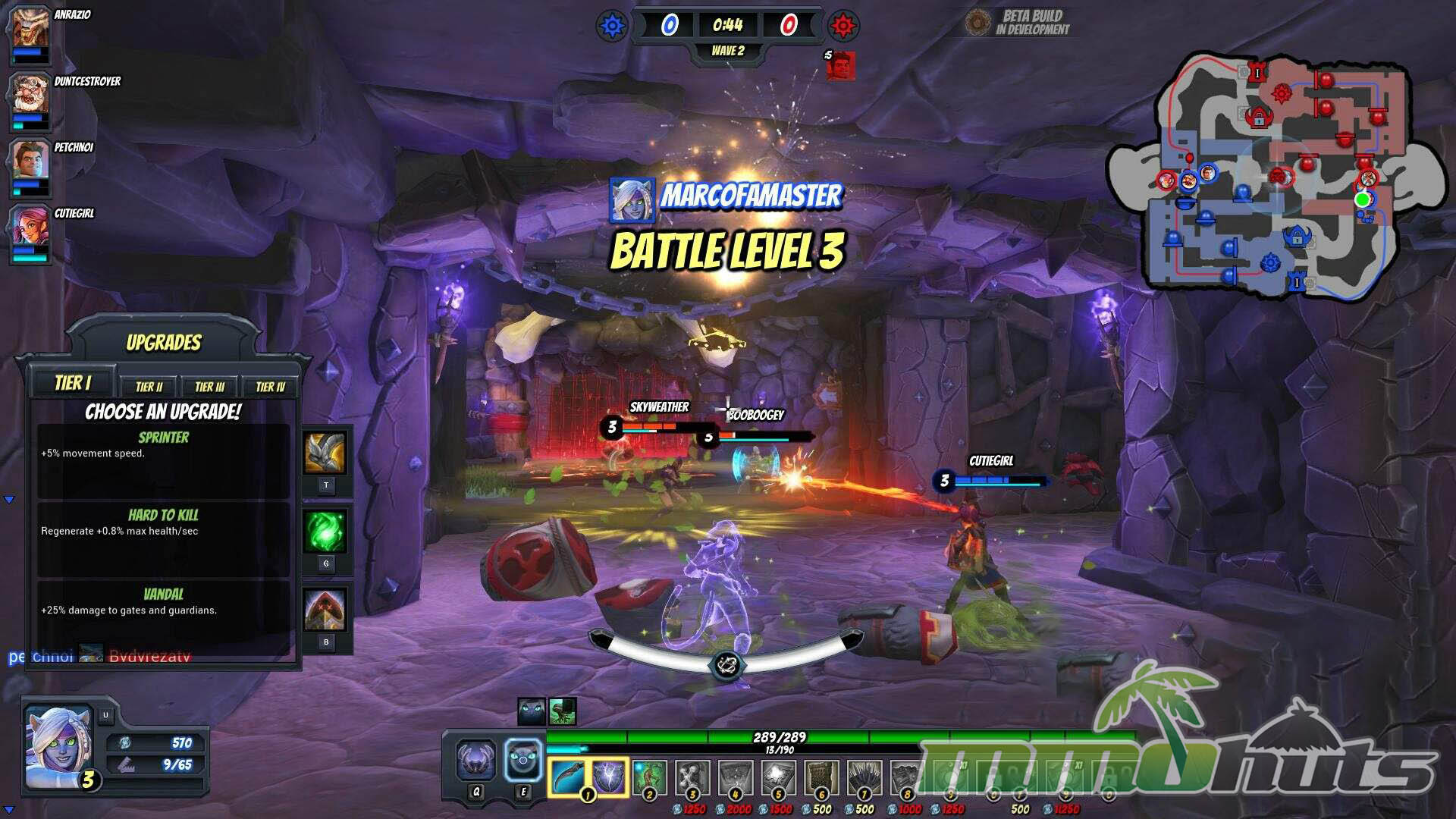
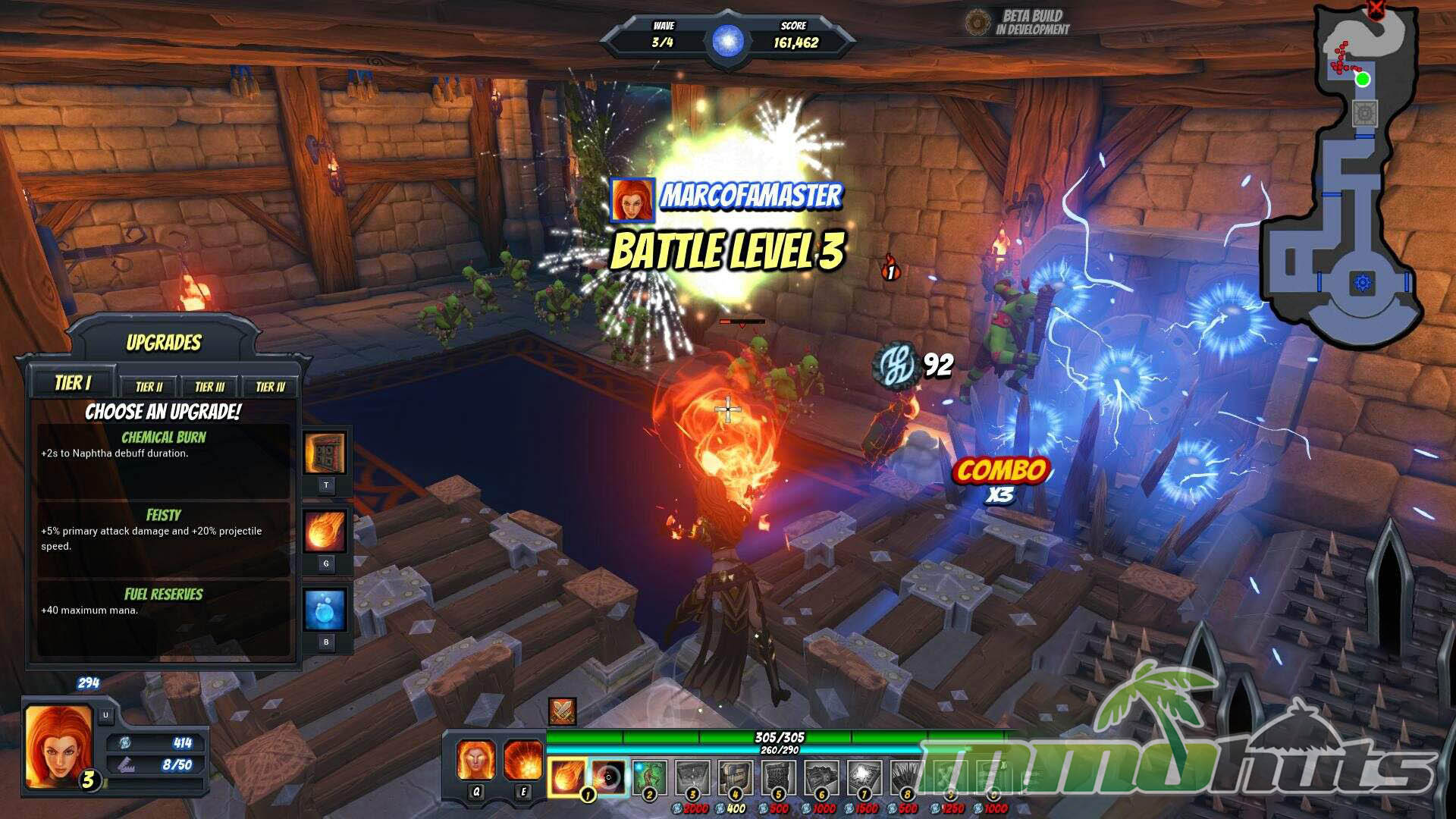


Orcs Must Die Unchained Featured Video

Orcs Must Die Unchained Review
Orcs Must Die! Unchained (often shortened to OMDU) aims to be more than a simple sequel. It is still unmistakably Orcs Must Die at its core, a third-person action game where traps do the heavy lifting and your hero cleans up the mess, but it also stretches into multiplayer-first design and a PvP mode that echoes the MOBA genre. The end result is ambitious and frequently entertaining, even if the number of moving parts can make it feel like several games sharing the same menu.
Visually, Unchained commits to a bold, cartoon-styled fantasy look that suits the series’ slapstick violence. It is not chasing realism, and that choice helps it age gracefully compared to games that rely on cutting-edge effects. Audio is another highlight, with punchy combat sounds and energetic music that keeps matches lively. The real standout is the voice work, which consistently leans into sarcasm and wordplay, keeping the tone light even when the screen is full of chaos.
One unusual design quirk is how the “dashboard” and the match client are separated. Robot Entertainment’s reasoning is that it supports a more social, flexible hub while you queue or manage progression, but it can feel odd at first because it does not behave like a typical single-client lobby.
Learning the Ropes
Before you are fully turned loose in matchmaking, the game walks you through the essentials. The Survival tutorial does more than explain controls, it teaches the rhythm that defines Unchained, setting traps in valid zones, combining effects, and understanding how small placement tweaks can dramatically change outcomes. It also serves as a gate to the main lobby, so you will complete it early regardless.
There is a separate introduction for Siege Mode as well. Even if you have years of MOBA experience, it is worth doing because Unchained’s objectives and lane flow are not a one-to-one copy of the genre. The tutorial helps clarify what attackers and defenders should be doing, and why trap placement matters even in PvP.
Classic Defense, Now as a Team Sport
The series’ identity has always been the blend of direct combat and engineered slaughter. Unchained keeps that intact, but expands co-op from the older two-player setup into full five-player squads. Alongside Maximillian and the Sorceress, a broader set of heroes fills out team roles, which makes coordination more interesting than simply stacking damage.
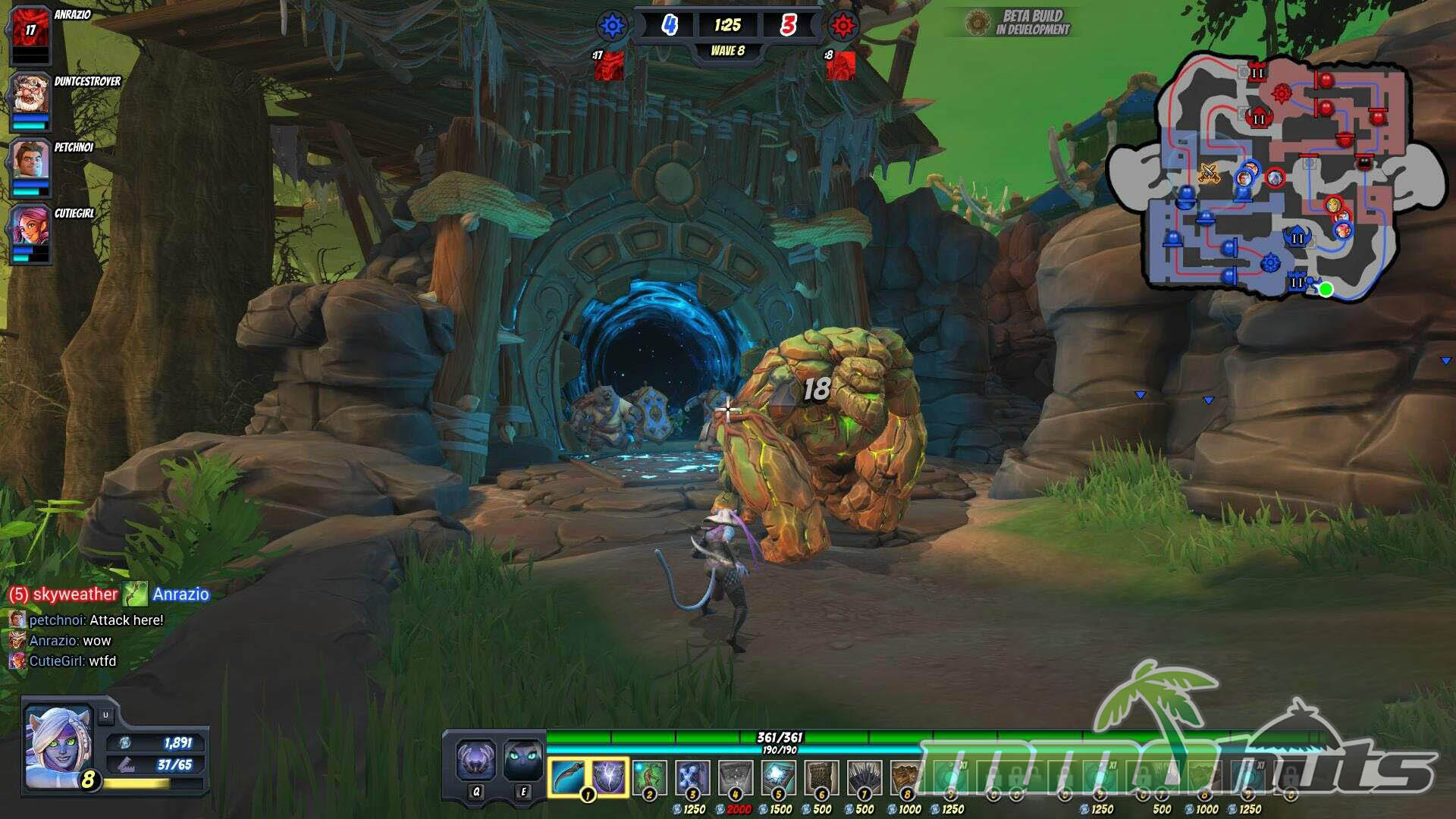
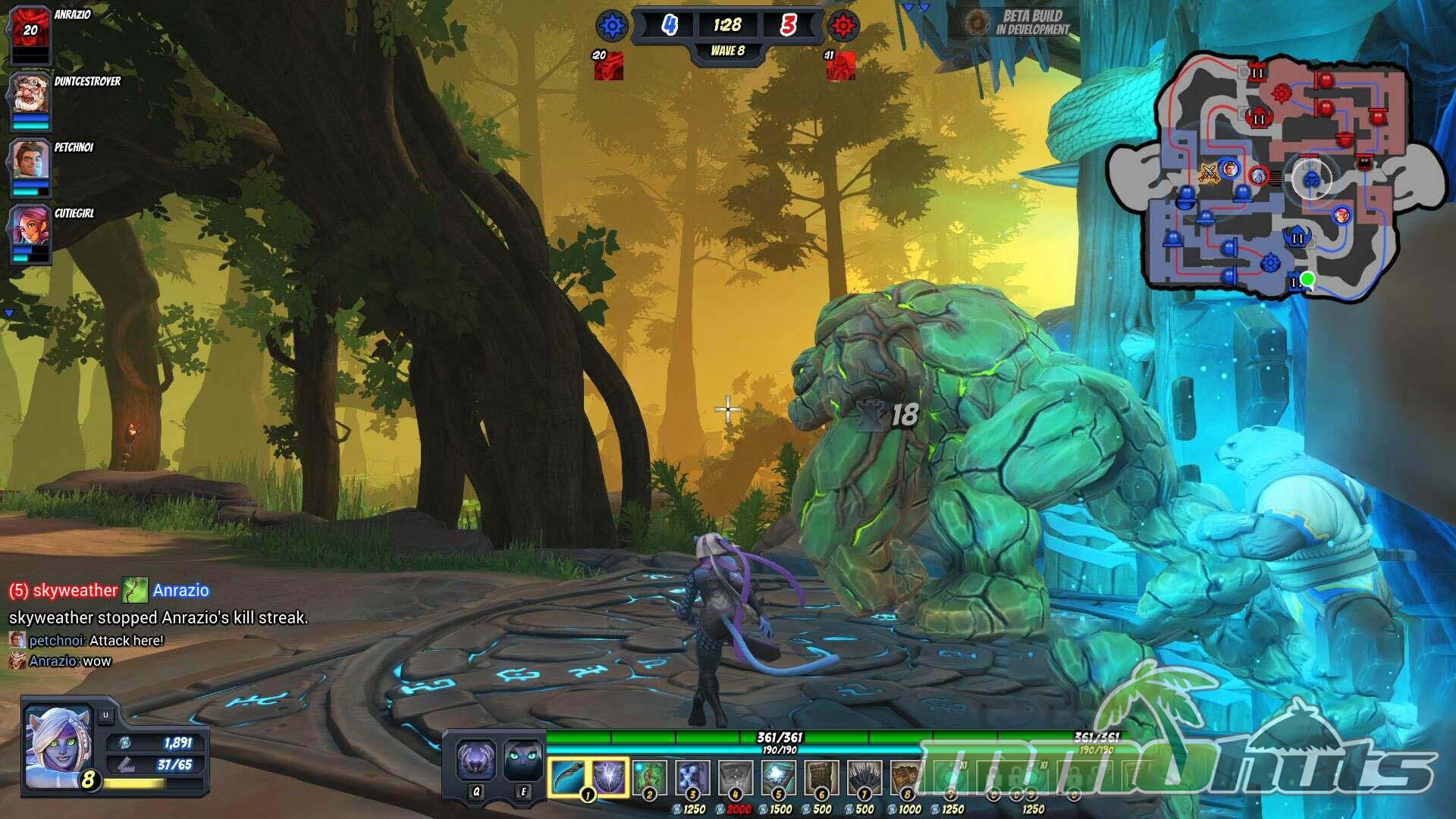
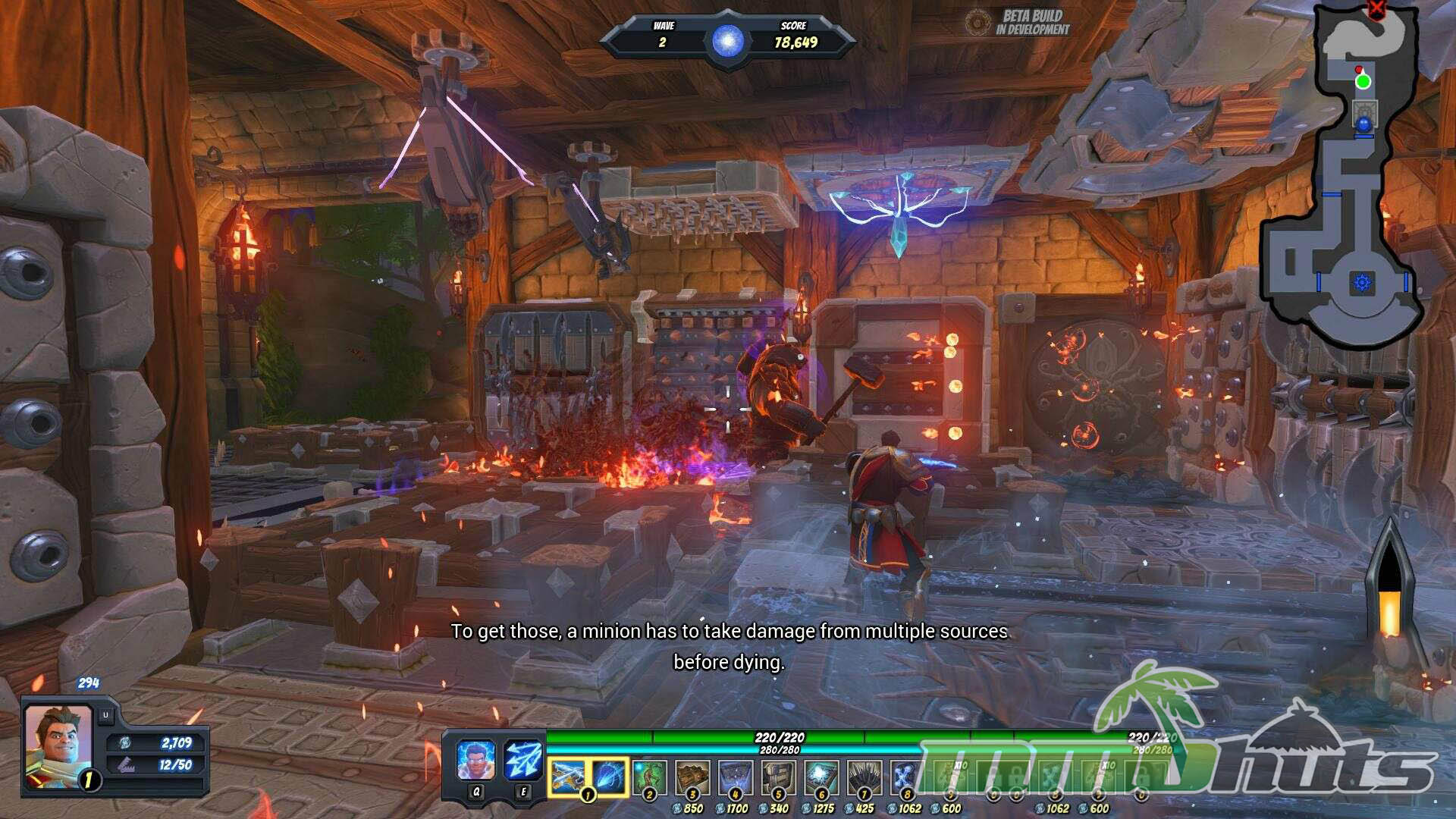
Survival and Endless modes are the main home for the traditional formula. Your team defends the Rift by placing traps and guardians in designated build areas, then fighting through waves that get increasingly demanding. The game encourages “combo” play, rewarding you for chaining different sources of damage on the same targets. Those combos are not only satisfying, they also feed an Unchained meter that can be activated for a short period of invulnerability, giving you a clutch option when a wave threatens to overwhelm your defenses.
As difficulty increases, the need for smart kill zones becomes more obvious. Stronger enemies do not melt to a single trap line, so teams that succeed tend to layer slows, knockbacks, and sustained damage in ways that keep targets trapped in the danger area. In Survival you are working toward a set number of waves, while Endless is exactly what it sounds like, a test of how long your build and teamwork can hold before the Rift finally collapses.
Siege Mode and the MOBA Influence
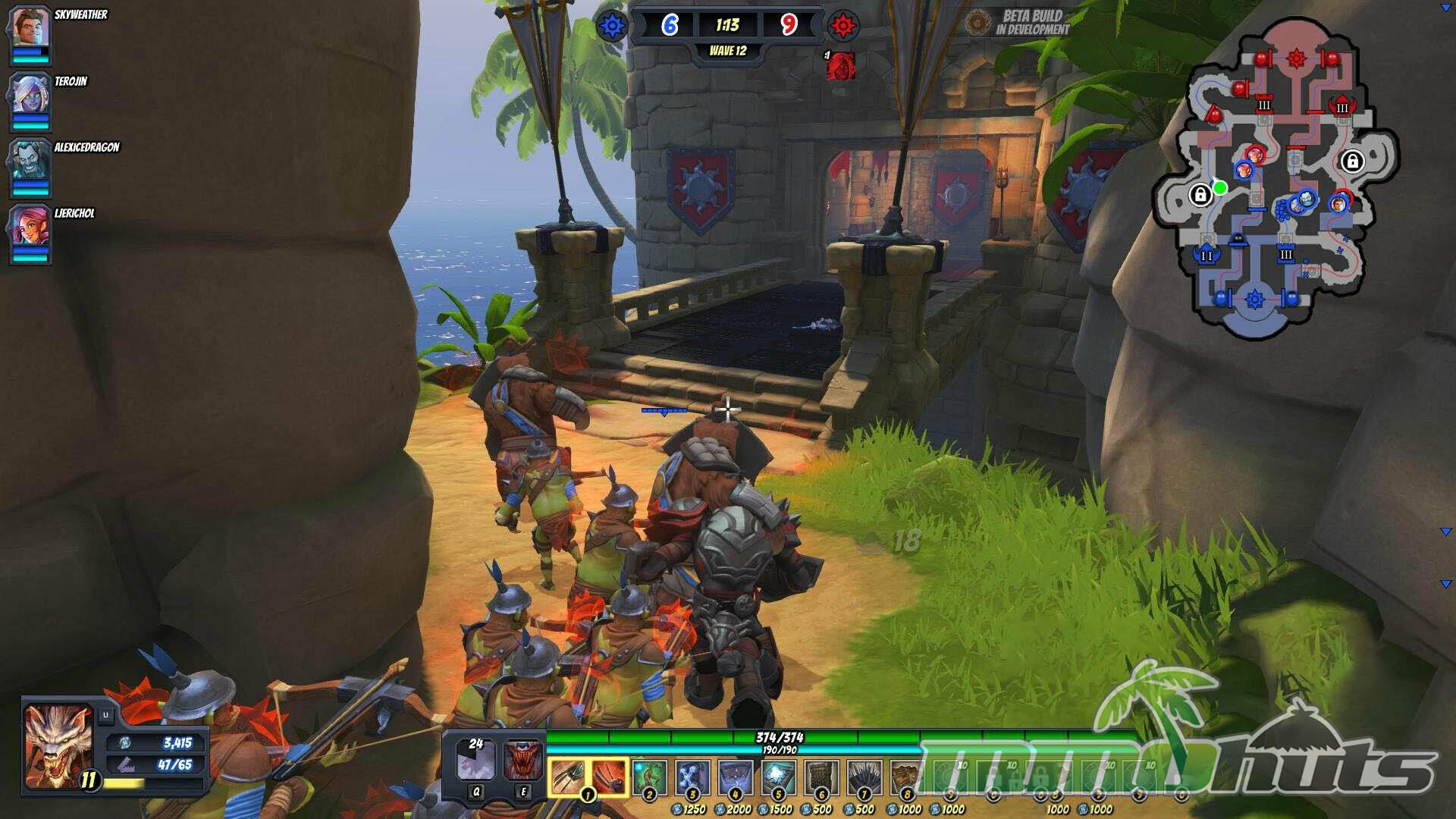
Siege is Unchained’s big experiment, taking MOBA conventions and twisting them into something more aligned with Orcs Must Die. It still has the familiar idea of lanes, minions, and pushing toward an enemy objective, but it changes how pressure is applied. Instead of having minions automatically contest every lane in the same way, each team has a clear attacking lane and a defending lane. Minions only appear in the attacking lane, which corresponds to the enemy’s defensive route.
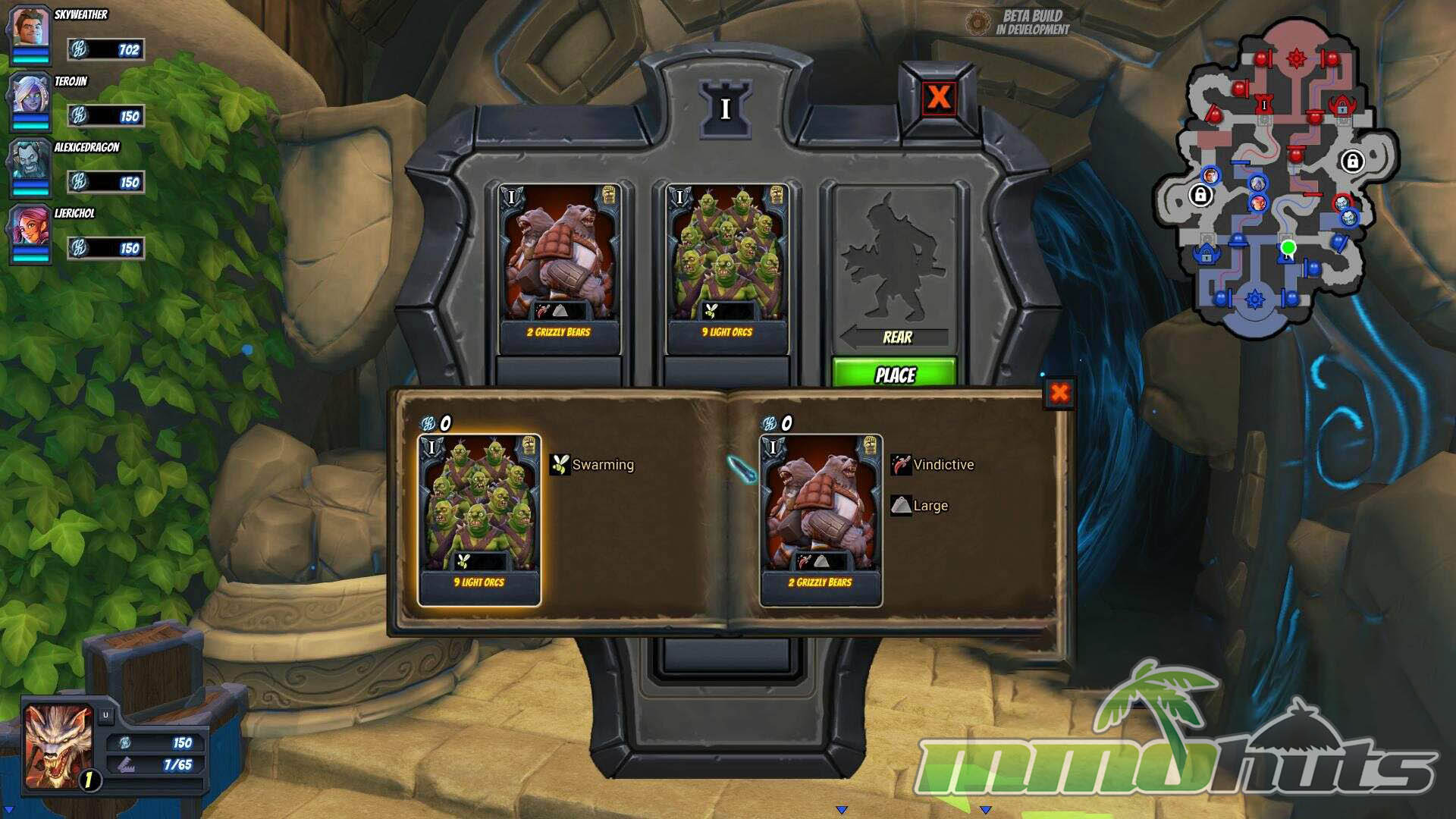
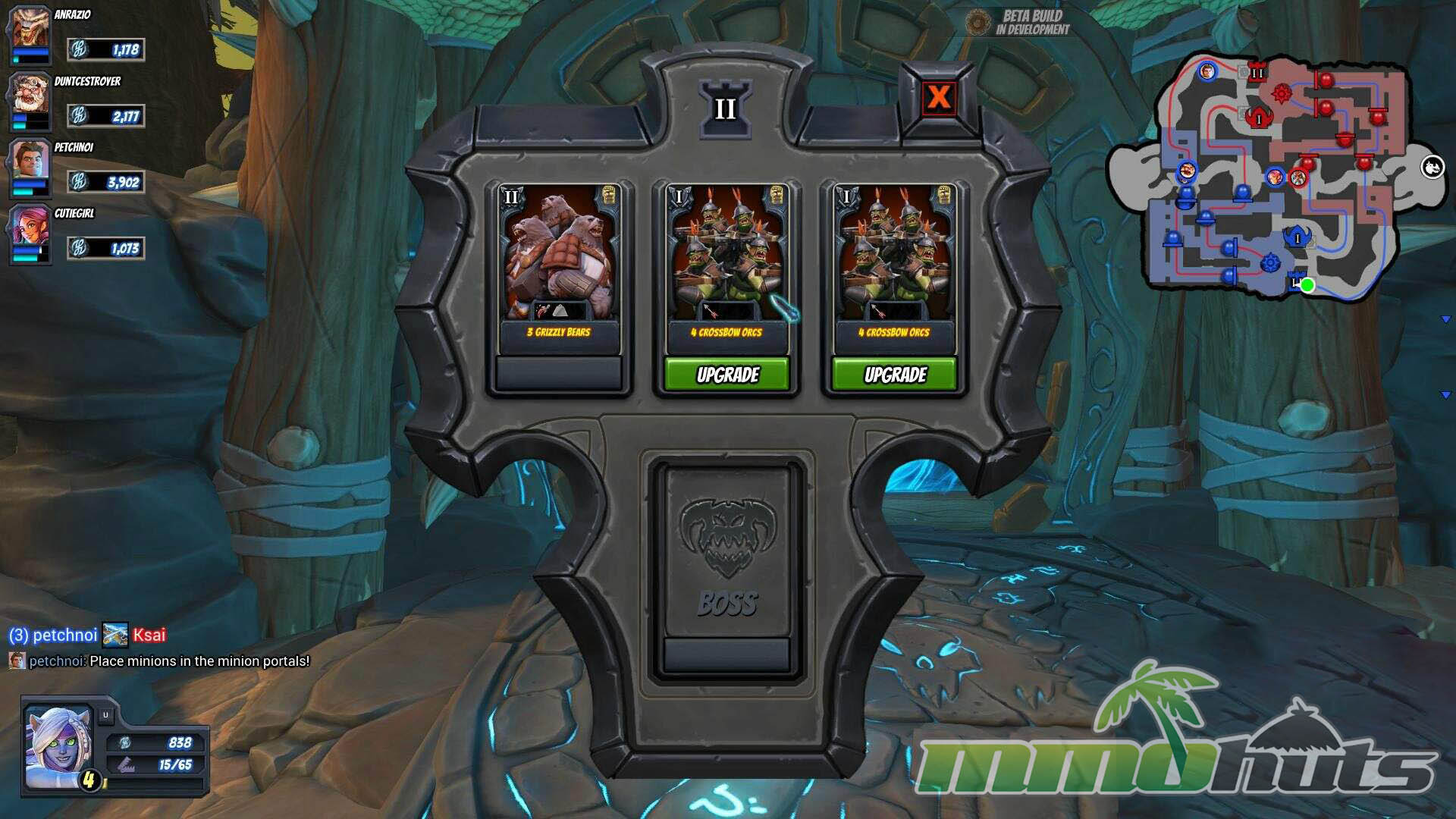
At the start, players commit to either attack or defense. Attackers escort their chosen minion types down the lane, staying close enough to support the push and protect them from being deleted by traps. Defenders, meanwhile, focus on building trap setups in the designated kill zones to halt the push before it reaches critical structures and, eventually, the opposing Rift.
That escorting component is not just flavor. Staying with minions reduces the damage they take from traps and also grants experience that upgrades the minion portal, unlocking stronger spawns as the match develops. On the defensive side, successful trap kills generate money that is reinvested into even more defenses, creating a back-and-forth economy centered on minion waves rather than constant hero duels.
Importantly, heroes themselves are not affected by traps, which shifts the value of PvP kills. Eliminating enemy heroes is still useful and satisfying, but it is not always the primary win condition. The match’s momentum often hinges more on whether attackers can keep their minions alive through trap corridors, and whether defenders can keep upgrading their kill zones efficiently.
Cards, Crafting, and Progression
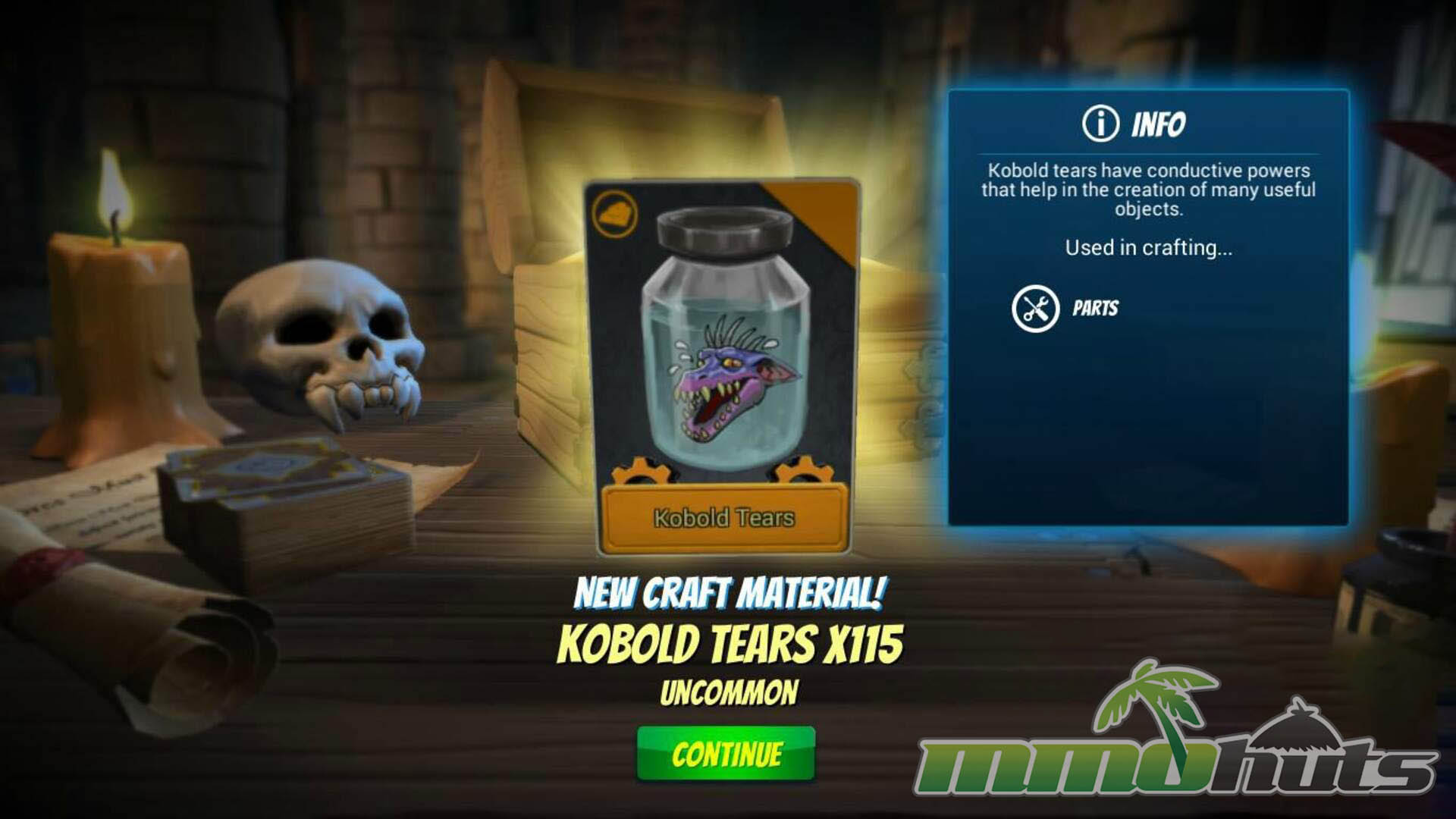
Completing matches rewards Skulls, the main in-game currency, and progression is structured around cards. Traps, heroes, and even Siege minions are represented in that card-based system, giving Unchained a collectible layer on top of its action and strategy. Materials are also earned through play and collected during matches, feeding into crafting and upgrades.
Experience gained on heroes contributes to account progression. The account level is built from the combined levels of your heroes and provides HP and damage bonuses, but crucially those bonuses apply only in Survival. Trap upgrades follow the same rule. Siege keeps competitive balance tighter by limiting what carries over into PvP, with heroes and minions being the major unlocks that matter there.
Monetization Notes
The cash shop offers Gold for real money, which can be used to buy most things, plus boosters and consumables. The key point is that meaningful stat-impacting upgrades are tied to Survival rather than Siege. That design choice helps keep PvP fairer while still letting dedicated (or paying) players speed up their co-op progression. It is not a perfect solution for everyone, but it avoids the worst pay-to-win pitfalls in the mode where balance matters most.
The Final Verdict – Great
Orcs Must Die! Unchained succeeds at delivering the series’ signature satisfaction in a multiplayer format. The co-op defense is the strongest part, with trap planning and frantic third-person combat combining into matches that feel both tactical and energetic. Siege Mode is more polarizing, it is clever in how it re-centers the MOBA loop around minion escorting and trap defense, but it will not convert players who already dislike the genre’s structure.
Its biggest weakness is also tied to its ambition. With tower defense, brawler combat, PvP lane pushing, and card-based progression all under one roof, the game can feel busy and occasionally unfocused. The lighter story presence compared to earlier entries may also disappoint players who enjoyed more of that framing. Still, for fans of trap-based defense and chaotic co-op, Unchained offers a distinctive take that stands out from typical MOBAs and typical tower defense games alike.
Orcs Must Die Unchained Links
Orcs Must Die Unchained Official Site
Orcs Must Die! Unchained Steam Page
Orcs Must Die Unchained Wikipedia
Orcs Must Die Unchained Gamepedia [Database/Guides]
Orcs Must Die Unchained Wikia [Database/Guides]
Orcs Must Die Unchained Subreddit [Community]
Orcs Must Die Unchained System Requirements
Minimum Requirements:
Operating System: Windows XP SP3
CPU: Intel Core2 Duo 2.66GHz
RAM: 4 GB RAM
Video Card: Intel HD 4000
Direct X: DirectX 9.0c
Hard Disk Space: 8 GB available space
Recommended Requirements:
Operating System: Windows 7 64-bit
CPU: Intel Core i5-2320 3.0GHz (or better)
RAM: 6 GB RAM or more
Video Card: GeForce GTX 555 with 1GB VRAM (or better)
Direct X: DirectX 9.0c
Hard Disk Space: 10 GB or more available space
*Windows XP and below not supported.
Orcs Must Die Unchained Music & Soundtrack
Coming Soon!
Orcs Must Die Unchained Additional Information
Developer: Robot Entertainment
Publisher: Robot Entertainment
Distributor: Steam
Game Engine: Unity (Dashboard) / Unreal (Game Client)
Closed Beta Date: June 27, 2014
Open Beta Date: March 30, 2016
Official Launch: April 19th, 2017
Development History / Background:
Orcs Must Die! Unchained (OMDU) is a free-to-play fantasy-themed 3D action tower defense and MOBA project developed and published by Robot Entertainment, a studio formed by founders of the now defunct Ensemble Studios. As the third Orcs Must Die! title, it is also the first entry designed around multiplayer as a core feature rather than an add-on. The game spent a long time in Closed Beta, beginning June 27, 2014 and running through November 10, 2015, after which the team shifted to scheduled Closed Beta periods. Open Beta followed on March 30, 2016. OMDU was distributed on Steam and via the official site, and it officially launched on April 19th, 2017.