Blacklight: Retribution is a fast-paced, sci-fi online FPS built around two standout ideas, a deep “build-a-gun” customization suite and Hyper Reality Vision (HRV), a temporary scan mode that reveals enemies through cover and changes how every firefight plays out.
 | Publisher: Arc Games Playerbase: Shut Down Type: MMO Shooter Release Date: April 3, 2012 (NA/EU) Pros: +Robust weapon building with tons of parts. +HRV adds a distinctive tactical layer. +Smooth, responsive shooting. Cons: -Map selection feels limited. -Permanent gear can be expensive. -Support and updates were inconsistent. |
Blacklight: Retribution Overview
Blacklight: Retribution is a cyberpunk-leaning, free-to-play online shooter and the follow-up to Blacklight: Tango. Matches are lobby-based and focus on familiar objective and deathmatch formats, but the game separates itself from the pack with two major systems: an unusually granular weapon crafting approach, and HRV, a short-duration scan that can expose opponents through walls.
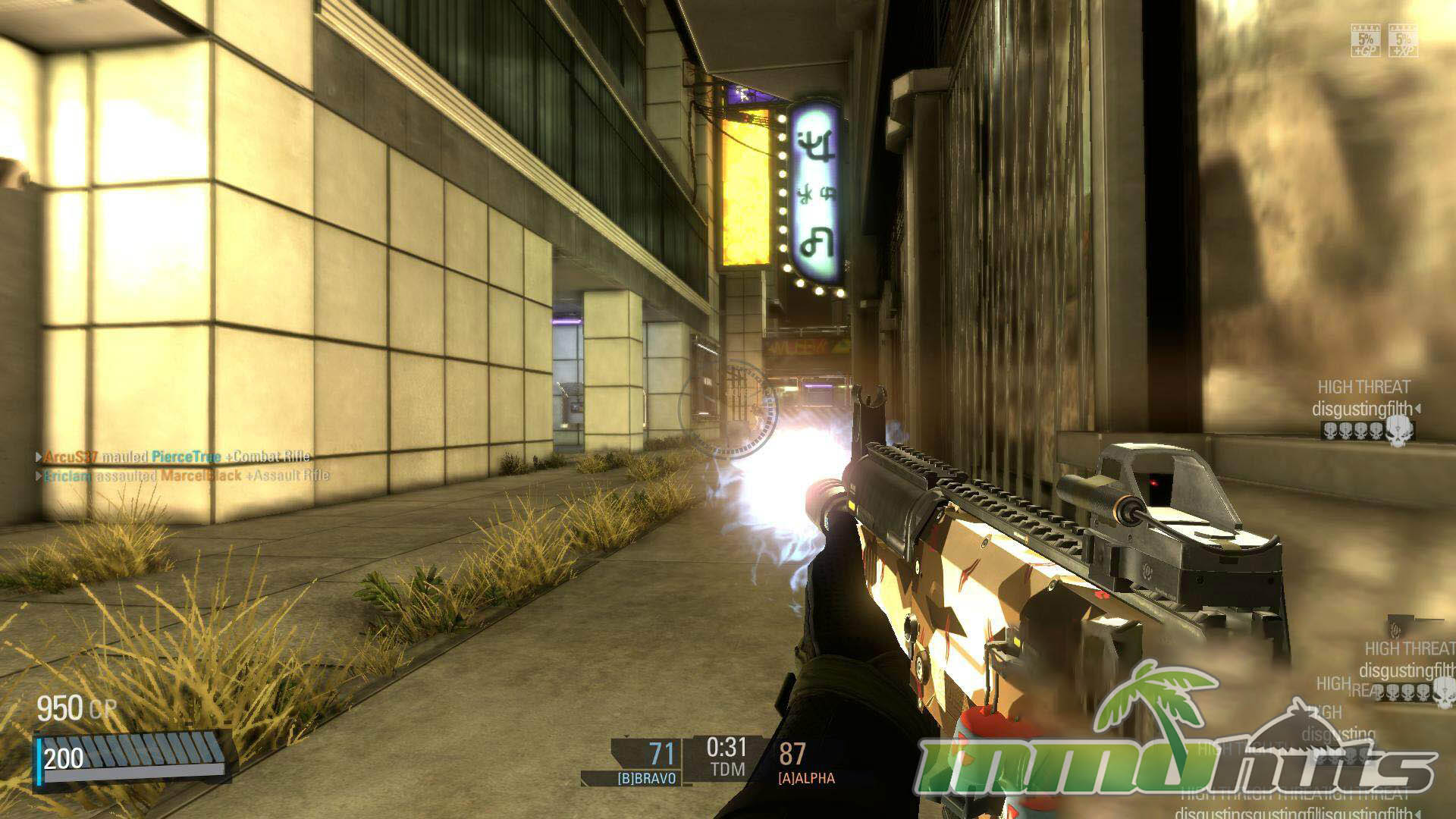
Progression revolves around building loadouts, unlocking and renting or buying parts, and gradually working toward permanent purchases. Premium currency (Zen) offered a quicker path to permanent weapons and removed some level restrictions, while patient players could still earn gear with standard in-game currency over time. During matches, players also build Combat Points (CP) that can be spent at weapon depots for powerful temporary tools, including airstrikes and the iconic Hardsuit mech.
Blacklight: Retribution Key Features:
- In-depth Weapon Customization – a highly detailed weapon system with 1000+ possible combinations through receivers and interchangeable parts.
- Unique Hyper Reality Vision System – HRV acts like a temporary scan that highlights enemies through cover, forcing smart timing and positioning.
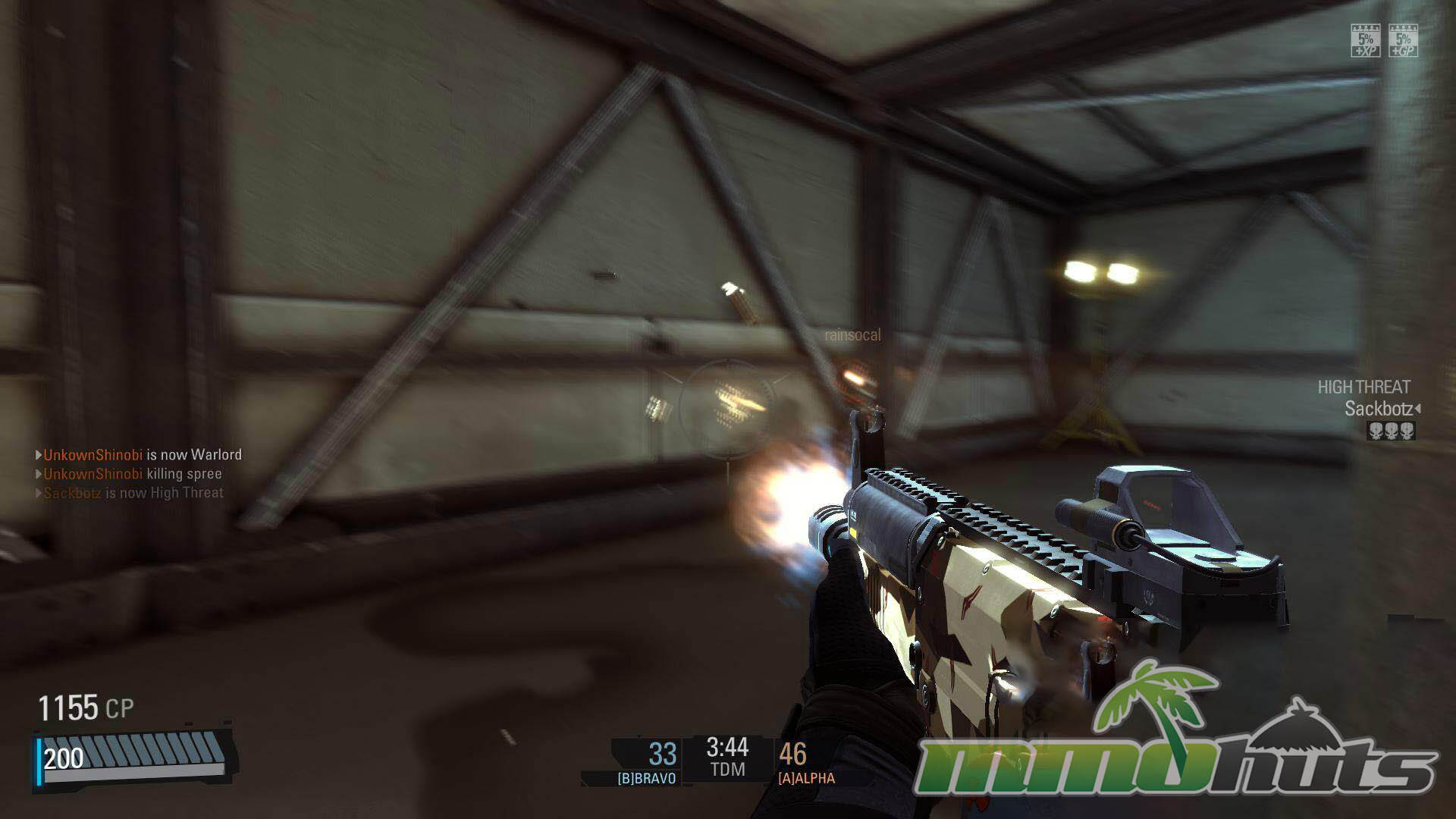
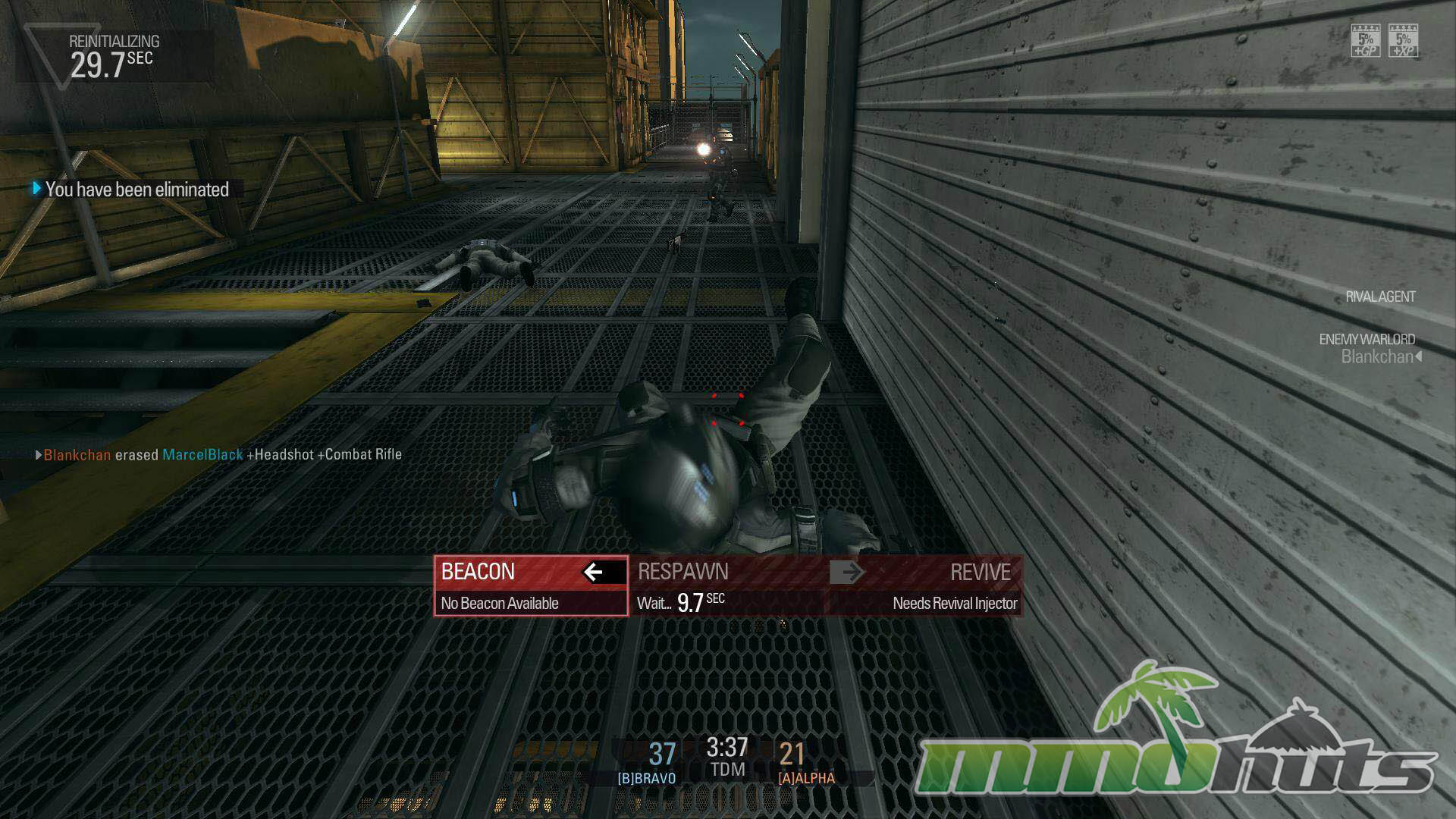
- Tactical FPS Gameplay – gunfights are quick and punishing, with headshots often deciding engagements, the pacing feels closest to Call of Duty style shooters.
- Health Regeneration – outside of combat, health refills up to 50 percent, encouraging re-engagement without fully resetting every fight.
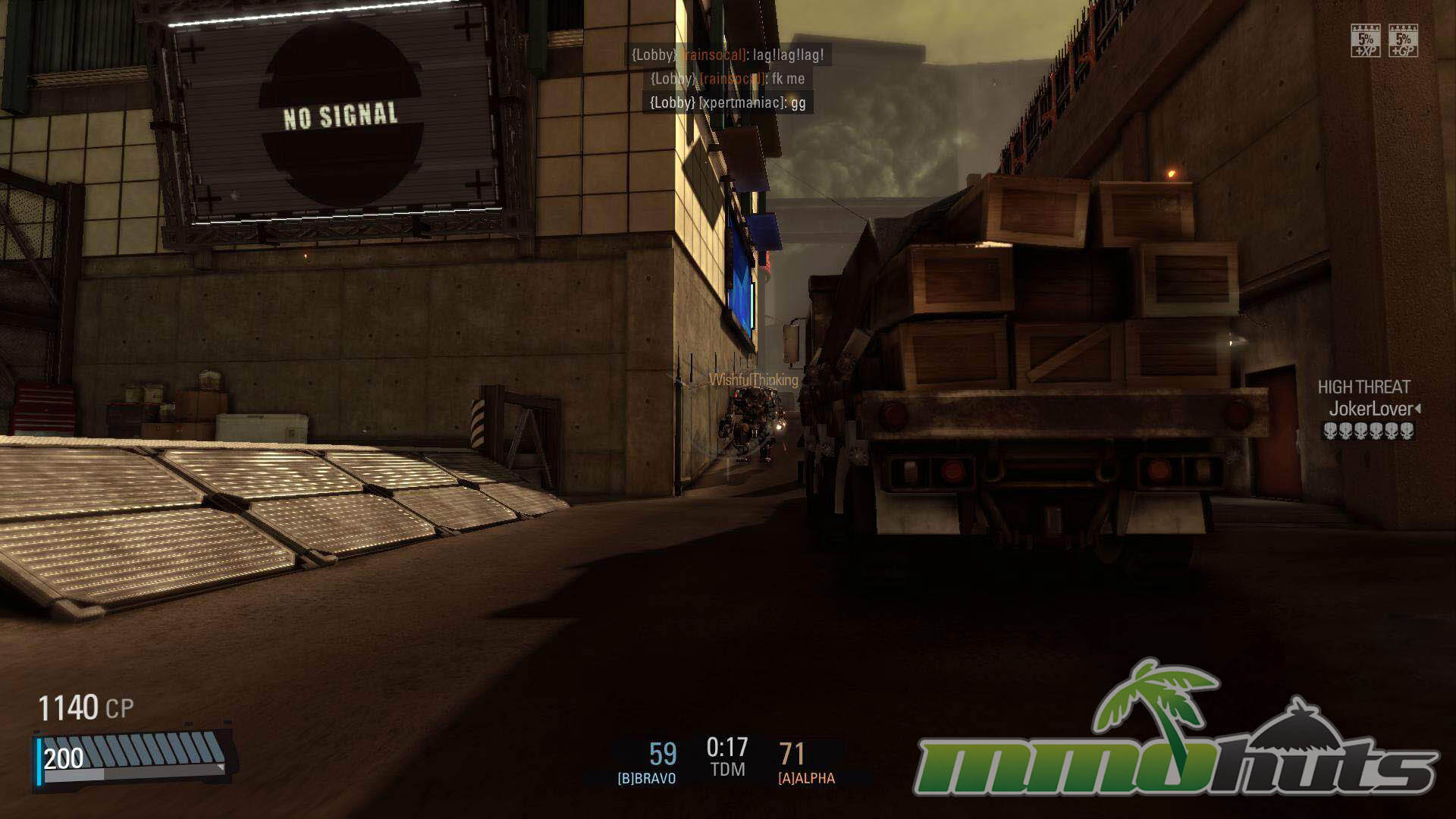
- Variety of Game Modes and Maps – 8 game modes across 10+ maps, including staples like Team Death Match, Death Match, King of the Hill, Capture the Flag, and more.
- In-depth Stat Tracking System – detailed performance tracking for accuracy, kills, deaths, and other key metrics.
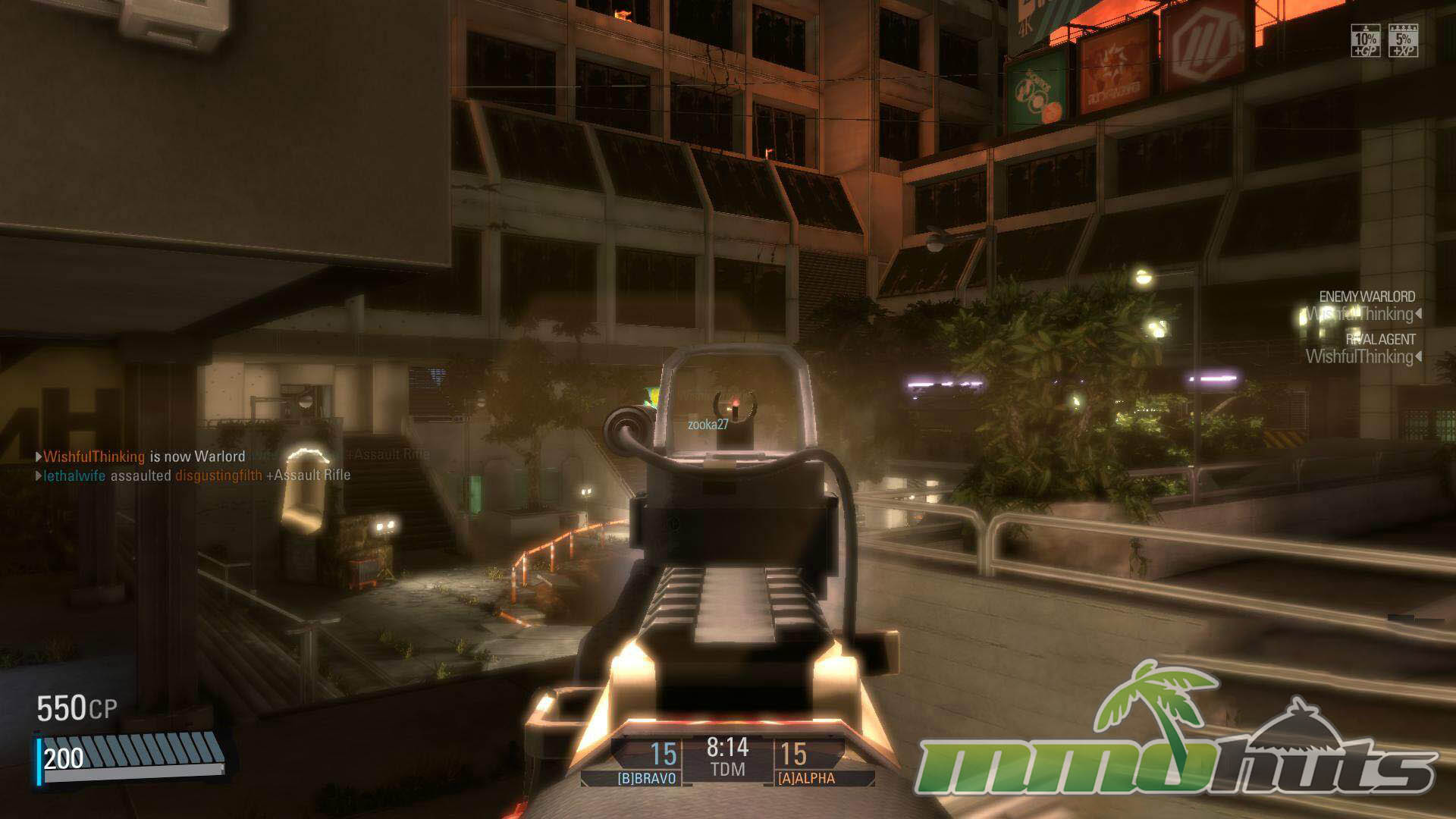
Blacklight: Retribution Screenshots


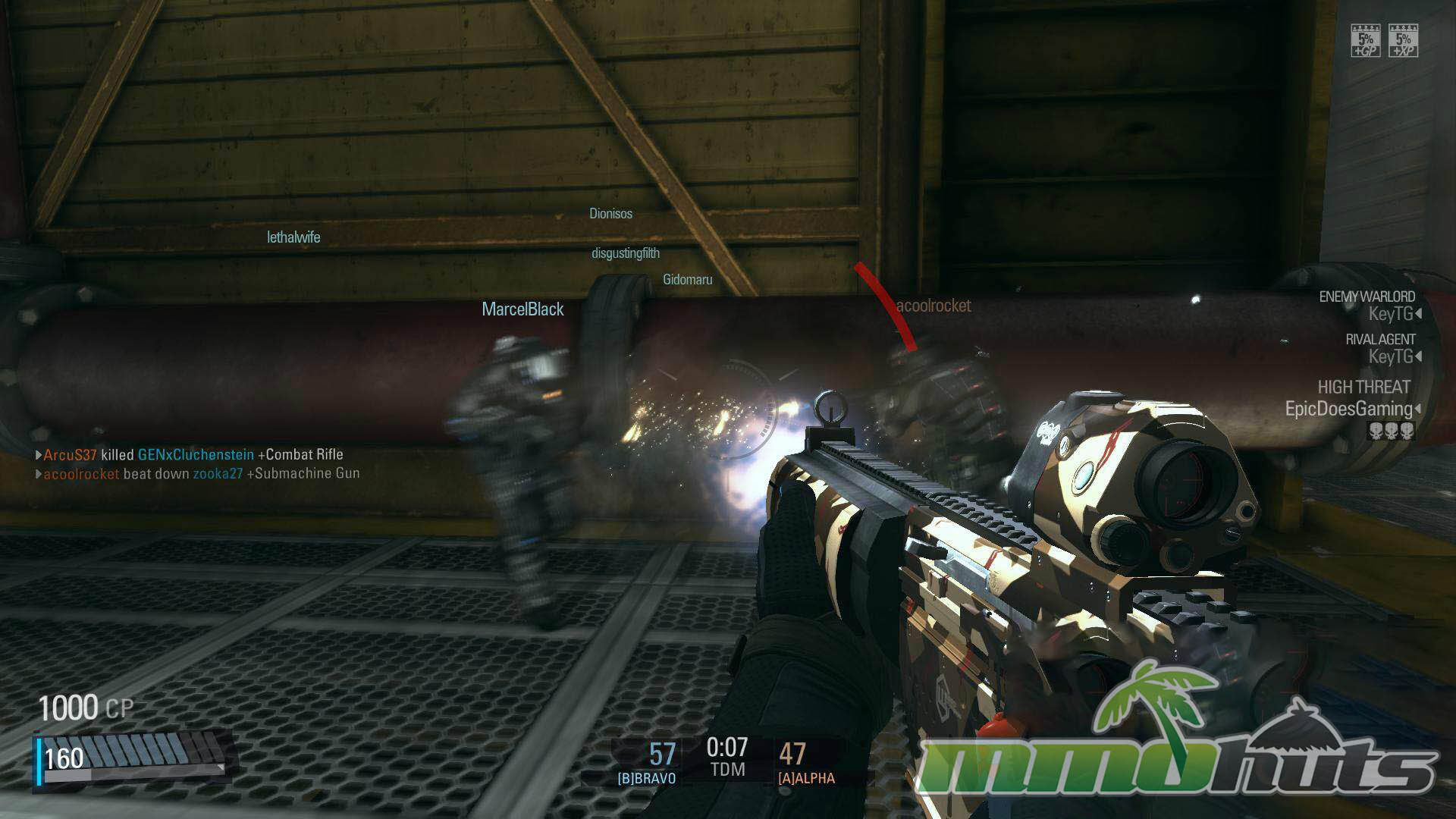
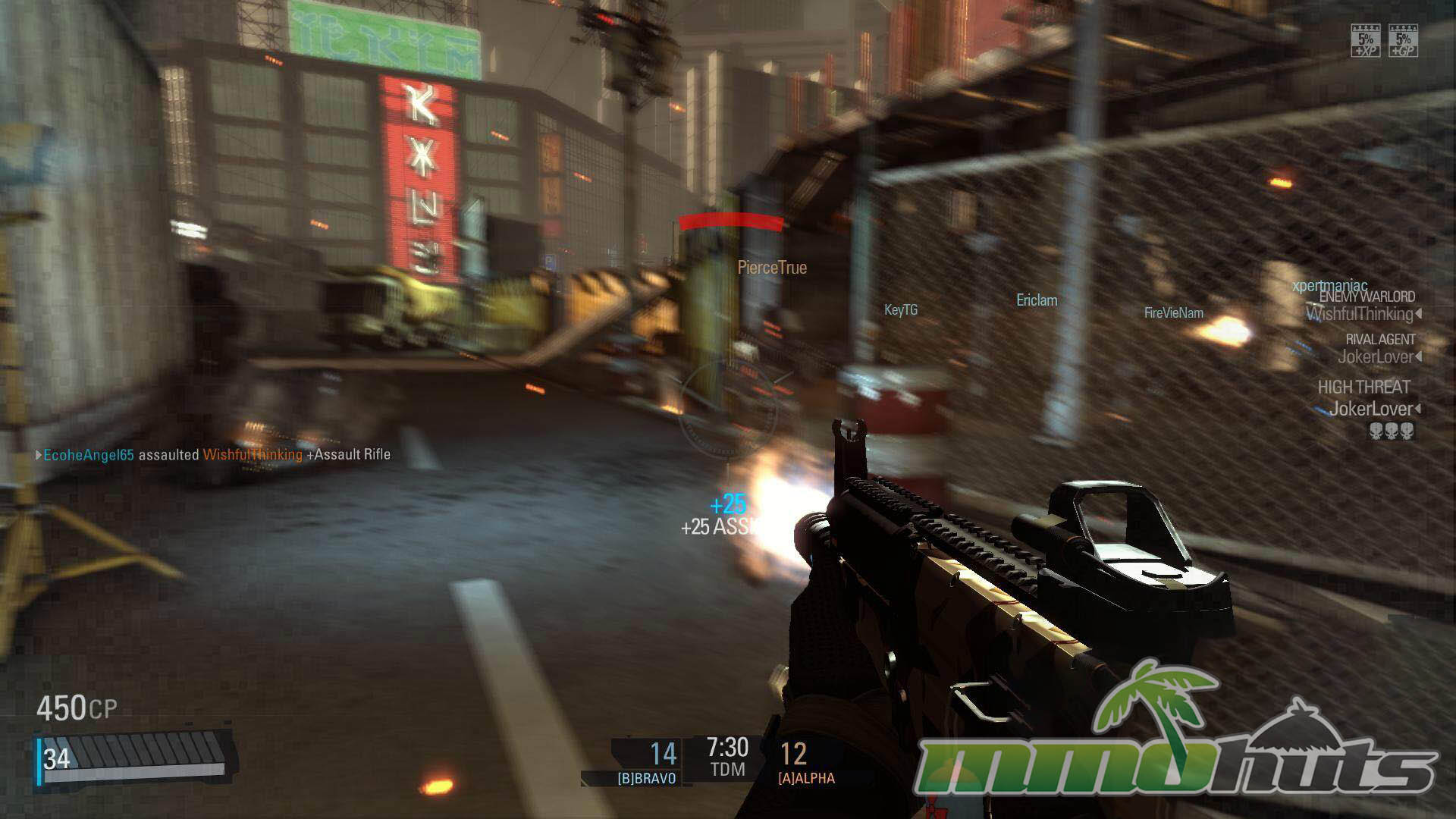


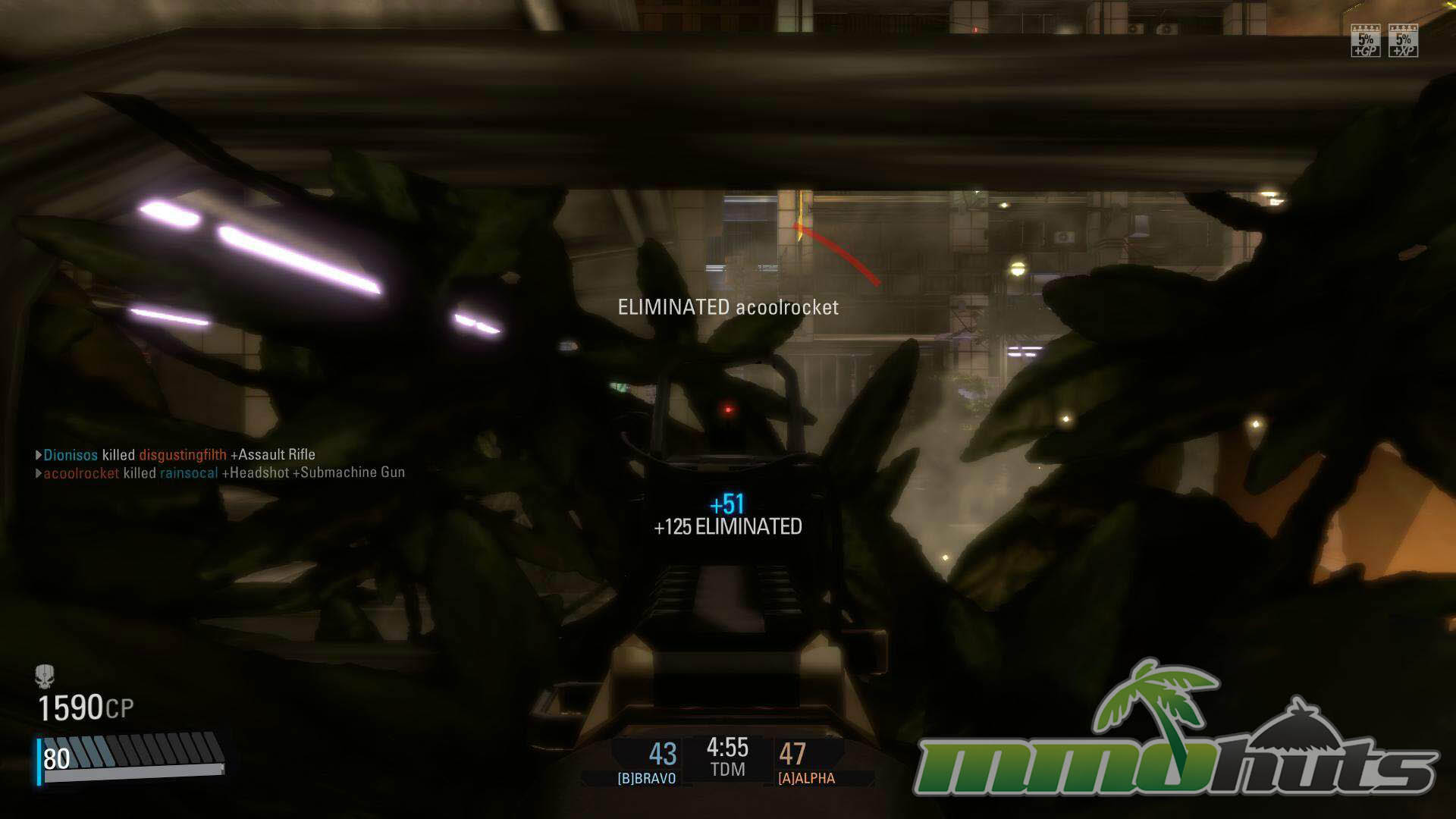
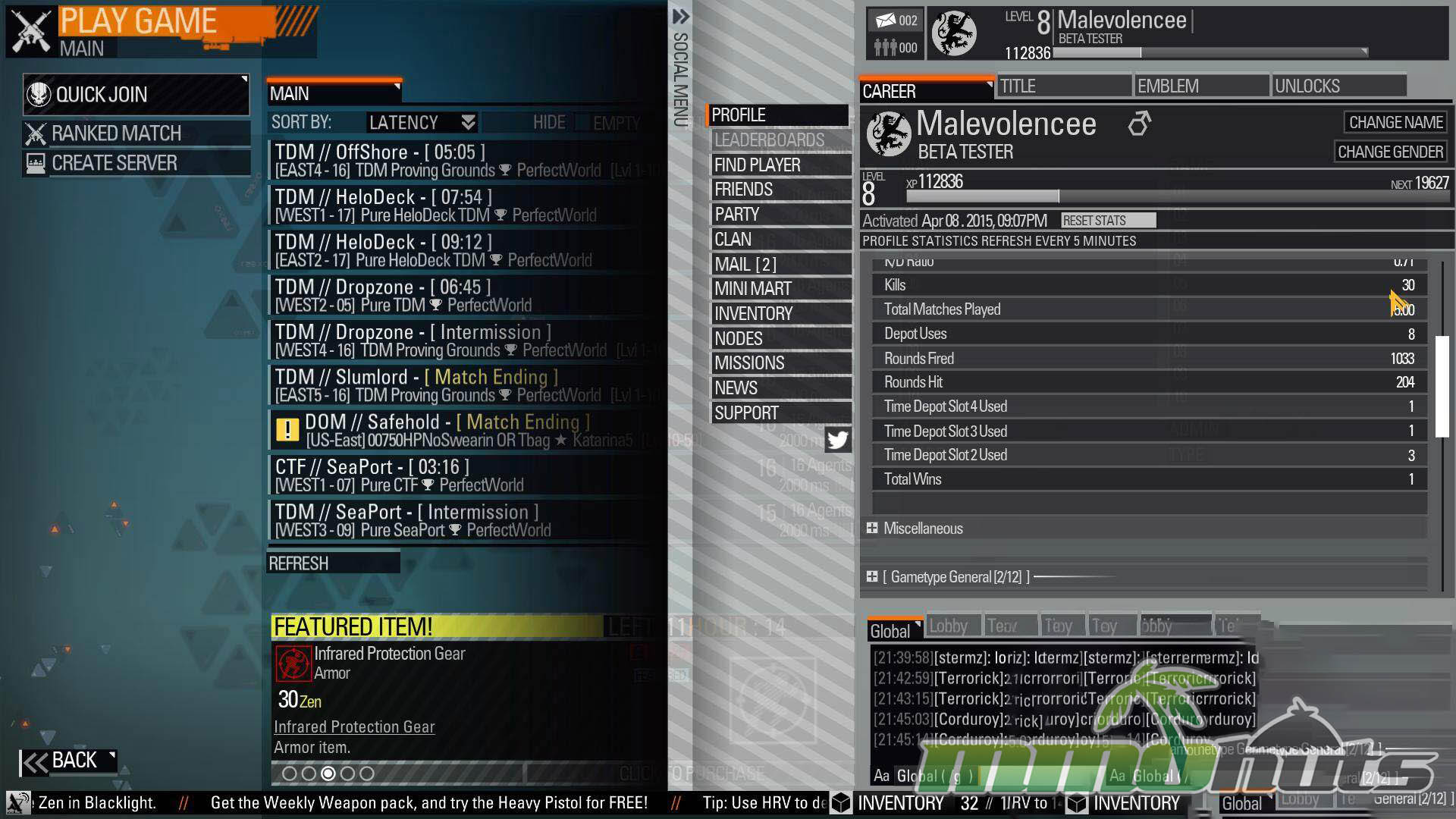

Blacklight: Retribution Featured Video

Blacklight: Retribution Review
Blacklight: Retribution is a 3D, sci-fi, lobby-driven MMO FPS developed by Zombie Studios and Hardsuit Labs and published by Arc Games. It launched on PC on April 3, 2012, then later arrived on PlayStation 4 on November 15, 2013, with separate server populations on each platform. When it hit Steam, the game drew a sizable audience and held strong activity for a while, although the PC community gradually thinned out over the years. Even with that decline, the design remains memorable, largely because few shooters commit as hard to both scanning gameplay and granular gun building.
Getting Your Bearings
The first time you boot up Blacklight: Retribution, the amount of UI can be surprising. There are many menus for loadouts, parts, stats, and store options, which can make the game feel more complicated than it actually is once you are in a match. Players comfortable with shooters can jump straight into the lobby browser and learn by doing, while newcomers will benefit from running the tutorial to understand HRV, depots, and how equipment is managed.
On the fundamentals, it plays like a traditional PC FPS. Movement is standard WASD, aiming is mouse-driven, Shift handles sprinting, and F is mapped to melee. Most modes will also feel familiar if you have spent time in mainstream multiplayer shooters, with the twist being that information gathering (through HRV) is just as important as raw aim.
HRV, The Game’s Defining Scan Mechanic
Hyper Reality Vision (HRV) is the feature people remember. Toggled with the V key, it briefly overlays the battlefield and can reveal enemies through walls, giving you a burst of intel that would normally require good audio cues and map knowledge. In practice, it is less “cheat mode” and more a shared tool everyone has to manage.
Because HRV is temporary and tied to cooldowns, good players treat it like a resource. Activating it at the wrong time can leave you exposed, and relying on it too heavily can make your movement predictable. Used well, it lets you check corners before pushing, confirm whether an objective is defended, or time a flank when opponents think they are safe behind cover. It changes the rhythm of engagements in a way that feels distinct from most free-to-play FPS games.
Weapon Building and Loadout Identity
If HRV is the signature mechanic, customization is the long-term hook. Blacklight: Retribution gives you a large selection of receivers (effectively weapon bases) across common categories like assault rifles, SMGs, LMGs, and sniper-style weapons. From there, you assemble the final gun by selecting individual components, letting you tune a weapon toward stability, range, handling, or other preferences.
The game’s approach goes beyond the light attachment systems seen in many shooters. Receivers provide the framework, but the real depth comes from stacking parts across multiple slots and then iterating based on how the gun feels in real matches. For free-to-play users, certain items have level requirements even when purchased with regular currency, for example the M4X rifle at level 15 and the Anti-Material Rifle at level 35, which encourages gradual progression through the armory.
Once you have a receiver, you can configure Muzzle, Barrel, Magazine, Scope, Stock, Weapon Tag, and Camo. Cosmetic elements like tags and camo help personalize your look, while functional components alter performance directly. The number of options per slot is one of the game’s biggest strengths, and it is easy to spend time experimenting just to find a setup that matches your playstyle.
A notable wrinkle is how parts are purchased. Many components can be rented for short durations (1, 3, 7, or 30 days), which makes trying builds approachable, but it also means “perfect” loadouts can feel like a grind if you want everything permanently. Permanent parts exist, yet they are priced high enough that earning them purely through play can take a significant time investment.
Moment-to-Moment Combat
In motion, Blacklight plays like a streamlined arena shooter with modern pacing. The sci-fi presentation gives the maps and character gear a distinct flavor compared to the more generic contemporary military look common in many free-to-play FPS titles. Recoil is generally manageable, so mid-range tracking and quick target swaps matter a lot, and the overall visual clarity helps keep firefights readable.
Loadouts are central to the experience, and you can swap between them in match. Free players begin with two loadout slots, with up to three more purchasable with Zen, which can be limiting if you like to keep specialized builds for different modes. Still, even with fewer slots, the customization depth lets you cover multiple roles if you plan your setups carefully.
Combat Points, Depots, and Power Spikes
Another major system is Combat Points (CP). CP is earned within a match through kills, assists, and objective play, then spent at weapon depots located around the map. These depots act as mid-match shops for items like ammo refills, health refills, and heavier tools (including a flamethrower, rocket launcher, and the Hardsuit). Because CP does not carry over between matches, spending it is usually the correct decision, hoarding provides no long-term benefit and can cost your team momentum.
This mechanic adds a layer of match flow. A team that controls space and objectives tends to earn CP faster, which can create short windows where they have access to stronger equipment. It rewards active play and creates clear “push moments” when someone invests in a high-impact purchase.
Hardsuits, Fun and Frustration in Equal Measure
The Hardsuit is the most dramatic depot buy. Calling one down effectively gives you a controllable mech with heavy firepower, including dual miniguns and a rocket launcher. In the right hands it can swing a round, especially in tighter areas where it can pressure lanes and force enemies to scatter.
On the other side, fighting a Hardsuit can be aggravating, particularly if your team is not coordinating. The practical counter is to buy a rocket launcher yourself and focus fire. There is also a tactical tradeoff: Hardsuit users cannot use HRV, which reduces their awareness compared to standard soldiers. That limitation makes it possible to approach from angles they are not watching and land damage before they can react.
Nodes, Gear, and Build Advantages
Beyond guns, the game includes nodes and equipment that modify stats. Players have five node slots, and nodes can be earned through play or obtained via Nodepacks in the store. Some node effects are simple but impactful, such as extending HRV duration or improving survivability. The downside is that certain nodes are noticeably stronger than others, which can create an advantage for players willing to spend money to access top-tier options sooner.
Armor pieces, helmets, boots, and camo also contribute to stats rather than being purely cosmetic. As with weapons, items purchased with GP can be gated by level requirements, while permanent ownership can be costly. The result is a system with a lot of customization freedom, but also a progression curve that can feel steep if you want to fully optimize without spending.
Cash Shop and Monetization Feel
Compared to many free-to-play shooters of its era, Blacklight: Retribution’s store structure is relatively restrained. The most meaningful benefit of Zen is convenience: it can bypass level restrictions on items and speed up access to certain receivers and components. For example, while the Anti-Material Rifle typically requires level 35 when bought with GP, purchasing with Zen allows immediate use.
Because grinding GP for multiple permanent receivers and high-end parts takes a long time, many dedicated players ended up buying some Zen simply to reduce the friction. The store also offered “heroes,” which are essentially pre-configured characters available only through Zen. Even so, the fact that permanent GP options exist for most core gear makes the monetization feel less oppressive than some competitors, even if the prices can be daunting.
Final Verdict, Great for Customization Fans
Blacklight: Retribution delivers a slick shooter foundation paired with one of the most satisfying weapon-building systems in the free-to-play FPS space, and HRV gives matches a distinctive information-war dynamic. Its main weaknesses are the relatively small map pool, the high cost of permanent gear, and the uneven long-term support it received. If you enjoy experimenting with loadouts and you like FPS games with a tactical scan layer, this was an easy recommendation in its prime.
Blacklight: Retribution Links
Blacklight: Retribution Official Site
Blacklight: Retribution Steam
Blacklight: Retribution Wikipedia
Blacklight: Retribution Official Wiki [Database / Guides]
Blacklight: Retribution Wikia [Database / Guides]
Blacklight: Retribution System Requirements
Minimum Requirements:
Operating System: XP / 2000 / Vista / 7 / 8
CPU: Dual Core CPU
Video Card: GeForce 8000 series / Radeon HD2000 series
RAM: 2 GB
Hard Disk Space: 8 GB*
Recommended Requirements:
Operating System: XP / 2000 / Vista / 7 / 8
CPU: Quad Core CPU
Video Card: Any Direct X11 compatible GPU with 1GB video ram or better
RAM: 4 GB
Hard Disk Space: 8 GB*
*The official System Requirements for Blacklight Retribution list an 8GB requirement, but based on our installation, the game takes closer to 10GB of space.
Blacklight: Retribution Music & Soundtrack
Blacklight: Retribution Additional Information
Developer: Zombie Studios and Hardsuit Labs
Publisher: Arc Games
Game Engine: Unreal Engine 3
Other Platforms: Playstation 4
Closed Beta: December 1, 2011
Open Beta: February 27, 2012
Steam Release Date: July 2, 2012
Official Release Date: April 3, 2012
Foreign Release:
Southeast Asia: April 9, 2014 (IAH Games)
Shut Down: March 11, 2019
Development History / Background:
Blacklight: Retribution was created by Seattle-based independent developers Zombie Studios and Hardsuit Labs using Unreal Engine 3. It was revealed publicly during E3 2011, alongside the announcement that Perfect World (Arc Games) would handle publishing duties. The PC version released on April 3, 2012, and after the early success, a PlayStation 4 edition was announced on March 25, 2013, eventually launching on November 15, 2013. Zombie Studios later closed in January 2015, and members of the team went on to form Hardsuit Labs, which continued development work on Blacklight: Retribution. The game ultimately shut down on March 11, 2019.