
Audition Online is a 3D rhythm MMO built around competitive dance rooms and a surprisingly social lobby culture. You string together directional inputs to the beat, show off flashy routines, and dress your avatar like a stage performer, all while chasing high scores against other players.
 | Publisher: Redbana (T3Fun) Playerbase: Low Type: Rhythm Release Date: April 2, 2007 (NA/EU) Pros: +Huge variety of avatar fashion and cosmetic options. +Simple basics with a high skill ceiling. +A soundtrack full of familiar, catchy tracks. Cons: -Visuals show their age. -Core loop can feel samey over long sessions. -No support for user-supplied or imported songs. |

Audition Online Overview
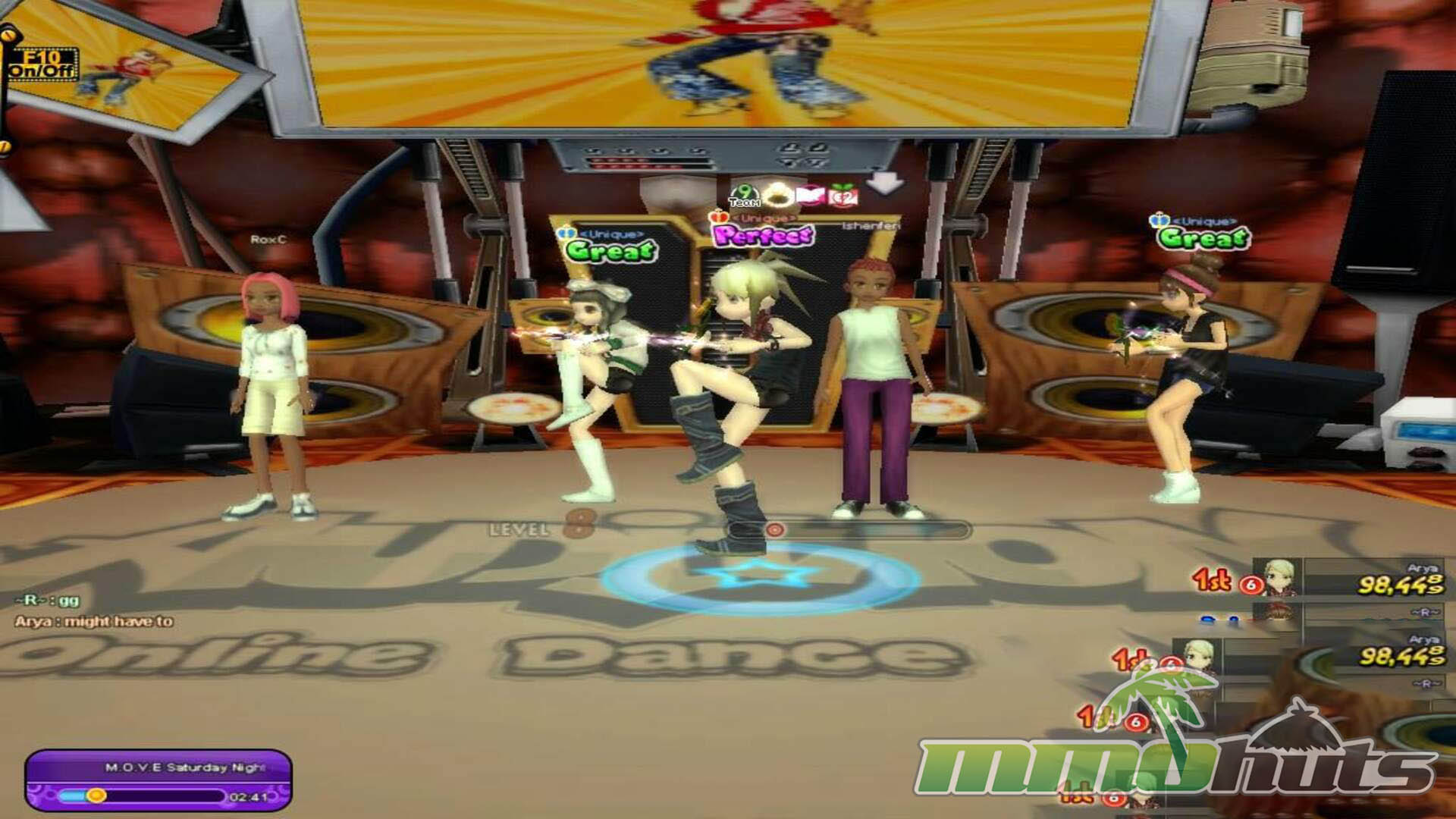
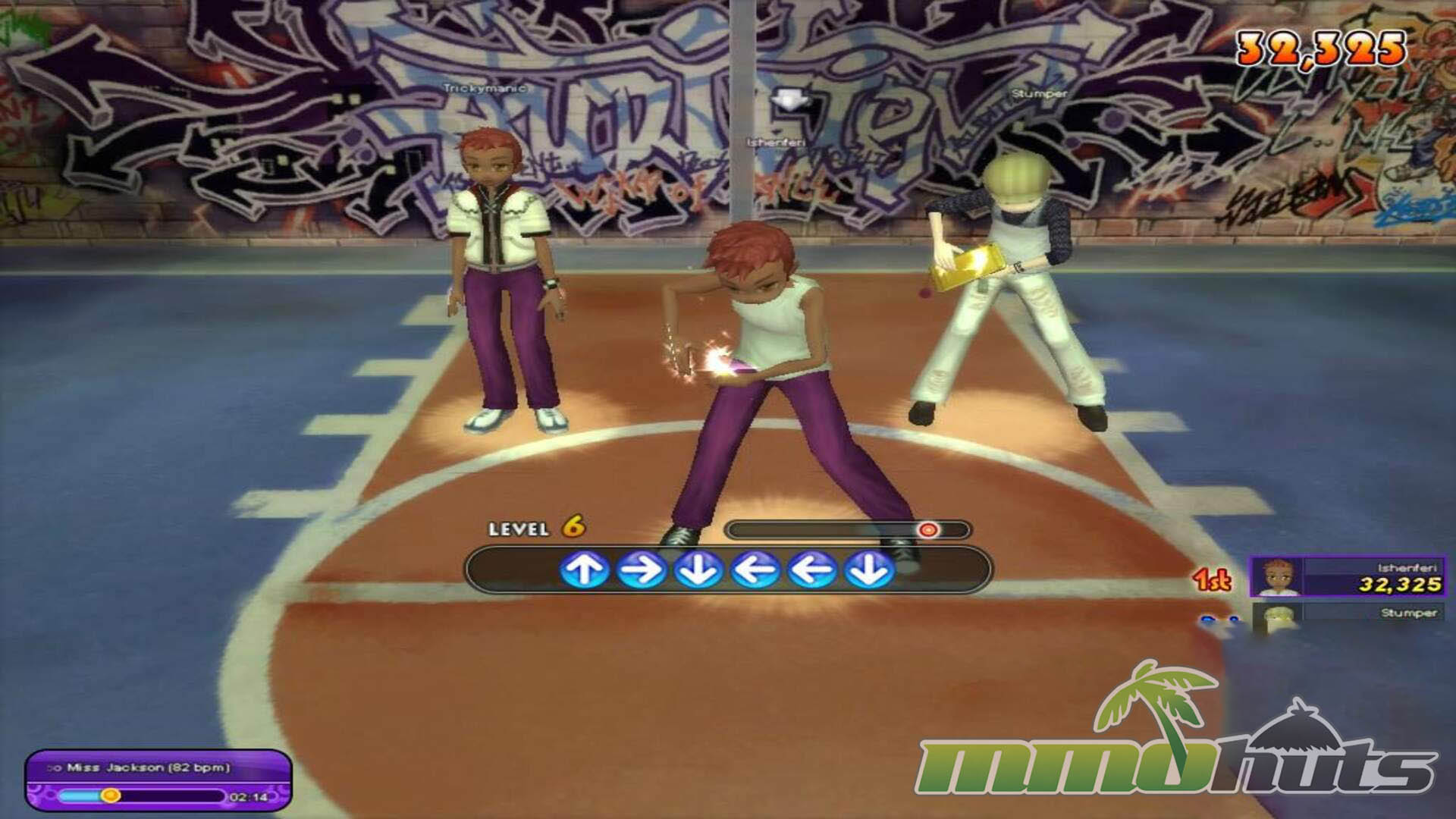
Audition Online centers on dance battles set to hip-hop and pop leaning music, where you complete button patterns in time and confirm them on the beat. Compared to pure score-chasing rhythm games like osu! or classic dance titles like DDR, Audition leans heavily into being an MMO, most of the “real game” happens in rooms full of other people, in Couple activities, and in Fam communities (its guild-like system). If you have played 5Street from Snail Games, the overall structure and feel will be familiar, but Audition generally offers more ways to play and more systems aimed at keeping players social between matches. Internationally it is also known as X-BEAT (Japan) and AyoDance (Indonesia). The original release was in South Korea in 2004, with regional versions arriving later.
Audition Online Key Features:
- Varied Gameplay – a long list of modes such as Practice, Normal, Choreography, Freestyle, Story, and Beat Rush.
- Socialize! – community-first design with Couples content and Fam areas (guilds).
- Competitive Play – organized tournaments and recurring competitions.
- Recognizable Tunes – a solid selection of tracks across pop and hip-hop influences.
- Customization – deep cosmetic customization for your character.
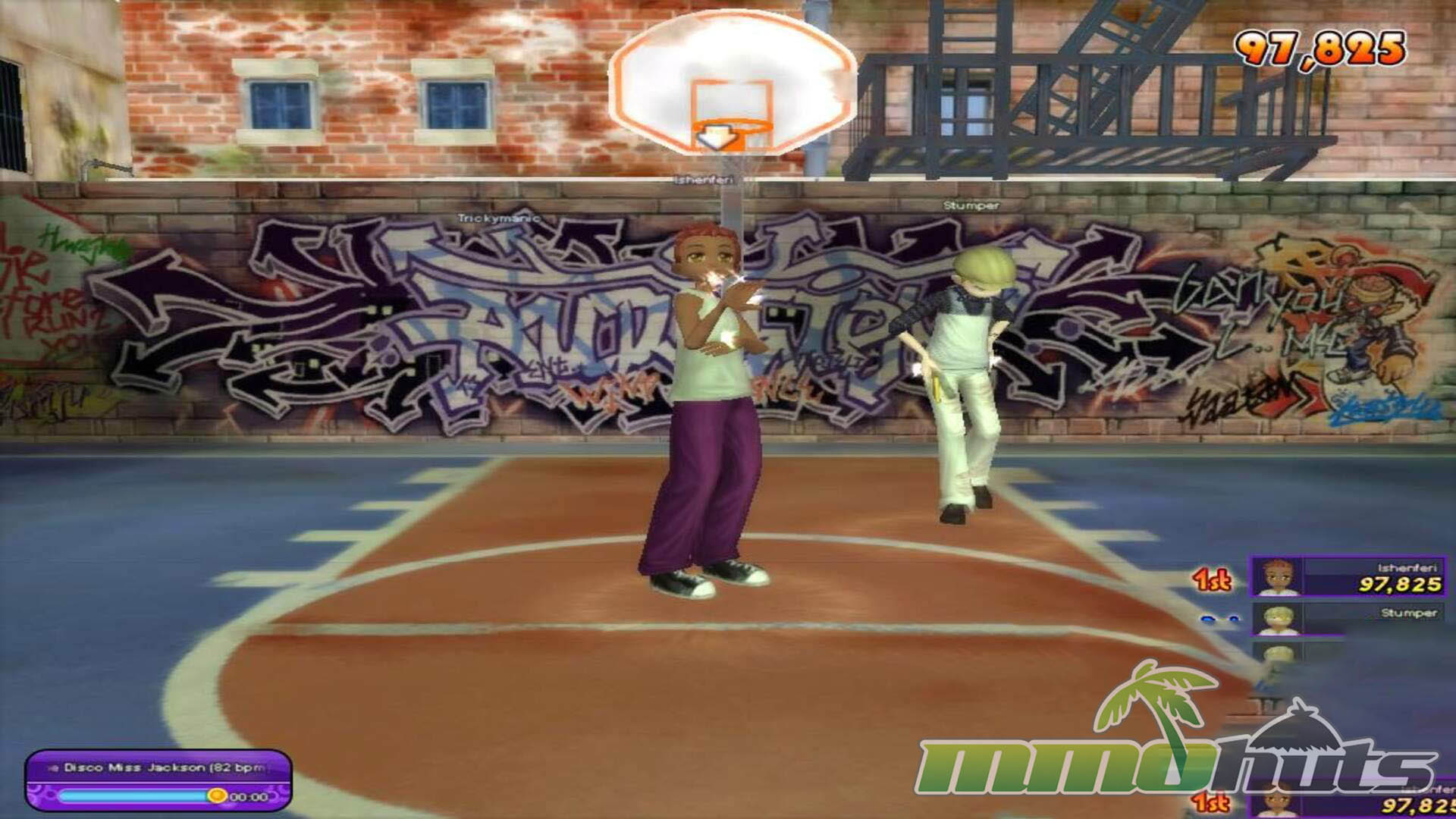
Audition Online Screenshots






Audition Online Featured Video

Audition Online Review
Audition Online (often shortened to Audition) is a rhythm MMO developed by T3 Entertainment and published in the United States by Redbana US Corp., launching on April 2, 2007. The premise is straightforward, you create a pop-star styled avatar and compete in dance sessions either solo or with groups, performing routines to upbeat tracks. While there are songs from artists that many Western players will recognize, a noticeable portion of the library is rooted in K-pop.
What sets Audition apart from similar rhythm titles is how much of its identity comes from the surrounding MMO framework. The visuals and anime-inspired styling are clearly from an earlier era, but the game compensates with room-based social play, Couples mechanics, and Fam membership that encourage you to log in for the people as much as the score. It can be played via the official service, and it also appears on Steam, which makes getting started more convenient.
Getting Into the Game
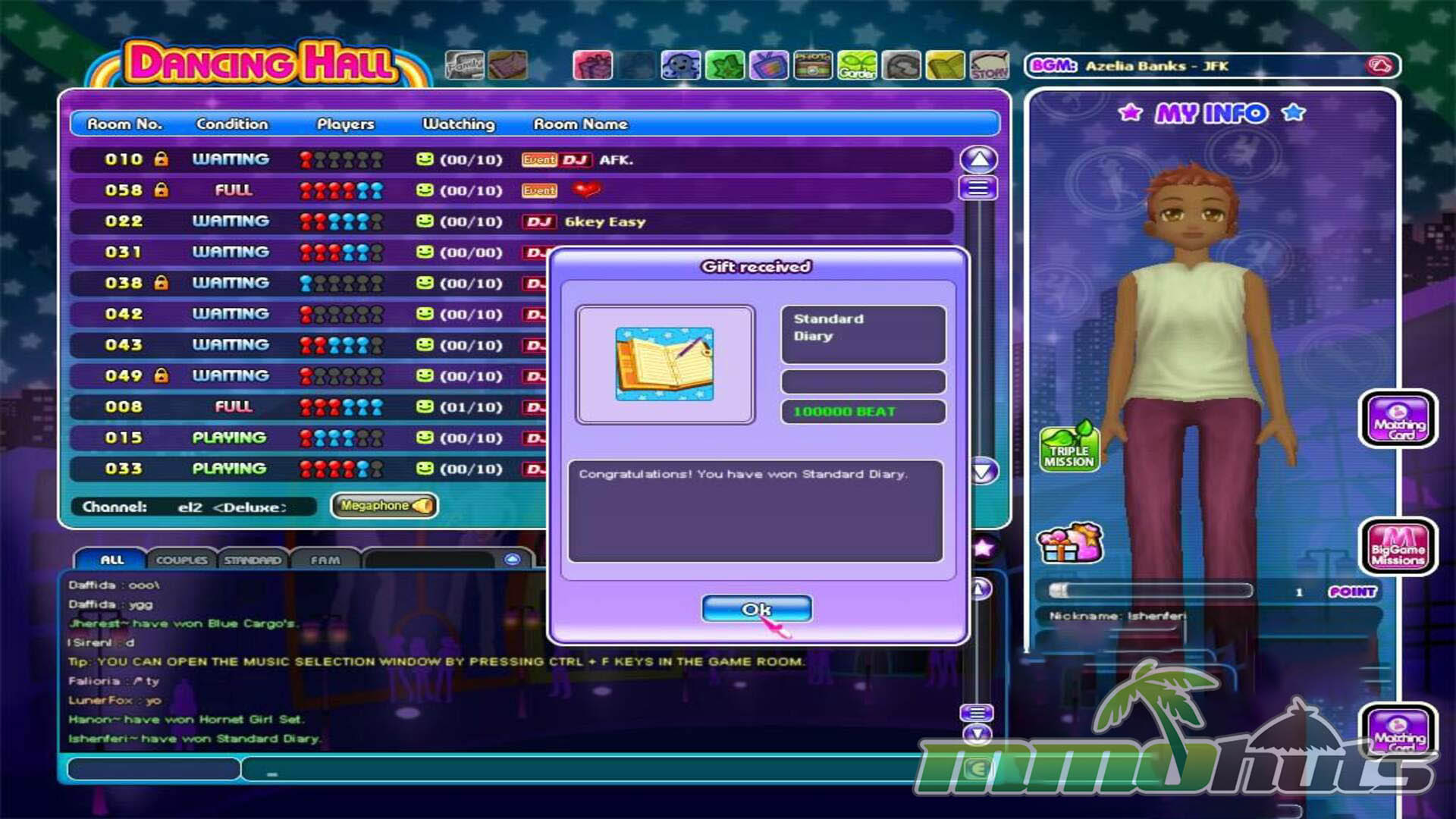
Your first steps are classic MMO basics, build a character from the initial appearance options, pick your look, then choose a server to enter. The Free server acts as the main hub where you can fine-tune your avatar, warm up in practice, shop for cosmetics, join Fams, register Couples, and queue into matches with other players. The Event server focuses on limited-time activities, while the Tournament server is where you go when you are ready to enter scheduled competitions.
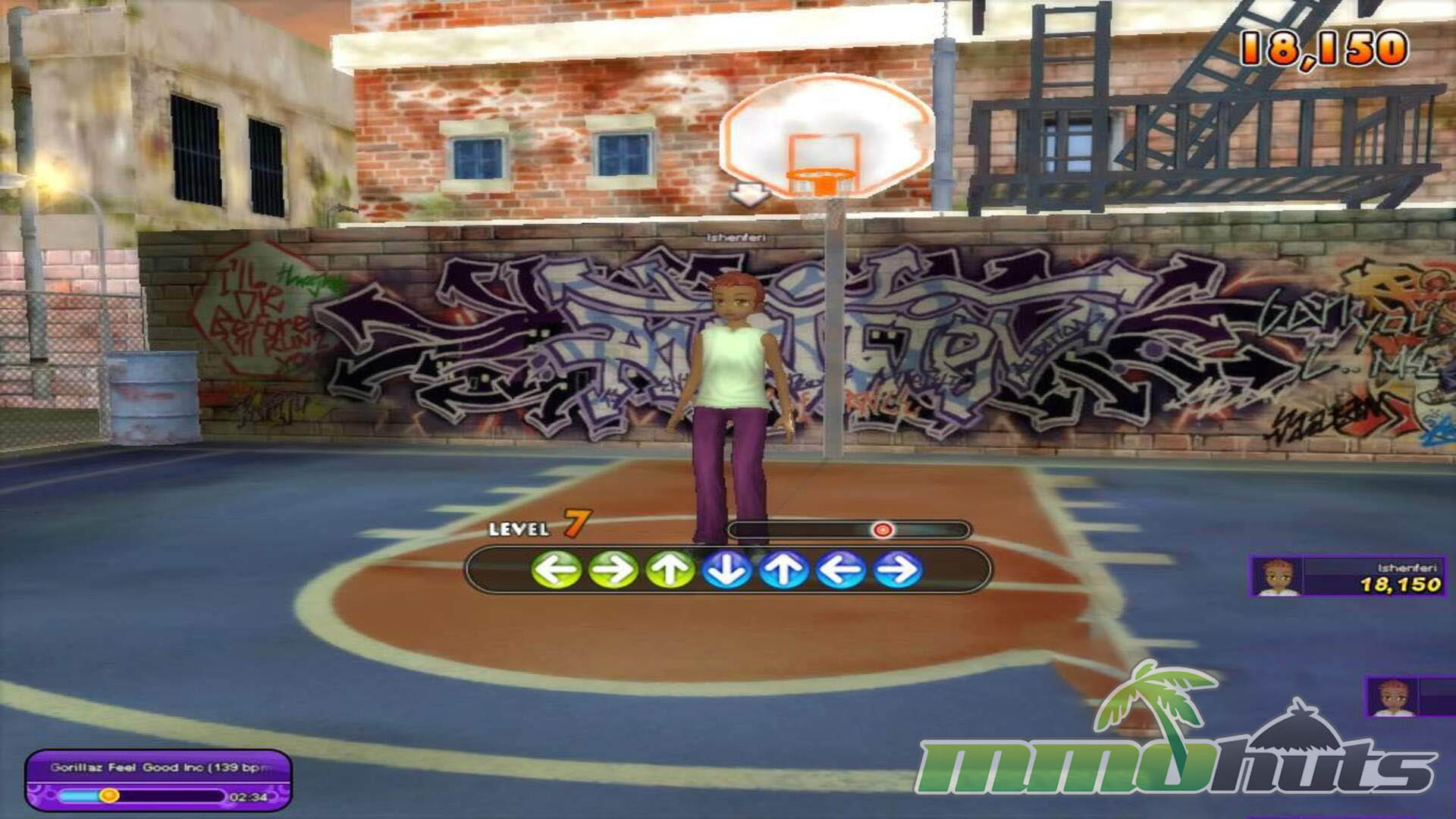
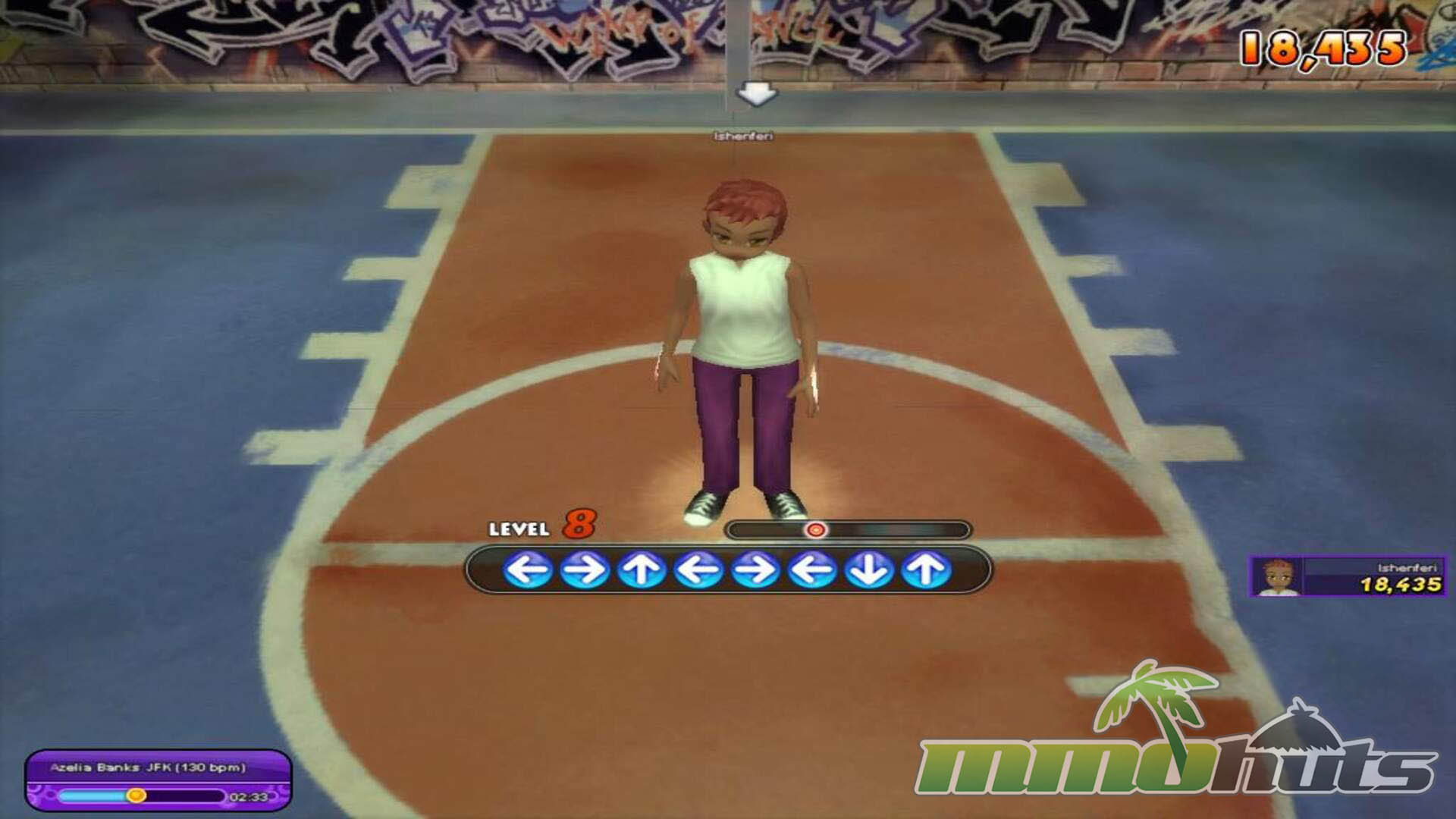
Controls are easy to grasp but become demanding at higher difficulties. Depending on the mode, you will use either the arrow keys or the Numpad plus the space bar. Some modes stick to the four main directions, while others expand into diagonal inputs mapped to 1, 3, 7, and 9 on the Numpad, alongside 2, 4, 6, and 8. For 8-key focused modes, a Numpad is effectively required since the top row number keys can pull up chat input. In the command-based styles, you enter the sequence and then hit space on the fourth beat to lock it in. Other modes play closer to a traditional timing game, where you tap directions on beat in a more DDR-like flow.
Early Progression
Progression moves at a measured pace, but your level is more of a badge than a power curve. Because performance is driven by timing and execution rather than equipment, higher-level players are not getting stat advantages over newcomers.
That said, the game still uses level as a gate for certain features. Story mode does not open until level 5, and tournament access can be restricted by either level brackets or specific game types. Creating a Fam also has a level requirement, you need to be over level 21 before you can start your own.
Core Gameplay Feel
Moment to moment, Audition is engaging in short bursts, but the repetition can set in if you are not motivated by mastery. Players who do not invest time into learning both 4-key and 8-key approaches will hit a wall, since higher level play expects fast, accurate input under pressure. Scoring is based on timing precision and the game grades your hits across five tiers: Perfect, Great, Cool, Bad, and Miss. Consistency matters as much as raw speed, a single sloppy section can drag down an otherwise strong run.
The biggest “make or break” factor is whether the social layer clicks for you. Fans often treat the lobbies, fashion, and community recognition of K-pop references as a major part of the appeal. If you prefer to play rhythm games entirely solo, or if the music style does not resonate, the experience can feel thinner than it first appears.
To push players into exploring the game, Audition includes the Triple Mission Pack, which rewards you for adding 10 friends, completing 100 rounds, and logging in for 21 days. The incentives are practical (discount cards for the Shopping Mall and exchange cards), and they naturally nudge you toward sampling multiple modes and meeting regulars in the community.
Community Systems
Beyond the dance rooms, Audition’s social features are where the MMO label earns its keep. Fams and Couples both add structure and extra goals outside of improving your timing.
Fams function as guilds, with a Fam Master leading and Fam Members filling out the roster. Each Fam has a customizable Fam House page that can be decorated with various objects (clocks, boards, bank items, and other themed pieces). Members can contribute Beats to help purchase upgrades and items through the Fam Shop, giving active groups a reason to coordinate.
Couples are the game’s signature social system. If two players want to engage with Couple content, they can register and complete a dance test to become married in-game, unlocking additional activities. Couples gain access to the Couples Garden where seeds can be purchased and grown into plants that reward Beats or Exp when they mature. There is also a Couples Shop geared toward matching outfits and coordinated cosmetic themes.
Game Modes
Audition includes a broad menu of modes, each with its own twist and often multiple rule variants. The core lineup is Practice, Normal, Choreography, Freestyle, Story, and Beat Rush.
Practice is the low-pressure environment to learn inputs, especially the 8-key (Numpad) style. As you succeed, the internal “skill level” ramps up through level 9, increasing the number of directions required per bar. You can select any songs here, making it the best place to learn patterns before stepping into competitive rooms.
Normal mode blends structured command entry with a Freestyle segment. You input required commands from level 1 through 7, then hit a Freestyle round where you choose commands and moves, then return to level 8 and 9 before another Freestyle segment. A nice touch is the ability to swap between 4-key and 8-key during play by pressing Tab, letting players adapt based on comfort and song tempo.
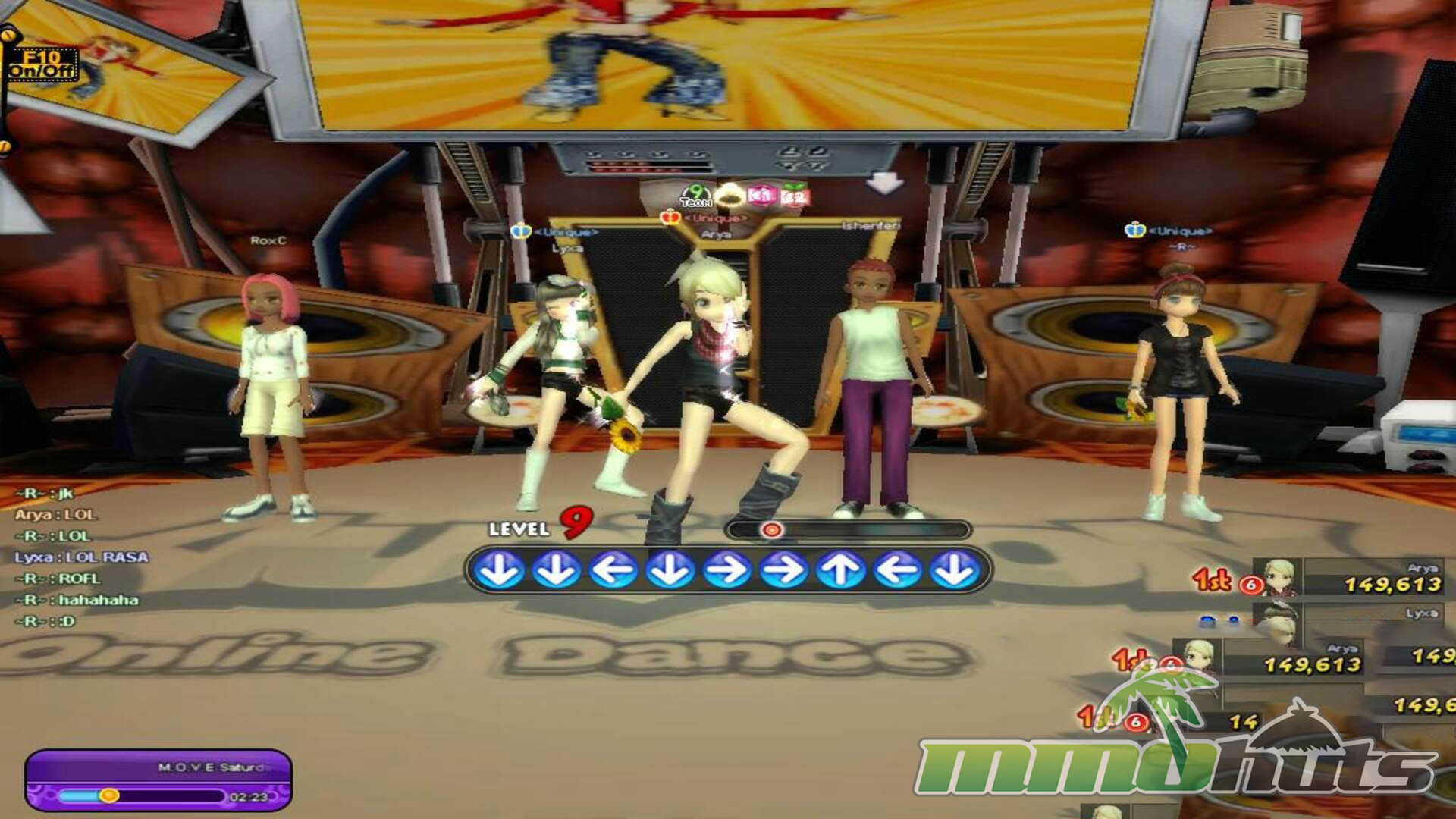
Choreography focuses on synchronization. Everyone performs the same commands and the goal is clean, unified execution rather than personal expression. There is no Freestyle section, and missing a measure comes with a penalty that can force you to sit out the next move, which makes mistakes feel costly in score-focused rooms.
Freestyle is the creative mode. Instead of being fed commands, you input your own to pick moves, and dedicated players can build longer routines by planning full sequences. It supports both 4-key and 8-key, and the move list is wide open. Progression is tied to accuracy, landing Perfects pushes you forward, while Bads and Misses tend to stall your advancement.
Story mode frames dance rounds with NPC-driven scenarios and clear performance objectives. Requirements might include hitting a target score, earning a set number of Perfects, or maintaining a Perfect chain. It is also one of the more efficient ways to earn Exp and Beats, which makes it useful even if you are not deeply invested in the narrative wrapper.
Beat Rush shifts toward a more direct “tap to the beat” rhythm style. You press arrows in time to fill the Rush Bar, and once it is full, you mash Ctrl for an easy Perfect sequence. This mode supports both 4-key and 8-key, and it is a good change of pace for players who prefer reactive timing over command memorization.
Many modes also offer Crazy or Expert variations. Crazy forces 8-key play and extends the level cap to 11, meaning up to 11 key directions per measure. Expert also locks to 8-key and is tuned to be significantly harder overall. Some modes, including Choreography, can also be played in group formats where teams compete for the top combined performance.
Cash Shop
Audition’s cash shop is primarily about style. Clothing, accessories, faces, hairstyles, instruments, turntables, and other cosmetics are a major part of the long-term loop. Many premium items require Banacash, but there is still a meaningful selection available for Beats, the in-game currency. Importantly, the items are cosmetic rather than power, so the cash shop does not translate into gameplay advantages, which keeps competition centered on timing skill.
Final Verdict – Good
Audition Online succeeds most when you treat it as a social rhythm MMO rather than a pure rhythm score-attack game. It supports more traditional timing-focused play, but its standout strengths are the variety of modes, the depth of avatar customization, and the community systems built around Fams and Couples. The presentation is dated and the overall experience leans toward players who enjoy K-pop flavored pop culture, but anyone willing to learn the 8-key style and engage with the multiplayer scene will find a surprisingly sticky, competitive rhythm game here.
Audition Online Links
Audition Online Official Site
Audition Online Wikipedia
Audition Online Steam Page
Audition Online System Requirements
Minimum Requirements:
Operating System: Windows 2K or later
CPU: Pentium 4 1.4 GHz+
Video Card: GeForce FX 5200 or better
RAM: 512 MB
Hard Disk Space: 5 GB
Recommended Requirements:
Operating System: Windows XP / 7 / 8 / 10
CPU: Dual Core (Athlon 2 / Core 2 Duo) 2 GHz or better
Video Card: Any PCI or PCI-E GPU
RAM: 1 GB
Hard Disk Space: 5 GB
Audition Online Music & Soundtrack
Coming Soon!
Audition Online Additional Information
Developer: T3 Entertainment
Publisher: Redbana
Closed Beta Date: November 26, 2007
Open Beta Date: December 18, 2007
Release Date: December 24, 2007
Foreign Release:
South Korea: 2004 (Published by HanbitOn as Club Audition)
Southeast Asia: September 1, 2006 (Published by AsiaSoft Online as AuditionSEA)
United Kingdom: May 31, 2007
Europe: June 25, 2007
Latin America: June 20, 2008
Development History / Background:
Audition Online was created by South Korean developer T3 Entertainment, a company that later became associated with the T3Fun brand. After debuting in South Korea in 2004, strong reception at home helped the game expand quickly into other regions. It built a particularly strong following in parts of Asia and South America, while North American and European services took longer to find their footing. The title initially operated in the U.S. under Nexon, and when that service ended it was later brought back under T3’s umbrella through the Redbana portal. Audition Online arrived on Valve’s Steam platform on June 5, 2015. A follow-up project, Audition 2, entered beta in 2010 but ultimately closed in 2013. Another iteration, Audition 3, began closed beta testing in late 2013.