APB Reloaded
 (No Ratings Yet)
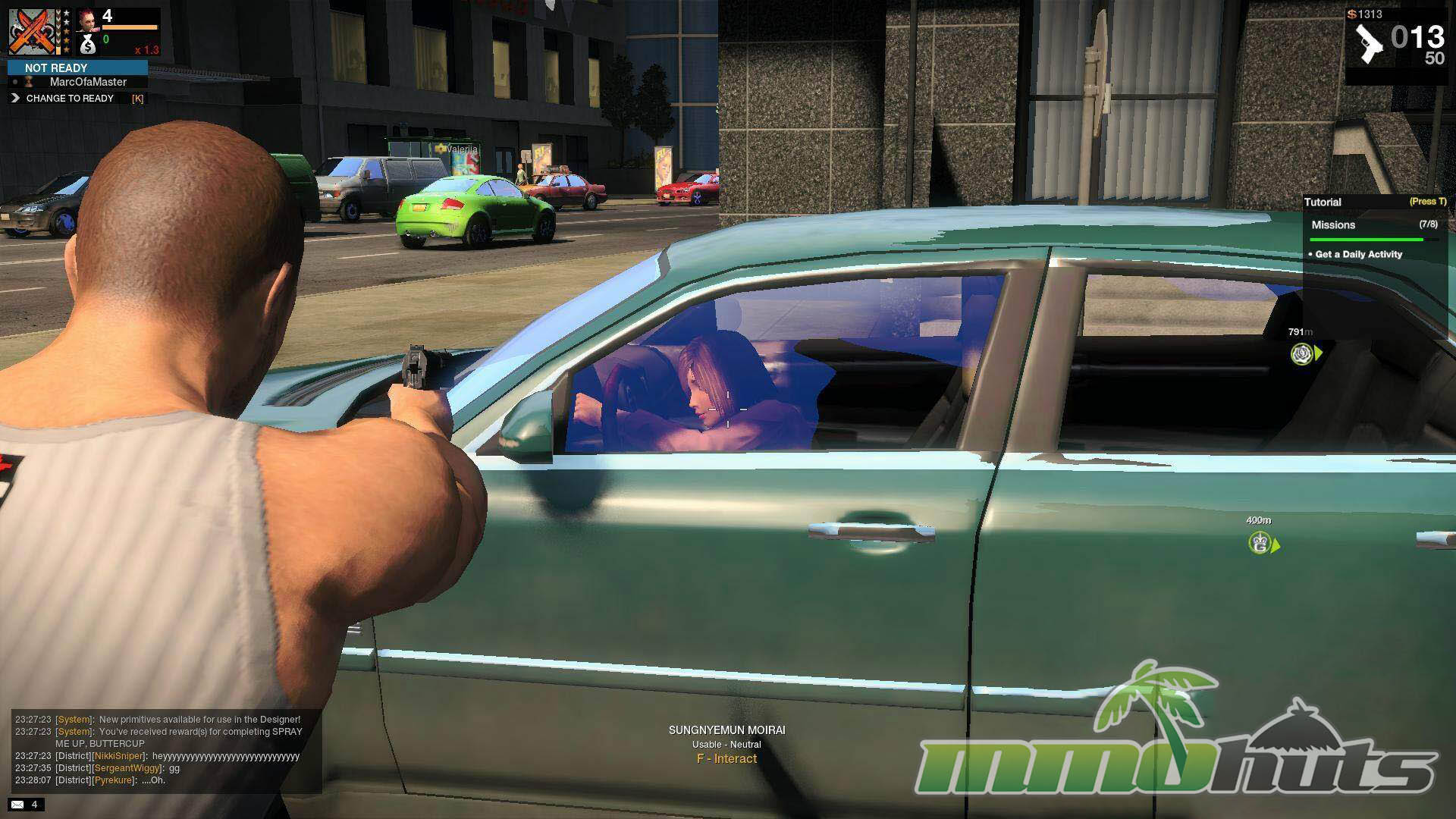
APB Reloaded is a 3D open world MMO shooter set in the crime-soaked streets of San Paro, where players pick a side and live out an endless cops-versus-criminals power struggle. With clear GTA inspiration, the game leans heavily on urban chaos, gunfights, and vehicle play, then ties it all together with deep character and car customization that lets you stand out while you fight for control of the city.
 | Publisher: GamersFirst Playerbase: Medium Type: MMO Release Date: June 29, 2010 PvP: Open World / Team Missions Pros: +Contemporary open-world theme. +Excellent character and vehicle customization depth. +Strong visual presentation. +Snappy missions with satisfying action. Cons: -Matchmaking balance can feel uneven. -Free users are limited to renting many weapons. -Performance problems on client and server side. -Open-world design invites frequent griefing. -No true PvE offering. |

APB Reloaded Overview
APB Reloaded drops you into San Paro, a present-day city where street crime and vigilante justice collide, and asks you to choose what kind of trouble you want to cause, or stop. Criminals push objectives through brute force, speed, and surprise, while Enforcers respond to incidents and try to shut those jobs down, ideally with arrests rather than body counts. Between missions, the game encourages you to treat the city as your playground, cruising, scouting, and customizing your look, your weapons, and your ride so you feel like a distinct character in a shared urban sandbox.
The overall loop is built around short, punchy encounters. You queue for team missions when you want structured action, but you are also free to roam, run into enemies, and get pulled into confrontations that feel closer to a multiplayer crime drama than a traditional theme-park MMO. It is not a story-driven experience, it is more about reputation, style, and rivalry.
APB Reloaded Key Features:
- Detailed Character Customization – build a distinctive avatar and outfit them with a broad selection of gear and weapons.
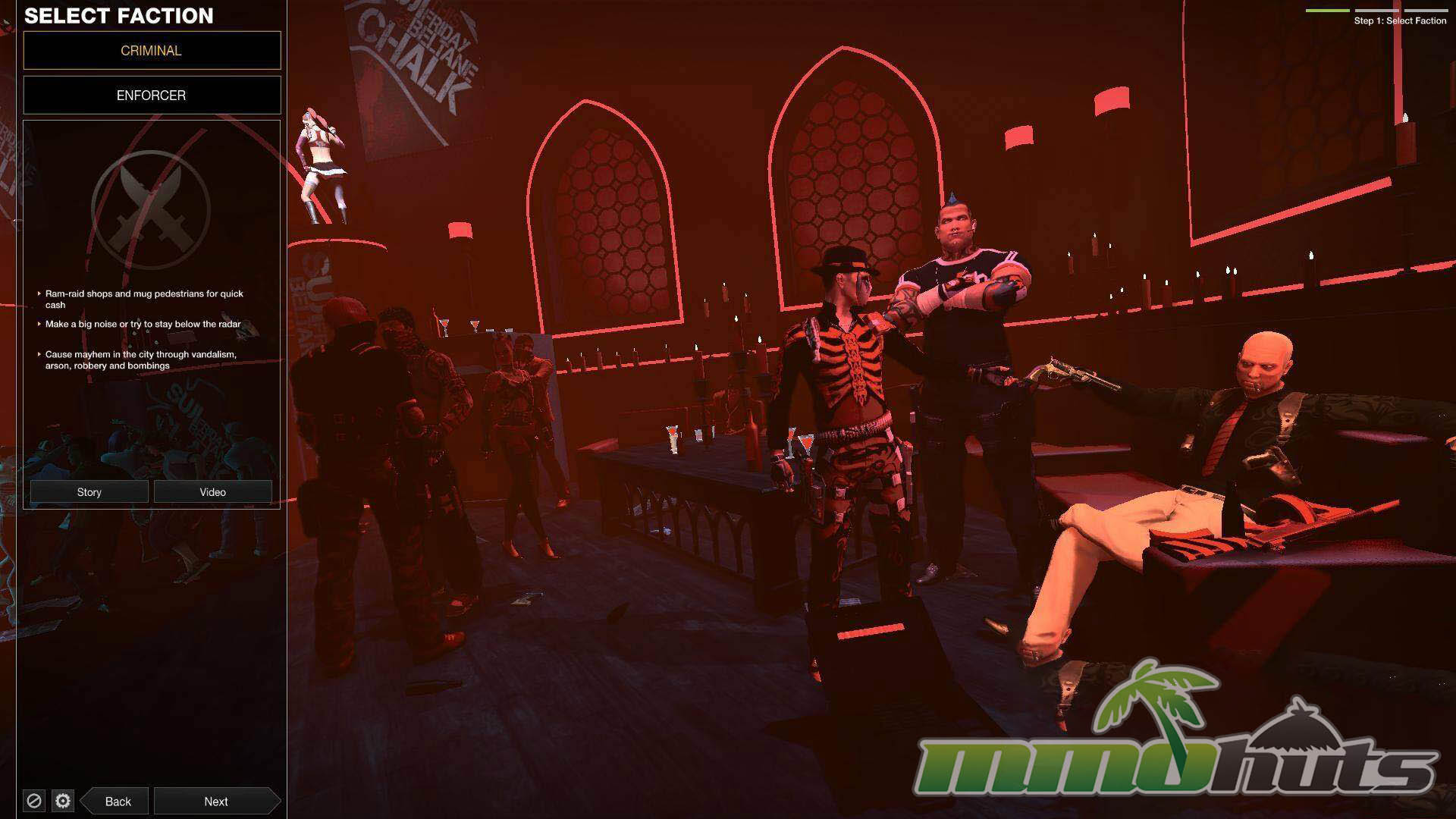
- Pick a Side: Badge or Bandit – choose to play as an Enforcer or a Criminal and commit to the role you prefer.
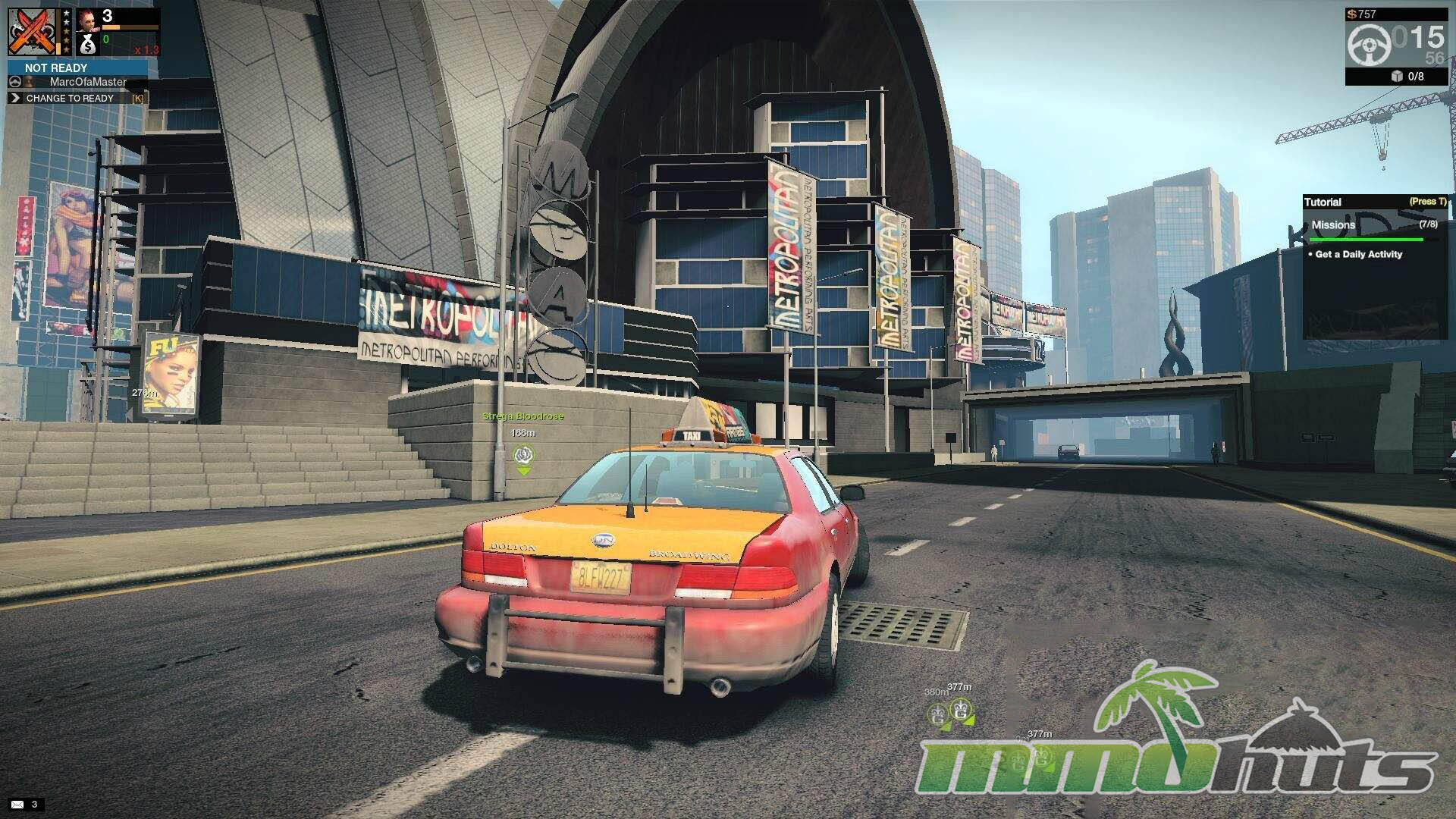
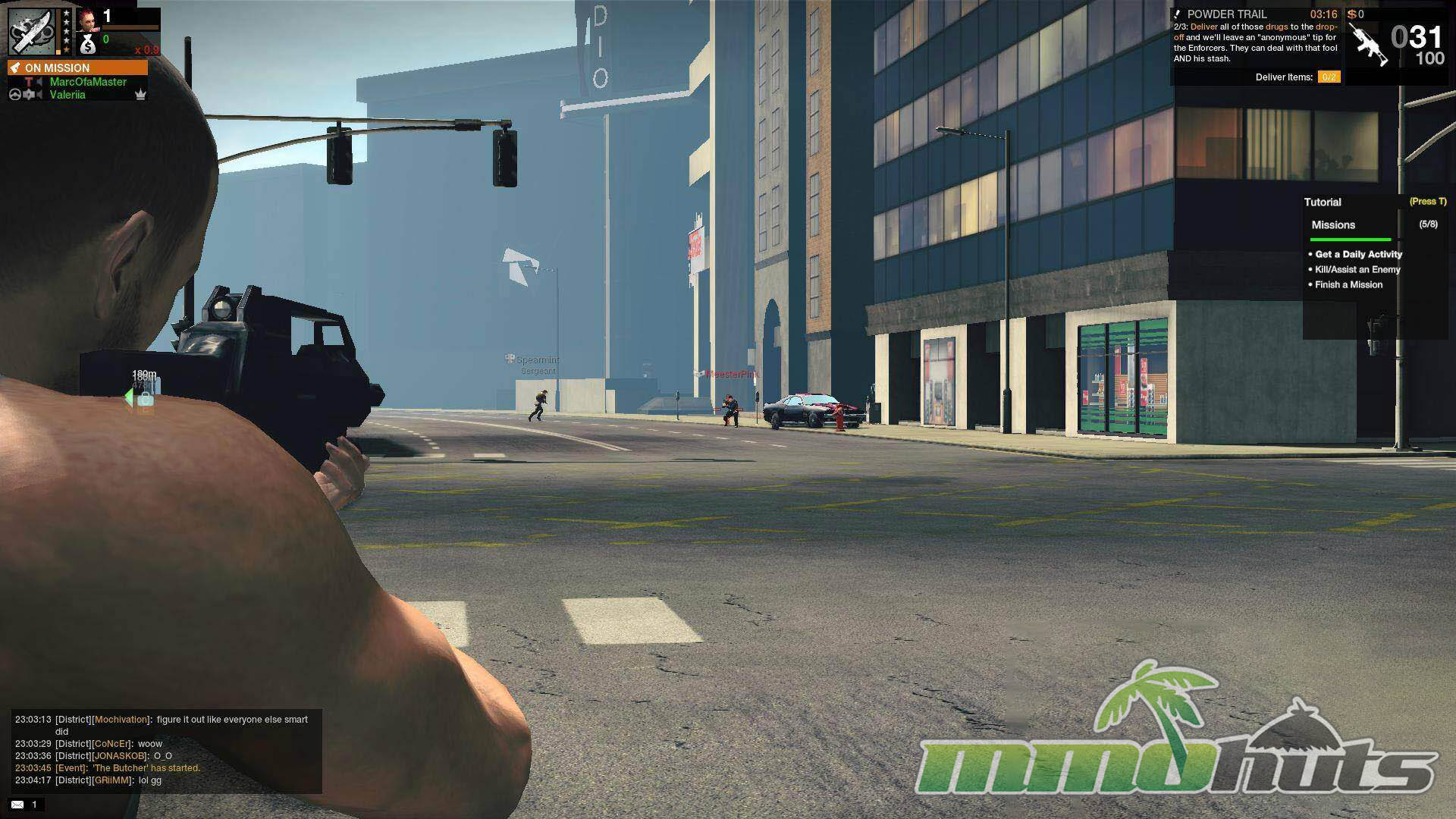
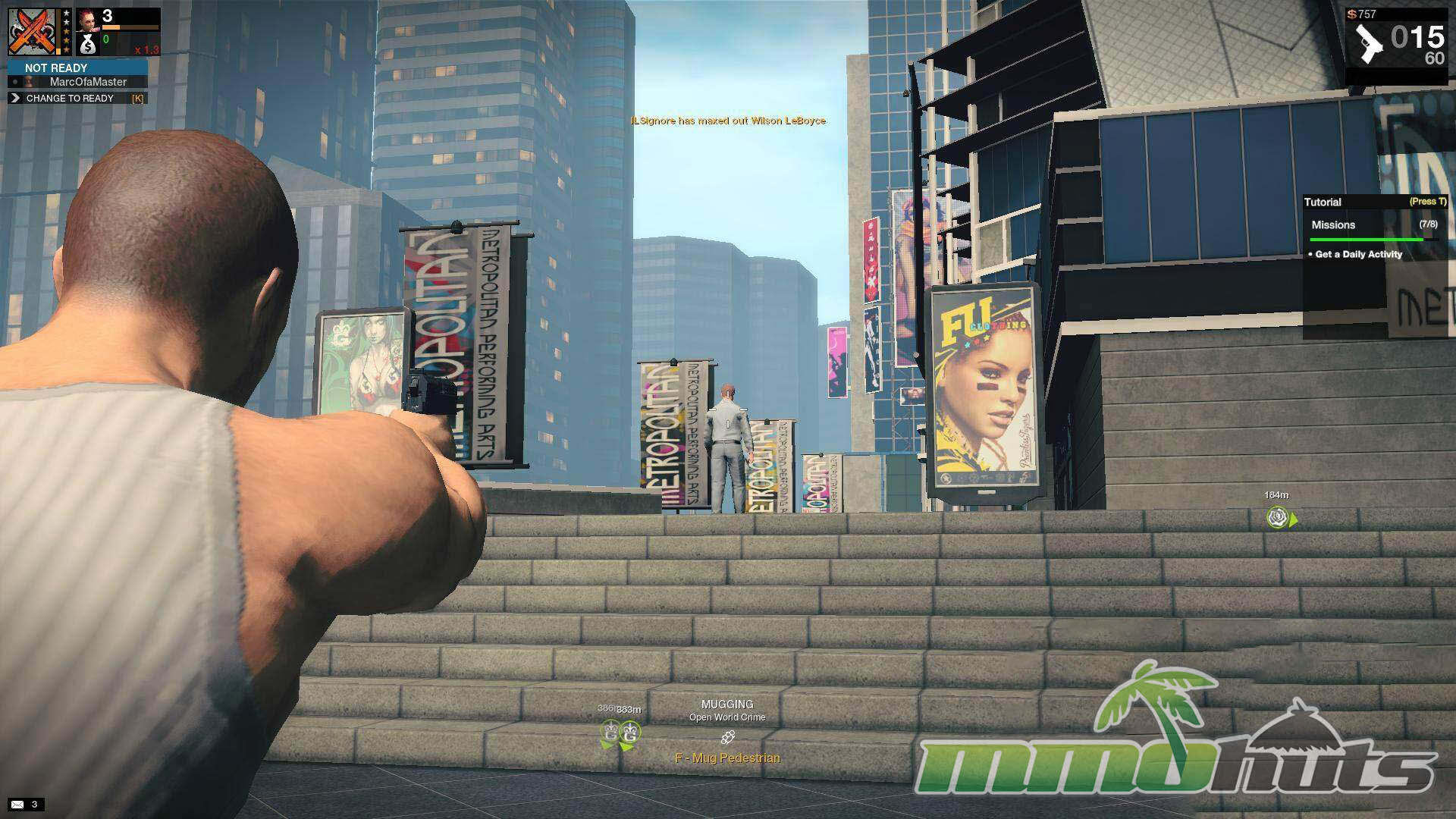
- Strong Visual Presentation – the city and character models look sharp, helping firefights feel smooth and readable.
- Reputation and Notoriety – earn recognition through your actions and become a name people react to in the streets.
- Faction Conflict – missions and open-world pressure keep Criminals and Enforcers in a constant tug-of-war.
APB Reloaded Screenshots
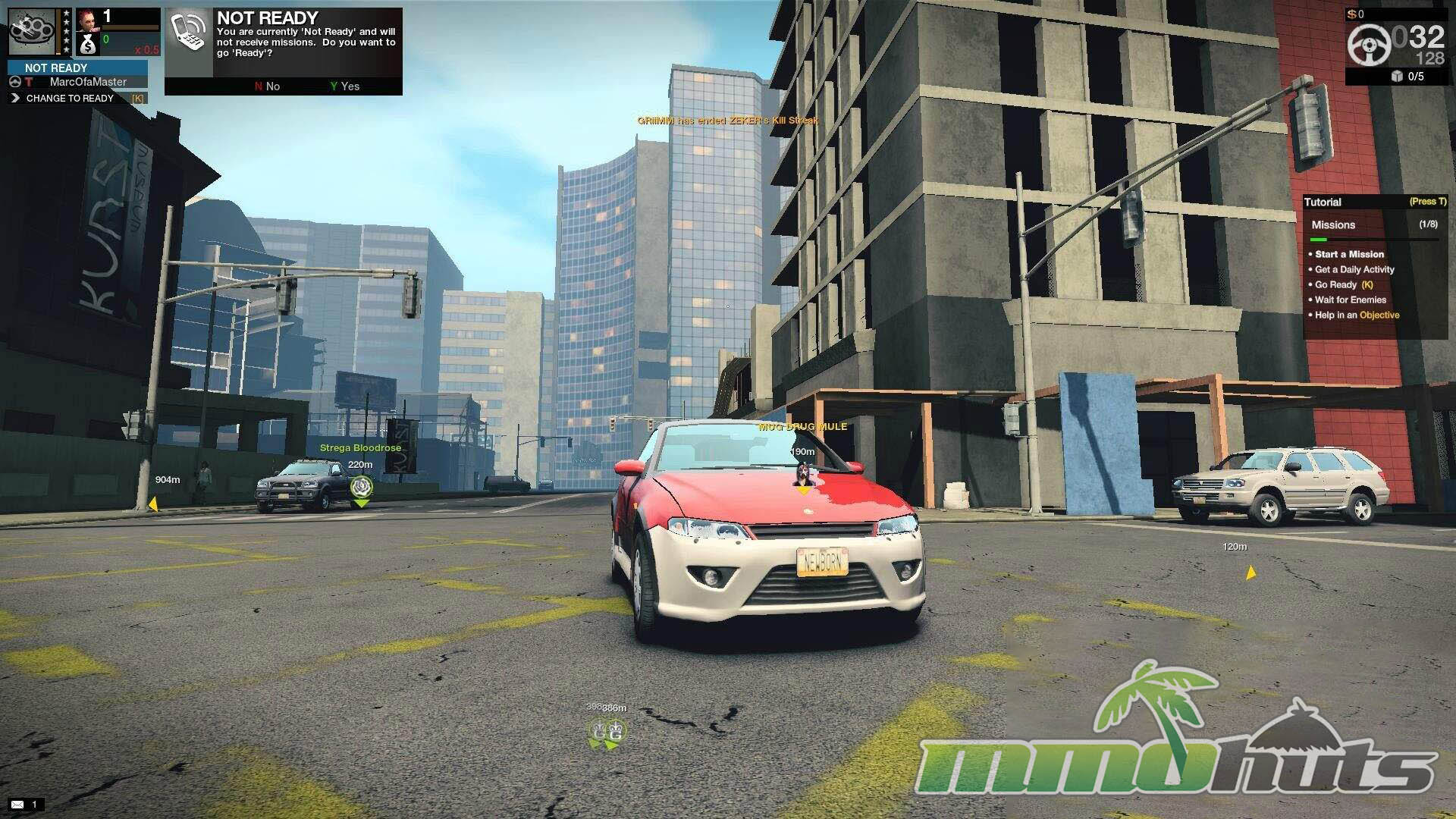
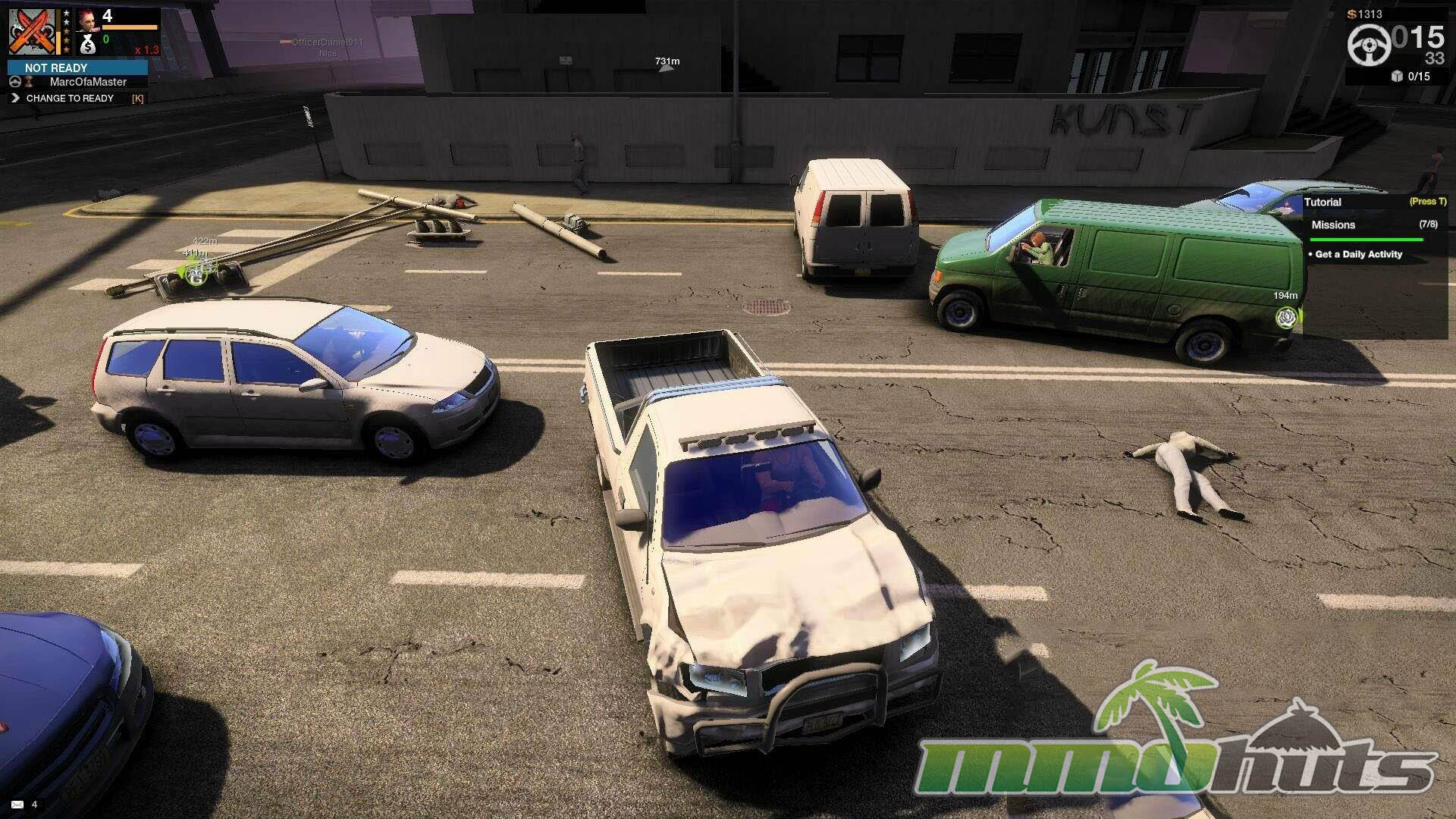
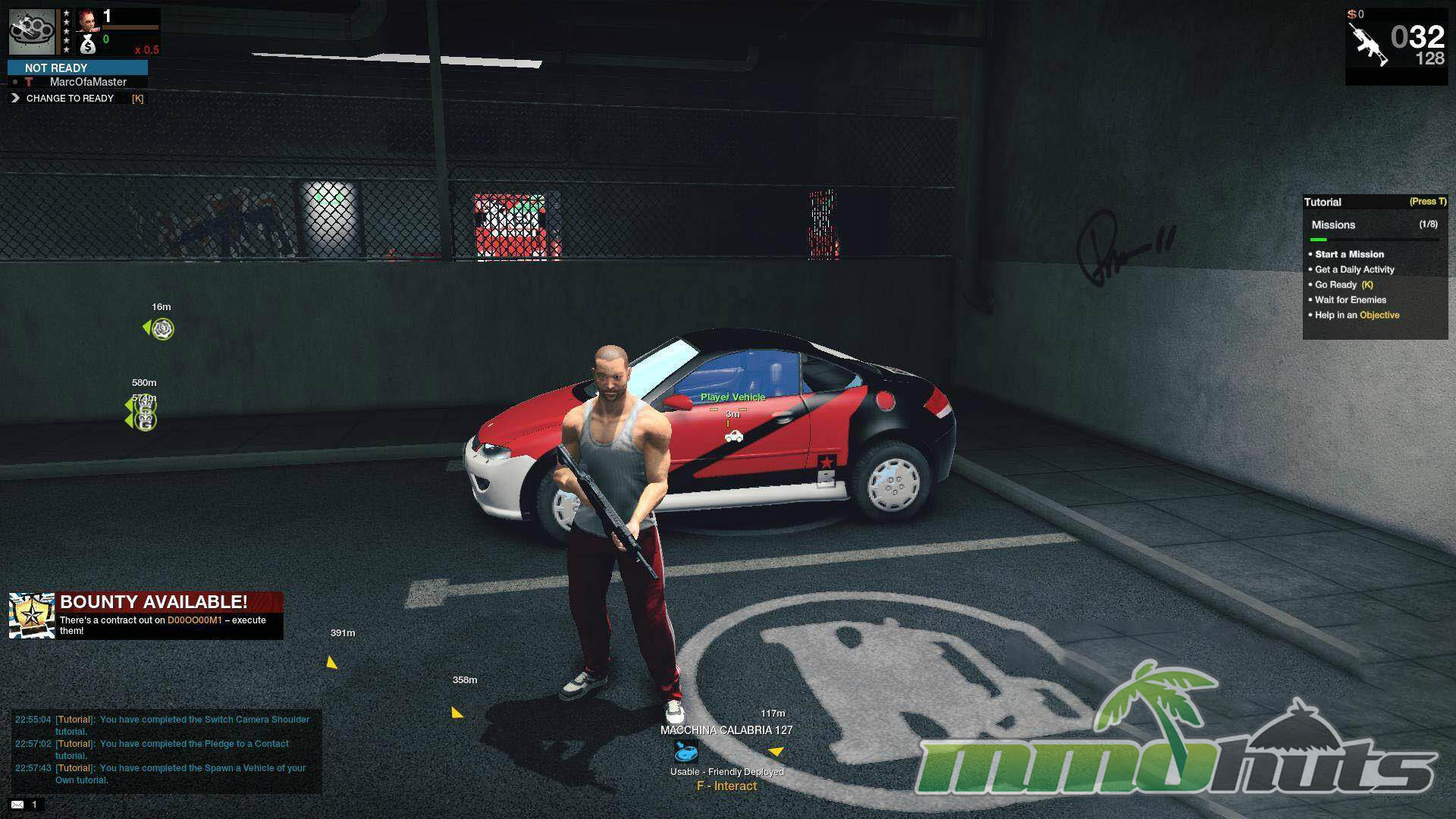
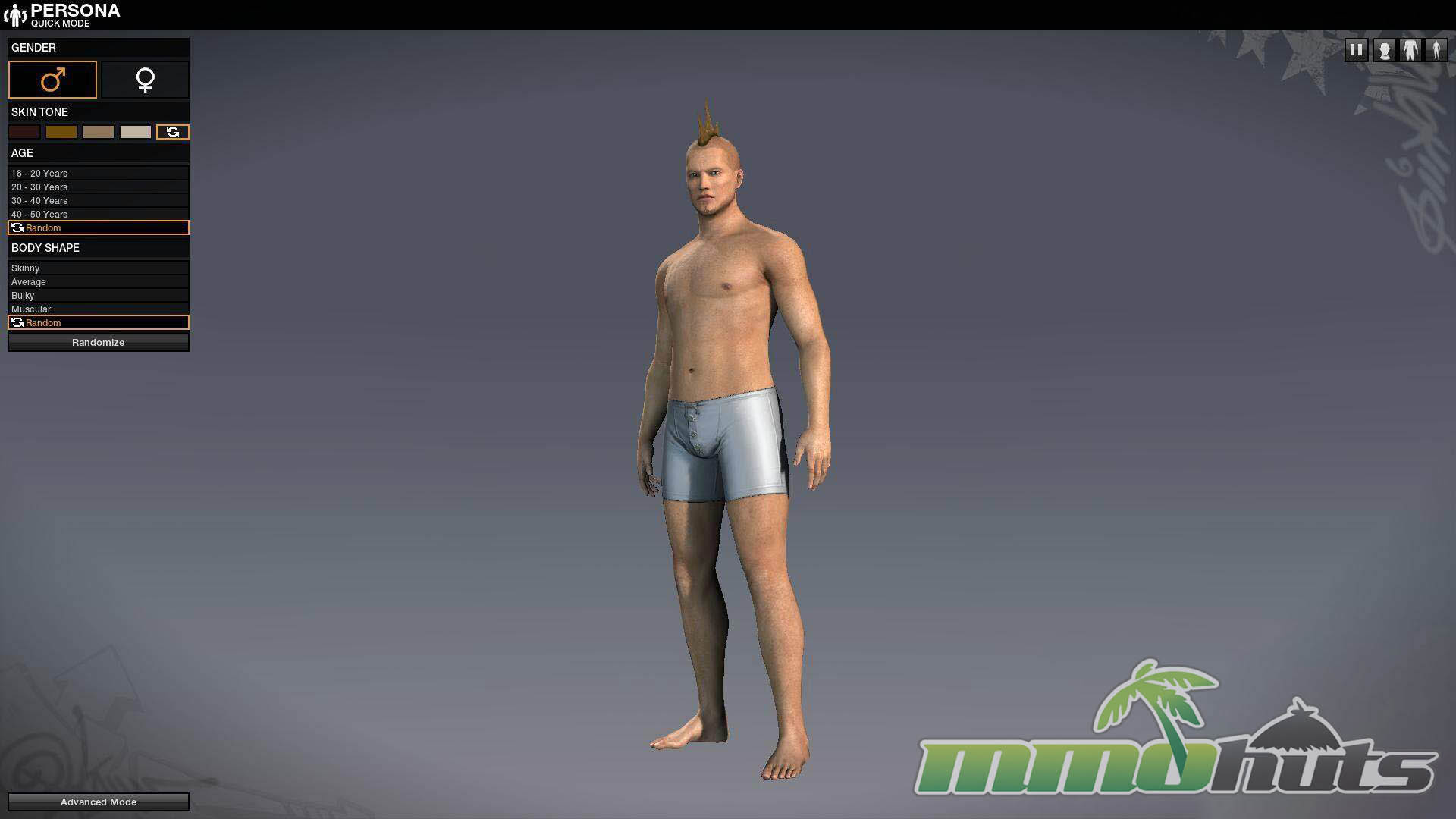

APB Reloaded Featured Video

Roles:
Criminal – Criminals typically take the initiative during missions, pushing objectives forward while dealing with Enforcers who are assigned to stop them.
Enforcer – the law-side faction in APB Reloaded. Enforcers are responsible for shutting down Criminal objectives, with arrests being the preferred outcome when possible.
APB Reloaded Review
APB Reloaded is a 3D third-person MMO shooter tied to the name of David Jones, the designer widely associated with the early Grand Theft Auto legacy. The project began life as APB All Points Bulletin, developed and published by Realtime Worlds, before the rights moved to Reloaded Productions (under GamersFirst and K2 Networks). After originally launching as a subscription title, it returned in a free-to-play form on May 23, 2011 under GamersFirst, and later arrived on Steam on December 7, 2011. Ongoing development and updates are handled by Reloaded Productions.
The setting, San Paro, is a contemporary city presented as a pressure cooker of gang activity and public disorder. The premise is simple: crime has become so pervasive that Enforcers, a mix of vigilantes and bounty-hunter types, are empowered to push back hard. Tonally, the game borrows from GTA-style chaos, including the ability to escalate situations in ways that are clearly aimed at mature audiences rather than younger players.
Two Factions, One City
After a brief introduction, you commit to either the Criminals or the Enforcers. In practical terms, the choice is more about flavor and preferred mission framing than a strict power difference. Both sides use the same streets, the same general combat tools, and the same structure of instanced objectives layered onto an open-world map. The main difference is whether you are usually executing a job or responding to it.
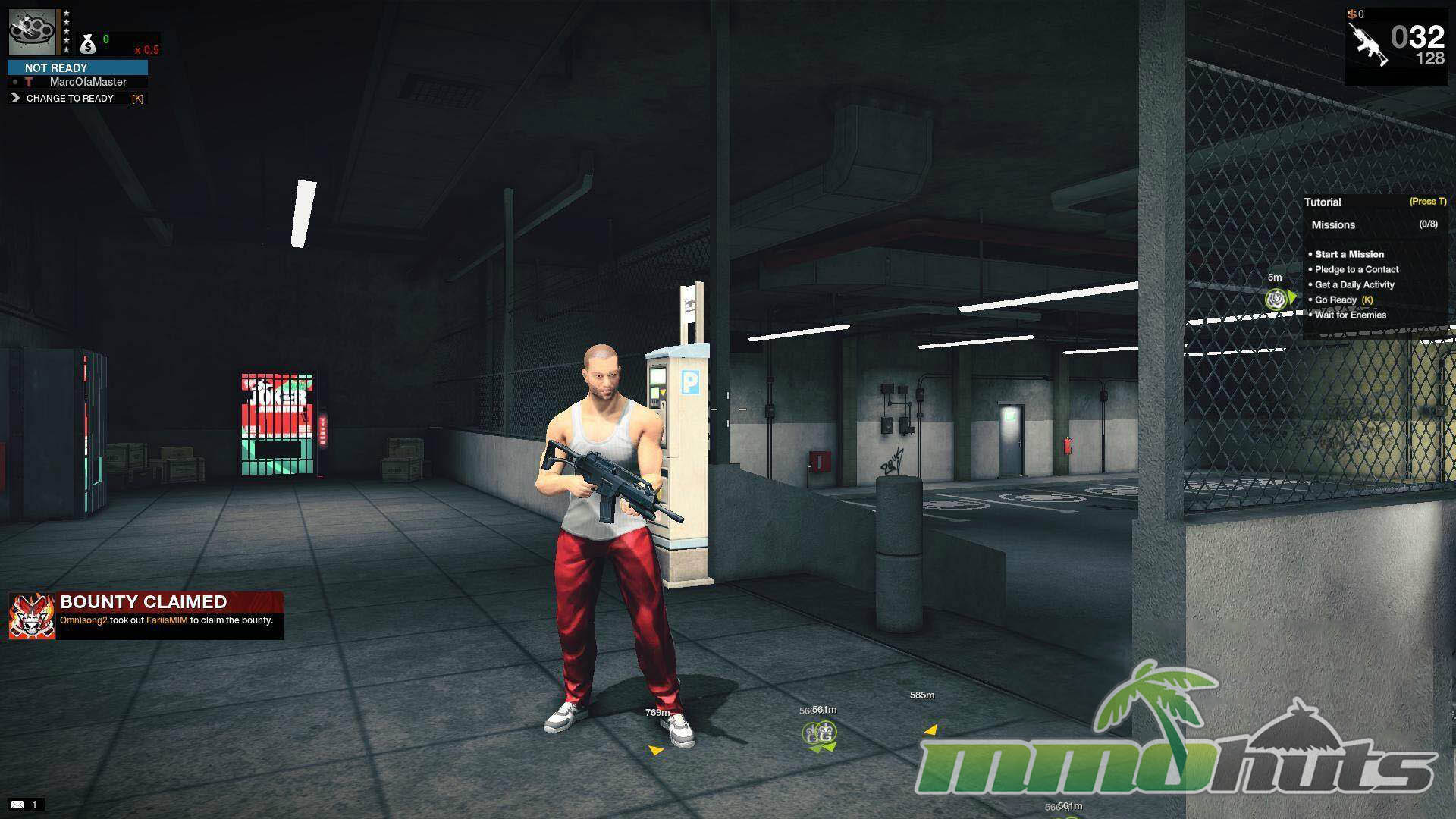
Where APB Reloaded immediately distinguishes itself is its creation suite. Character customization is unusually granular for a shooter, with enough sliders and options to spend a long time sculpting a believable face and body shape, then finishing the look with clothing and accessories. You can chase realism, create an exaggerated persona, or try to recreate yourself, although getting a perfect likeness takes time. If you would rather start playing quickly, there is also a faster option that generates a character for you.
Once you are set, you pick a server. The game nudges you toward regions closer to your location, likely to reduce latency. There are servers for the East and West coasts, Europe, and Hong Kong, and it is important to remember that your character is tied to the server you choose.
Learning Without Hand-Holding
APB Reloaded does not guide new players through a dedicated, interactive tutorial area. Instead, it leans on a tutorial menu packed with explanations and task-style goals that cover everything from movement fundamentals to combat tricks. As you complete items on the list, you receive notifications and rewards, which is a smart way to encourage experimentation, but it can also feel like being handed a manual and told to study while bullets are already flying. For players unfamiliar with shooters, the initial information dump can be a hurdle even if the moment-to-moment controls are fairly intuitive.
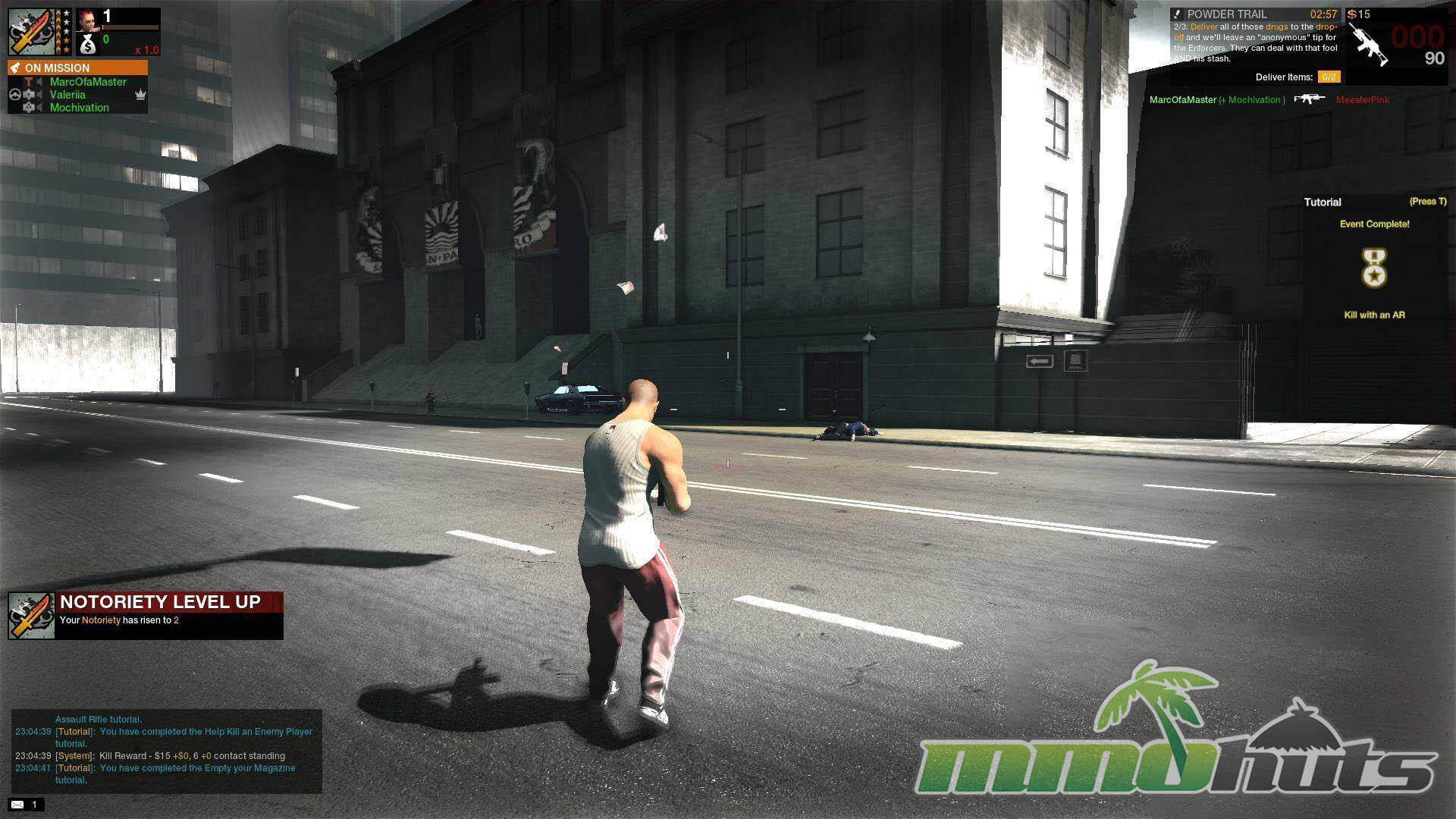
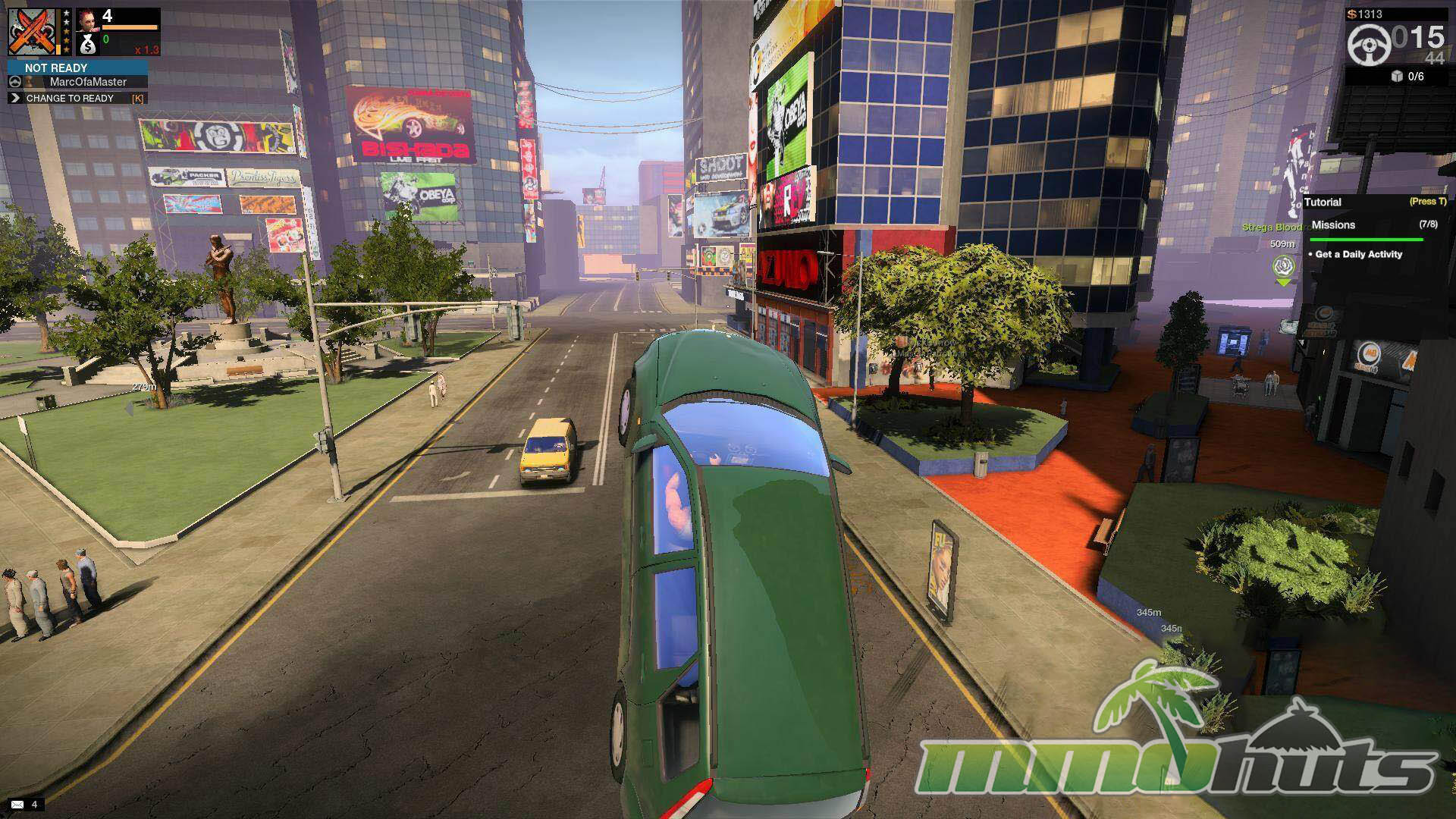
On the presentation side, the game still makes a strong first impression. The city has a lived-in feel, and character models hold up well in motion, though some environmental elements (notably water) can look less convincing. Audio fits the setting, with the expected mix of engines, gunfire, and general street noise. Music exists, but during actual play it often fades into the background because combat and chaos dominate the soundscape.
Missions, Matchups, and Street Reputation
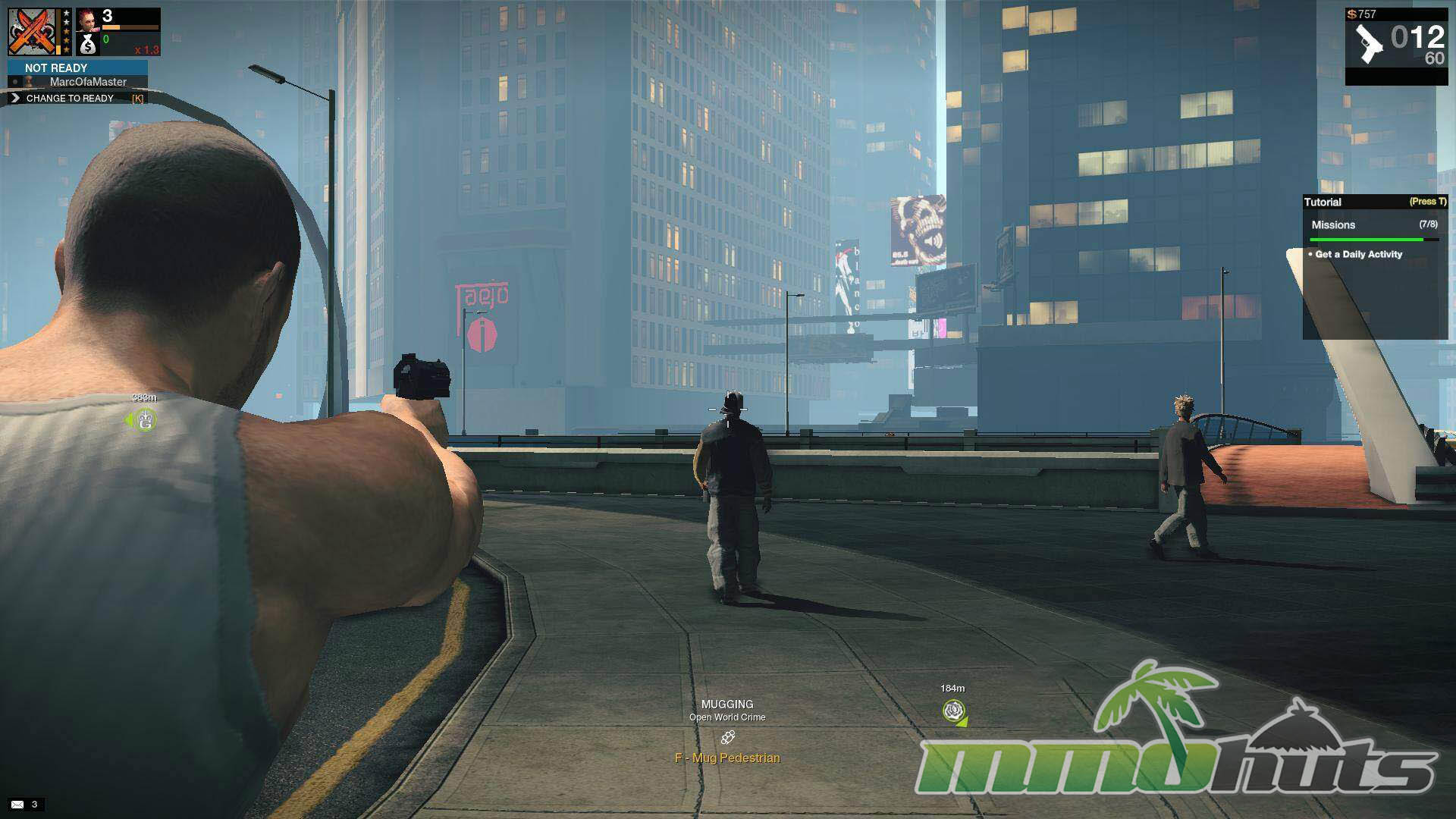
The core structure is built around a flexible mission system. You can roam until solo activities appear, or you can queue into team missions whenever you want more directed PvP. Those missions typically place small groups of players into objective-driven scenarios, such as Criminals performing multi-step tasks (vandalism, theft, delivery) while Enforcers attempt to intercept and stop them.
When the matchmaking is fair, the format works well: short rounds, clear goals, and plenty of room for improvisation with vehicles and positioning. The problems show up when balance slips. Running into opponents with heavily modified, high-damage weapons can turn a mission into a lopsided stomp. Vehicle handling can also feel frustrating at the worst times, particularly when latency or responsiveness issues show up during chases and tight turns.
Progression comes through relationships with Contacts and faction organizations. Completing missions raises those relationship levels, pays out money, and can award gear, while also building your overall standing. Criminals track this as Notoriety, Enforcers as Prestige. Your behavior can push these values up or down, and once you are prominent enough, a bounty can paint a target on you and draw attention from players beyond the usual faction rivalry.
Weapons, Mods, and Loadout Limits
Loadouts are intentionally constrained. You bring a primary weapon, a secondary weapon, and two grenades of the same type, which keeps fights readable and encourages commitment to a playstyle rather than carrying a solution for every scenario. Weapons are acquired through Contacts located in Social and Action districts, but many options require relationship thresholds before they unlock. Progression is therefore tied to playing missions and building favor, not just grinding cash.
Customization extends to gear and vehicles through modification systems. Mods come with tradeoffs and are organized by color tiers, with compatibility rules that prevent stacking too many of the same type. For example, a reload-speed improvement can come at the cost of magazine size, and certain mod colors cannot be combined with other specific mod categories. The end result is a system that rewards tinkering, but also makes power gaps more noticeable between new characters and veterans with optimized setups.
PvP
PvP is the heart of APB Reloaded, and the game is structured to keep conflict close. Outside of the starting and social districts, you should assume violence is always a possibility. Even in safer areas, opposing players can still become a threat if a mission pulls you into contested space or if you are marked by a bounty.
For players who prefer more traditional modes, Fight Club districts support larger-scale matches, up to 16 players per side, with familiar rule sets that resemble standard arena options like team deathmatch and capture-the-flag style objectives. These modes offer a more predictable environment than the streets, although they still reflect the same loadout and balance realities.
Monetization Pressure
The Armas Market includes plenty of cosmetics, which fits a game that values style and identity. The concern is that it also offers items that can influence performance, including premium weapons and modifications. Against experienced, high-threat opponents, the difference between standard equipment and stronger premium options can feel particularly punishing, and it risks turning otherwise exciting matches into discouraging experiences.
Final Verdict – Good
APB Reloaded succeeds most when it is delivering compact, objective-based firefights in a modern open-world setting, supported by excellent customization and a strong sense of personal style. For players who enjoy the fantasy of GTA-like urban chaos in a multiplayer framework, it can be genuinely entertaining in bursts.
Its long-term appeal is held back by uneven matchmaking, performance hiccups, and the way power differences can dominate mission outcomes. The lack of PvE also narrows the audience to people who primarily want PvP. Overall, it is a solid, distinctive MMO shooter, but one that is easiest to recommend as a game you drop into for competitive sessions rather than a world you live in every day.
APB Reloaded Links
APB Reloaded Official Website
APB Reloaded Wiki (Database / Guides)
APB Reloaded Wikipedia Page
APB Reloaded Steam Page
APB Reloaded System Requirements
Minimum Requirements:
Operating System: Windows XP / 2000 / Vista / 7
CPU: Intel Core 2 Duo E6420 / AMD Athlon x2 5800+ 3.0 GHz
Video Card: Nvidia GeForce 7800 GT / ATI Radeon HD 2900 GT
RAM: 3 GB
Hard Disk Space: 7 GB
Recommended Requirements:
Operating System: Windows 7 / 8
CPU: Intel Core 2 Quad Q6600 2.4 GHz / AMD Phenom 9850 or better
Video Card: Nvidia GeForce 8800 GT / ATI Radeon HD 3800 or better
RAM: 4 GB or better
Hard Disk Space: 7 GB
APB Reloaded Music & Soundtrack
Coming soon…
APB Reloaded Additional Information
Developer: Realtime Worlds (former), Reloaded Productions (current)
Designer: David Jones
Game Engine(s): Unreal Engine 3
Closed Beta Date: October 19, 2009 – June 4, 2010
Open Beta Date: June 12, 2010 – June 19, 2010
Free to Play Date: May 23, 2011 (open beta)
Foreign Release Dates:
Europe: July 1, 2010
UK: July 2, 2010
Other Platforms:
PlayStation 4: 2015
Xbox One: 2015
Development Details:
APB Reloaded began as a boxed retail release developed by Realtime Worlds under the original title APB All Points Bulletin. That first version launched on June 6, 2010, but the studio collapsed soon after release. K2 Network later acquired the rights on September 16, 2010 for £1.5 million British Pounds, then reworked the project and transitioned it into a free-to-play model.