Travian has been a fixture of browser strategy gaming for decades, blending city building, resource planning, and player driven warfare on a shared, persistent map. Starting from a modest village in a classical European themed world, you gradually turn raw resource fields into an engine for growth, unlocking infrastructure, armies, trade, and eventually expansion through new settlements or conquest. The pace is deliberate and the PvP environment can be unforgiving, so long term success usually comes from smart planning, careful diplomacy, and joining an Alliance that can offer both protection and coordinated goals.
 | Publisher: Travian Games Playerbase: High Type: Browser Strategy Game Release Date: Sept 5, 2004 Pros: +A foundational name among browser strategy titles. +Lots of strategic paths and long-term goals. +Hero System adds progression beyond buildings Cons: -Monetization can create competitive imbalance. -Interface shows its age. -Progress can feel very slow. -Hard for newcomers to learn efficiently |

Travian Overview
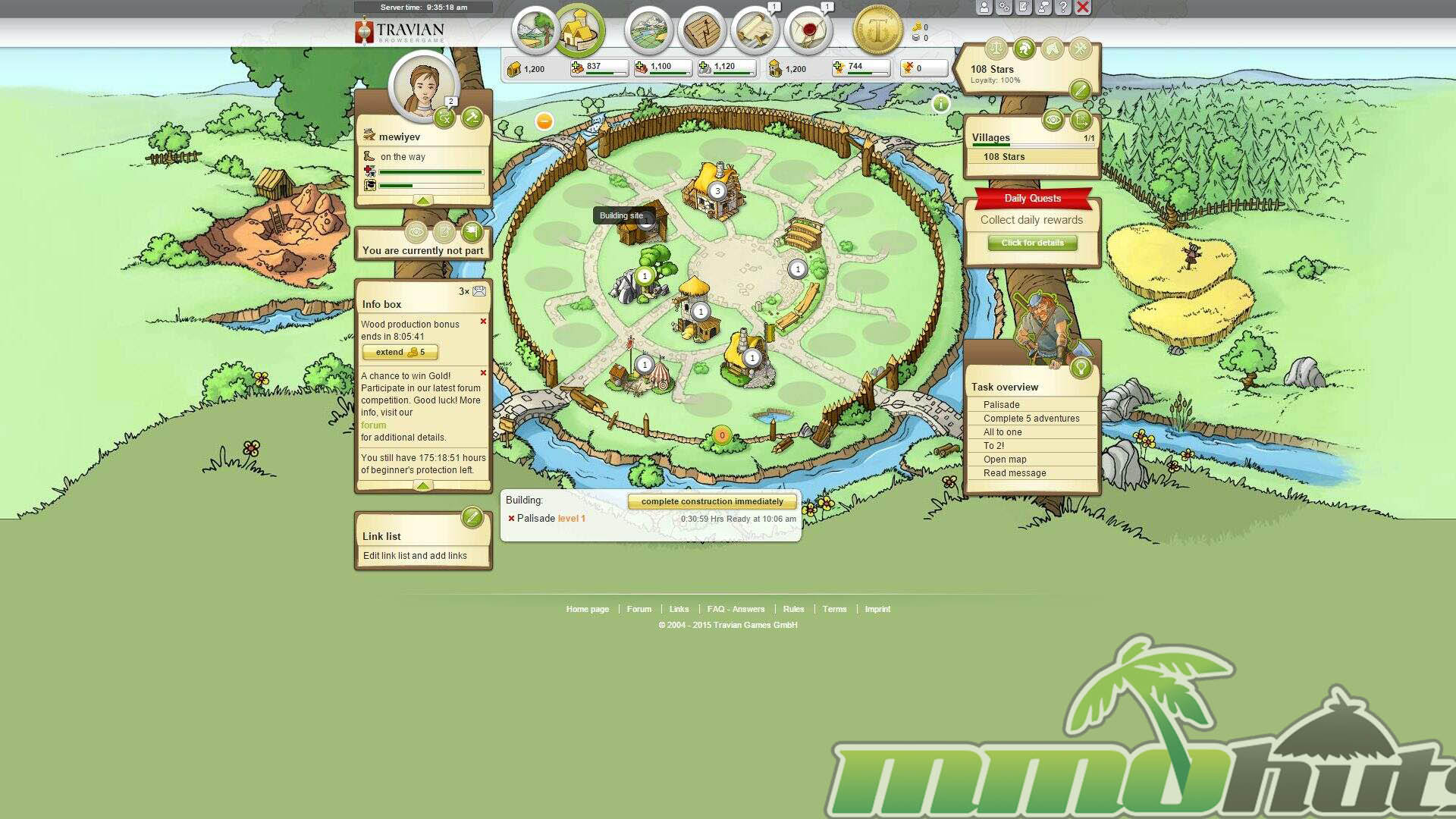
Travian is a browser based MMORTS focused on building and managing a village, then leveraging that economy to compete with other players over territory and resources. First released in September 2004, it leans heavily on clean 2D visuals, menus, and text driven feedback rather than modern animated battle scenes, which is part of why it remains accessible on modest PCs and can be played comfortably on mobile devices and tablets. It is the sort of game you check regularly throughout the day, queuing constructions, training units, and planning attacks, rather than something you play in one long uninterrupted session.
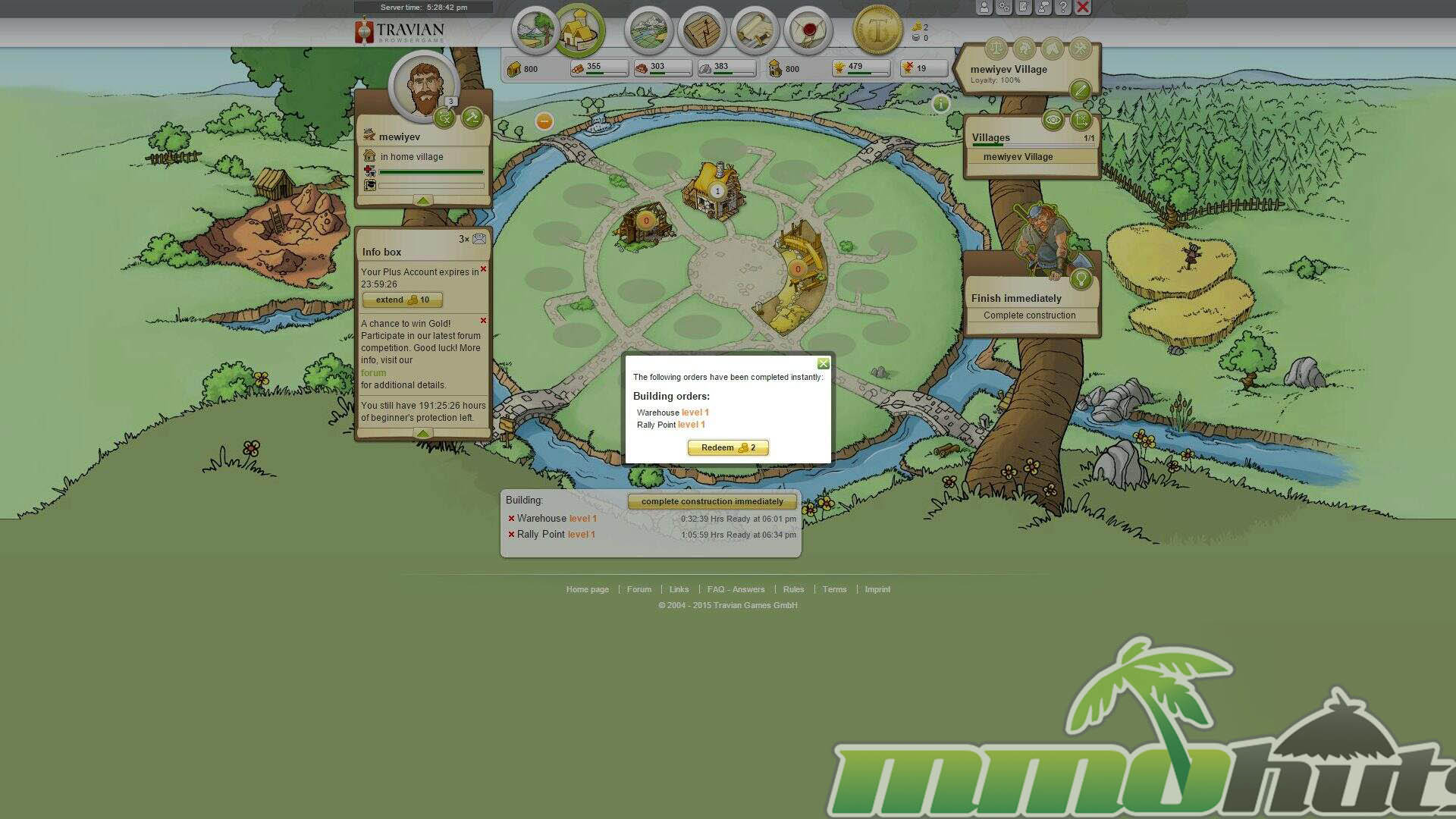
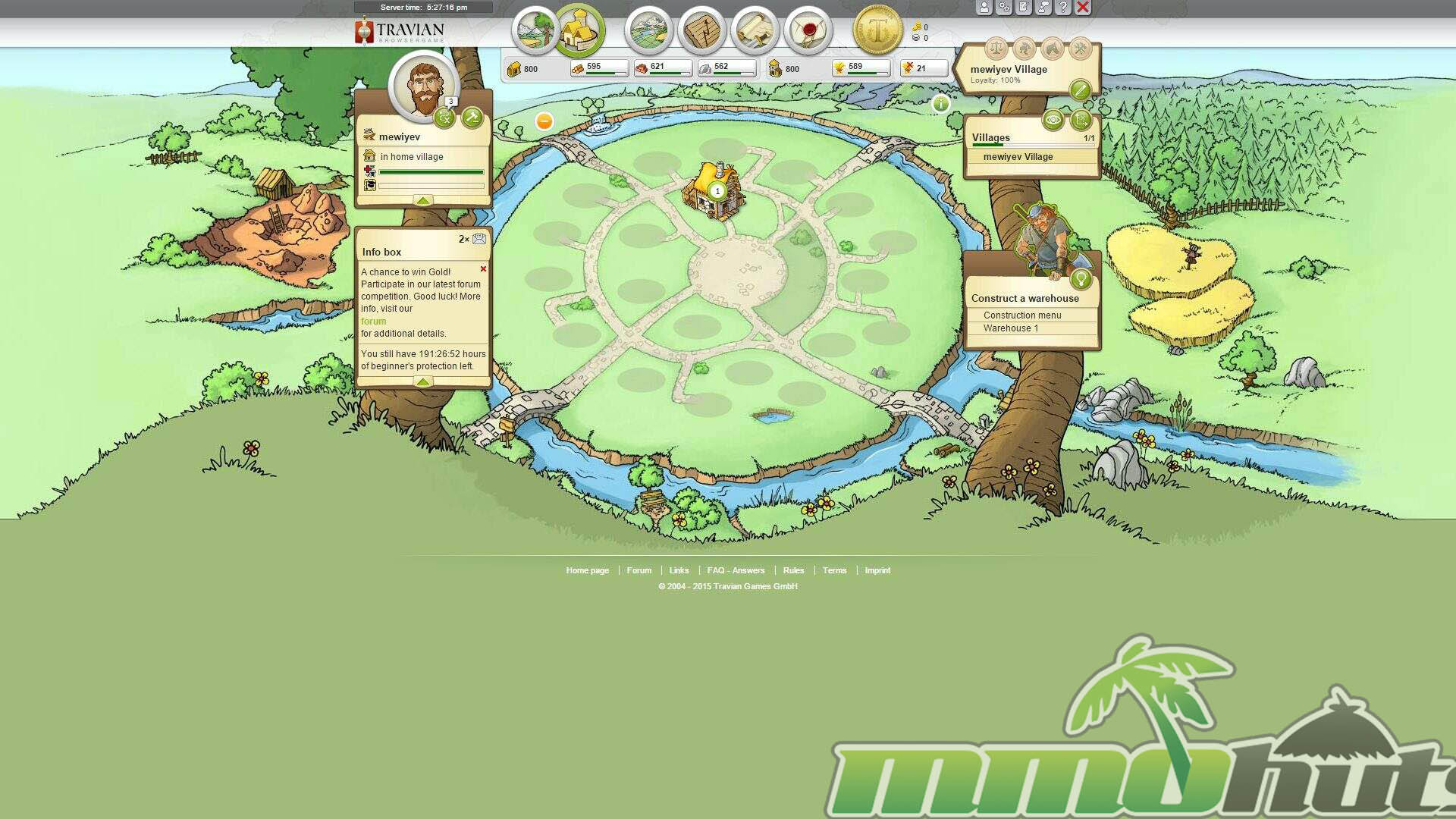
You begin with a small settlement surrounded by resource production fields. Early tutorial steps push you toward basic upgrades, increased production, and the first key buildings that unlock broader interaction, such as marketplaces and military structures. From there, the core loop becomes a balancing act: grow your economy fast enough to keep up, defend what you have, and decide whether your progress will come mainly from trading and diplomacy, or from raiding and aggressive expansion. Nearby players are both potential partners and potential threats, so information, timing, and coordination matter as much as raw numbers.
Alliances are central to Travian’s long term experience. While it is possible to play quietly for a while, the competitive servers and active playerbase mean that being isolated often turns you into an easy target. Joining an organized group helps with defense, coordinated offense, and efficient trading networks, and it also gives the game a social layer that can be as important as your build order. Travian is also structured around server rounds, culminating in a late game race tied to Wonders of the World. That end goal effectively serves as the season finale, rewarding the teams and players who can coordinate logistics, defense, and support at scale. Because each round resets and the strategic landscape changes depending on neighbors and Alliance politics, the game naturally encourages returning for another run.
Travian Key Features:
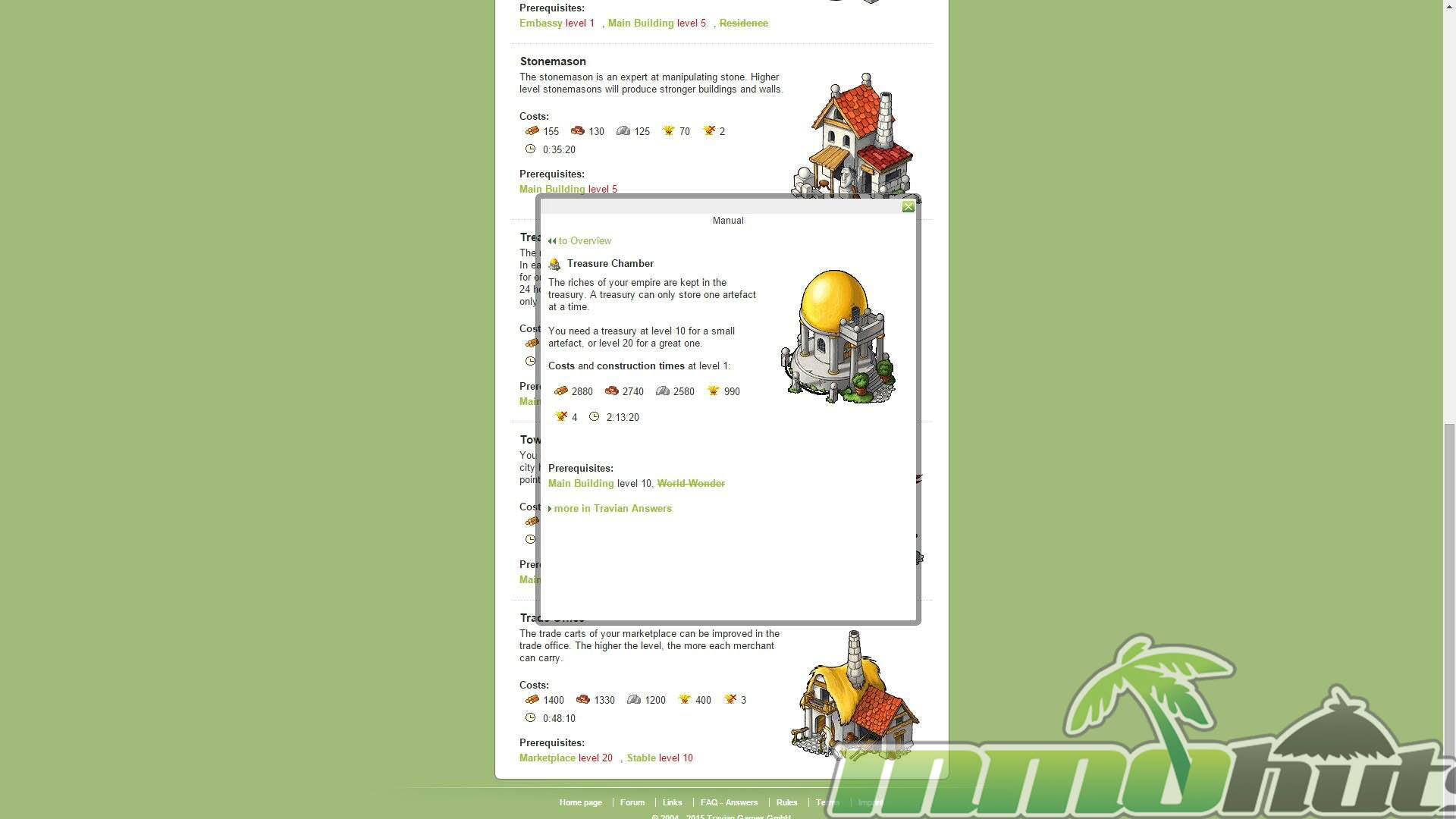
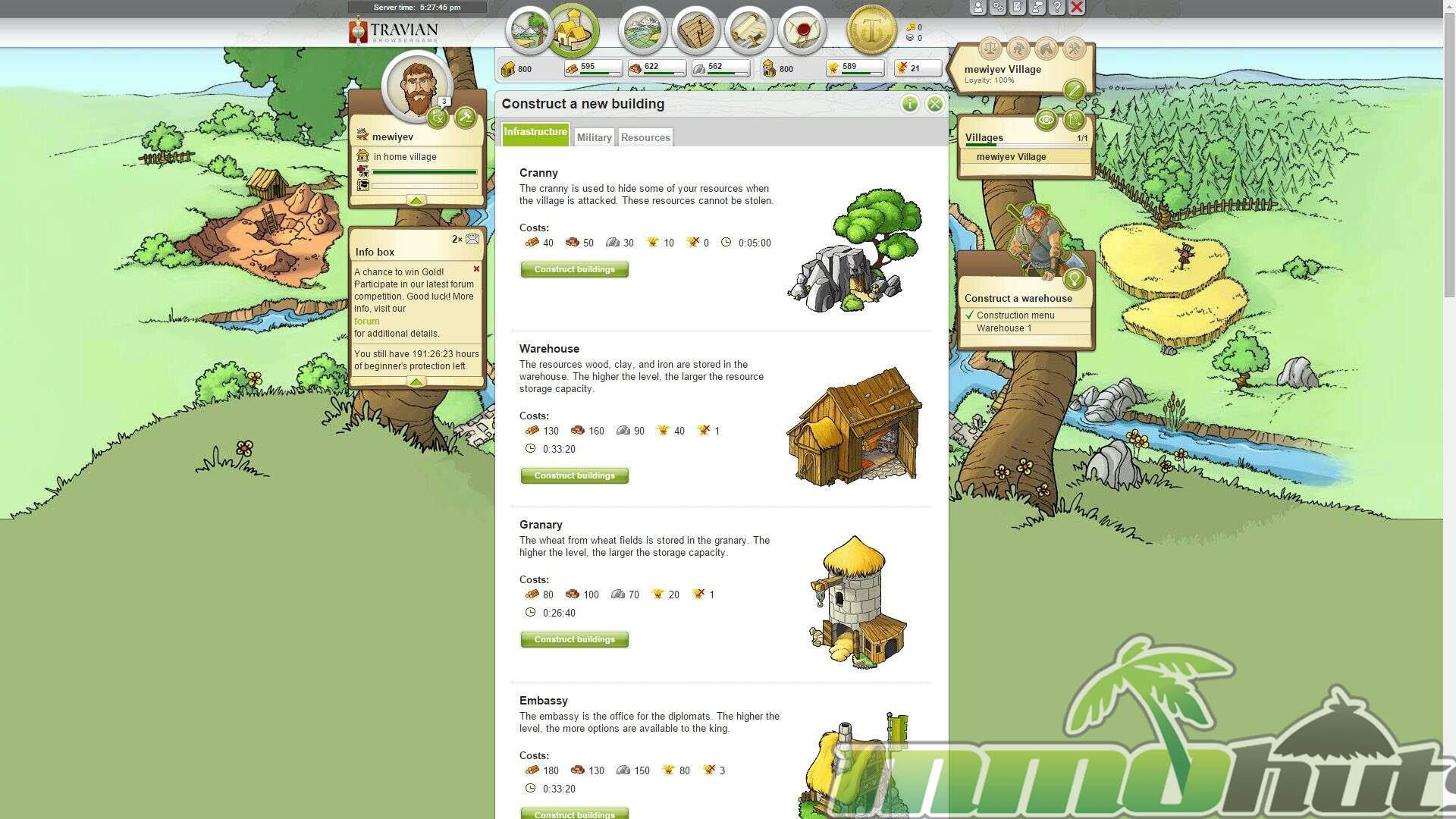
- In-Depth City Building – manage multiple resources and production chains, then invest them into buildings and upgrades that shape your economy and military options.
- Three Tribes – choose between Romans, Gauls, and Teutons, each with distinct strengths that influence growth, defense, and aggression.
- Hero System – develop and equip a hero who can adventure, boost your village, and provide an additional progression track beyond pure construction timers.
- Competitive Community – PvP pressure and server politics push players toward cooperation, scouting, and coordinated play.
- Wonders of the World – a server ending objective that functions as the ultimate benchmark and drives replay across new rounds.
Travian Screenshots
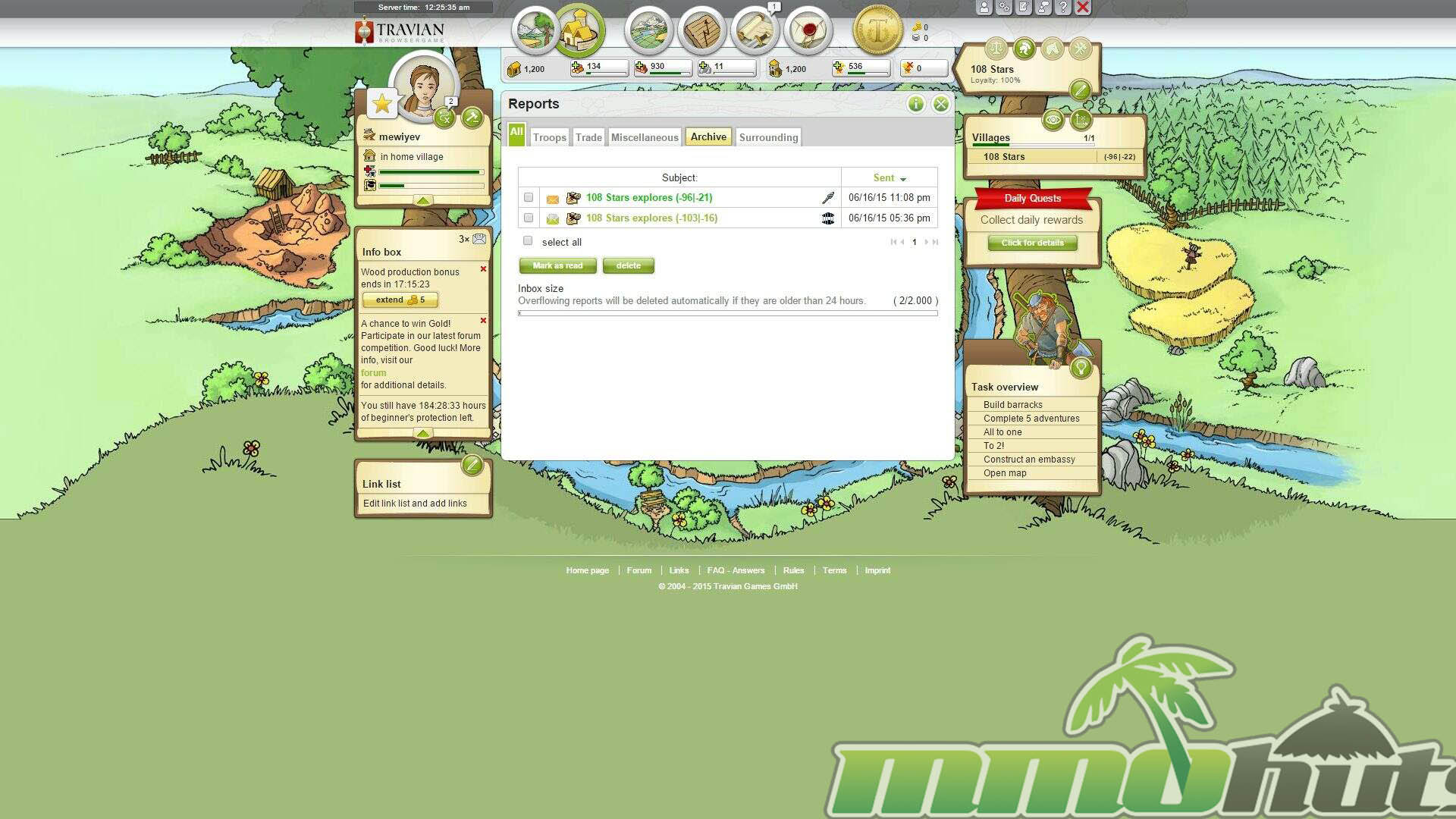
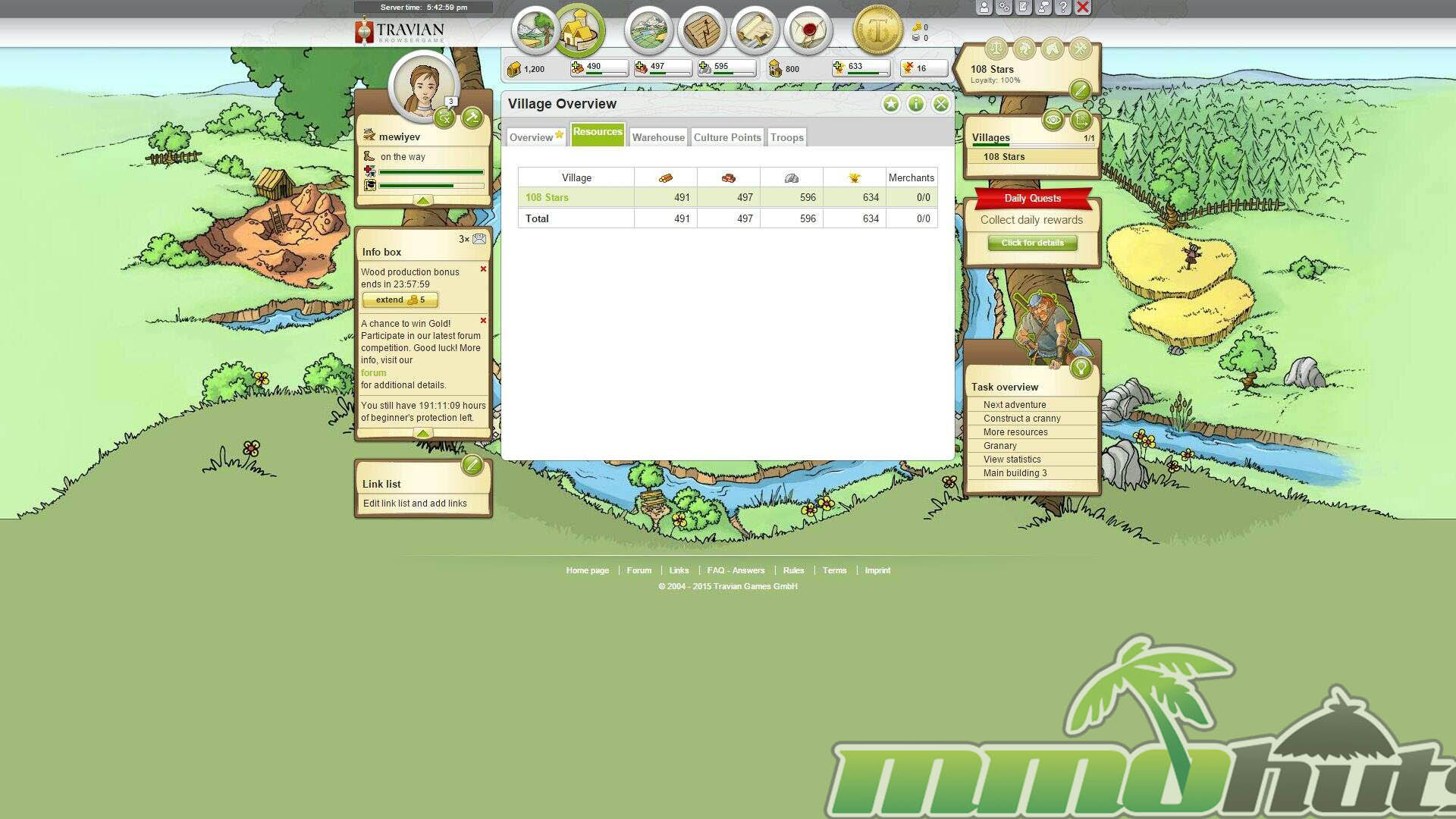
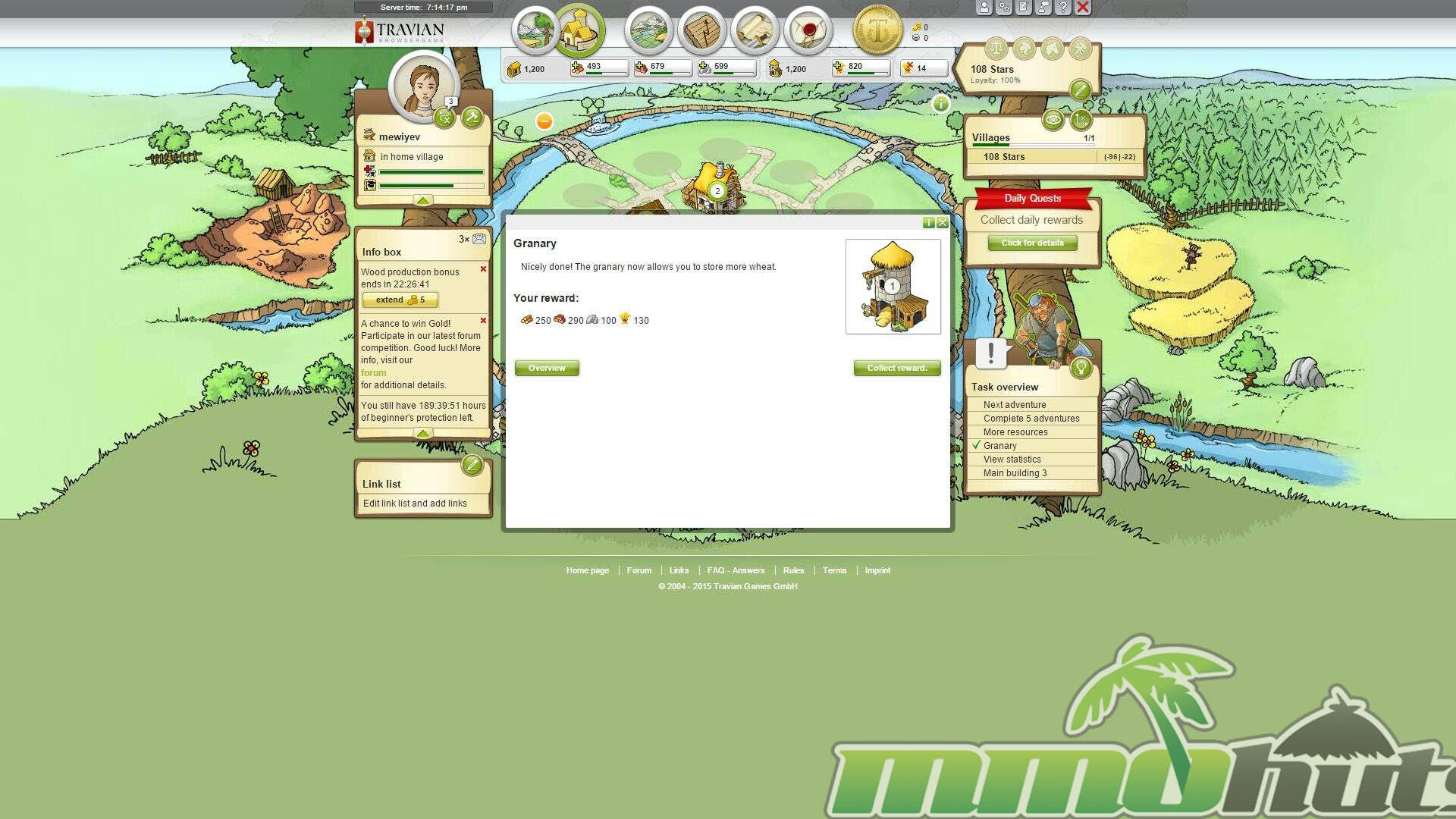
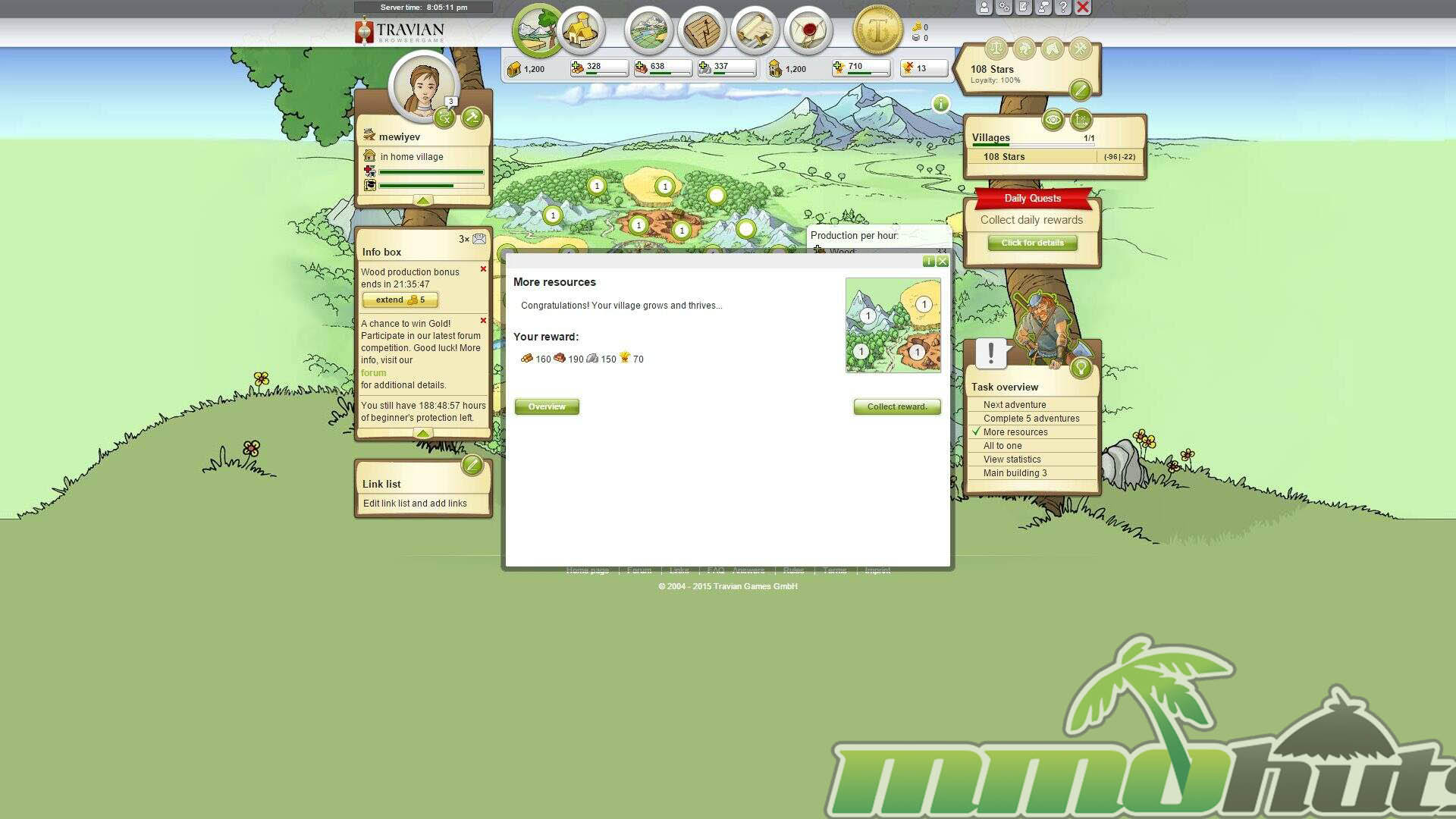
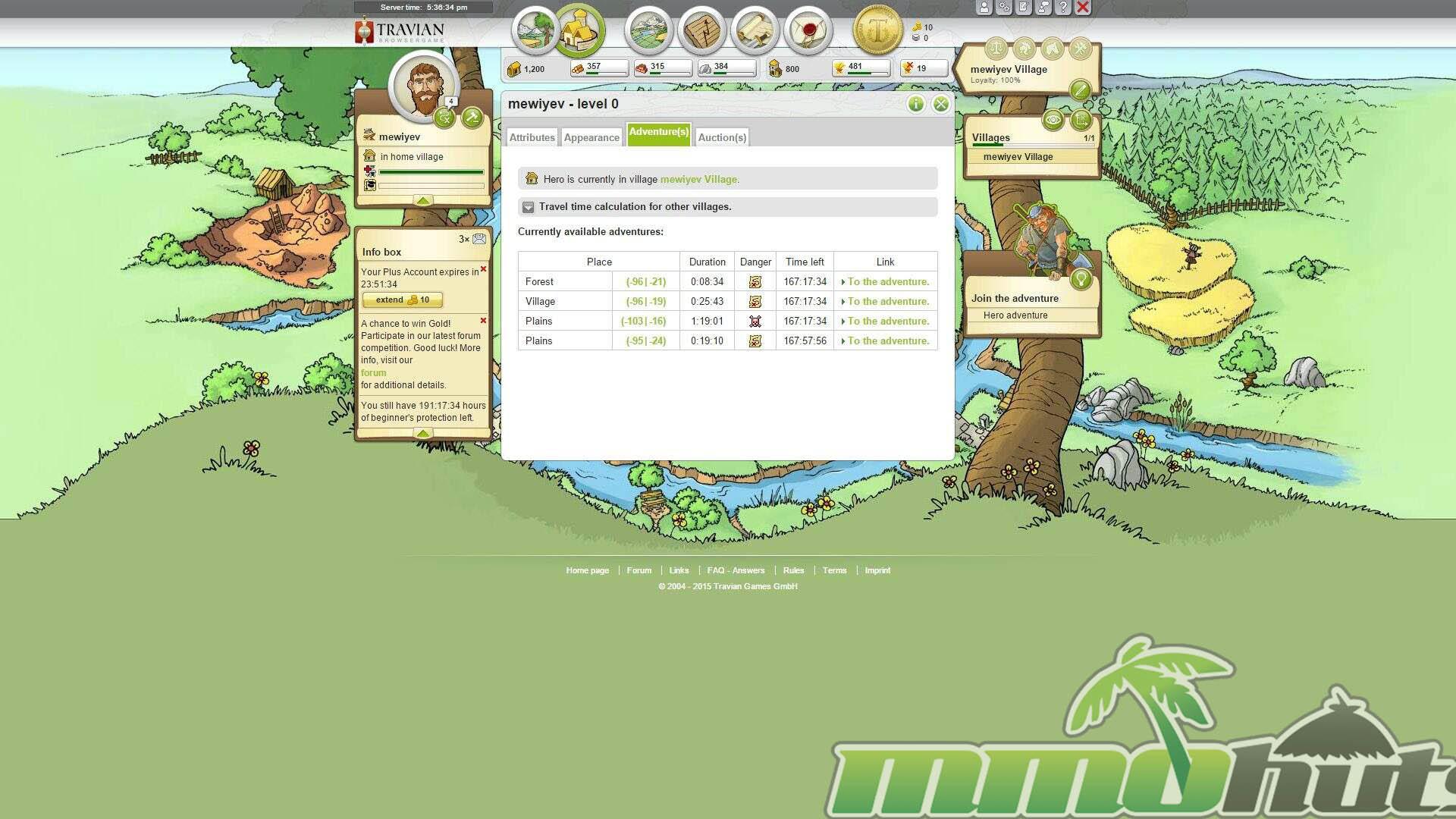
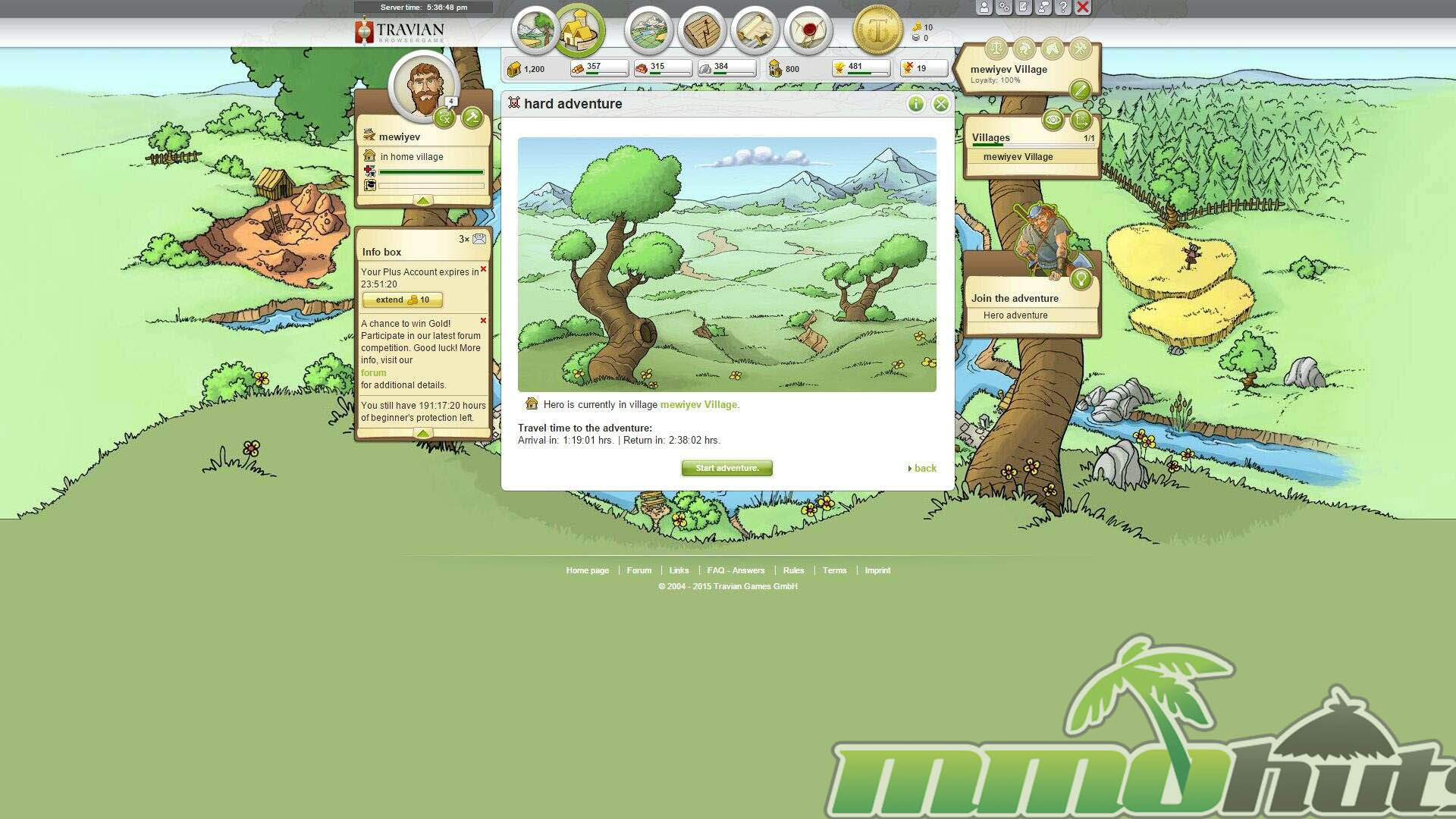

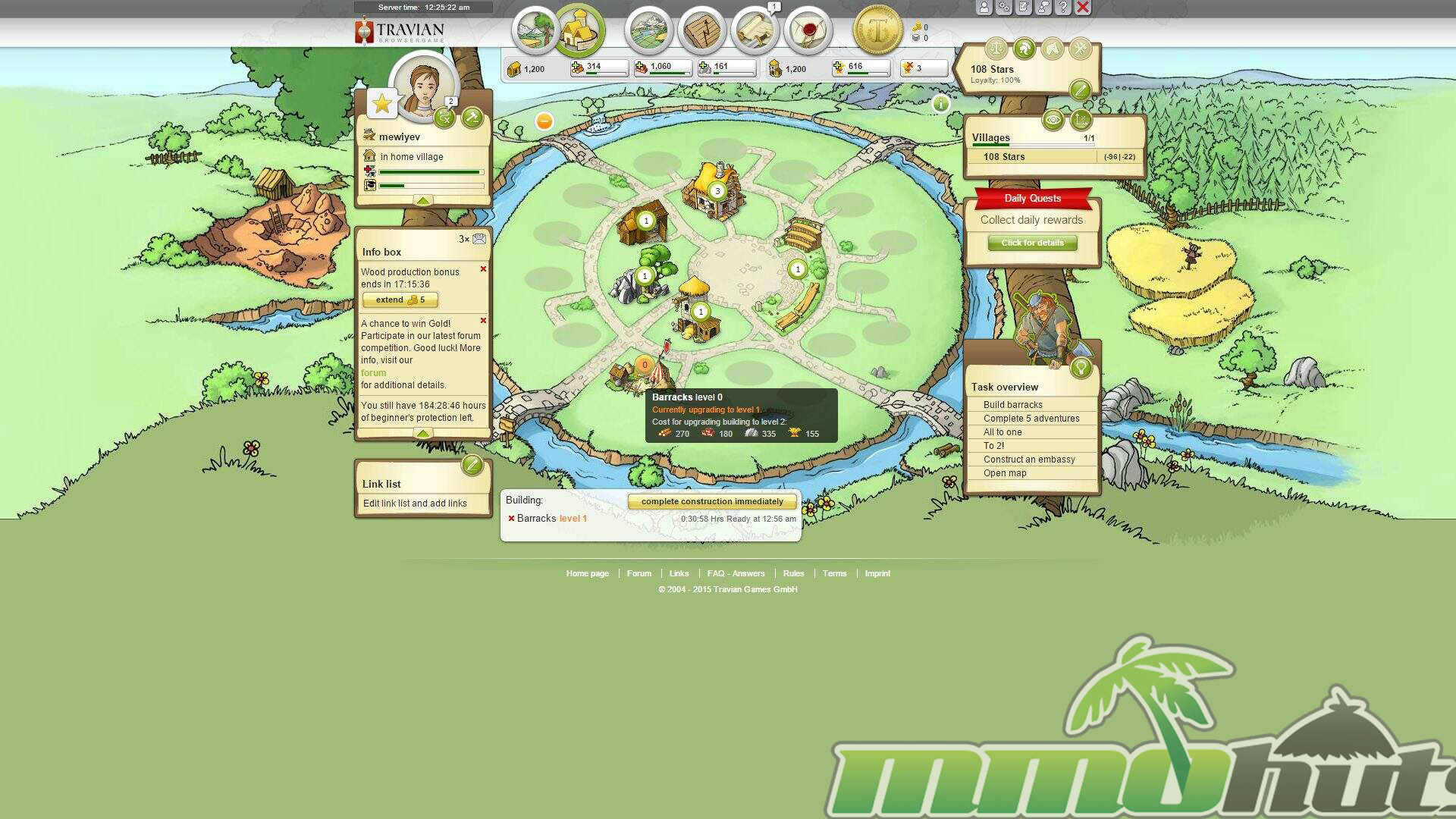

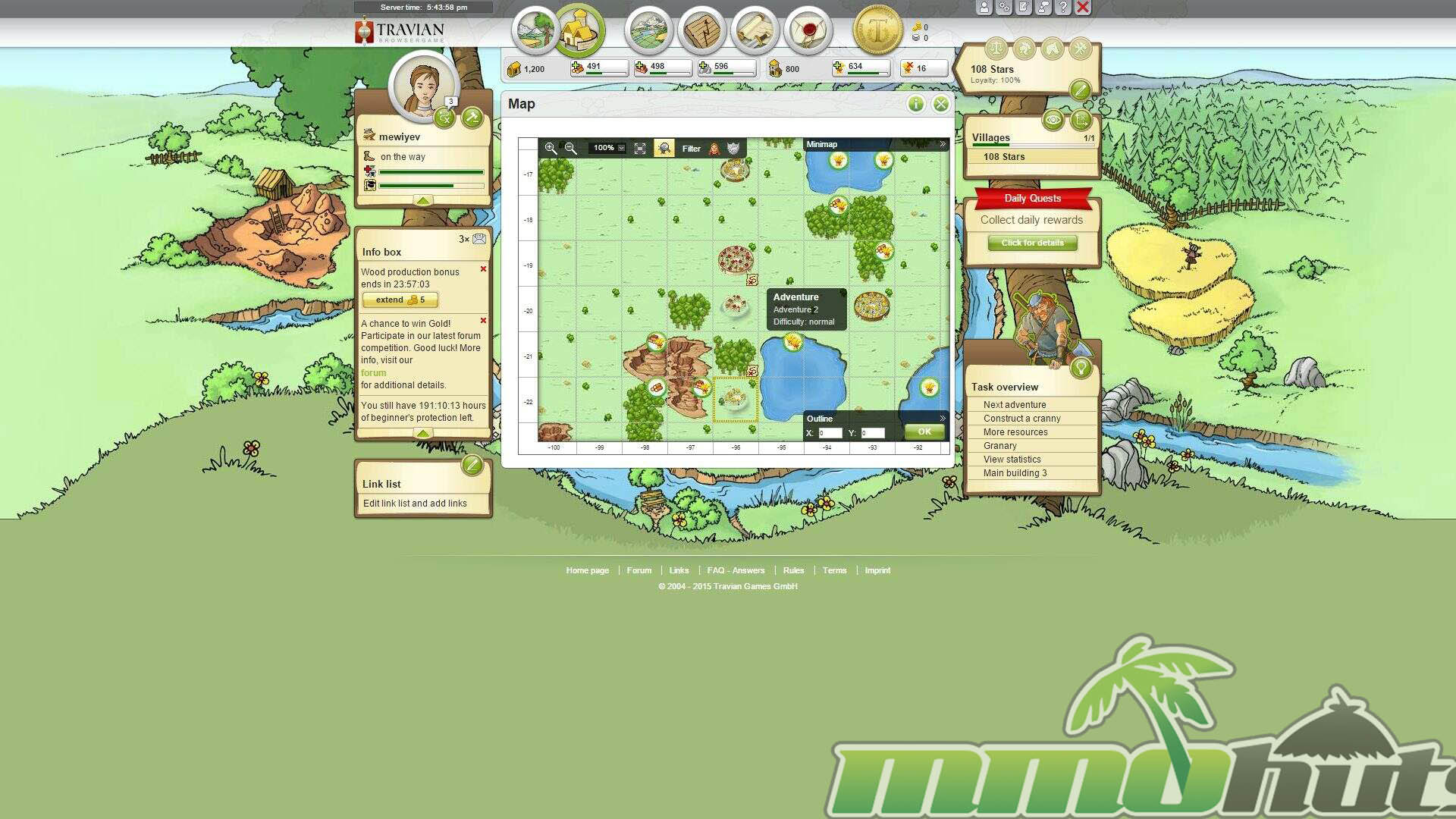

Travian Featured Video

Travian Review
Coming soon….
Travian Links
Travian Official Site
Travian Facebook (Database / Guides)
Travian Wikia (Database/Guides)
Travian Requirements
Operating System: XP / Vista / 7 / 8 / 10
CPU: Intel Pentium 4 or AMD Equivalent
Video Card: Any Graphics Card (Integrated works well too)
RAM: 512 MB
Hard Disk Space: 100 MB (Cache)
Because Travian runs in a web browser, it is lightweight and generally performs well on almost any computer. It has been commonly played through browsers like Internet Explorer, Opera, Firefox, and Chrome, and most up to date browsers should have no trouble running it.
Travian Additional Information
Developer: Travian Games
Publisher: Travian Games
Release Date: September 5, 2004
Original Author/Developer: Gerhard Muller
Development History / Background:
Travian is a browser strategy title developed and published by the German company Travian Games. It began as a personal project by Gerhard Muller and rapidly attracted a large audience, proving that persistent, competitive strategy could thrive in a web browser. Its popularity helped set expectations for an entire wave of similar games, with many later browser based empire builders drawing from the same broad ideas of timed construction, resource optimization, and Alliance centered conflict.
Over the years, Travian’s visibility and reach have made it one of the most recognizable names in the genre, and it has been credited with influencing numerous web strategy titles that followed. It is often cited as a major early success story for browser MMOs, maintaining a sizable worldwide audience and receiving industry recognition during its long run.